


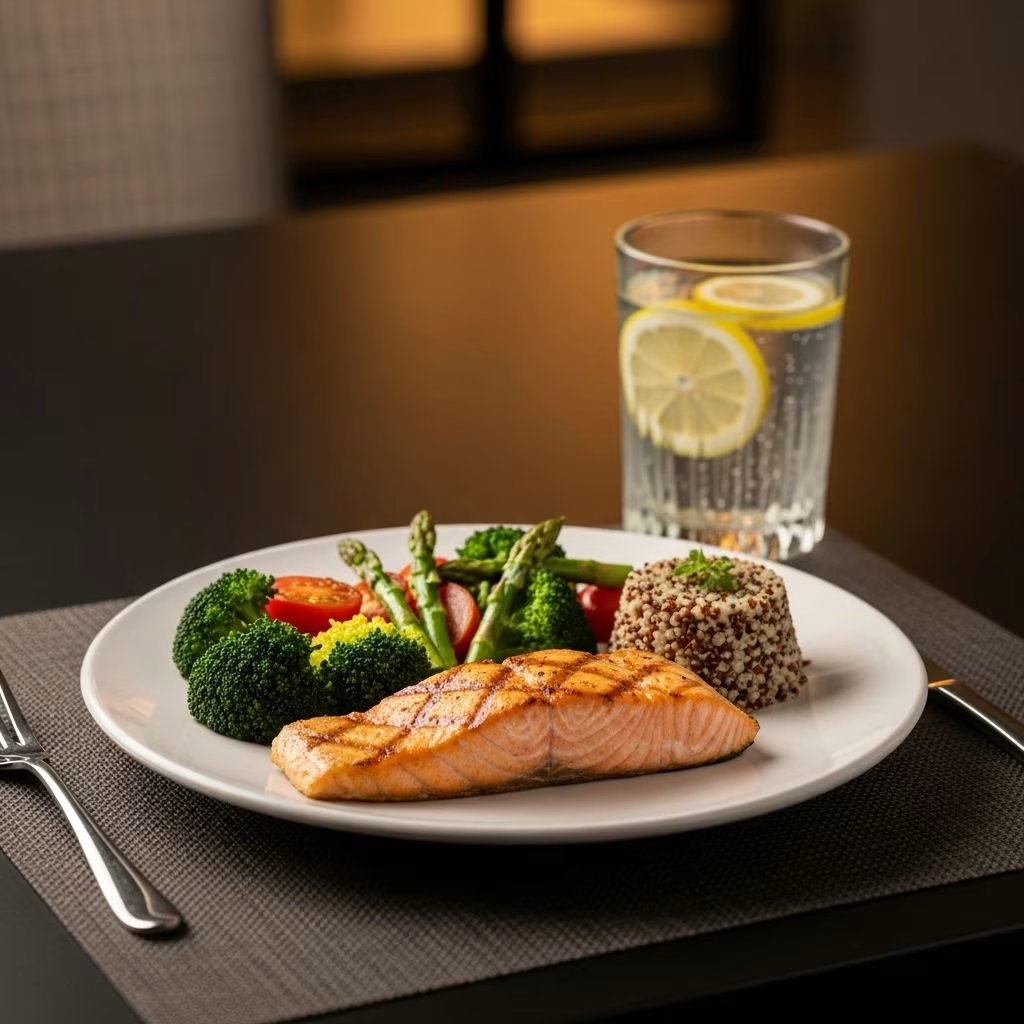
Even if you start strong every morning, the evenings can challenge the healthiest weight-loss intentions. According to nutrition experts, nighttime eating—and other common after-dark habits—could be sabotaging your goals. It’s harder to resist comfort snacks while streaming your favorite shows or scrolling social feeds, yet research confirms what you do after 6 p.m. can directly impact weight regulation, sleep quality, and next-day cravings. From modifying your meal timing to rethinking your relaxation routines, here are six practical, science-backed strategies that help you lose weight and feel better—no matter what time it says on the clock.
Why Evenings Matter for Weight Loss
For many, the day starts with healthy habits: energizing breakfasts, balanced lunches, and lunchtime workouts. But after 6 p.m., routines often slip. You may find yourself unwinding with a glass of wine, grazing mindlessly, or indulging in high-calorie comfort foods. Nighttime is when our activity levels decline and our body’s energy requirements decrease. This combination of lower caloric needs and easier access to temptations increases the risk of overeating, making it the riskiest period for weight gain.
“At night, we tend to do minimal activity, so we don’t need as many calories as we did during the day. Excess consumption of calories at night may result in weight gain, poor sleeping, or indigestion,” says registered dietitian Sarah Koszyk.
1. Follow the 30% Rule for Dinner
Nutritionists recommend that your dinner should not be the largest meal of your day. Instead, follow the “30% Rule”: dinner should make up only about 30% of your total daily calorie intake. For a 1,200-calorie plan, dinner would be just 360 calories.
- Focus on portion control in the evening; avoid piling up your plate.
- Fill at least half of your plate with non-starchy vegetables—they’re high in nutrients and fiber, and help keep you satisfied.
- Make lean protein and whole grains supporting actors, not the stars, of your plate.
If you’re not interested in tracking calories, remember this basic principle: dinner should feel lighter than breakfast or lunch. Your body needs less energy before sleep, so give it less to process.
2. Swap Nighttime Eating for Mindful Activities
“Eating at night can become an emotional habit—a way to unwind or soothe stress after a long day,” explains Koszyk. Instead of defaulting to food, try engaging in hands-on, calming activities that occupy your mind and time, making it easier to break the association between downtime and snacking.
- Adult coloring books are a relaxing, creative way to de-stress and distract from cravings.
- Your favorite hobbies—whether knitting, puzzles, journaling, or even simple stretching—can provide similar benefits.
- Designate a “wind-down” hour with no screens or snacks to signal to your body it’s time to rest.
3. Choose Naturally Sweet Alternatives
If you crave something sweet after dinner, opt for healthy swaps that satisfy your sweet tooth without derailing your progress. One creative preference: frozen grapes. They are naturally sweet, offer a cool texture, and are portion-controlled—making overeating less likely.
- The icy texture of frozen grapes slows down your eating, giving your brain time to register fullness.
- Other simple substitutes: a bowl of fresh berries, a baked apple with cinnamon, or a single square of dark chocolate paired with herbal tea.
- Keep tempting, high-sugar packaged desserts out of the house to avoid willpower battles late at night.
4. Chase Wine (or Cocktails) with Water
Unwinding with a glass of wine is a common evening ritual, but alcohol can add up fast in calories and weaken self-control around food. If you do have a drink, make it a rule to alternate every glass of alcohol with a glass of water.
- Water helps counteract alcohol’s dehydrating effects and may lessen hangover symptoms.
- Alternating drinks slows down your overall alcohol intake and naturally cuts down on empty calories.
- Try naturally flavored sparkling water or herbal teas if you’re winding down but want a “treat” feeling without alcohol.
5. Stay Active with Evening Productivity
Nighttime activities don’t have to mean Netflix marathons. Staying a little active after dinner can boost calorie burn, improve digestion, and keep your mind off snacking. Aim for a short walk, light chores, or stretching—even modest movement is beneficial.
- Do chores you might otherwise save for the weekend, like laundry, organizing, or quick clean-up rounds.
- A post-dinner walk—even just 10–15 minutes— has research-backed benefits for blood sugar and digestion.
- Use commercial breaks or set reminders to stand up and move, breaking up sedentary screen time.
6. Skip Late-Night Eating and Practice Restful Bedtime Habits
Your evening routine has a major impact not only on weight but on how you sleep and feel the next day. According to multiple studies, adequate sleep is a key driver of weight loss. The more rested you are, the better you manage hunger hormones and resist nighttime cravings.
- Head to bed at a consistent hour, aiming for 7–9 hours of sleep per night to optimize fat metabolism.
- If you need a bedtime snack, keep it light: choose a protein-rich option like Greek yogurt or a small piece of cheese, which promotes muscle building overnight.
- Avoid heavy or sugary foods late at night which can disrupt sleep and digestion.
Table: Better Choices for After 6 PM
| Common Evening Habit | Recommended Swap | Why It Helps |
|---|---|---|
| Large, late dinner | Light dinner (30% of calories) with lots of veggies | Reduces total intake, improves digestion at night |
| Mindless snacking during TV | Mindful activities (coloring, puzzles) | Breaks habit loops and reduces emotional eating |
| Sugary desserts | Frozen grapes, berries, healthy fruit snacks | Satisfies sweet craving, provides fiber |
| Multiple alcoholic drinks | Alternate alcohol with water | Lowers calorie intake, supports hydration |
| Being sedentary after dinner | Chores, brief walk, stretching | Burns extra calories, improves blood sugar |
| Irregular bedtime, late-night eating | Consistent bedtime, protein snack if needed | Regulates metabolism, supports muscle growth |
Top Tips for Evening Weight Loss Success
- Eat dinner 2–3 hours before bedtime to give your body time to digest and stabilize blood sugar.
- Plan evening routines that don’t revolve around food—find other relaxing, screen-free ways to wind down.
- Drink water before and during dinner to help curb unnecessary snacking or second helpings.
- Avoid sugary beverages and diet sodas; stick with water or unsweetened teas in the evenings.
- Prioritize sleep hygiene: cool, dark room, consistent bedtime, and no electronics an hour before sleep.
Frequently Asked Questions (FAQs)
Q: Why is late-night eating linked to weight gain?
A: Our bodies require fewer calories as we become less active later in the day. Eating extra calories at night—when your body is winding down—can lead to weight gain because you’re not burning off the energy as efficiently.
Q: Is it bad to eat after 6 PM if I’m hungry?
A: Not inherently, but your focus should be on what you eat and how much. Opt for small, balanced snacks that are high in protein or fiber and low in sugar. Keep portions modest to support restful sleep and avoid overconsumption.
Q: Can drinking water really help reduce nighttime cravings?
A: Yes. Thirst can sometimes be mistaken for hunger, especially in the evening. Drinking water before and after meals can help you feel full and reduce the urge to snack unnecessarily.
Q: How important is sleep for weight loss?
A: Sleep is critical. People who get adequate, quality sleep lose more fat and have better control of hunger hormones. Poor sleep increases cravings and makes it harder to resist late-night eating.
Q: What are some non-food ways to relax and avoid emotional eating?
A: Activities like coloring, reading, gentle stretching, deep breathing, or journaling can help you wind down without turning to food for comfort. The key is to engage your mind and body in calming routines that do not revolve around snacking.
Final Thoughts
While your after-6 p.m. habits can make or break your results, you don’t have to overhaul your entire routine overnight. Start with one or two of these nutritionist-approved strategies, build consistency, and soon your evenings will become powerful allies in your weight-loss journey. Remember, the ultimate goal isn’t just to eat less, but to live—and rest—better.
References
- https://www.prevention.com/food-nutrition/healthy-eating/a65221143/best-time-of-day-to-eat-dinner/
- https://www.prevention.com/weight-loss/g20500524/how-to-lose-weight-after-6pm/
- https://www.prevention.com/weight-loss/g20435175/bedtime-habits-for-weight-loss/
- https://www.prevention.com/weight-loss/a30188568/lose-weight-without-exercise-0/
- https://www.prevention.com
- https://www.prevention.com/weight-loss/a20500235/intermittent-fasting/
- https://www.prevention.com/weight-loss/g20496057/6-ways-to-lose-weight-without-feeling-hungry-all-the-time/


