


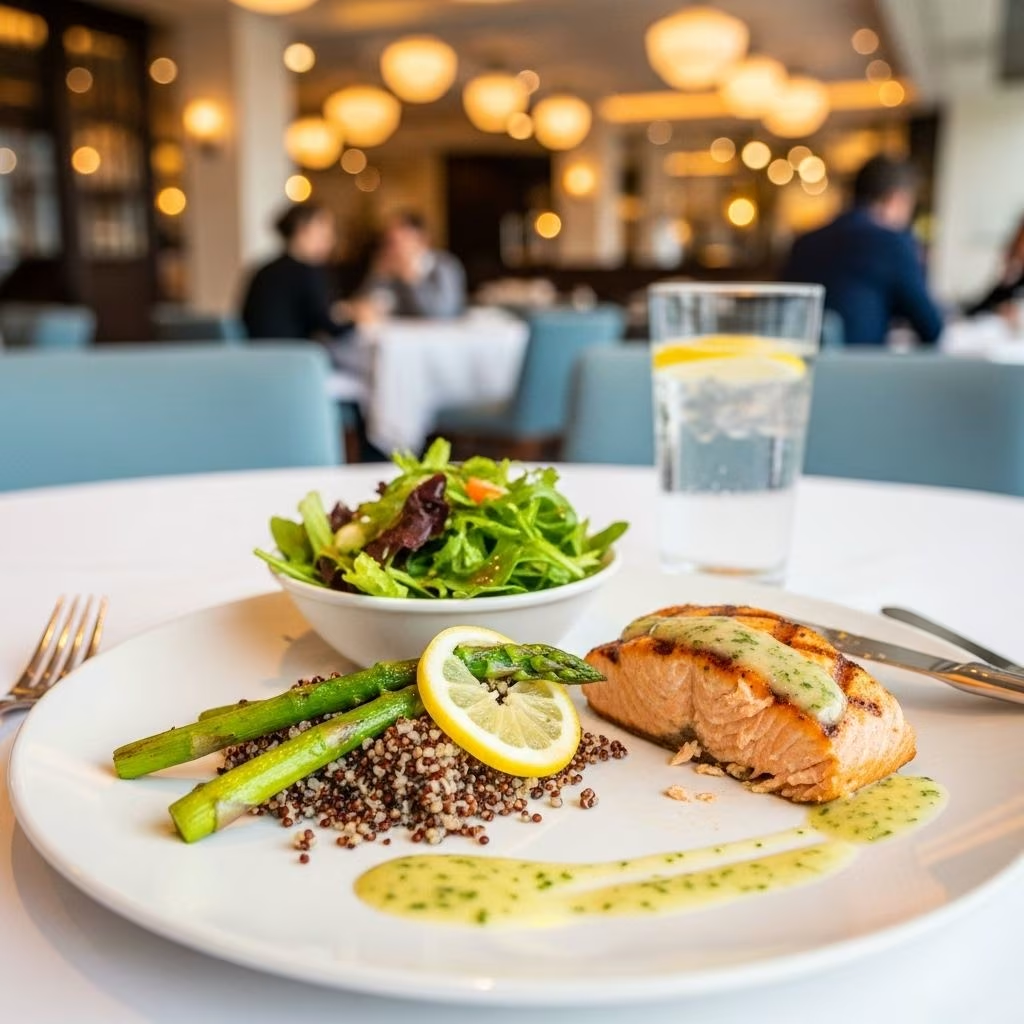
Eating at restaurants is a beloved part of modern life, from family gatherings to business lunches and special celebrations. Yet dining out can feel like the enemy of your weight-loss journey, notorious for oversized portions and calorie-dense fare. The good news? With evidence-backed strategies and a mindful approach, you can enjoy restaurant meals and protect your progress. This guide reveals how to navigate restaurant temptation, make confident choices, and savor your food—without the guilt or setback.
Why Restaurant Eating Can Derail Weight Loss
Dining out is linked with higher daily calorie intake, more saturated fat, and increased sodium consumption compared to eating home-cooked meals. The reasons are clear:
- Portions at restaurants are often much larger than recommended serving sizes.
- Entrées may be packed with hidden fats, oils, and sugars.
- Ambiance and social pressure can distract you from recognizing fullness cues.
- Free appetizers and bottomless drinks pile on extra, unplanned calories.
But eating out need not sabotage your weight-loss efforts. With smart strategies and a bit of planning, you can make restaurants work for you.
Choose Cooking Methods Wisely
One of the most powerful steps is to focus on how food is prepared. Opt for meals that are:
- Baked
- Steamed
- Grilled
- Broiled
- Poached
These methods use less added fat and retain more nutrients than fried or sautéed dishes. Avoid menu items described as “crusted,” “stuffed,” or “fried.” Even healthy proteins like chicken lose their benefits when they’re battered and deep-fried or loaded with creamy sauces.
Be Sauce and Dressing Savvy
Restaurant chefs love to blanket vegetables and proteins with creamy or oily sauces. To keep control of calories and taste your food’s real flavors:
- Ask for sauces and dressings on the side.
- Use the “dipping fork” method: dip your fork in the sauce, then spear your food. This gives you flavor with much less sauce.
- Substitute calorie-heavy dressings or toppings (like sour cream, butter, or cheese) with salsa—a flavor-packed, low-calorie alternative that works on eggs, potatoes, fish, and chicken.
Portion Control: Your Secret Weapon
Restaurant portions can be two to three times larger than true serving sizes. Take control with these easy tricks:
- Order a takeout container at the start of your meal. Before digging in, place half of your food in the container to take home. You’ll eat less now and have delicious leftovers for another meal.
- Share entrees, appetizers, or desserts with your dining partner.
Not only does this cut calories, but it also stretches your food budget further.
Don’t Be Afraid to Request Healthy Modifications
Restaurants are in the service business. Asking for changes is not only acceptable—it’s often expected. Consider these custom orders:
- Swap fries or mashed potatoes for double veggies or a salad.
- Request no added butter, oil, or cheese.
- Ask for meat or seafood to be grilled rather than breaded and fried.
- Request whole grains: order brown rice, quinoa, or whole wheat bread instead of white rice or rolls.
Most restaurants are happy to accommodate reasonable requests, especially when framed politely.
Watch Out for Hidden Liquid Calories
More than ever, drinks are a stealthy source of extra calories:
- Restaurant soft drink servings are typically 16–24 ounces, and free refills are common—potentially adding up to more than 400 calories.
- Alcoholic drinks are often sugary and calorie-laden, and cocktails like margaritas or piña coladas can contain over 300 calories each.
- Even specialty coffee drinks can surprise you, sometimes packing more calories and fat than a slice of pizza.
Stick to water, unsweetened tea, or black coffee. If you enjoy a cocktail, alternate with water and savor each sip slowly.
Opt for Whole Grains and Flavor Boosters
Many side dishes are heavy on refined carbs and fats. Ask for options like:
- Brown rice or quinoa instead of white rice or fries.
- Dishes flavored with fresh herbs and spices rather than butter or oil.
- Citrus juice, salsa, or vinegar for bright, calorie-free flavor.
This approach helps keep your meal fiber-rich, filling, and lower in empty calories.
Smart Approaches to Dessert
You don’t have to skip dessert for weight-loss success, but portion is everything:
- Share dessert with fellow diners; sometimes just a few bites satisfy your sweet tooth.
- If you’re dining solo, choose lighter fare, such as fresh fruit, berries, or a small sorbet.
Remember, it’s not about deprivation—it’s about enjoying modest portions that don’t derail the rest of your meal.
The Dangers of All-You-Can-Eat Buffets
Buffets and unlimited specials may sound like a value, but they’re a minefield for anyone watching calories. Research shows diners at buffets tend to eat up to 25% more compared to à la carte settings, simply because they want to “get their money’s worth”. This often adds up to unnecessary calories and veers your meal off course.
Make Mindful Choices: Practical Day-of Strategies
1. Don’t “Save Up” Calories
A common mistake is to eat less during the day in anticipation of a large restaurant meal. This often backfires, leaving you ravenous and prone to overeating bread, appetizers, or dessert. Instead, keep your regular eating pattern, and approach dinner with a normal appetite.
2. Order First and Stick With Your Choice
If you order last, you may be swayed by what others choose—especially if their picks are rich or indulgent. Decide what you want in advance, order promptly, and set your intention for a healthy meal.
3. Control the Environment When Possible
Studies show that eating in quieter, softly lit environments helps diners consume fewer calories. Don’t hesitate to ask for the music to be turned down, or pick tables farther from bustling kitchens or noisy dining rooms.
4. Stay Away from the Snacking Trap
The innocent-looking breadbasket or free chips and salsa can pile on hundreds of calories before the main course arrives. If you find them irresistible, ask your server to remove them.
5. Turn Appetizers Into Your Meal
Appetizer portions are often closer to correct serving sizes, especially when you stick to healthy choices:
- Steamed shrimp cocktail
- Grilled vegetables
- Broth-based soups
- Salads without cheese or creamy dressings
You can pair a healthy appetizer with a salad to make a filling, lower-calorie meal. Avoid fried or cheese-laden starters.
6. Salad Strategies
Salads can be a weight-loss win—but beware of calorie bombs like cheese, bacon bits, and heavy dressings. Build your salad around:
- Plenty of greens and vegetables
- Lean proteins, such as grilled chicken, beans, or shrimp
- Vinaigrette or balsamic dressings on the side
Always ask for extras like dressing, croutons, and cheese to be served on the side—and use sparingly.
Menu Sleuthing and Balanced Plates
With a bit of menu detective work, you can spot the healthiest options even in calorie-heavy establishments. Here’s how:
- Scan the menu in advance online and plan your order.
- Look for dishes described as “fresh,” “grilled,” “roasted,” or “herb-seasoned.”
- Aim for a balanced plate: half veggies, a quarter lean protein, a quarter whole grains or starch.
Don’t be afraid to ask the kitchen to modify dishes to fit your needs.
How Restaurants May Encourage Overeating
It’s not just what’s on your plate, but the whole environment that can promote overeating. Restaurants may:
- Serve calorie-dense, hyper-palatable foods for profitability
- Increase portion size to enhance value perception
- Encourage social eating, which can distract from fullness signals
- Tempt you with visually enticing desserts and large drinks
Awareness and preparation are your best tools for enjoying your meal while controlling your intake.
Frequently Asked Questions (FAQs)
How can I handle pressure to order appetizers or dessert when dining with friends?
Suggest sharing, so everyone gets a taste without overindulging. You can also be honest about your goals, or offer to choose a healthier option for the group.
Is it rude to ask for substitutions or custom orders at a restaurant?
No—most restaurants appreciate knowing your preferences. Frame requests politely and be specific (e.g., “Can I have grilled chicken with no sauce and double veggies?”).
What should I do if I’ve already overeaten at a restaurant?
Don’t dwell on one meal. Refocus on your next meal and add extra movement during the day—planning ahead for future outings helps too.
Should I avoid eating out altogether while trying to lose weight?
Absolutely not. Dining out can fit into a weight-loss plan with smart choices, portion awareness, and assertive ordering.
Are there healthier options at fast food restaurants?
Yes! Many chains now offer salads, grilled proteins, fruit cups, and whole grain sides. Check nutrition facts online and order as simply as possible (for example, grilled chicken sandwiches without mayo).
Key Takeaways: Dining Out and Losing Weight
- Choose meals prepared with low-fat cooking methods such as grilling, steaming, or broiling.
- Ask for sauces and dressings on the side, and use them sparingly.
- Control portion size by boxing half your meal or sharing dishes.
- Opt for whole grains, fresh herbs, and flavorful calorie-free boosters.
- Watch liquid calories—water is always a safe bet.
- Order modifications respectfully; restaurants want happy, returning customers.
- Steer clear of buffets and free breadbaskets if you find them hard to resist.
- Don’t miss out—find joy and satisfaction in smart choices and mindful eating.
By combining these time-tested strategies, you can confidently eat out, enjoy every bite, and stay on the path to your weight-loss goals—one delicious meal at a time.
References
- https://www.prevention.com/weight-loss/a20433312/weight-loss-and-restaurants/
- https://www.prevention.com/weight-loss/a20465396/prevent-overeating-at-restaurants/
- https://www.prevention.com/weight-loss/g20461571/how-to-eat-healthy-at-a-restaurant/
- https://www.prevention.com/weight-loss/a20434327/weight-loss-tips-cut-calories-at-restaurants/
- https://www.prevention.com/food-nutrition/healthy-eating/g19601242/healthy-fast-food-options/
- https://www.prevention.com/food-nutrition/healthy-eating/a65664887/ultra-processed-foods-weight-loss-gut-health-study/
- https://www.prevention.com/weight-loss/
- https://www.prevention.com/weight-loss/a20452542/healthy-restaurant-eating/
- https://www.prevention.com/weight-loss/g20494462/eating-habits-for-weight-loss/
- https://www.prevention.com/weight-loss/g20438484/i-photographed-everything-i-ate-for-a-month/


