


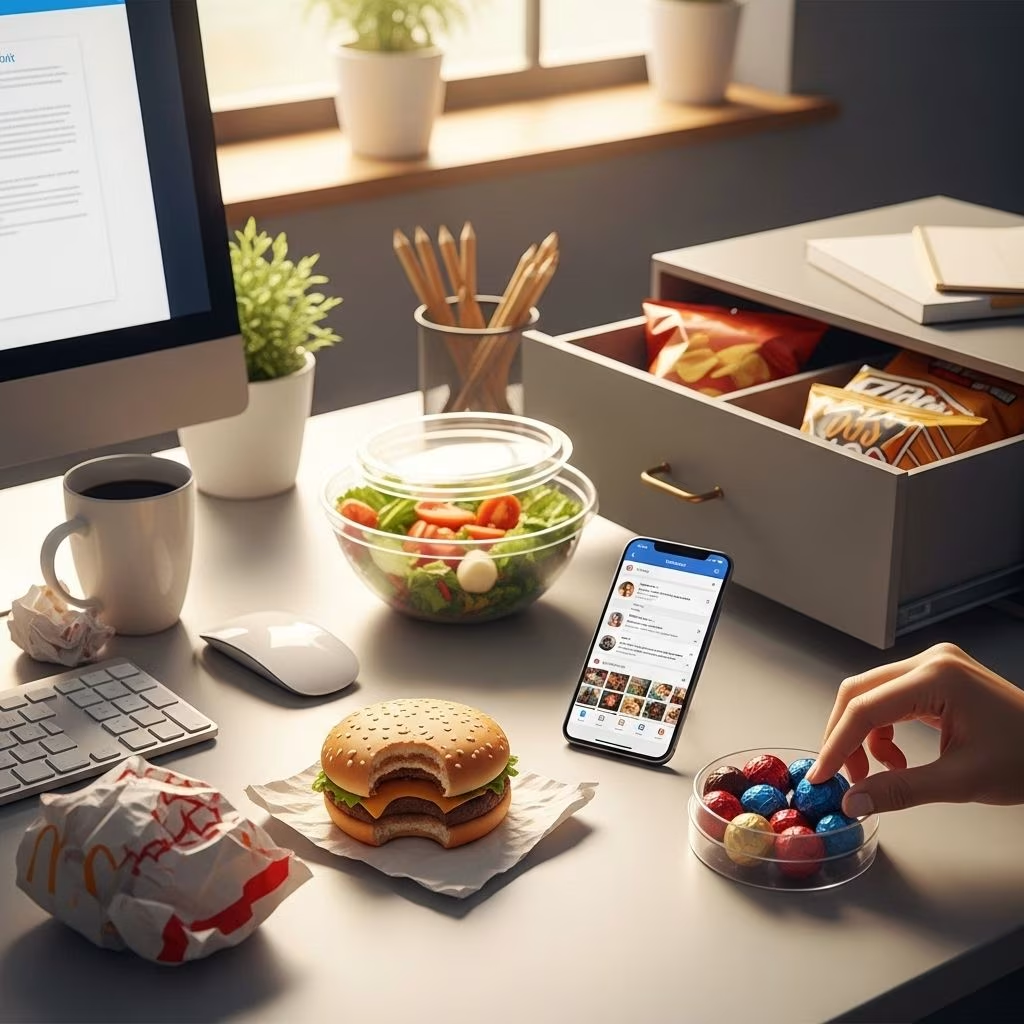
8 Common Eating Mistakes at Work and Practical Solutions
Most professionals spend the bulk of their waking hours at work, making the office environment a powerful influence on daily eating habits. Unfortunately, certain routine behaviors at work can quietly sabotage even the best efforts at healthy eating, leading to weight gain, afternoon energy crashes, and decreased productivity. Uncover the most prevalent eating pitfalls in the workplace, the science behind their impact, and expert-backed solutions to help you regain control over your health at your desk.
Overview: Why Office Eating Habits Matter
The modern workplace is often filled with hidden obstacles to good nutrition—from hurried mornings and endless snack temptations to poor lunch routines and mindless munching at our desks. Addressing these challenges can result in better well-being, sharper focus, and even weight management benefits. Below, we reveal the workplace habits most likely to steer you off track—and actionable strategies to overcome each one.
1. Skipping Breakfast to Get to the Office Early
While arriving early can boost work performance, doing so at the cost of breakfast is a major misstep. Nutritionist Rania Batayneh, MPH, warns that bypassing your first meal leads to low energy and intensified cravings mid-morning—which often result in poor snack choices like pastries or sugary coffee drinks.
- Common scenario: Rushing out the door, you skip breakfast or only grab a coffee.
- Downside: You’re more likely to raid the break room or snack impulsively later in the day.
Solution: Prepare a quick, balanced meal at home (examples: scrambled eggs with vegetables and whole grain toast; oatmeal with berries and nuts). If you can’t eat at home, pack portable options like a low-sugar granola bar, two hard-boiled eggs, and fruit. Set your alarm 10 minutes earlier if needed—fueling your body is worth it for sustained productivity.
2. Giving In to the Office Candy Bowl
Grabbing occasional treats from a coworker’s candy dish may feel harmless, but these calories accumulate quickly. Nutritionist Robin Plotkin, RDN, notes that having three mini candy bars a day can add more than 1,200 extra calories a week—enough to gain a pound of body fat every two months.
- Common scenario: You automatically reach for chocolate or sweets during the workday without thinking.
- Downside: Mindless snacking becomes a habit, and calories pile up unnoticed.
Solution: Pause and assess what’s prompting you: Are you bored, stressed, or genuinely hungry? If social connection is the trigger, try chatting with your coworker over tea instead. If it’s a true craving, keep healthier snacks at hand—like roasted nuts or a piece of fruit—to reduce reliance on refined sugar.
3. Eating Lunch at Your Desk (‘Al Desko’)
Many desk-bound professionals eat lunch while working, often believing it saves time. However, multitasking while eating makes you less aware of your intake and more likely to overeat. Batayneh’s research shows that distracted eating can blunt your internal cues for fullness.
- Common scenario: You open your inbox while eating lunch, barely tasting your food.
- Downside: Overeating and feeling less satisfied, leading to afternoon snacking.
Solution: Whenever possible, step away from your desk for meals—outside if weather permits. If leaving isn’t possible, try dividing your lunch in half: Eat one portion now, save the rest for a mindful, screen-free afternoon break. This not only supports portion control but also helps reset your energy for the rest of the day.
4. Mindless Grazing Between Meals
The modern office is often awash in snacks—candy bowls, vending machines, and treats from colleagues. Because these snacks are small, it’s easy to overlook the impact of these extra calories.
- Common scenario: You nibble on candy, chips, or pastries throughout the day.
- Downside: Calorie intake quickly exceeds your needs, undermining your goals.
Solution: Bring in healthy snacks you genuinely enjoy, such as tamari-roasted almonds, dark chocolate, or cut veggies. Keeping nutritious options at your desk reduces the urge to partake in the office junk food supply. Try keeping a snack log for a week; increased awareness may cut mindless eating by half.
5. Over-Restricting All Day, Then Overeating at Night
Strictly limiting calories while at work often backfires, leading to evening bingeing. According to Dr. Dean Ornish, deprivation during the day sets up a cycle of intense cravings once you’re home, making it easy to lose control after dinner.
- Common scenario: Small lunch and snacks at work, big meals and desserts after hours.
- Downside: Increased nighttime overeating, disrupted sleep, and difficulty keeping a healthy weight.
Solution: Eat well-balanced, satisfying meals and snacks during the day. Start with a nourishing breakfast (like steel-cut oats or Greek yogurt), balanced lunch (protein, complex carbs, healthy fats), and enjoy treats mindfully. Try “chocolate meditation”: savor a small, high-quality chocolate slowly for maximum satisfaction with fewer calories.
6. Snacking Heavily Before Dinner
Arriving home from work ravenous often leads to snacking on whatever is easiest—sometimes before you even start preparing dinner. This habit can derail your health goals and increase calorie intake significantly.
- Common scenario: Eating chips, cookies, or snack foods while making dinner.
- Downside: Meal portions increase, and you consume more calories than intended.
Solution: Make a plan for healthy snacking—pack a small, nutritious snack to have during your commute if needed (such as an apple, a handful of cashews, or half a whole wheat sandwich). If cravings strike while cooking, opt for sliced raw veggies like sugar snap peas. Fast, healthy meal prep ideas (like rotisserie chicken with microwaveable veggies) help minimize excessive snacking before meals.
7. Working from Home & Unstructured Eating
Remote work can blur the boundaries between meals and snacks, making it tempting to wander into the kitchen throughout the day. The lack of routine, combined with easy food access, encourages frequent grazing.
- Common scenario: Snacking while on calls, checking emails, or in between tasks at home.
- Downside: Constant eating without true hunger cues, leading to weight gain and sluggishness.
Solution: Keep a detailed food and activity journal, noting every snack and meal. This can reveal unconscious habits and motivate positive change. Avoid eating anywhere but the kitchen table—even if you’re just having a snack. Limit distractions such as TV or phones, which encourage overeating.
8. Falling for Your Kids’ Snack Habits
Parents often adopt their children’s snacking routines—grabbing processed, sugary foods meant for kids. These calorie-dense foods are digested quickly, leaving you hungrier soon after.
- Common scenario: Eating Pop-Tarts, cookies, or chips with children while helping with homework.
- Downside: Rapidly digested, high-sugar snacks spike and crash energy, increase hunger, and add empty calories.
Solution: Replace highly processed kiddie snacks with healthier, family-friendly options. Try fresh fruit like grapes or berries, or air-popped popcorn with a sprinkle of Parmesan. These choices provide fiber and water to keep you feeling satisfied longer.
Summary Table: Common Office Eating Mistakes & Solutions
| Mistake | Why It Happens | Solution |
|---|---|---|
| Skipping Breakfast | Rushing to work, underestimating importance | Prepare quick, balanced meal at home or on-the-go |
| Desk Snacking on Candy | Boredom, habit, social triggers | Pause and assess your needs, keep healthy snacks nearby |
| Eating Lunch at Desk | Multitasking, work demands | Step away from desk, try half-now-half-later for portion control |
| All-day Restriction, Night Overeating | Over-dieting, busy schedule | Eat balanced meals/snacks, savor small indulgences |
| Mindless Grazing | Office snacks everywhere, stress, distraction | Bring preferred healthy snacks, keep a food log |
| Unstructured Eating at Home | Lack of routine, easy food access | Eat only at the table, maintain a schedule |
Tips for Mastering Mindful Eating at Work
- Keep healthy snacks visible (fresh fruit, nuts, yogurt) and move treats out of sight.
- Plan your meals and snacks at the start of the week to reduce impulse decisions.
- Set calendar reminders for lunch and breaks to avoid mindless desk-eating.
- Drink water regularly—thirst is often misinterpreted as hunger.
- Prioritize real breaks away from the screen for meals and snacks to enhance satisfaction and focus.
Frequently Asked Questions (FAQs)
Q: Why do I overeat at work even when I’m not hungry?
A: Many workplace overeating triggers are psychological—stress, boredom, or social cues—rather than genuine hunger. Keeping a log of your emotions and snacking habits can help you identify patterns and choose healthier alternatives.
Q: What are the best snacks to keep at my desk?
A: Great desk snacks include unsalted nuts, Greek yogurt, cut vegetables, whole fruits, and single-serving packets of nut butters. These provide lasting energy and reduce temptation to grab from communal snack supplies.
Q: Should I eat several small meals at work, or stick to three main meals?
A: The best approach depends on your hunger and work demands. Balanced, scheduled meals help prevent extreme hunger and impulse eating, while nutritious snacks can be helpful if your workdays are long or unpredictable.
Q: How do I politely decline unhealthy treats that coworkers offer?
A: Thank your coworker graciously and explain that you’re following a new eating routine or aiming to feel energized for the rest of the day. Having a polite, consistent response helps avoid awkwardness.
Q: Are there strategies for avoiding mindless eating during stressful workdays?
A: Yes—try alternate stress relief methods, such as stepping outside for fresh air, doing a brief stretch, or keeping herbal tea at your desk. These can help manage stress without the unintended calories.
If you consistently implement these strategies and foster greater awareness of your eating routines, you can transform your workplace environment from a source of dietary stress to a stronghold of wellness and productivity.
References
- https://www.prevention.com/weight-loss/a20470409/weight-loss-mistakes-youre-making-at-work/
- https://www.prevention.com/weight-loss/a20435818/eating-mistakes-leading-to-weight-gain/
- https://www.prevention.com/weight-loss/a20491224/bad-eating-habits-how-to-fix-major-eating-mistakes/
- https://www.prevention.com/weight-loss/g20498928/mistakes-that-sabotage-weight-loss/
- https://www.prevention.com/weight-loss/a20442410/why-your-diet-is-not-working/
- https://www.prevention.com/health/a20475685/worst-morning-habits/
- https://www.prevention.com/weight-loss/g20494462/eating-habits-for-weight-loss/
- https://www.prevention.com/health/g20436594/7-everyday-mistakes-that-make-you-age-faster/
- https://www.prevention.com/weight-loss/g20504644/10-mistakes-when-starting-a-diet/
- https://www.prevention.com/weight-loss/a20441163/common-weight-loss-mistakes/


