


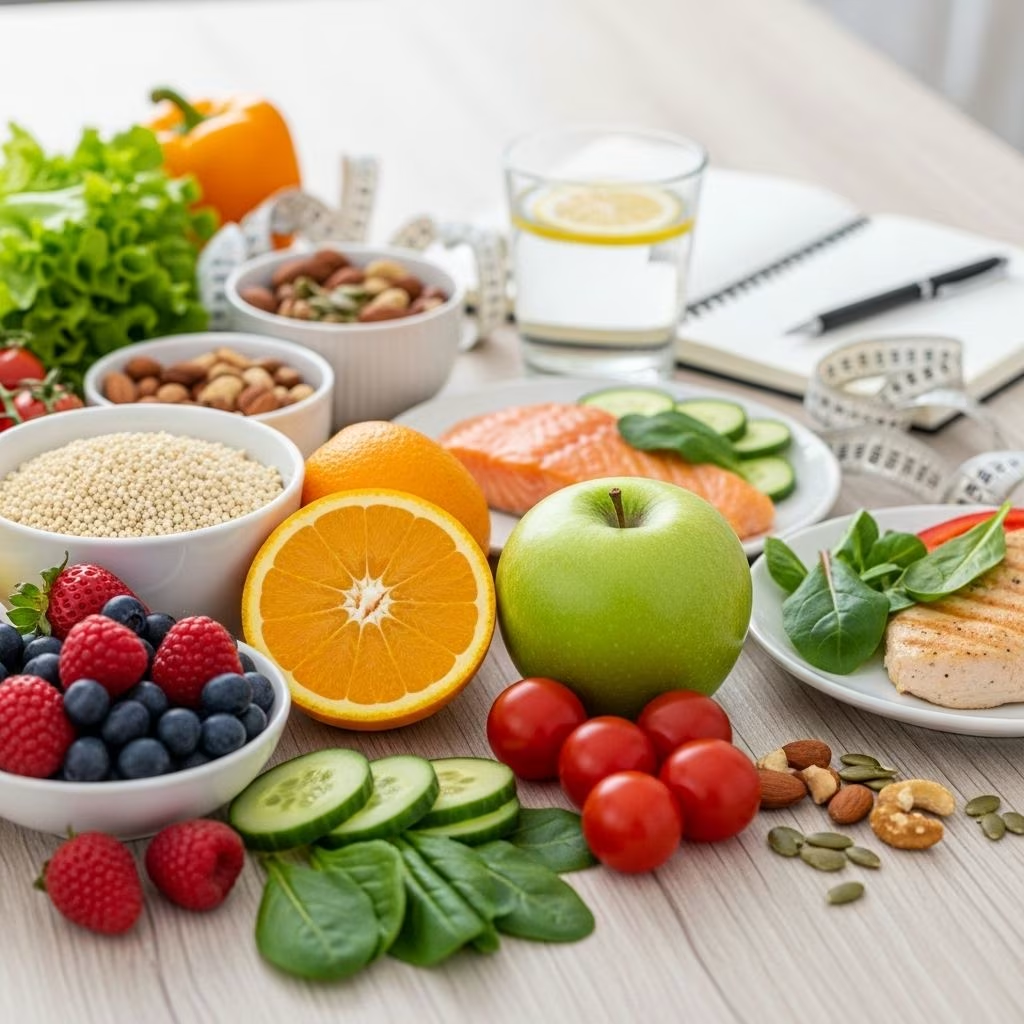
How to Lose Weight Naturally: Expert-Backed Healthy Eating Strategies
Losing weight and keeping it off are best achieved through science-backed healthy eating habits and lifestyle changes rather than quick fixes or extreme diets. This guide breaks down the most effective, sustainable strategies for natural weight loss, emphasizing nourishing your body, building lasting habits, and cultivating a positive relationship with food.
Know That You Don’t Have to Be Thin to Be Healthy
First, it’s important to recognize that health comes in many shapes and sizes. Well-being isn’t defined by a number on the scale. Focusing on how food affects your energy, mood, and long-term health—rather than pursuing thinness at any cost—can help you adopt sustainable, healthy eating habits that nourish both your body and mind.
Key Nutrition Principles for Lasting Weight Loss
The foundation of healthy weight loss is feeding your body the nutrients it needs while creating a modest calorie deficit. Rather than following extreme restrictions, prioritize:
- Eating more whole, minimally processed foods like vegetables, fruits, whole grains, lean proteins, and healthy fats.
- Balancing macronutrients—protein, fat, and carbs—at every meal for satiety and steady energy.
- Minimizing added sugars, sugary beverages, and excess refined grains.
- Being mindful of portion sizes and eating with awareness of your hunger and fullness cues.
Embrace a Mindful Eating Mindset
Learning to eat slowly and tune in to your body’s natural signals can help prevent overeating and make meals more satisfying. Techniques like sitting down for meals, putting away screens, and savoring each bite encourage mindfulness and help foster a positive relationship with food.
Increase Your Intake of Fiber-Rich Foods
Fiber is a powerful nutrient for overall health and weight loss. Foods high in fiber can:
- Expand in your digestive tract to help you feel full longer
- Support metabolic and cardiovascular health
- Encourage growth of gut-friendly bacteria that regulate appetite and digestion
Great sources of fiber include:
- Vegetables (leafy greens, broccoli, carrots, Brussels sprouts)
- Fruits (apples, pears, berries)
- Legumes (beans, lentils, chickpeas)
- Whole grains (quinoa, brown rice, oats, barley)
- Nuts and seeds (chia, flax, almonds)
Prioritize Protein at Every Meal
Protein is critical for satiety and preserving lean muscle during weight loss. It slows digestion and triggers hormones that signal fullness, reducing the drive to snack between meals. Sources of protein include:
- Lean meats (chicken, turkey, fish)
- Dairy (Greek yogurt, cottage cheese, low-fat milk)
- Plant-based proteins (tofu, tempeh, beans, lentils, peas)
- Nuts and seeds (almonds, walnuts, pumpkin seeds)
Strive to distribute protein intake throughout the day to keep you full and support muscle maintenance.
Don’t Be Afraid of Healthy Fats
Healthy fats (like those in salmon, avocado, olive oil, and nuts) are important for brain health, hormone production, and absorption of fat-soluble vitamins. They also:
- Slow gastric emptying, which enhances feelings of fullness
- Provide sustained energy
- May help reduce inflammation
Include healthy fat sources in your meals, such as:
- Extra virgin olive oil
- Avocados
- Nuts and seeds
- Fatty fish (salmon, sardines, trout)
- Nut butters
Tip: Combining healthy fats with fiber-rich carbs and protein creates the most satisfying meals.
Cut Back on Added Sugar
Although not all sugar is harmful, excessive added sugar intake—especially from drinks and sweets—can:
- Increase calorie intake with minimal nutritional benefit
- Promote fat storage and disrupt metabolism
- Raise the risk of heart disease, diabetes, and other chronic conditions
To reduce your sugar intake:
- Limit sugary beverages such as soda, sweet coffees, and juices
- Check labels for high-sugar foods and choose wisely
- Satisfy cravings with fresh fruit or small portions of dessert enjoyed mindfully
Let Vegetables Take Center Stage
Make non-starchy vegetables the star of your plate. They are low-calorie, high-nutrient, and packed with fiber, vitamins, minerals, and antioxidants. Try:
- Filling half your plate with veggies at lunch and dinner
- Experimenting with different preparations: roasted, grilled, or raw
- Using vegetables as meal bases (zucchini noodles, cauliflower rice, salads)
Consider Your Daily Calorie Allowance
While strict calorie counting isn’t necessary for everyone, being aware of your calorie intake is useful in creating the energy deficit necessary for weight loss. Your needs vary by age, gender, activity level, and goals.
Nutrition experts recommend focusing on:
- Eating balanced meals that satisfy
- Using general portion guidelines instead of obsessive counting
- Choosing mostly whole foods, which are harder to overeat than processed foods
Choose Balanced and Flexible Diets
Research widely supports dietary approaches that emphasize balance, nutrient density, and flexibility—rather than restriction or elimination. The Mediterranean diet and DASH diet are two gold standards:
| Diet | Key Principles | Benefits |
|---|---|---|
| Mediterranean | Emphasizes vegetables, fruits, whole grains, fish, healthy fats, and herbs. Limits red meat and processed foods. | Improves heart health, reduces inflammation, supports weight control. |
| DASH | Similar to Mediterranean but focuses on reducing sodium and balancing blood pressure. | Lowers blood pressure, supports healthy weight, reduces chronic disease risk. |
How to Select a Healthy Eating Pattern
- Seek balance: Choose plans offering a wide variety of foods and food groups.
- Avoid extreme restriction: Steer clear of highly restrictive or very low-calorie diets which can cause rebound weight gain and nutrient deficiencies.
- Say no to “detox” products: Your body naturally detoxifies with a nutritious, whole-foods diet. Skip unproven cleanses and supplements.
- Pace yourself: Sustainable weight loss is gradual, around 0.5–2 pounds per week.
- Prioritize nutrition: Choose foods that offer protein, fiber, vitamins, and minerals—not just calories.
Rethink Your Beverages
Calories from drinks can add up quickly without bringing satiety. Focus on water, unsweetened teas, and black coffee while minimizing soda, sweetened coffees, and energy drinks. Herbal teas and sparkling water can add variety without extra calories.
Map Out Your Health and Wellness Plan
Health is multi-layered; nutrition is just one aspect. Consider all domains:
- Movement: Find enjoyable physical activities to support your goals.
- Sleep: Poor sleep affects hormones that regulate appetite and metabolism.
- Stress management: Practice coping strategies like mindfulness, walking, or meditating.
- Support and accountability: Connect with friends, family, professionals, or online communities who encourage your efforts.
Frequently Asked Questions (FAQs)
What’s the healthiest rate of weight loss?
Experts agree that losing 0.5 to 2 pounds per week is a safe and sustainable rate, supporting long-term success and minimizing muscle loss.
Should I completely avoid all carbs or fats?
No. Both carbohydrates and fats are essential for health, energy, and proper body function. Focus on whole food sources—like whole grains, fruits, and healthy fats—rather than highly processed versions.
Do I need to count calories for weight loss?
While calorie awareness is helpful, obsessively counting every calorie isn’t necessary for most people. Instead, prioritize balanced meals, portion awareness, and whole foods.
What if I have a craving or want dessert?
Occasional treats can and should fit in a balanced diet. Enjoy sweets mindfully in moderate portions without guilt, focusing on savoring the experience.
Are “quick-fix” or “detox” diets effective?
Most rapid weight loss and detox plans are ineffective and unsustainable. They often lack important nutrients and energy, and lead to rebound weight gain. Aim for slow, steady progress.
Essential Takeaways
- Weight loss that lasts comes from nourishing your body, not punishing it.
- Fill your plate with vegetables, fiber, healthy fats, and protein at each meal.
- Reduce added sugar and refined foods, but allow room for flexibility so you enjoy your food.
- Focus on overall health and well-being, not only the scale number.
- Give yourself time. Consistency—rather than perfection—is the key to results.
Resources for Further Support
- Registered dietitians for personalized meal planning
- Community groups or health-oriented forums for accountability
- Books, podcasts, and blogs focused on healthy eating and body positivity
References
- https://www.prevention.com/weight-loss/a43905863/lose-weight-safely/
- https://www.prevention.com/weight-loss/diets/a63174975/best-diets-for-weight-loss-2025/
- https://www.prevention.com/weight-loss/diets/g20440614/25-best-weight-loss-tips-ever/
- https://www.prevention.com/weight-loss/
- https://www.prevention.com/weight-loss/a20442025/how-to-lose-weight-healthy-eating-tips-for-weight-loss/
- https://www.prevention.com/weight-loss/a20439191/how-healthy-fat-helps-you-lose-weight/
- https://www.prevention.com/fitness/a37857801/7-day-weight-loss-preparation-guide/
- https://www.prevention.com/weight-loss/g20494908/how-to-start-losing-weight/
- https://www.prevention.com/weight-loss/diets/a20718413/apple-cider-vinegar-for-weight-loss/


