


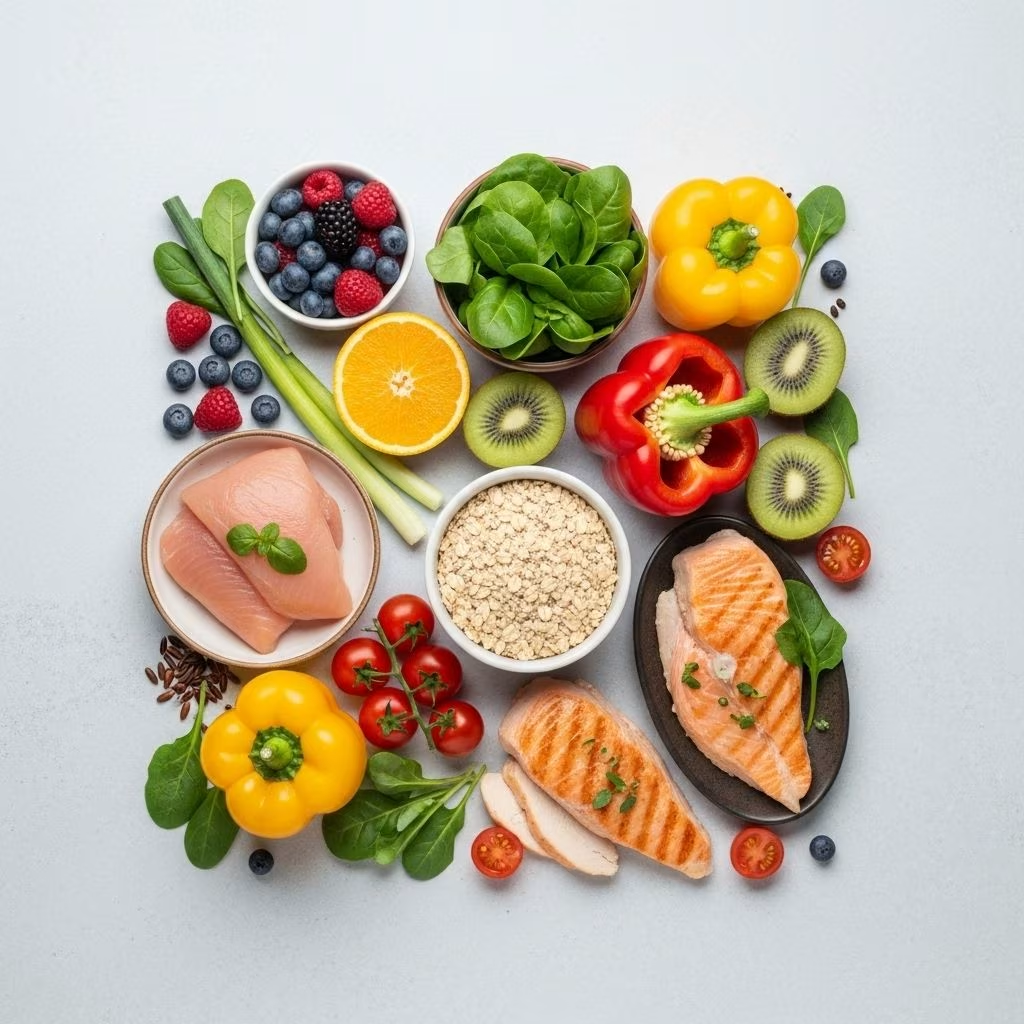
Entering your 40s often means new challenges in keeping off extra weight. Suddenly, pounds that once slipped away with a little effort stubbornly stick around. But with the right knowledge and approach, shedding weight after 40 is absolutely possible. Here’s why the rules change after 40—and what you can do to tip the scales in your favor.
Why Losing Weight Gets Harder After 40
For many, the reality becomes clear in their 40s: losing weight gets tougher. Even those diligent about eating right and staying active may find stubborn pounds clinging—especially around the midsection. But this isn’t about willpower. Several factors work against you as you age:
- Metabolic slowdown: Your basal metabolic rate (BMR)—the calories your body burns at rest—drops with age, making it easier to gain pounds if you don’t adjust your habits.
- Decreased muscle mass: Starting in your 30s, you naturally begin to lose muscle, the body’s primary calorie-burning tissue. You lose about half a pound of muscle per year after 30, and this rate can double after 50.
- Hormonal changes: For women, perimenopause and menopause bring lower estrogen levels, which can lead to increased fat storage, especially around the abdomen.
- Lifestyle factors: Family, work, and social obligations leave less time for exercise, food prep, and restful sleep.
Despite these hurdles, experts emphasize that weight loss after 40 isn’t just about deprivation. It’s about smarter, not necessarily harder, choices.
Understanding Your Changing Metabolism
Your metabolism naturally slows as you age, but it’s not just about calories in, calories out. After 40:
- Loss of muscle mass (sarcopenia) means fewer calories burned at rest.
- Shifting energy needs mean you require fewer daily calories to maintain weight.
- Hormonal shifts affect how and where your body stores fat.
Muscle matters: muscle burns more calories than fat, even at rest. A woman who has lost 15 pounds of muscle by her late 50s could gain nearly the same amount in fat, leading to unwanted weight gain and a puffier midsection. This not only affects appearance, but also increases risks for diabetes, heart disease, and more.
Calories: How Much Do You Need After 40?
As you age, the number of daily calories you need drops. Yet, many continue eating the same amount they did decades earlier.
| Age | Recommended Daily Calories (Women, Sedentary) | Recommended Daily Calories (Men, Sedentary) |
|---|---|---|
| 30 | ~1,800 | ~2,400 |
| 40 | ~1,800 | ~2,200 |
| 50+ | ~1,600 | ~2,000 |
Note: These are averages. Individual needs vary by activity level, genetics, and muscle mass.
The bottom line: Slowly reducing total calorie intake (not extreme cuts!) is essential as your metabolism slows. Balance this with smarter food choices and increased activity.
Rethinking Food: Quality Over Quantity
Focusing solely on calorie counting isn’t enough. Instead, experts recommend rethinking what you eat, not just how much. Your diet should evolve with your body’s changing needs:
- Prioritize protein: High-quality, lean protein helps preserve precious muscle mass and keeps you satiated. Include sources like fish, poultry, eggs, beans, and tofu in every meal.
- Choose complex carbs: Whole grains, legumes, fruits, and vegetables provide fiber and essential nutrients while keeping blood sugar steady.
- Opt for healthy fats: Avocados, nuts, seeds, and olive oil promote satiety and support heart health.
- Boost calcium and vitamin D: Both are vital for bone health, especially as estrogen dips. Include dairy, fortified plant milks, leafy greens, and fatty fish.
- Cut back on sugar and sodium: Both can sabotage weight loss and raise chronic disease risk.
The Real Role of Hormones
Hormonal shifts during perimenopause and menopause can bring hot flashes, mood swings, and new weight challenges. Lower estrogen triggers more fat storage, typically in the belly, increasing risk for metabolic disorders. While you can’t stop hormonal changes, you can lessen their impact:
- Keep moving: Regular aerobic and strength exercise helps balance hormones and counteracts their effects on weight.
- Reduce processed foods: These can exacerbate blood sugar swings and inflammation, both linked to hormonal imbalance.
- Manage stress: Chronic stress raises cortisol, another hormone that encourages fat storage (especially in the abdomen).
Why Muscle Loss (and Strength Training) Matters
The culprit behind much of age-related weight gain is “shrinking muscle syndrome”—an inevitable, but manageable, decline of muscle tissue:
- Muscle tissue is the body’s prime calorie-burning engine. Less muscle means fewer calories burned, even during rest.
- Loss of muscle leads to a slower metabolism, more fat storage, and a higher risk of “yo-yo” dieting cycles.
- Strength training is the answer. Twice weekly sessions, targeting all major muscle groups, can not only halt muscle loss but also build it back, revving up your metabolism.
Activities like bodyweight moves, resistance bands, free weights, or machines all count. For best results, pair strength training with protein-rich meals.
Movement: It’s Not Just About the Gym
Cardio and daily movement are just as important as weights for overall calorie burn and health. Luckily, exercise comes in many forms:
- Moderate aerobic exercise—like brisk walking, swimming, cycling—three times a week supports metabolism and heart health.
- Everyday activities—gardening, cleaning, taking the stairs—add up. The more you move, the more you burn.
- Mix it up: Variety reduces workout boredom and challenges your body in new ways.
- Include flexibility and balance exercises, such as yoga or pilates, to complement your regimen and fight age-related injuries.
Mindset and Lifestyle: The Secret Ingredients
Sustainable weight loss after 40 comes down to consistent, manageable changes—not drastic diets. Here are keys for long-term success:
- Get enough sleep: Poor sleep destabilizes hunger hormones, leading to cravings and weight gain. Aim for 7–9 hours per night.
- Manage stress: Chronic tension fuels comfort eating and can undermine healthy routines.
- Build a support system: Sharing goals with friends, family, or colleagues fosters accountability and celebration of progress.
- Be patient and realistic: Expect gradual, steady progress. Lasting changes take time—don’t compare your journey to others.
- Find motivation: Whether it’s new clothes, feeling fit, or health screenings, keep reminders of your “why” front and center.
Sample Day: Smart Eating After 40
Here’s what a balanced day of eating could look like for an active woman over 40:
- Breakfast: Greek yogurt with berries, chia seeds, and a sprinkle of almonds.
- Lunch: Salmon salad with spinach, quinoa, cherry tomatoes, and a drizzle of olive oil.
- Snack: Apple slices and nut butter.
- Dinner: Grilled chicken, roasted sweet potatoes, and steamed broccoli.
- Dessert (optional): A small square of dark chocolate.
Don’t forget hydration! Water, herbal teas, and low-sugar beverages support healthy metabolism and help control appetite.
Success Stories: Real-Life Inspiration
Many women have conquered the post-40 weight challenge. Their top lessons:
- Announce your goals: Sharing weight-loss intentions with friends and coworkers increases accountability. Support can make all the difference.
- Focus on health, not perfection: Prioritizing how you feel over a specific number on the scale leads to lasting changes.
- Make it a lifestyle: Temporary diets rarely stick. The women who succeed are those who build new habits around movement, balanced eating, and self-care.
- Embrace setbacks as learning opportunities: Don’t let minor slips become major setbacks.
Practical Tips to Get Started
- Track your meals and activity for insight—but don’t obsess over every calorie.
- Prep nutritious snacks so you’re not tempted by processed foods.
- Schedule workouts like appointments. Treat them as non-negotiable.
- Celebrate non-scale victories—improved sleep, better mood, more energy.
- Consider consulting a registered dietitian or certified trainer for personalized advice.
What To Avoid After 40: Common Pitfalls
- Crash diets: Drastic calorie cutting can slow your metabolism and cause more muscle loss.
- Obsessing over the scale: Fluctuations are normal. Focus on body composition, how clothes fit, and energy levels.
- Ignoring resistance training: Lifting weights isn’t optional—it’s essential for a healthy metabolism.
- Sugar sweetened drinks and processed snacks: These are empty calories that sabotage progress.
- Going it alone: Support, guidance, and accountability keep you on track.
Frequently Asked Questions (FAQs)
Why is weight loss so difficult after 40?
Multiple factors like a slower metabolism, hormonal shifts (especially in estrogen for women), changes in muscle mass, and demanding lifestyles combined make weight loss harder. Adjusting both diet and exercise is key.
Should I cut calories drastically to lose weight?
No. Drastic cuts can backfire by slowing your metabolism further. Moderate reductions, smarter food choices, and more activity are more effective and sustainable.
How important is strength training for women over 40?
It’s vital. Strength training is the best way to preserve and rebuild muscle, keeping your metabolism higher and improving body composition—especially as you age.
Are fad diets a good solution?
Most fad diets offer short-term results but fail in the long run. They often lead to muscle loss, slower metabolism, and quick regain of lost weight. Focus on sustainable, balanced habits for long-term health.
What are some quick tips to avoid weight gain after 40?
- Eat protein at every meal.
- Engage in regular strength and cardio workouts.
- Increase fiber intake with fruits, veggies, and whole grains.
- Minimize sugar and highly processed foods.
- Prioritize sleep and stress management.
Key Takeaways
- Weight loss after 40 requires a shift in mindset from quick fixes to lifestyle changes.
- Building and preserving muscle, staying active, reducing stress, and maintaining a balanced diet are all essential.
- Patience and consistency will ultimately deliver results.
References
- https://www.prevention.com/weight-loss/a20501336/the-metabolism-miracle-for-women-over-40/
- https://www.prevention.com/weight-loss/a20465042/lose-weight-over-40/
- https://www.prevention.com/weight-loss/a20482462/weight-loss-tips-from-8-women-over-40/
- https://www.prevention.com/health/a20487687/10-ways-your-diet-should-change-after-40-according-to-nutritionists/
- https://www.prevention.com/weight-loss/diets/a27153754/fill-your-plate/
- https://www.prevention.com/weight-loss/a20481618/right-weight-for-your-body/
- https://www.prevention.com/weight-loss/a35052186/how-to-lose-weight-any-age/
- https://www.prevention.com/weight-loss/a30188568/lose-weight-without-exercise-0/
- https://www.prevention.com/weight-loss/g20490240/10-rules-to-live-by-for-long-lasting-weight-loss/
- https://www.prevention.com/fitness/workouts/a62444474/get-rid-back-fat/


