


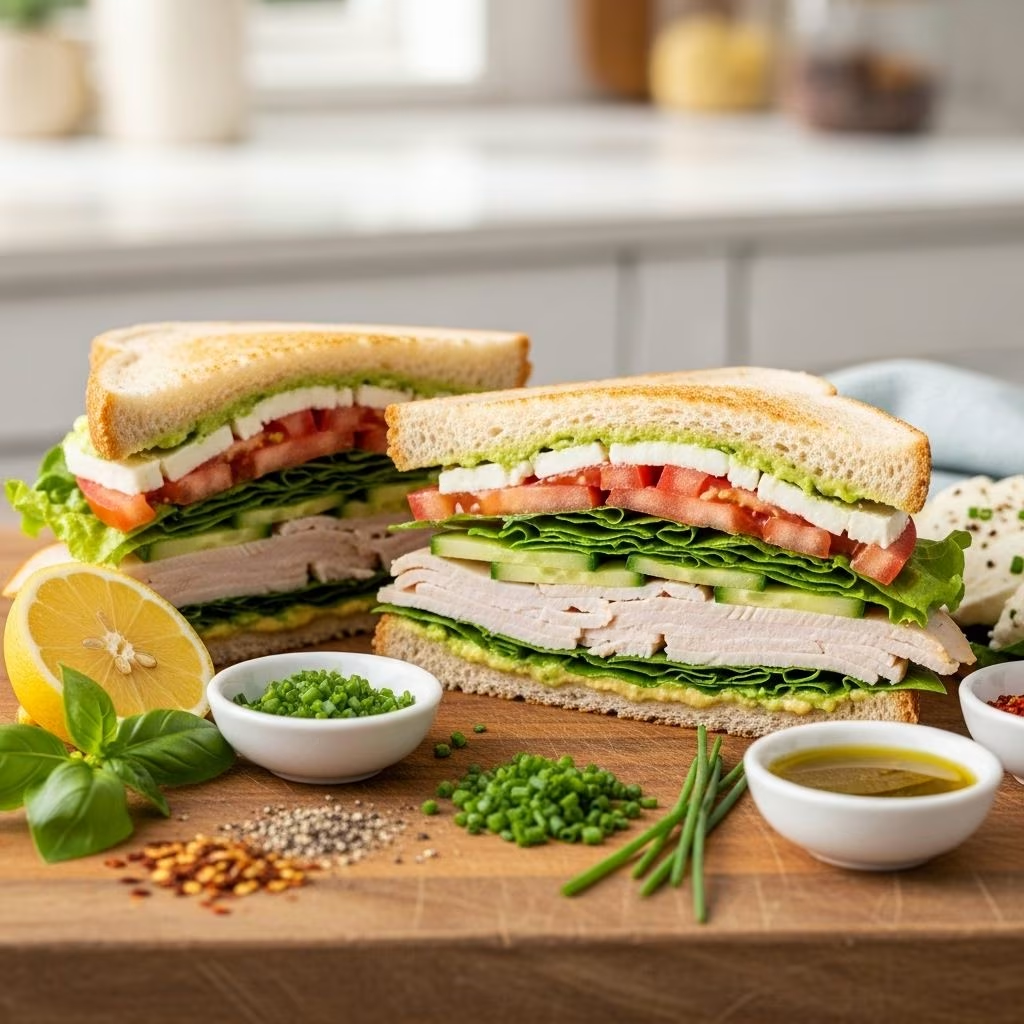
How to Build a Low-Salt Sandwich Without Sacrificing Flavor
Sandwiches are a staple of American lunches—quick, portable, and endlessly customizable. Yet, they’re also one of the biggest sources of sodium in our diets. The classic combo of bread, deli meats, cheese, and salty condiments can easily pack in more than half of your daily recommended salt intake. But with a mindful approach, it’s possible to craft a delicious, filling, and heart-healthy sandwich that doesn’t compromise on taste or satisfaction.
Why Watch Your Sodium Intake?
Most Americans eat far more sodium than the recommended 2,300 mg per day. Excessive sodium can raise blood pressure, increase heart disease risk, and contribute to water retention and bloating. Since bread, lunch meats, and cheese are among the top sodium sources in the American diet, rethinking your sandwich routine is a powerful way to boost your health without giving up a beloved meal.
The Anatomy of a Low-Salt Sandwich
Building a flavorful low-salt sandwich starts with understanding where sodium sneaks in. Every layer—bread, fillings, condiments, and extras—can contribute.
- Bread: Not always salty-tasting, but eaten often and usually contains moderate sodium.
- Deli meats & cheese: Major sodium sources, often packed with preservatives and flavorings.
- Condiments: Mustard, ketchup, pickles, and sauces can hide a salty punch.
- Portion size: Overstuffed sandwiches mean more of everything—including sodium.
Step 1: Choose Your Bread Wisely
Bread is the silent contributor to sodium overload—while a single slice doesn’t seem salty (typically 80-230 mg per slice), two slices plus any salty additions quickly add up.
- Look for “low-sodium,” “very low sodium,” or “sodium-free” breads, which may contain less than 140 mg per serving.
- Opt for whole grains, which offer more fiber and nutrients than white bread.
- Consider swapping traditional bread for a whole grain English muffin, pita, or homemade flatbread with no added salt.
- If you buy at the bakery, ask if they offer unsalted or low-salt loaves.
- Open-faced sandwich: Use a single slice rather than stacking two to immediately cut the sodium from bread in half.
| Bread Type | Sodium (mg/slice) | Low-Sodium Option? |
|---|---|---|
| White sandwich bread | 150-210 | No |
| Whole wheat bread | 130-190 | Some brands |
| Low-sodium bread | < 140 | Yes |
| Whole grain pita | 120-170 | Few brands |
Step 2: Focus on Better Fillings
Deli meats and processed cheeses are the largest sodium culprits in traditional sandwiches. Most deli meats (even turkey and roast beef) are preserved with salt and sodium-based additives. Cheese—especially processed types—also contains significant sodium, often 200 mg or more per slice.
Low-Salt Filling Solutions
- Cook from scratch: Roast or grill chicken, turkey, or beef at home, slice thinly, and use as sandwich filling. Homemade meats, unseasoned or only lightly salted, are far lower in sodium than deli options.
- Eggs: Hard-boiled eggs are naturally low in sodium (~62 mg each). Make egg salad with Greek yogurt and herbs instead of mayo and salt.
- Skip or minimize cheese: Use low-sodium cheeses (mozzarella, Swiss, some fresh goat cheeses), or replace cheese entirely with creamy avocado or hummus.
- Plant-based choices: Try marinated and roasted vegetables, mashed chickpea salad, tofu, or lightly seasoned beans.
- Double the veggies: Add layers of tomato, cucumber, spinach, shredded carrots, sprouts, and bell peppers for a hearty texture and nutrition boost.
Step 3: Choose Condiments Carefully
Commercial condiments are notoriously salty—mustard, ketchup, relish, pickles, and salsas can quickly add hundreds of milligrams of sodium.
- Select “no salt added” or “low-sodium” versions of classics when available.
- Swap pickles and olive tapenade with fresh veggies like cucumbers or sliced radishes for crunch.
- Make your own sandwich spreads using unsalted butter, mashed avocados, plain yogurt, or blended roasted red peppers.
- For flavor, rely on fresh herbs, lemon juice, balsamic vinegar, black pepper, or spicy mustards instead of salty spreads.
Step 4: Scale Back on Portion Sizes
Oversized sandwiches mean excess sodium, calories, and saturated fat. Practice portion awareness:
- Choose thin bread slices or halve the bread serving.
- Stick to 2-3 ounces of meat or filling per sandwich—about the size of a deck of cards.
- Fill the rest of your sandwich with vegetables, roasted or fresh.
Step 5: Flavor Boosters Without the Salt
Many crave the “pop” that salt provides in food. Fortunately, a variety of sodium-free flavor-boosting tricks exist:
- Use fresh citrus juice (lemon or lime) to awaken flavors.
- Add a sprinkle of smoked paprika, cumin, or pepper flakes for depth and heat.
- Layer on fresh basil, arugula, or dill for herbal notes.
- Splash with a dash of vinegar or drizzle a bit of olive oil for richness.
- Roast garlic and mash into spreads for a savory kick without extra salt.
Sample Low-Salt Sandwich Combos
- Mediterranean Veggie Pita: Whole wheat pita, hummus (no salt added), sliced cucumber, shredded carrot, tomatoes, baby spinach, fresh mint, and a squeeze of lemon.
- Herbed Grilled Chicken Open-Face: One slice low-sodium whole grain bread, homemade grilled chicken breast, thick tomato slices, arugula, and cracked black pepper with a drizzle of olive oil.
- Egg Salad Lettuce Wrap: Hard-boiled eggs mashed with plain Greek yogurt, green onion, lettuce leaves as wraps, with a sprinkle of paprika.
- Chickpea Mash: Mashed chickpeas, diced celery, lemon juice, chopped fresh dill, served on low-sodium bread with a slice of ripe tomato.
Reading Food Labels: Understanding Sodium Claims
| Label Claim | What It Means |
|---|---|
| Sodium-free/salt-free | Less than 5 mg sodium per serving |
| Very low sodium | Less than 35 mg sodium per serving |
| Low sodium | Less than 140 mg sodium per serving |
| Light in sodium | At least 50% less sodium than the regular product |
| Reduced sodium | At least 25% less than the regular product |
Expert Tips for Better Sandwiches
- Make sandwiches at home: Restaurant and deli sandwiches are almost always higher in sodium due to pre-seasoned, brined, or cured ingredients.
- Ask for low or no salt: If ordering out, request grilled or oven-roasted meats without added salt and skip salty toppings.
- Experiment with textures: Crisp lettuce, shredded carrots, and crunchy cucumbers add satisfaction and interest even in the absence of salty elements.
- Switch up the template: Try a lettuce wrap or collard green wrap instead of bread to slash sodium.
Why Sandwiches Are Often High in Sodium
Sandwiches are a leading contributor to sodium intake because they’re usually made from the very foods that Americans eat day-in and day-out. It’s the combination of bread, processed meat, cheese, and condiments—often in large portions—that drives up the total sodium.
- About 47% of U.S. adults eat a sandwich on any given day.
- A typical deli sandwich can contain over 1,200 mg of sodium—more than half the recommended daily amount.
- Even “healthy” deli meats like turkey or roast beef are often loaded with sodium for flavor and preservation.
Addressing Common Myths About Low-Salt Sandwiches
- Myth: Low-salt sandwiches are bland
Reality: Fresh herbs, vinegar, roasted veggies, and citrus juice create bright, satisfying flavors—no excess salt needed. - Myth: You must avoid bread completely
Reality: Many whole grain breads come in low-sodium options; check labels for those under 140 mg per slice. - Myth: Only cold cuts and cheese provide enough protein
Reality: Chicken, turkey, eggs, beans, tofu, and hummus are all protein-rich, lower-sodium choices.
Frequently Asked Questions (FAQs)
Q: Is cutting all salt necessary for heart health?
A: No—but significantly reducing sodium intake supports healthy blood pressure and heart function. The focus should be on keeping sodium within recommended levels (<2,300 mg per day for most adults).
Q: Are some breads naturally lower in sodium?
A: Yes. Look for those labeled “low-sodium,” “very low sodium,” or made without added salt. Some whole grain tortillas, pitas, and flatbreads also have less sodium compared to traditional sandwich bread.
Q: What’s the best way to find low-sodium lunch meats?
A: Read the Nutrition Facts on packaging and look for versions labeled “low sodium.” Homemade roasted or grilled meats without added salt are the best option.
Q: Can I still enjoy cheese in a low-salt sandwich?
A: In moderation. Choose cheeses like fresh mozzarella or Swiss, which are typically lower in sodium, and use just a thin slice or a sprinkle for flavor.
Q: How can I make my sandwich feel filling without lots of meat or cheese?
A: Pile on vegetables with hearty textures (like roasted squash or eggplant), add mashed beans or hummus for protein and creaminess, and try avocado or a hard-boiled egg for richness.
Key Takeaways for Building Satisfying, Low-Salt Sandwiches
- Read ingredient labels and prioritize low-sodium, whole-food additions.
- Roast or grill proteins at home for better control over sodium content.
- Maximize flavor with herbs, spices, and fresh veggies rather than relying on salt.
- Pay attention to bread: Opt for open-faced sandwiches or wraps to cut sodium further.
- Experiment: A world of sandwich possibilities opens up when you move beyond meat, cheese, and pickles.
A delicious, wholesome, and heart-friendly sandwich is well within reach. With smart swaps and a bit of creativity, you can enjoy all the satisfaction—and none of the salt-heavy downsides—of America’s favorite lunch.
References
- https://www.teladochealth.com/library/article/10-surprising-salt-sources
- https://www.health.harvard.edu/heart-health/simple-swaps-to-eat-less-salt
- https://www.nhlbi.nih.gov/news/2023/halt-salt-5-ways-cut-down-sodium-and-improve-your-heart-health
- https://www.prevention.com/health/a20456928/low-sodium-diet-equals-better-health/
- https://www.prevention.com/food-nutrition/healthy-eating/g26811281/foods-high-sodium/
- https://www.prevention.com/food-nutrition/g20481863/healthy-sandwich-makeover-recipes/
- https://www.prevention.com/health/a20479224/how-to-kick-the-salt-habit/
- https://www.cdc.gov/salt/reduce-sodium-intake/index.html
- https://www.fda.gov/food/nutrition-education-resources-materials/sodium-your-diet
- https://www.prevention.com/health/health-conditions/g26576559/foods-for-high-blood-pressure/


