


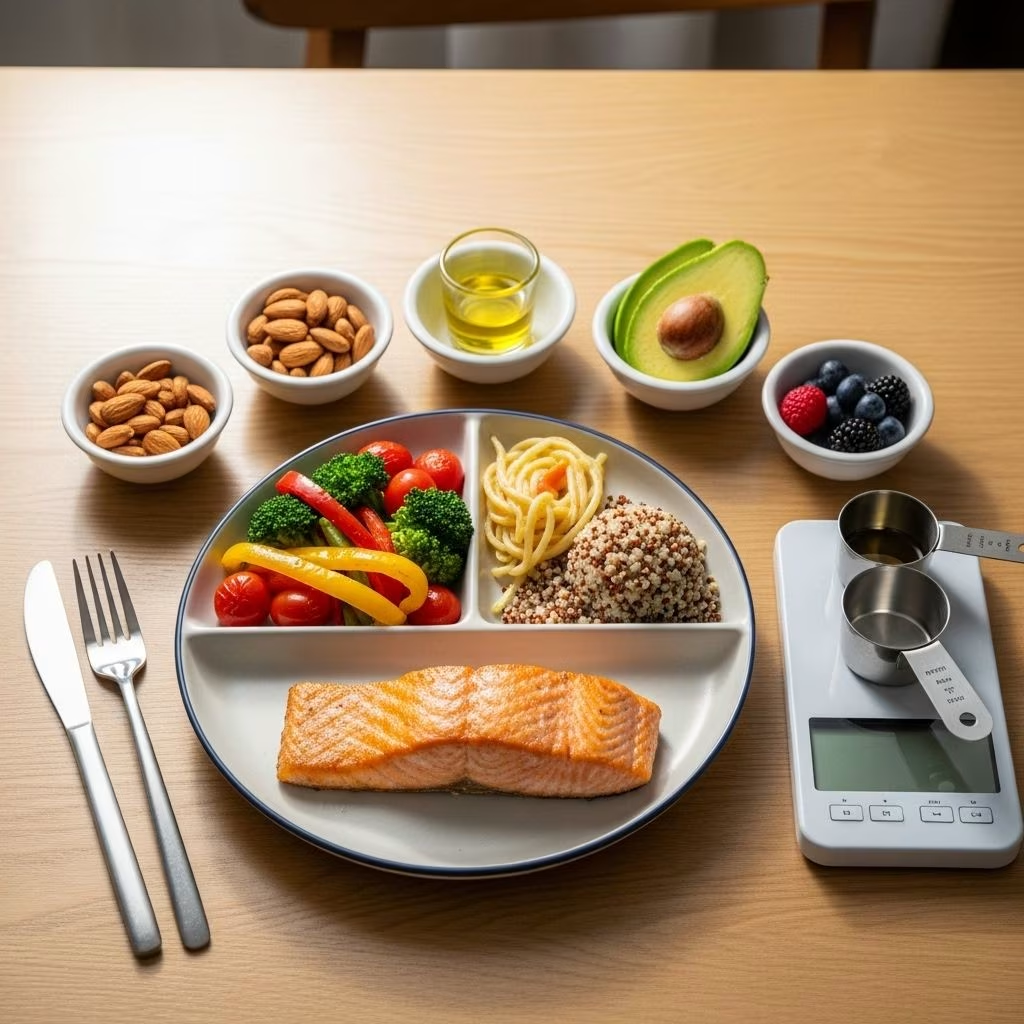
Portion Control: The Smarter Way to Achieve Lasting Weight Loss
Weight loss shouldn’t mean endless calorie counting or feeling constantly deprived. In our fast-paced, super-sized culture, portion control stands out as a simple, effective solution for losing weight and maintaining results. By understanding realistic serving sizes and using practical visual cues, anyone can train their eyes—and their appetite—for a healthier lifestyle.
Why Portion Sizes Matter More Than Ever
Portion sizes in the United States have ballooned over recent decades, both in restaurants and at home. Fast food combos, oversized snacks, and larger plates mean people often eat two to five times more than what was typical a generation ago. Nutritionist Lisa Young highlighted in her book Portion Teller: Smartsize Your Way to Permanent Weight Loss that as food portions have grown, so have Americans’ waistlines—prompting everything from larger seats to bigger mattresses.
But you don’t have to finish every giant restaurant meal or oversized snack pack. The secret lies in knowing—and sticking to—healthy portion sizes, and reframing how you view food servings.
How Oversized Portions Impact Your Health
- Multiple studies confirm that bigger portions consistently lead to greater calorie intake, which can contribute to weight gain over time.
For example, research has shown that when people are served portions twice their usual size, their daily caloric intake can increase by hundreds of calories—enough to gradually add pounds if not balanced elsewhere in the diet.
Key fact: Eating just 400 extra calories a day could result in a 1 kg weight gain in less than three weeks . - The World Health Organization supports limiting portion sizes as a strategy to reduce unhealthy weight gain and obesity risk .
Five Essential Guidelines for Portion Control
Lisa Young’s approach centers on five practical guidelines to help anyone shrink their servings without feeling deprived:
- Mind your mouthfuls: Shift the focus from nutrients (carbs, fat) to the amount you eat. Just because a restaurant portion is massive, doesn’t mean you have to finish it.
- Visual comparisons: Use familiar household objects to estimate serving sizes:
- 3 ounces of meat = deck of cards
- 1 cup of rice or pasta = baseball
- 1 tablespoon of oil or butter = your thumb tip
- 1 ounce of cheese = four dice
- Eat slowly: Consciously slow down your pace at meals. Savor each bite and give your body time to feel satisfied before reaching for seconds.
- Downsize your dishes: Use smaller plates and bowls. This simple trick limits your portions visually and reduces the likelihood of overeating.
- Listen to your hunger cues: Eat when truly hungry, and stop when satisfied—not stuffed. Practice mindful eating by paying attention to internal cues, not social or environmental pressures.
Portion Size Reference Chart
| Food Type | Portion Size | Visual Cue | Common Restaurant/Pack Size |
|---|---|---|---|
| Meat, Poultry, Fish | 3 oz | Deck of cards or your palm | Up to 4 portions per steak dinner |
| Cooked Grains (rice, pasta) | 1/2 cup | Computer mouse or baseball | 4+ portions per takeout order |
| Vegetables | 1 cup | Fist or full mug | Usually 2+ cups per entrée |
| Cheese | 1 oz | Four dice | 2+ ounces per pizza slice |
| Butter/Oil | 1 tbsp | Thumb tip | 4+ tbsp per salad dressing packet |
Visualizing Portions: Everyday Household Objects
- Deck of Cards: Three ounces of cooked meat or fish
- Baseball: One cup of cooked rice, pasta, or fruit
- Thumb Tip: One tablespoon of peanut butter, oil, or butter
- Four Dice: One ounce of cheese
- Computer Mouse: Half a cup of cooked grains
- Fist: One cup of raw vegetables
Using these visuals helps you estimate portions even when eating out or grabbing a snack—before you’re tempted to clear a huge plate.
Portion Pitfalls in Restaurants and Snacks
Restaurant and packaged food portions are consistently larger than recommended serving sizes. For example:
- A typical steak dinner may have up to four servings of meat .
- Pasta or rice from takeout can amount to 4 or more servings per container or order .
- Pizza slices often contain double the recommended cheese portion .
- Snack packs labeled as “single-serve” may actually contain two or more servings.
Don’t feel compelled to clean your plate. One effective strategy is to box up half your meal at the start. For snacks, divide the package and put the rest away—or buy pre-portioned packs when possible.
Smart Portion Control Strategies for Everyday Life
- Downsize serveware: Eat from smaller plates and bowls to visually cue yourself into eating less.
- Batch prep and pre-portion: When cooking at home or buying bulk, immediately divide food into individual servings in containers or bags.
- Restaurant survival tips:
- Ask for a box up front to immediately halve your entrée.
- Share appetizers or desserts instead of each ordering separately.
- Order from the children’s or appetizer menu for a smaller, healthier portion.
- Mindful eating: Slow down meals, taste each bite, and eliminate distractions to stay aware of how much you’re consuming.
- Watch portions with healthy foods, too: Nuts, cheese, whole grains, and dressings are nutritious—but easy to overeat. Use measurements or visual cues.
How Portion Control Supports Weight Loss and Maintenance
Countless studies confirm that controlling portions directly influences calorie intake and thus body weight. While mindful eating techniques can help, research suggests that even when trained to eat mindfully, individuals still often eat more when faced with larger portions .
By combining visual cues, conscious downsizing, and habitual awareness, portion control sets the foundation for effortless weight management—no strict calorie counting required.
The Art and Science of Downsizing
Effective portion control blends scientific evidence and practical habits:
- Large portions consistently increase calorie intake regardless of food type or setting .
- Training the eye to recognize reasonable serving sizes is a learnable skill, aided by visual comparisons and household objects.
- The psychological effect—where people believe bigger portions are normal—makes portion awareness more important than ever.
- Despite good intentions, people tend to finish large portions simply because they’re present. Consciously downsizing helps reframe expectations and prevent overeating.
Frequently Asked Questions About Portion Control
Q: Do I have to measure everything I eat to control portions?
Not always. Visual cues—like using your palm for meat or a baseball for rice—help you estimate portions without fuss. Over time, you’ll develop intuition even when dining out.
Q: Can I still enjoy restaurant meals and lose weight?
Absolutely. Split entrées, take home leftovers, order smaller dishes (like appetizers), or share with companions. Balance a heavier meal by eating lighter at your next one .
Q: What foods are easiest to overeat beyond healthy portions?
Nuts, cheese, oils, dressings, whole grains, breads, and restaurant entrées are common culprits. Pre-portion these foods at home and use visual cues while dining out.
Q: How do I know when I’m satisfied, not stuffed?
Eat slowly, pause halfway through your meal, and check in with your hunger. Stop eating when you feel comfortable, not full to bursting. Mindful eating practices help reinforce this habit.
Q: What is the single best tip for getting started with portion control?
Begin by using smaller dishes for all meals and snacks. It’s a fast, actionable way to reduce portions—without feeling deprived or overthinking it.
Action Plan: Achievable Steps for Mastering Portion Control
- Step 1: Memorize key visual cues for serving sizes. Keep a cheat sheet or reference chart handy at home.
- Step 2: Downsize your plateware and serveware. Use dessert plates for meals and smaller bowls for snacks.
- Step 3: Portion bulk foods into serving-size packs right after shopping.
- Step 4: Practice mindful eating: turn off screens, eat slowly, and check in with your appetite before and halfway through your meal.
- Step 5: When dining out, immediately halve your meal and request a box, or share with a friend.
Conclusion: Make Portion Control Your New Healthy Habit
Counting calories doesn’t have to be the center of your weight loss strategy. By prioritizing realistic portion sizes, using visual cues, and slowing down your eating, weight management becomes easier and more enjoyable. Let smaller portions become your new normal—your waistline (and your health) will thank you.
References
- https://www.prevention.com/weight-loss/a20466917/your-guide-to-calories-and-portion-sizes/
- https://www.prevention.com/weight-loss/a20430335/food-portions-for-weight-loss/
- https://www.prevention.com/weight-loss/a20469085/healthy-eating-at-restaurants-reduce-calories-with-smaller-portions/
- https://pmc.ncbi.nlm.nih.gov/articles/PMC6088523/
- https://www.prevention.com/weight-loss/a20473778/simple-portion-size-chart/
- https://www.prevention.com/weight-loss/g24805401/fat-burning-foods/
- https://www.prevention.com/food-nutrition/healthy-eating/a65664887/ultra-processed-foods-weight-loss-gut-health-study/
- https://www.prevention.com/weight-loss/g20494462/eating-habits-for-weight-loss/
- https://www.prevention.com/weight-loss/diets/a19804935/macros-diet/
- https://www.prevention.com/weight-loss/g20501369/eating-rules-for-faster-weight-loss/


