


Portion Control: The Secret to Healthy Eating and Sustainable Weight Loss
For decades, dieting advice focused on eliminating favorite foods or restricting entire food groups. Yet, the true cornerstone of sustainable weight management isn’t deprivation—it’s portion control. As restaurant sizes have ballooned and home-cooked meals followed suit, understanding what constitutes a healthy portion is more critical than ever. With simple strategies, you can enjoy a variety of foods while maintaining a healthy weight and fueling your body right.
The Portion Size Problem: How Super-Sizing Skews Our Appetites
Modern food environments heavily contribute to overeating. Restaurants serve meals two to five times the size they were a few decades ago. These gigantic portions not only distort our sense of what’s normal but also lead to unwanted weight gain. Nutritionists, like NYU’s Lisa Young, have documented how oversized portions have grown alongside American waistlines, leading to everything from bigger seats to larger medical equipment. The culprit is not always what you eat, but how much of it you consume.
- Super-sized meals encourage us to eat more, even when not hungry.
- People often finish what’s on their plate, regardless of serving size.
- Visual cues, like large bowls or plates, can trick us into eating more than we need.
The science backs up these trends: when offered larger portions, both children and adults consistently eat more calories, a phenomenon known as the Portion Size Effect (PSE). The easy solution? Learn to spot and serve sensible portions—and don’t feel compelled to finish everything served.
Why Portion Control Works (and Diets Often Don’t)
Most diets focus on restriction and ‘forbidden foods,’ which can backfire, leaving you feeling unsatisfied and setting you up for overeating. Portion control lets you enjoy all foods in moderation. Here’s why it works:
- Reduces total calorie intake—you naturally eat less without counting every calorie.
- No forbidden foods—enjoy your favorite treats, just in smaller amounts.
- Maintains satisfaction—savor variety and flavors without feeling deprived.
- Encourages mindful eating—more aware of hunger and fullness cues.
Studies show that people offered bigger portions eat significantly more—sometimes hundreds of extra calories daily—without even realizing it. Portion control allows you to take charge of your intake and achieve lasting results without obsessing over every bite.
Practical Portion Control Tips: Simple Visual Guides
One of the most effective ways to master portions is to compare food serving sizes to familiar household items or your hand. Here are easy visual cues for common foods:
| Food | Serving Size | Visual Comparison |
|---|---|---|
| Meat, poultry, fish | 3 oz. | Deck of cards or palm of your hand |
| Rice or Pasta (cooked) | 1 cup | Baseball |
| Cheese | 1 oz. | 4 dice or thumb |
| Butter or Oil | 1 teaspoon | Bottle cap |
| Nut butter | 2 tablespoons | Golf ball |
| Fruit | 1 medium piece | Tennis ball |
| Vegetables (cooked or raw) | 1 cup | Closed fist |
Using these comparisons helps you recognize portions without measuring cups or food scales.
What Healthy Portions of Popular Foods Look Like
Portion control doesn’t mean tiny rations. It means eating amounts your body needs, not oversized servings. Here’s what typical healthy portions look like for nine common foods:
- Tofu: 1/2 cup (size of a bar of soap)
- Butter: 1 teaspoon (size of a bottle cap)
- Avocado: 2 tablespoons (size of a dental floss container)
- Granola: 1/4 cup (size of a plastic Easter egg)
- Olive Oil: 1 tablespoon (size of a poker chip)
- Raisins: 1/4 cup (size of a golf ball)
- Watermelon: 2 cups (size of a soup can)
- Quinoa: 1/3 cup dry or 1 cup cooked (size of a Gerbera daisy)
- Cashews: 1 ounce (about 16–18 nuts or a plush powder puff)
Each of these servings balances calories, healthy fats, protein, or fiber, making them manageable and nutritious. Enjoy your favorite foods—just be mindful of how much you pile on your plate.
Why Restaurants Serve So Much — and How to Cope
Restaurant portions are often two or three times the recommended size, especially for pastas, desserts, and snack foods. Here’s how to handle it:
- Share a dish: Split entrees or desserts with a friend.
- Box half before you start: Ask for a to-go container as soon as you’re served to put away half for later.
- Order appetizers as main courses: Appetizers are often closer to true servings.
- Skip super-sizing options: Choose small or regular sizes and decline up-sells.
Don’t let social pressure or the desire to ‘get your money’s worth’ override your body’s true hunger signals. Remember: you can enjoy indulgent foods as long as you enjoy reasonable amounts.
Five Rules for Smart Portion Control
Lisa Young’s research inspired five straightforward rules to help anyone eat better without feeling deprived:
- Mind Your Mouthfuls: Focus on the amount you consume, not just the nutritional breakdown. Use visual cues—like a deck of cards for meat—to keep portions in check.
- Don’t Be Fooled by Marketing: Healthy-sounding foods (like granola or fruit smoothies) can hide enormous calorie loads if their portions are oversized.
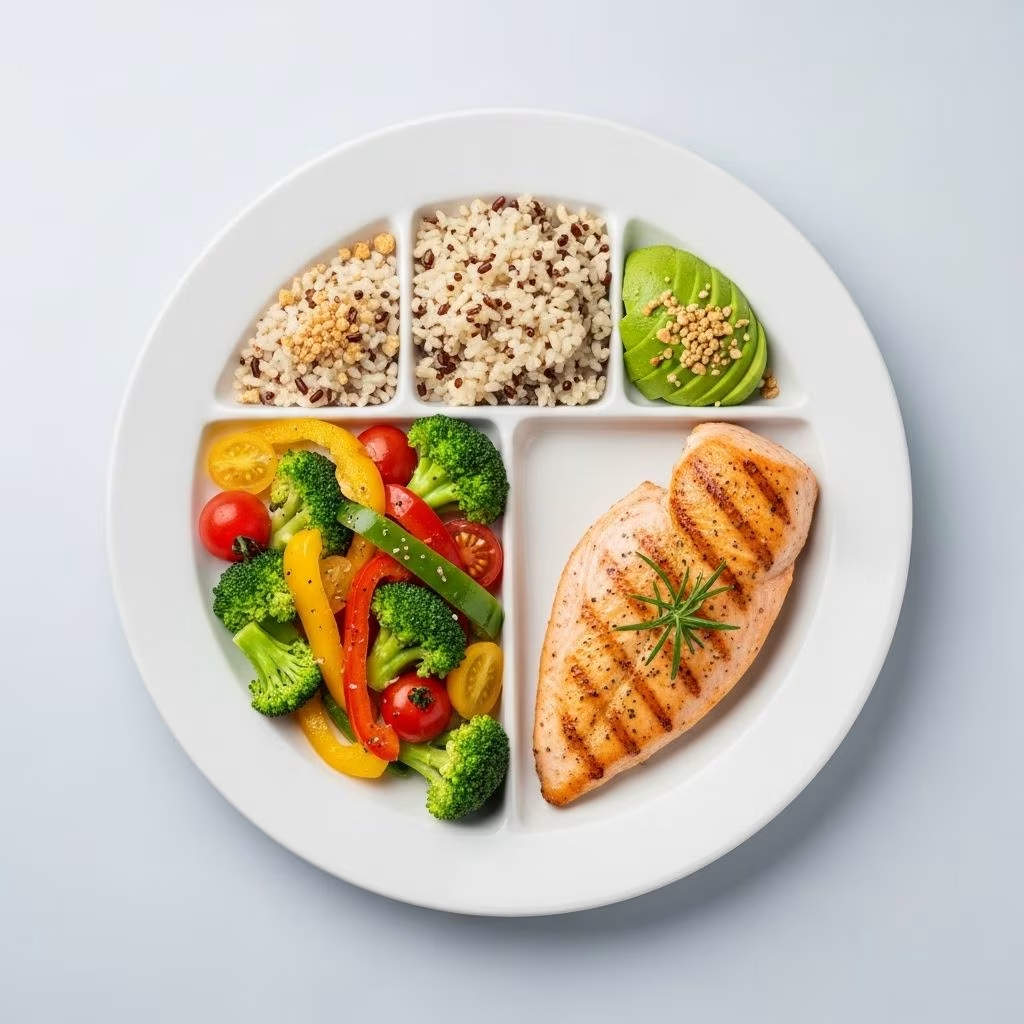
- Balance with Fresh Produce: Fill half your plate with vegetables or fruit for volume without excess calories.
- Downsize Snacks: Choose pre-portioned snacks, use smaller bowls, or buy ‘snack size’ options to prevent accidental overeating.
- Honor Fullness Signals: Eat slowly and check in with your hunger. Pause midway through a meal and ask, “Am I satisfied?”
How Big Portions Affect Health and Weight
Multiple studies have linked larger portion sizes with increased calorie intake and higher risks of overweight and obesity. Key findings include:
- Calorie overload: People served bigger portions eat several hundred more calories per day—often without noticing.
- Obesogenic environment: Larger portion sizes contribute to an environment that promotes weight gain.
- Long-term health risks: Sustained overeating increases the odds of metabolic syndrome, type 2 diabetes, heart disease, and many other conditions.
The World Health Organization and public health advocates now recommend downsizing portions and providing better portion size guidance as a strategy to fight obesity and support community health.
Easy Portion Control Strategies at Home
- Use smaller plates and bowls: Reducing dishware size automatically curbs serving sizes and tricks your brain into feeling satisfied with less.
- Pre-portion snacks: Divide snack foods (nuts, chips, trail mix) into single-serve bags rather than eating straight from large packages.
- Serve meals from the kitchen: Plate food at the stove instead of putting serving dishes on the table to avoid second helpings.
- Measure—just at first: Use measuring cups or a food scale to recalibrate your idea of standard servings until you can ‘eyeball’ them accurately.
- Fill up on water and veggies: Start meals with a glass of water and a salad or broth-based soup to curb hunger before main courses arrive.
What About Seconds and Treat Meals?
Enjoying food is part of a healthy lifestyle. Portion control isn’t about self-denial; it’s about learning what a satisfying (not stuffed) meal feels like. If you’re truly hungry after a modest plate, opt for seconds of vegetables or salad rather than high-calorie fare. Reserve high-calorie, special foods for treats in controlled amounts—so you never feel deprived but still stay on track.
Frequently Asked Questions (FAQs)
Q: How do I know if I’m serving the right portion size?
A: Compare your portion to the listed visual cues or use household items. With practice, you’ll learn to estimate serving sizes by eye—even in restaurants where you can’t measure.
Q: Is it better to track calories or focus on portions?
A: For most people, focusing on correct portions is easier and less stressful than meticulous calorie counting. Over time, the two approaches will usually yield similar results—but portion awareness is more sustainable long-term.
Q: What should I do if I still feel hungry after eating a normal portion?
A: Choose second servings of vegetables or fruit, drink water, and eat slowly. Sometimes, it takes 15–20 minutes for fullness signals to register.
Q: How can I handle portion control at parties or holidays?
A: Use a small plate, fill most of it with produce or salad, and sample richer foods in small amounts. Savor your favorite treats mindfully rather than piling on second helpings.
Q: What are the best kitchen tools for portion control?
A: Start with measuring cups, food scales, and smaller dishware. Pre-portion snacks and meals until you get comfortable judging portions by eye.
Takeaway: Eat Smarter, Not Less
You don’t have to give up your favorite foods or feel hungry to achieve your weight goals. Mastering portion control lets you eat smarter and enjoy a wide variety of foods—all while maintaining a healthy, balanced life. Downsizing portions and supporting habits like mindful eating, filling up with produce, and avoiding external triggers are sustainable strategies for lasting success.
Remember: healthy eating isn’t about perfection. It’s about making smarter choices one meal—and one manageable portion—at a time.
References
- https://www.prevention.com/food-nutrition/a20484749/what-healthy-food-portions-look-like/
- https://www.prevention.com/weight-loss/a20430335/food-portions-for-weight-loss/
- https://www.prevention.com/weight-loss/a20466917/your-guide-to-calories-and-portion-sizes/
- https://pmc.ncbi.nlm.nih.gov/articles/PMC6088523/
- https://www.prevention.com/weight-loss/a20473778/simple-portion-size-chart/
- https://www.prevention.com/weight-loss/a20430331/diet-and-healthy-eating-portions/
- https://www.prevention.com/weight-loss/a20469085/healthy-eating-at-restaurants-reduce-calories-with-smaller-portions/
- https://www.prevention.com/weight-loss/g20494462/eating-habits-for-weight-loss/
- https://www.prevention.com/food-nutrition/healthy-eating/a64297964/healthy-aging-diet-study/
- https://www.prevention.com/weight-loss/a20456360/400-calorie-meals-how-to-get-started/


