


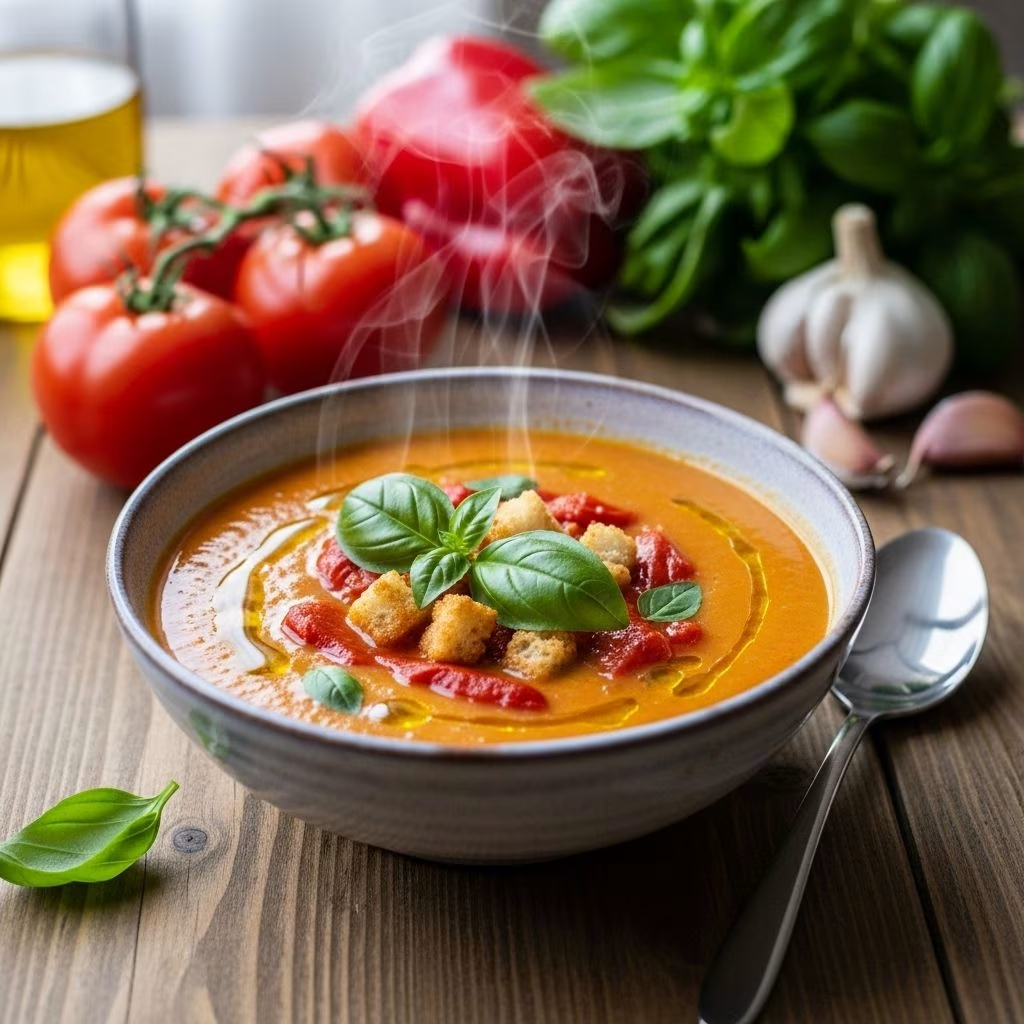
Soup as a Snack: Nutritionists’ Go-To Weight-Loss Secret
Steaming bowls of hearty soup aren’t just for dinner—they’re rapidly becoming the snack of choice recommended by leading nutritionists for those striving to shed pounds or maintain a healthy weight. With its unique ability to deliver flavor, nutrients, and lasting satisfaction, soup is now recognized as a strategic, delicious tool in the ongoing quest to curb hunger and control calorie intake.
Why Soup is the Ultimate Snack for Weight Management
Soup checks nearly every box for a smart snack: it’s filling, low in calories (especially if broth-based), often packed with vegetables, and naturally portion-controlled. But there’s real science behind the practice. Research demonstrates that eating soup can promote satiety and even reduce calorie intake at subsequent meals—making it more than just a comfort food.
- Volumetrics Principle: Soup is typically high in water and fiber, increasing volume in the stomach and triggering fullness signals with fewer calories than denser snacks.
- Slower Eating: The act of sipping or spooning hot soup slows the pace of eating, allowing the body’s natural satiety cues to catch up and help prevent overeating.
- Nutrient Density: Well-made soups offer a concentrated source of vitamins, minerals, and antioxidants, especially when packed with a variety of vegetables, beans, or lean proteins.
- Calorie Control: Broth-based and pureed vegetable soups are naturally lower in calories compared to cream-based or cheesy alternatives—making them an ideal snack swap for chips, crackers, or baked goods.
What the Research Says About Soup and Appetite Control
Multiple studies have confirmed soup’s power as a satiating, weight-friendly snack. For example, research in both adults and children has shown that starting a meal with low-energy-dense vegetable soup can reduce total meal energy intake and boost vegetable consumption, sometimes even sustaining higher veggie intake at subsequent meals.
- Portion Matters: Larger portions of low-calorie vegetable soup increase both soup and vegetable intake, and serve to displace more calorie-dense foods eaten later.
- Sustained Satiety: Unlike liquids such as juice or soda, soup’s fiber and solid vegetable content help prolong feelings of fullness, reducing the temptation for additional snacking.
- Support for Weight Goals: Diets incorporating broth-based soups have been associated with reduced overall calorie intake and better dietary adherence due to increased satiety and satisfaction.
Choosing the Right Soup for Snack Success
While the benefits of soup are clear, not all soups are created equal. To maximize the weight-loss and health benefits, nutrition experts recommend the following:
- Opt for Broth-Based, Not Creamy: Clear soups with a base of vegetable, chicken, or beef broth are significantly lower in calories and fat than thick, cream-based options.
- Focus on Vegetables: The more vegetables your soup contains, the higher its fiber, vitamin, and mineral content—and the longer it will keep you full.
- Watch the Sodium: Many canned or restaurant soups are high in salt, which can contribute to water retention and hypertension. Seek out low-sodium versions or make your own to control salt content.
- Keep It Simple: Steer clear of soups loaded with added sugars, white pasta, fatty meats, or heavy cheese.
- Add Satisfying Protein: Incorporating beans, lentils, lean chicken, or tofu boosts protein content, further extending satiety between meals.
Soups to Embrace
- Minestrone made with beans and leafy greens
- Chicken and vegetable soup with brown rice or barley
- Lentil or split pea soup with carrots, spinach, and tomatoes
- Pureed vegetable soups (e.g., butternut squash, cauliflower, broccoli–without added cream)
- Miso soup with tofu and seaweed (mind the sodium)
Soups to Limit or Avoid
- Cream-heavy soups (e.g., traditional chowders, bisques)
- Canned soups with >700mg sodium per serving
- Soups with processed meats (e.g., pepperoni, sausage, bacon)
- Cheesy or high-fat toppings
- Soups with added sugar or excessive white pasta/rice
How to Pair Soup with Your Daily Eating Habits
Soups are flexible—they fit several places in the day to boost fullness and nutrition:
- Mid-Morning or Afternoon Snack: Replace vending machine runs with a thermos of vegetable soup to fend off cravings and maintain steady energy.
- Light Lunch: Pair a hearty bowl of soup with a simple side salad for a balanced, satisfying mini-meal.
- Pre-Dinner Hunger Saver: If you often arrive home ravenous, enjoy a small serving of soup before dinner to take the edge off and help keep portions in check for your main meal.
Meal Prep and Portion Control: Smart Soup Strategies
One reason soup excels as a snack is its convenience. Prepare a large batch on Sunday, store in individual containers, and you’ve got built-in portion control for the week. Try these expert tips:
- Use mason jars or BPA-free containers for grab-and-go portions.
- Freeze single servings for instant, low-effort snacks on busy days.
- Opt for recipes that offer at least 2-3 cups of vegetables per batch.
- Garnish soups with fresh herbs (parsley, cilantro, dill) instead of cheese or croutons for an added nutrient boost.
Homemade vs. Store-Bought: Which is Healthier?
| Feature | Homemade Soup | Store-Bought Soup |
|---|---|---|
| Sodium Content | Can adjust or minimize salt | Often high, may exceed 700mg per serving |
| Vegetable Variety | Can load up on a wide range of fresh veggies | Frequently low in vegetables, especially fiber-rich ones |
| Preservatives | None needed; fresh ingredients used | May contain additives, preservatives, and sugar |
| Customization | Tailor protein, flavor, and spice to personal preferences | Limited choices; may be bland or overly salty |
| Cost | Lower per serving, especially when using seasonal produce | Generally higher, especially for “gourmet” brands |
Common Soup Snacking Mistakes and How to Avoid Them
- Relying on Creamy Soups: Even small servings of creamy or cheese-based soups can pack hundreds of calories and grams of saturated fat. Instead, use pureed beans or vegetables for a creamy texture without the dairy.
- Not Checking Serving Size: Commercial soups often list nutrition facts for just one cup—but containers can hold nearly three. Always read labels and portion out servings to stay on track.
- Using Too Much Bread or Crackers: Dipping can turn a light snack into a heavy meal. Try a big serving of soup solo, or with a sprinkle of seeds for crunch.
- Ignoring Hidden Sugar and MSG: Some canned soups contain added sugar or flavor enhancers like MSG. Choose varieties with short ingredient lists and no added sweeteners.
Supercharge Your Soup: Bonus Nutrient Add-Ins
For those looking to make their snack even more satisfying and nutritious, stir in these extras:
- Beans and Lentils: Increase protein and fiber for lasting fullness.
- Leafy Greens: Toss in spinach or kale during the final minutes of cooking.
- Fresh Herbs: Add flavor and antioxidants.
- Lemon Juice or Vinegar: A dash of acidity brightens flavors and boosts digestion.
- Spices (cumin, turmeric, chili): Increase metabolism and anti-inflammatory potential.
FAQs: Everything You Need to Know About Soup as a Snack
Is soup really filling enough to be a snack?
Absolutely! Thanks to its high water and fiber content, soup promotes a feeling of fullness and can curb cravings until your next meal. Opt for chunky, broth-based soups with plenty of vegetables and protein to maximize this effect.
Is it better to eat soup hot or cold?
Either can work, but a warm or hot soup may boost your psychological feeling of satisfaction and slow your eating pace, promoting better satiety. Chilled soups—like gazpacho—are a great summer option too.
How often can I eat soup as a snack?
Soup is generally a smart, nutrient-dense snack choice you can enjoy daily, provided you manage sodium and avoid high-fat varieties. Rotate your recipes to keep your diet diverse and interesting.
Will eating soup help me lose weight?
When used in place of higher-calorie snacks, soup can lower your daily calorie intake and help support gradual, sustainable weight loss. Soup alone isn’t a “magic bullet,” but it complements a balanced diet and active lifestyle.
Can I use powdered or instant soup mixes?
Instant soup mixes are convenient but often very high in sodium and low in vegetables. Use them occasionally in a pinch but favor homemade or refrigerated fresh soups for better health and satisfaction.
Is there a best time of day to eat soup to curb cravings?
Soup is a versatile snack for any time you feel hungry between meals—mid-morning, late afternoon, or as a pre-dinner course to prevent overeating at night.
Quick Homemade Snack-Soup Ideas
- Green Detox Soup: Simmer broccoli, spinach, celery, and zucchini in low-sodium vegetable broth. Puree and season with lemon and black pepper.
- Red Lentil Soup: Combine red lentils, diced tomatoes, carrots, onions, and garlic in chicken or vegetable broth. Simmer until soft and blend for a quick, creamy texture.
- Classic Chicken Vegetable Soup: Use diced skinless chicken breast, carrots, celery, kale, and barley in a homemade stock. Season with thyme and parsley.
- Mediterranean Tomato Soup: Heat grape tomatoes, white beans, garlic, and chopped spinach in vegetable broth. Stir in basil and a splash of balsamic vinegar.
- Asian-Inspired Miso Soup: Dissolve white miso in hot water, add soft tofu cubes, sliced scallions, kale, and a handful of shredded carrots.
Takeaway: Soup as a Snack for Smart Weight Management
Incorporating soup as a snack is more than a trend—it’s a research-backed, expert-approved practice to help you stay on track with your weight goals, curb cravings, and fuel your body with much-needed nutrients. With endless combinations, easy meal prep, and customizable flavors, soup stands out as a truly satisfying solution for anyone seeking sustainable weight management and healthy eating—one spoonful at a time.
References
- https://pmc.ncbi.nlm.nih.gov/articles/PMC3140700/
- https://www.prevention.com/fitness/a20457971/pre-workout-snacks/
- https://www.prevention.com/food-nutrition/
- https://www.prevention.com/food-nutrition/healthy-eating/a63423411/foods-you-should-not-eat/
- https://www.prevention.com/food-nutrition/healthy-eating/a68067521/signs-not-getting-enough-protein/
- https://www.prevention.com/food-nutrition/healthy-eating/a65545332/what-happens-when-you-eat-a-banana-every-day/


