


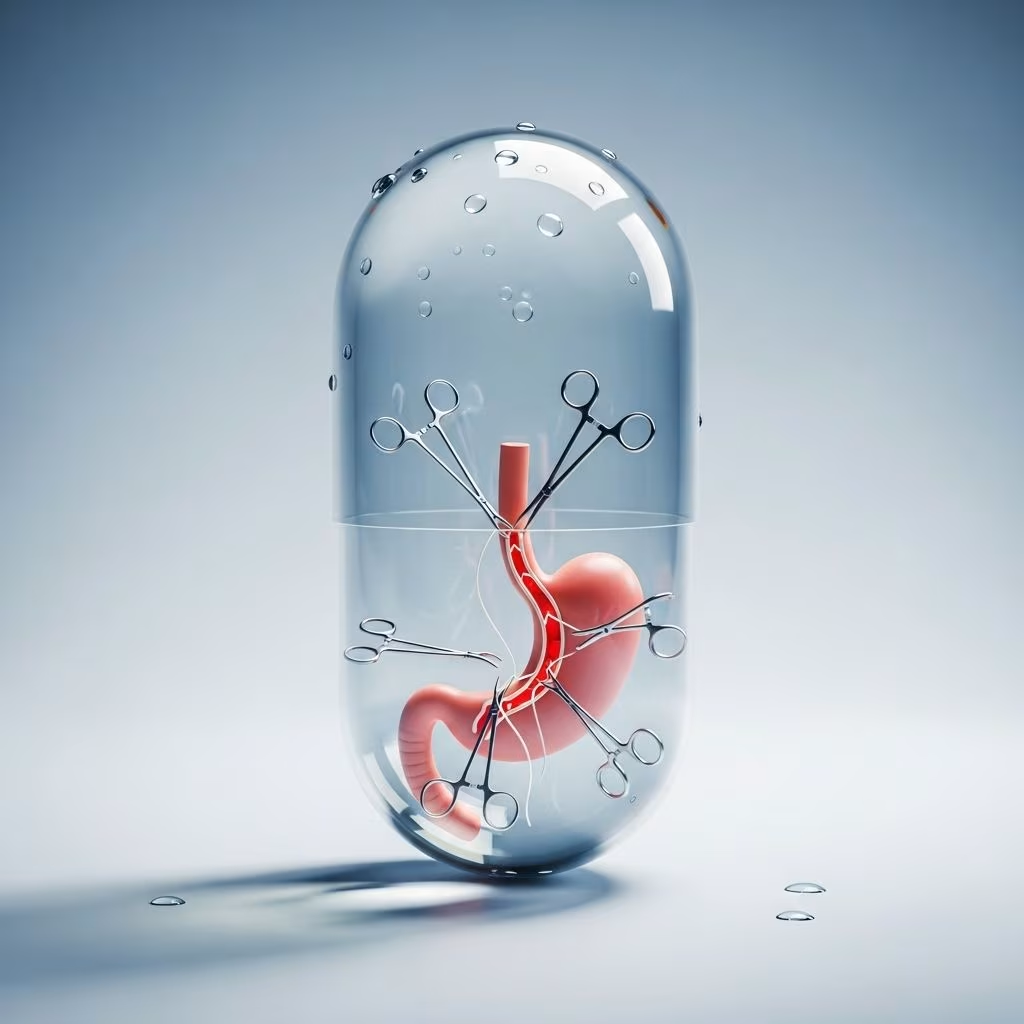
Gastric Bypass in a Pill: Revolutionizing Weight Loss
Obesity is a growing global health concern, with millions seeking effective, sustainable methods to lose weight and regain control of their health. Traditionally, gastric bypass surgery has been the gold standard for dramatic weight loss—but it comes with major risks and lifelong commitments. Meanwhile, popular weight loss medications like GLP-1 receptor agonists offer promise but are associated with unpleasant side effects, accessibility challenges, and potential muscle loss. Now, a new innovation could change everything: SYNT-101, a pill engineered to mimic the transformative effects of gastric bypass surgery without invasive procedures or harsh drug reactions.
Discover the science, potential, and promise of a true “gastric bypass in a pill”—and its place in the future of obesity treatment.
Obesity Treatment: Current Approaches & Limitations
The medical community traditionally relies on two primary methods for significant weight loss in individuals with obesity:
- Bariatric surgery (especially gastric bypass): This procedure physically alters the digestive tract, reducing stomach size and bypassing segments of the small intestine. The result is restricted calorie absorption and dramatic weight loss. However, the process is irreversible, expensive, comes with surgical risks, and requires permanent lifestyle changes, making it suitable only for those with serious medical need (typically BMI >40).
- GLP-1 receptor agonist drugs (e.g., Ozempic, Wegovy): These injections or pills engage hormonal pathways to curb appetite and enhance satiety. While less invasive and suitable for moderate obesity or overweight, side effects such as nausea, diarrhea, loss of lean muscle mass, and risk of rebound weight gain are common . Accessibility and long-term effectiveness remain ongoing concerns.
Faced with these extremes, many individuals are left searching for a solution that combines sustained results with safety and convenience.
Introducing SYNT-101: A Pill That Mimics Gastric Bypass
Developed by Syntis Bio, SYNT-101 aims to bridge the gap between surgery and medication. This oral, once-daily pill is designed to replicate the metabolic effects of gastric bypass surgery by leveraging advanced polymer chemistry. The key: a temporary coating in the upper small intestine (the duodenum), created by a synthetic polydopamine lining inspired by the protective coatings used by water-dwelling mussels . This lining lasts up to 24 hours, safely shifting nutrient absorption away from the duodenum to further down the intestine and is naturally cleared from the body.
- Mechanism of Action: After ingestion, SYNT-101 forms a transient, nature-inspired coating in the duodenum, temporarily changing where nutrients are absorbed.
- Effect: By redirecting nutrient exposure, the pill prompts the body to trigger hormonal changes that lead to satiety and improved metabolic regulation—mirroring the pathway of gastric bypass surgery, but without any cutting or permanent tissue alteration.
Scientific Foundations: How It Works
SYNT-101 utilizes SYNthetic Tissue-lining technology, designed by MIT scientists. The innovation centers on delivering a harmless polydopamine layer to catalase-rich regions like the duodenum. This strategy enables a ‘duodenal nutrient exclusion’ effect:
- Nutrients bypass the upper intestine, limiting calorie absorption.
- Hormonal signals for appetite reduction and improved glycemic control are activated.
- The body is encouraged to utilize fat for energy, supporting weight loss while best preserving lean muscle mass .
- Unlike drugs that act systemically, SYNT-101 works locally—side effects are minimized, and the safety profile is improved.
In essence, SYNT-101 mimics the ‘shortcut’ effect of gastric bypass with a much simpler, non-invasive method.
Clinical Evidence and Early Results
Early human studies presented at the European Congress on Obesity (ECO) provided encouraging data. SYNT-101 was tested in a pilot study with healthy adults (BMI 19–29 kg/m2), using liquid formulations at three dose levels. The primary objectives: safety, tolerance, and appetite/metabolic effects.
The results were as follows:
- Tolerance and Safety: No serious side effects were observed among participants at any dose level, demonstrating excellent tolerance.
- Hormonal Regulation: Appetite and fullness signals were effectively modulated, suggesting promising metabolic benefits.
- Lean Muscle Preservation: Unlike GLP-1 drugs, early trials and preclinical studies indicated that SYNT-101 maintained lean muscle mass during weight loss.
In animal models, SYNT-101 produced an average loss of 1% of body weight per week over six weeks, while preserving 100% of lean muscle mass—a significant advantage over many conventional medications .
Comparing SYNT-101, Bariatric Surgery & GLP-1 Drugs
| Feature | SYNT-101 Pill | Bariatric Surgery | GLP-1 Drugs (e.g., Ozempic, Wegovy) |
|---|---|---|---|
| Method | Oral pill; temporary intestine lining | Surgical alteration of digestive tract | Injection or oral; hormonal effect |
| Weight Loss (Efficacy) | Promising early data; similar metabolic effects | Most dramatic and sustained | Up to 15% body weight (some drugs) |
| Muscle Preservation | High (as per preclinical studies) | Moderate; dependent on aftercare | Low; risk of lean muscle loss |
| Side Effects | Minimal in trials; no major issues seen | Surgical risks, nutrient deficiencies | Common: nausea, diarrhea, constipation, etc. |
| Accessibility | Oral, daily pill; high potential for convenience | Requires hospital, specialist, insurance | Rx only; shortages, supply/distribution concerns |
| Cost | Potentially affordable if mass produced | Expensive; not always covered by insurance | High; variable insurance coverage |
| Long-Term Commitment | No surgery; can discontinue anytime | Permanent physical alteration | Need ongoing therapy, risk of weight regain |
Potential Benefits of SYNT-101
- Non-Invasive: No surgery, injection, or permanent physical change required.
- Convenient: A simple once-daily pill may suit busy lifestyles and those averse to procedures or injectable drugs.
- Fewer Side Effects: Early data indicates a favorable safety profile.
- Muscle Sparing: Preserves lean muscle, addressing a major concern with GLP-1 drugs.
- Affordable & Accessible: Potential for large-scale production could lower costs and expand patient reach.
- Sustainable Weight Loss: Mimics the metabolic changes of surgery without the associated risks.
Key Challenges & Questions
- Long-term Data: While short-term studies look promising, extended trials will be needed to establish efficacy, safety, and sustained weight loss over years.
- Regulatory Approval: Full trial results (expected soon) will inform next steps; FDA approval processes are thorough and time-consuming.
- Individual Variation: Different bodies may respond uniquely—future studies must assess optimal dosing and effectiveness across populations.
- Integration into Treatment Plans: Will SYNT-101 complement or replace existing therapies? Its role must be defined for patient benefit.
Who Could Benefit from a Gastric Bypass Pill?
SYNT-101 is being positioned as a solution for:
- Those with increased BMI who do not qualify (or wish to avoid) surgery.
- Individuals experiencing side effects from current weight loss drugs.
- Patients seeking a convenient, cost-effective, and sustainable weight management method.
Its appeal spans from the severely obese (not ready for surgery) to individuals looking for a healthier approach to moderate weight management.
Frequently Asked Questions (FAQ)
Q: What is SYNT-101 and how does it work?
SYNT-101 is an oral pill for weight loss which temporarily coats the duodenum (first segment of the small intestine), redirecting how nutrients are absorbed and triggering powerful appetite and metabolic effects similar to those seen in gastric bypass surgery .
Q: How does SYNT-101 differ from current weight loss drugs?
Unlike GLP-1 receptor agonists, which work by manipulating systemic hormones and often cause gastrointestinal side effects, SYNT-101 acts locally in the digestive tract—minimizing whole-body exposure and preserving lean muscle mass during weight loss .
Q: Is SYNT-101 safe?
Early safety studies reported no serious adverse events and good tolerance at all tested dose levels. As with any new therapy, further research will monitor safety over longer periods and across wider populations .
Q: Who is developing SYNT-101?
Syntis Bio, a Boston-based biotech company, is leading development. Their approach is based on synthetic polymer chemistry created by top MIT scientists, with the goal of safely replicating gastric bypass benefits without surgery .
Q: When will SYNT-101 be available?
Clinical trials are ongoing, with full results expected in the near future. FDA submission and further trials will follow—commercial availability will depend on successful regulatory approval and manufacturing scale-up .
The Road Ahead
The obesity epidemic demands more effective, sustainable, and safe solutions. SYNT-101 could represent a major breakthrough: the promise of gastric bypass results without surgical trauma, lifelong risk, or unpleasant drug side effects. As more clinical data becomes available, healthcare professionals and patients alike will be watching for its potential to transform obesity treatment.
If approved, SYNT-101 may offer hope for millions by filling a critical gap—a true alternative between radical surgery and risky pharmaceuticals.
References
- https://www.goodrx.com/conditions/weight-loss/new-weight-loss-drugs
- https://www.discovermagazine.com/gastric-bypass-in-a-pill-could-help-weight-loss-without-surgery-or-glp-1-47567
- https://www.fiercebiotech.com/biotech/move-over-glp-1s-syntis-launches-clinical-stage-obesity-pill-mimic-gastric-bypass
- https://scitechdaily.com/new-obesity-pill-mimics-gastric-bypass-without-surgery/
- https://publichealth.jhu.edu/2025/one-in-seven-bariatric-surgery-patients-turn-to-new-weight-loss-drugs
- https://magazine.brighamandwomens.org/departments/gastric-bypass-in-a-pill
- https://columbiasurgery.org/news/state-union-weight-loss-surgery-2025


