


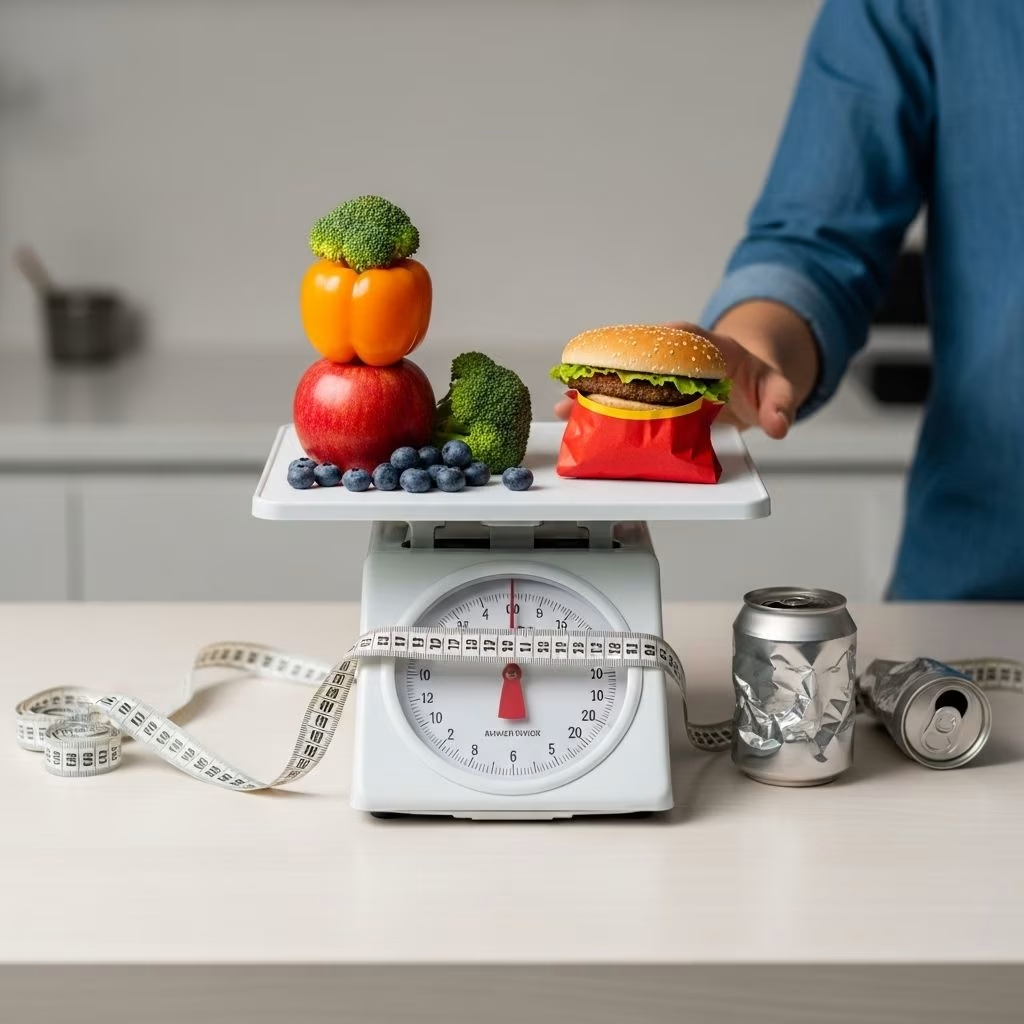
Weight loss is a topic surrounded by endless headlines, celebrity success stories, fad diets, and supposed quick fixes. With so many promises of rapid results and conflicting advice, it’s no wonder so many people are confused about what truly works. This comprehensive guide delves into the science behind diet and weight management, busting myths and outlining sustainable, healthy strategies for lasting results.
Why Diets Don’t Deliver on Their Promises
When embarking on a new diet, it’s easy to get swept up in the initial excitement, fueled by rapid weight loss and the hope of dramatic transformation. But why do so many people find that the pounds not only stop coming off but often creep back on—sometimes with extra weight?
- Most diets are too restrictive. Severely limiting calories or cutting out entire food groups is not sustainable for most people in the long term.
- Calorie deprivation triggers physical responses. When you drastically cut calories, the body slows its metabolism and increases appetite hormones to defend against perceived starvation.
- Short-term results rarely last. Quick fixes might produce dramatic results, but most people regain the weight, and sometimes more, within a few years.
- Diets often ignore real-life factors. Social events, stress, emotional eating, and lifestyle factors make rigid rules hard to follow indefinitely.
Research points clearly to the fact that long-term weight maintenance is far more closely linked to sustainable lifestyle changes than to any one “magic” diet. Weight control is less about willpower and more about a realistic approach that can fit into daily life for the long haul.
The Science of Weight Loss: What Really Matters?
Decades of research reveal that while the specifics of a diet may change, all effective weight loss approaches share one common feature: an energy deficit. This means you’re consuming fewer calories than you burn. But not all deficits—and not all calorie sources—are equal when it comes to health, hunger, and lasting results.
Key Principles That Work
- Calorie Balance:
At the core of every successful weight loss plan is maintaining a calorie deficit: ingesting fewer calories than you expend. This can be achieved by eating less, moving more, or both. - Macronutrient Composition:
While low-carb and low-fat diets have similar results long-term, higher protein intake can help preserve muscle mass, promote fullness, and support weight maintenance. - Food Quality:
Diets rich in fruits, vegetables, lean proteins, whole grains, and healthy fats outperform those based on processed foods for both health and weight management. - Meal Timing:
Some evidence supports eating most calories earlier in the day and avoiding late-night eating to support metabolic health. Time-restricted eating and intermittent fasting are emerging strategies, but long-term adherence is key.
Comparing Popular Dietary Strategies
Each diet trend promises unique benefits, but how do they stack up?
| Diet Type | Main Features | Pros | Cons |
|---|---|---|---|
| Low-Calorie Diet (LCD) | 1,000–1,500 calories per day | Effective for weight loss if maintained; can be flexible | May feel restrictive; potential for nutrient deficiencies |
| Very-Low-Calorie Diet (VLCD) | 600–900 calories/day, usually short-term | Rapid results for severe obesity | Not sustainable long-term; requires medical supervision |
| Low-Fat Diet | Fat < 15–20% of calories | Emphasizes plant foods; reduces saturated fat intake | Can lack satiety; may promote high-carb intake |
| Low-Carbohydrate Diet | Carbs < 45% of calories | Quick initial weight loss; helps with blood sugar control | Risk of low fiber intake; hard to maintain for some |
| Ketogenic Diet | Carbs < 10% of calories | Appetite suppression; fast initial weight drop | Long-term safety unknown; not for everyone |
| High-Protein Diet | Protein ~30%+ of calories | Promotes satiety; supports muscle maintenance | Not suitable for those with kidney issues |
| Mediterranean Diet | High in produce, whole grains, healthy fats; limits red meat | Supported by strong evidence; aids heart and brain health; highly sustainable | Some may find it less structured |
| Intermittent Fasting | Restricted eating windows (e.g., 16:8, 5:2) | Flexible; may aid weight loss and improve metabolism | May not suit everyone; risks for those on medication |
| Meal Replacements | Pre-packaged shakes/bars for meals | Convenient; built-in portion control | Costly; may lack satisfaction and variety |
Why Many Diets Fall Short—and the Risks of Restriction
Most highly restrictive diets fail not because you “lack willpower,” but because they set you up for defeat. Here’s why:
- Metabolic adaptations: Severe calorie cuts cause your body to reduce its metabolic rate as a survival mechanism, making further weight loss more difficult.
- Hormonal changes: Dieting increases hunger hormones and decreases satiety hormones, driving overeating after restriction.
- Nutrient deficiencies: Cutting out major food groups or eating too few calories can lead to vitamin, mineral, and fiber shortfalls, harming overall health.
- ‘Yo-yo’ effect: Cycling through periods of loss and regain (“yo-yo dieting”) increases the risk for higher future weight and negative metabolism changes.
Evidence-Based Ways to Lose Weight—and Keep It Off
Instead of following the next big trend, opt for time-tested, research-backed approaches for healthy and sustainable weight loss:
- Focus on whole foods: Prioritize vegetables, fruits, whole grains, lean protein, healthy fats, and legumes over processed and packaged items.
- Create small but consistent calorie deficits: Gradual changes are more likely to become lasting habits.
- Eat regular meals: Skipping meals may lead to overeating later; aim for balanced, satisfying meals throughout the day.
- Include protein and fiber: These nutrients help you stay full and prevent uncontrollable hunger between meals.
- Hydrate wisely: Opt for water or unsweetened beverages; avoid drinks high in sugar as they add excess calories with little nutritional value.
- Be realistic: Recognize that lasting change is a long-term process, not an overnight transformation.
Myth-Busting: Debunking Popular Weight Loss Beliefs
Let’s set the record straight on some of the most common weight loss misconceptions:
- You need to eat as few calories as possible to lose weight.
Drastic cuts slow metabolism and are hard to sustain. Moderate deficits are more effective long-term. - Carbs make you fat.
The type of carbs matters more than the amount. Whole grains, legumes, fruits, and vegetables are healthy staples for most people. - All fat is bad for you.
Healthy fats—like those in olive oil, nuts, and avocados—can aid satiety and promote heart health. - Skipping meals helps you slim down.
Skipping meals can backfire by increasing hunger and leading to overeating later. - Supplements or ‘detox’ products are necessary.
There is no supplement or magic product that can replace a balanced, nutrient-dense diet. Your body’s liver and kidneys already detox naturally!
How to Choose a Diet That Works for You
Experts agree there’s no one-size-fits-all diet. The best plan is one you can enjoy and stick with over time. Consider these factors before deciding on an approach:
- Your health conditions: Get medical advice if you have diabetes, kidney issues, or other chronic illnesses.
- Taste preferences: If a diet is too restrictive or eliminates foods you love, it’s unlikely to last.
- Lifestyle: Look for an approach that fits with your schedule and social habits. Flexibility increases the chance of success.
- Nutritional balance: Ensure your diet includes all essential nutrients to avoid deficiencies and support overall health.
- Sustainability: Gradual, consistent habits are more effective than drastic, temporary overhauls. The best diet is the one you can keep up for years—not just weeks.
Frequently Asked Questions About Dieting and Weight Loss
Do I need to count every calorie to lose weight?
No. While paying attention to portion sizes is important, focusing on food quality and satiety cues is effective for many people. Some find calorie tracking helpful at first, but it’s not mandatory for success.
What is the healthiest diet for most people?
Most evidence supports diets rich in vegetables, fruits, whole grains, lean protein, and healthy fats, such as the Mediterranean or DASH diets. These patterns offer flexibility, plenty of nutrients, and can be maintained long-term.
Is intermittent fasting safe?
Intermittent fasting can be effective for some, but it’s not right for everyone—especially people with certain medical conditions or taking glucose-lowering medications. Check with a healthcare professional before starting.
How do I avoid regaining weight?
- Continue the healthy habits used for weight loss into maintenance.
- Prioritize protein and fiber to maintain satiety.
- Regularly monitor your weight and activity.
- Identify emotional and situational eating triggers and prepare strategies ahead of time.
- Stay active—regular physical activity is critical for preventing regain.
Are “detox” diets or cleanses helpful?
No reputable science supports the use of detox diets or cleanses for weight loss or health. Your liver and kidneys already detoxify your body. Focus on whole, unprocessed foods and plenty of fluids instead.
Smart Habits for Lasting Weight Management
- Keep healthy, appealing foods visible—such as a bowl of fresh fruit.
- Meal prep ahead of time to avoid takeout temptations.
- Eat slowly and mindfully to recognize fullness cues before overeating.
- Read nutrition labels for calorie, sugar, fiber, and fat content.
- Reward yourself with non-food activities (like a walk, a new book, or time with friends).
- Forgive slip-ups. Perfection isn’t required—one meal or day doesn’t decide your future.
The truth is, the best “diet” is one that you can live with and enjoy, nourishing your body, supporting long-term health, and fitting smoothly into your real life.
Diet and Weight Loss FAQs
Q: What’s the fastest way to lose weight safely?
A: Gradual changes, such as reducing calories by 500–750 per day, increasing physical activity, and emphasizing whole foods, are safest. Avoid drastic calorie restrictions or “crash” diets.
Q: How important is exercise for weight loss?
A: Exercise greatly supports weight loss and maintenance by preserving muscle, boosting metabolism, and aiding mental health. Strength training and regular movement are both important.
Q: Can you target fat loss in specific areas?
A: No. Fat loss happens throughout the body and cannot be spot-targeted by exercise or diet.
Q: Are cheat meals okay?
A: Allowing for occasional flexibility can help you stick with healthy habits long-term, preventing feelings of deprivation or guilt.
Q: What should I avoid for better weight management?
- Highly processed foods and sugary drinks
- Overly restrictive diet plans
- Supplements and “detox” products promising rapid results
- Skipping meals regularly
Remember: Consult a healthcare professional before starting any new diet or exercise program, especially if you have underlying health conditions.
References
- https://pmc.ncbi.nlm.nih.gov/articles/PMC8017325/
- https://www.prevention.com/weight-loss/diets/a63174975/best-diets-for-weight-loss-2025/
- https://www.prevention.com/weight-loss/diets/a60578947/how-to-lose-weight-fast-safely/
- https://www.prevention.com/weight-loss/
- https://www.prevention.com/weight-loss/a36065492/rethinking-body-weight/
- https://www.prevention.com/weight-loss/a20428491/flat-belly-diet-weight-loss-success/
- https://www.prevention.com/weight-loss/g29761485/medical-weight-loss/
- https://www.prevention.com/weight-loss/g24805401/fat-burning-foods/
- https://www.prevention.com/weight-loss-success-stories/
- https://www.prevention.com/weight-loss/diets/


