


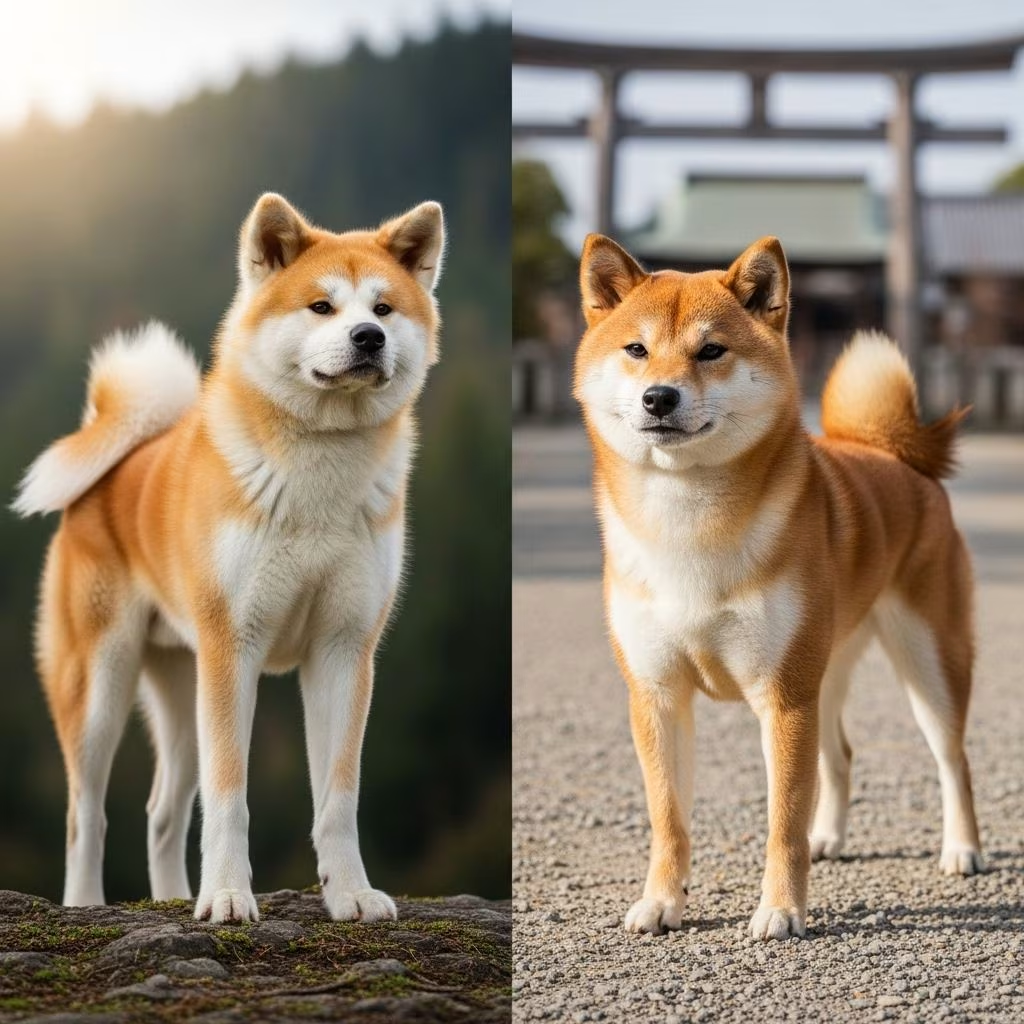
Akita vs. Shiba Inu: How to Tell the Difference
With their alert triangular ears, expressive eyes, curled tails, and plush coats, the Akita and Shiba Inu are unmistakably representatives of Japanese canine heritage. Yet, these renowned breeds differ in substantial ways, from their physical stature to their personalities and their roles throughout history. Whether you’re drawn to their noble history or simply their striking looks, understanding the nuances between these breeds can help you decide which companion is right for your household.
Origins and Shared Heritage
Both the Akita and Shiba Inu find their roots in the mountainous regions of Japan, believed to descend from ancient native dogs that accompanied early Japanese settlers thousands of years ago. Despite sharing a similar foundation, the two breeds evolved distinct purposes and profiles over centuries.
- Akita: The largest Japanese breed, the Akita’s lineage dates back to medieval times. Originally a powerful hunting dog used to track down large game like boar and even bears, Akitas transitioned into roles as guardians and fighting dogs after crossbreeding with other powerful breeds.
- Shiba Inu: The Shiba Inu, Japan’s smallest native breed, traces its ancestry to dogs that arrived with the earliest immigrants more than 9,000 years ago. These agile and alert dogs specialized in flushing birds and small game for hunters and were sometimes used in packs to hunt wild boar. Today, Shibas are beloved companions that retain a keen hunting instinct.
Similarities: Ancestry and Appearance
According to breed experts, Akitas and Shibas are similar in body structure, with both featuring upright ears, curled tails, and balanced, athletic bodies. They also share a plush double coat that gives them a ‘foxy’ look. Their similarities are no coincidence—both breeds are classified as spitz-type dogs, a group known for pointed ears, dense coats, and curled tails, all traits developed for cold, mountainous climates.
- Double Coat: Both breeds sport a two-layer coat consisting of a soft undercoat and a straight, weather-resistant outer coat.
- Expressive Features: Compact bodies, upright triangular ears, and curled tails are breed hallmarks.
- Shared Origins: Genetic and historical records show both breeds descend from the same spitz-type ancestors native to Japan.
Key Differences Between Akita and Shiba Inu
Though superficially similar, several differences set these breeds apart, making them each unique in both looks and temperament. Below, see a comparative table for a quick overview, followed by an in-depth look at each distinguishing trait.
| Characteristic | Akita | Shiba Inu |
|---|---|---|
| Height | 24–28 inches (61–71 cm) | 13.5–16.5 inches (34–42 cm) |
| Weight | 70–130 lbs (32–59 kg) | 17–23 lbs (7.7–10.4 kg) |
| Lifespan | 10–13 years | 13–16 years |
| Coat Colors | Red, White, Brindle, Black, Fawn, Silver, Pinto | Red, Sesame, Cream, Black & Tan |
| Tail | Thick, highly curled, often double-curled over back | Curled or arched over the back |
| AKC Group | Working Group | Non-Sporting Group |
| Temperament | Loyal, Dignified, Courageous, Reserved | Alert, Spirited, Independent, Bold |
| Exercise Needs | Moderate to high | High |
| Trainability | Moderate (can be stubborn) | Low to moderate (very independent) |
| Popularity (US) | Becoming more popular | Very popular as companion pets |
Physical Differences in Detail
1. Size and Proportion
The size gap between Akitas and Shiba Inus is instantly noticeable. Akitas tower over Shibas, making them one of the largest spitz breeds. Their brawny build reflects their original purpose: confronting and holding down large game. In contrast, the Shiba Inu was designed for agility and speed, useful for flushing birds and chasing smaller prey. As adults:
- Akita males can reach 28 inches at the shoulder and may weigh up to 130 pounds.
- Shiba Inu males typically top out at 16.5 inches and weigh only about 23 pounds.
2. Coat Type and Shedding
Both breeds have a double coat but differ in texture:
- Akita: Dense undercoat with a straight, harsh outer coat. They shed heavily year-round, with pronounced seasonal “blowouts.”
- Shiba Inu: Also double-coated but with a softer, thicker undercoat and a straight, hard outer coat. The fur is shorter and even on the head and legs, but longer on the body with prominent guard hairs.
3. Coat Colors and Markings
- Akita: Displays a wide array of colors, including red, white, fawn, black, brindle, silver, and pinto (white with colored patches). Black markings may also be present.
- Shiba Inu: Typically comes in red, sesame (red with black-tipped hairs), cream, or black and tan. Their color range is more limited than the Akita.
4. Tail Shape
Both breeds are famed for their expressive, high-set tails, but:
- The Akita’s tail is heavier, thicker, and usually features a three-quarter or full curl—or even a double curl—resting firmly over the back.
- The Shiba Inu’s tail is slightly less bushy and may arch or curl fully over the back. While curl is preferred, a simple arch is also acceptable.
Differences in Temperament and Behavior
Loyalty and intelligence characterize both breeds, but their approach to life and family is distinctly their own.
- Akita:
- Deeply loyal and profoundly attached to their family.
- Dignified, sometimes aloof with strangers, and protective—traits that made them revered as guardians.
- Tend to be dominant towards other dogs, especially of the same sex.
- Can be reserved, less playful with unfamiliar people or animals.
- Better suited to experienced dog owners who appreciate a strong-willed companion.
- Shiba Inu:
- Curious, alert, and highly spirited.
- Independent to a fault; often likened to a cat in their self-contained ways.
- Faithful but not necessarily openly affectionate; emotionally expressive but on their own terms.
- Energetic, playful, more social than Akita—gets along better with other dogs and is adaptable to busy households.
Trainability and Socialization
Both breeds are intelligent, but a strong independent streak can make training a challenge, especially for new dog owners.
- Akita: Responds best to consistent, patient, and positive training methods. Early socialization is vital to avoid aloof and overprotective tendencies.
- Shiba Inu: Known for stubbornness and a strong will; persistent and creative training keeps them engaged. Socialization should begin early, as Shibas can otherwise become territorial or excessively aloof.
Living With an Akita or Shiba Inu: Suitability as Pets
Your household, lifestyle, and expectations should guide your decision between an Akita and a Shiba Inu. Here are key considerations:
- Family Dynamics:
- Akitas are best for families without very young children or numerous pets, as their large size and protectiveness can be overwhelming. Secure fencing and strong leadership are essential.
- Shiba Inus, although smaller, need supervision with small children due to their playful yet independent streak. They often get along well with other dogs, especially if introduced early.
- Exercise Needs:
- Akitas require moderate daily exercise, such as brisk walks and mental stimulation. Excess energy can result in destructive behavior.
- Shiba Inus are more energetic, thriving on active play, walks, and activities that engage their keen senses. A bored Shiba may become mischievous or attempt to escape fenced areas.
- Grooming:
- Both breeds shed heavily during seasonal changes and need regular brushing, but the Akita’s sheer size means more fur to manage.
- Routine nail trims, ear cleaning, and dental care are required for both breeds.
- Health Concerns:
- Akitas are prone to certain health issues such as bloat, autoimmune conditions, and hip dysplasia.
- Shiba Inus are, overall, a hardy breed but should be monitored for allergies and knee problems such as luxating patella.
Choosing the Right Breed for You
When considering whether an Akita or Shiba Inu will fit best in your life, think honestly about your resources, space, and prior experience with strong-willed dogs. Akitas require a firm but gentle hand and do best with confident owners familiar with large, protective breeds. Shibas, while more accessible in size, still need knowledgeable handling and plenty of social engagement.
- Akita: Ideal for those seeking a large, dignified, protective companion with a deep loyalty to family. Not suitable for first-time dog owners or those with small children.
- Shiba Inu: Suits active owners who appreciate independent spirits and don’t mind a hint of mischief. Great for smaller living spaces and families with older children.
Summary Table: Akita vs. Shiba Inu Suitability
| Breed | Best For | Families with Kids | Other Pets | Space Needs |
|---|---|---|---|---|
| Akita | Experienced owners, quiet homes | Not recommended for homes with small kids | Difficult with other dominant dogs | Large fenced yard recommended |
| Shiba Inu | Active singles, families with older kids | Good if socialized early | Generally good with pets, if raised together | Adaptable to apartments if exercised |
Frequently Asked Questions (FAQs)
Q: Are Akitas good family dogs?
A: Akitas are deeply loyal, protective, and dignified. They can be excellent family dogs with proper socialization but may not be suitable for homes with very young children or lots of other pets due to their size and strong protective instincts.
Q: Are Shiba Inus easy to train?
A: While intelligent, Shiba Inus are known for their independence and stubbornness. Training can be challenging and requires patience, consistency, and creativity.
Q: How much grooming do Akitas and Shibas require?
A: Both breeds shed heavily and benefit from regular brushing, particularly during the spring and fall when they “blow” their coats. Basic grooming (nail trims, ear cleaning, dental care) is also needed.
Q: Which breed is more suitable for apartments?
A: Shiba Inus, due to their smaller size and adaptability, are better suited for apartment living. Akitas need more space and are generally better off in homes with a yard.
Q: Do Akitas or Shiba Inus get along with other dogs?
A: Akitas are often dominant and may not get along with dogs of the same sex. Shibas can coexist with other dogs if socialized early, but supervision is advised.
Final Thoughts
Both the Akita and Shiba Inu offer a window into Japan’s rich kinship with dogs. Choosing between them rests on understanding their personalities, your household, and your willingness to meet their unique needs. Whether you admire the commanding presence of the Akita or the plucky resilience of the Shiba Inu, both breeds have much to offer dedicated, informed dog lovers.
References
- https://www.akc.org/expert-advice/dog-breeds/akita-versus-shiba-inu-how-to-tell-the-difference/
- https://www.youtube.com/watch?v=SBAxe2Mtkeg
- https://www.chewy.com/education/dog/general/shiba-inu-vs-akita
- https://a-z-animals.com/pets/dogs/dog-comparison/akita-inu-vs-shiba-inu-differences/
- https://shamelesspets.com/blogs/the-shameless-digest/akita-inu-vs-shiba-inu-which-breed-is-right-for-you


