


Understanding Cold Sores
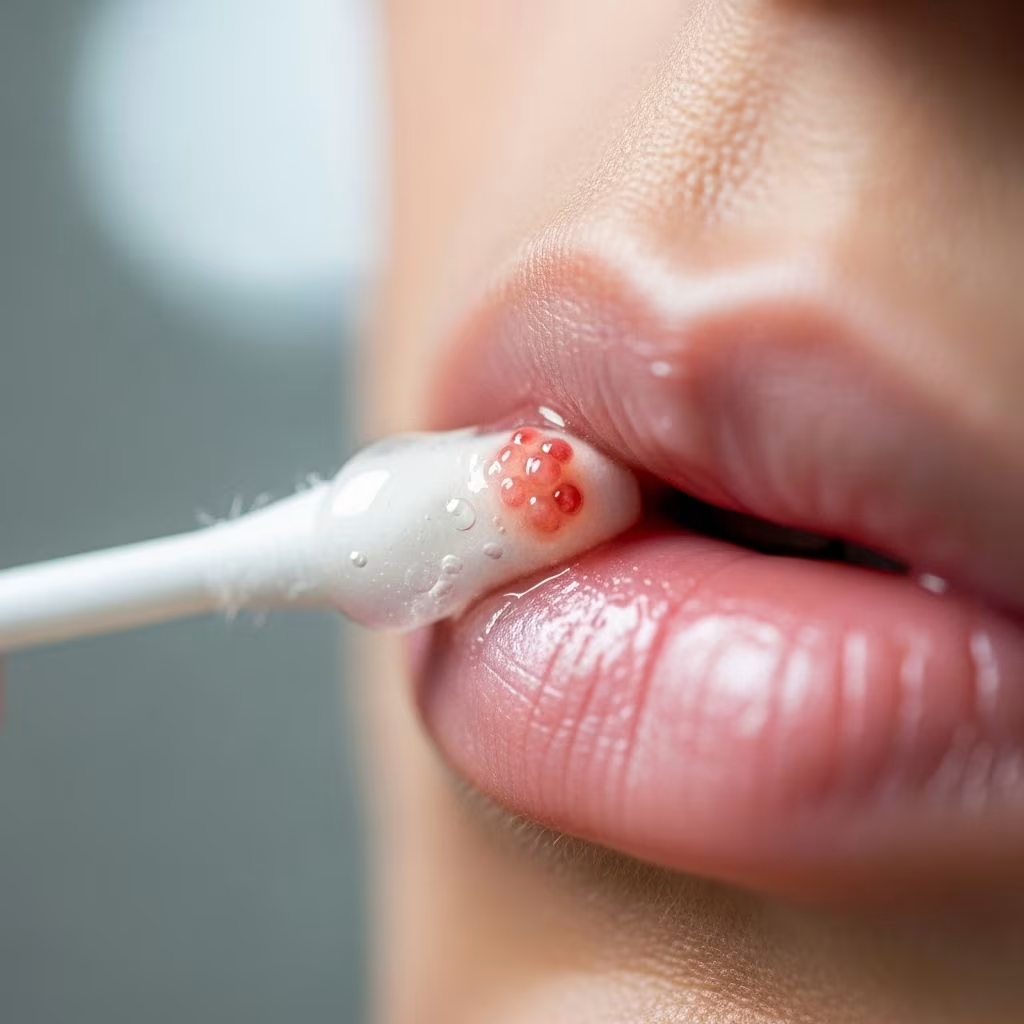
Cold sores, caused by the Herpes Simplex Virus Type 1 (HSV-1), are highly contagious blisters that appear on the lips and around the mouth. They can occasionally spread to other areas like the nose, chin, and eyes. Unlike genital herpes (HSV-2), cold sores are generally not sexually transmitted, but HSV-1 can cause genital herpes through oral-genital contact.
The Cold Sore Cycle
The typical cycle of a cold sore includes:- Tingling Stage: Initial sensations of itchiness or burning where the sore will appear.- Blister Formation: A cluster of small blisters forms, often painful and itchy.- Crusting Over: The blisters burst, crust over, and eventually heal.- Healing Stage: The scab falls off, leaving new skin underneath.
What Triggers Cold Sores?
Common triggers include stress, fatigue, sun exposure, and wind. Avoiding these factors can help prevent outbreaks. Additionally, managing stress and maintaining good overall health can reduce the frequency of cold sores.
Treating Cold Sores
Early intervention is key to managing cold sores effectively. Here are some tried and tested remedies:- Lysine Vitamins: Take two tablets at the first sign of tingling to reduce the severity of the outbreak.- Cold Sore Creams: Use antiviral creams like Zovirax to speed up healing once the sore has appeared.- Compeed Patches: These patches act as a protective barrier and contain active ingredients to aid healing, ideal for families with young children.- Sitavig: An antiviral tablet that dissolves in the gum line, providing fast relief.
Preventing Recurrences
After an outbreak, continue taking one Lysine tablet daily for a while to prevent another outbreak, as the virus remains active in the system.
Old Wives’ Tales to Avoid
Some home remedies are ineffective or even harmful, such as:- Spray Perfume: This can irritate the sore and cause discomfort.- Vegemite: While some people swear by it, applying Vegemite is not a proven treatment and can be irritating.- Rubbing Alcohol: Though it may dry out the blister, it is not a recommended treatment due to its potential to cause pain.
Seeking Professional Advice
Consulting a pharmacist or healthcare provider can provide access to over-the-counter antiviral medications that can help treat cold sores effectively.
Frequently Asked Questions (FAQs)
Q: How Contagious are Cold Sores?
A: Cold sores are highly contagious, especially in the early stages. It is advisable to avoid close contact with others during this time.
Q: Can Cold Sores be Prevented?
A: While not entirely preventable, avoiding triggers like stress and sun exposure can help reduce the frequency of outbreaks.
Q: What is the Best Way to Heal Cold Sores Quickly?
A: Using antiviral creams and maintaining good hygiene can help speed up the healing process. Early treatment is crucial for faster recovery.
Conclusion
Cold sores can be managed effectively with the right strategies and treatments. By understanding their causes and using proven remedies, you can reduce the frequency and severity of outbreaks.


