


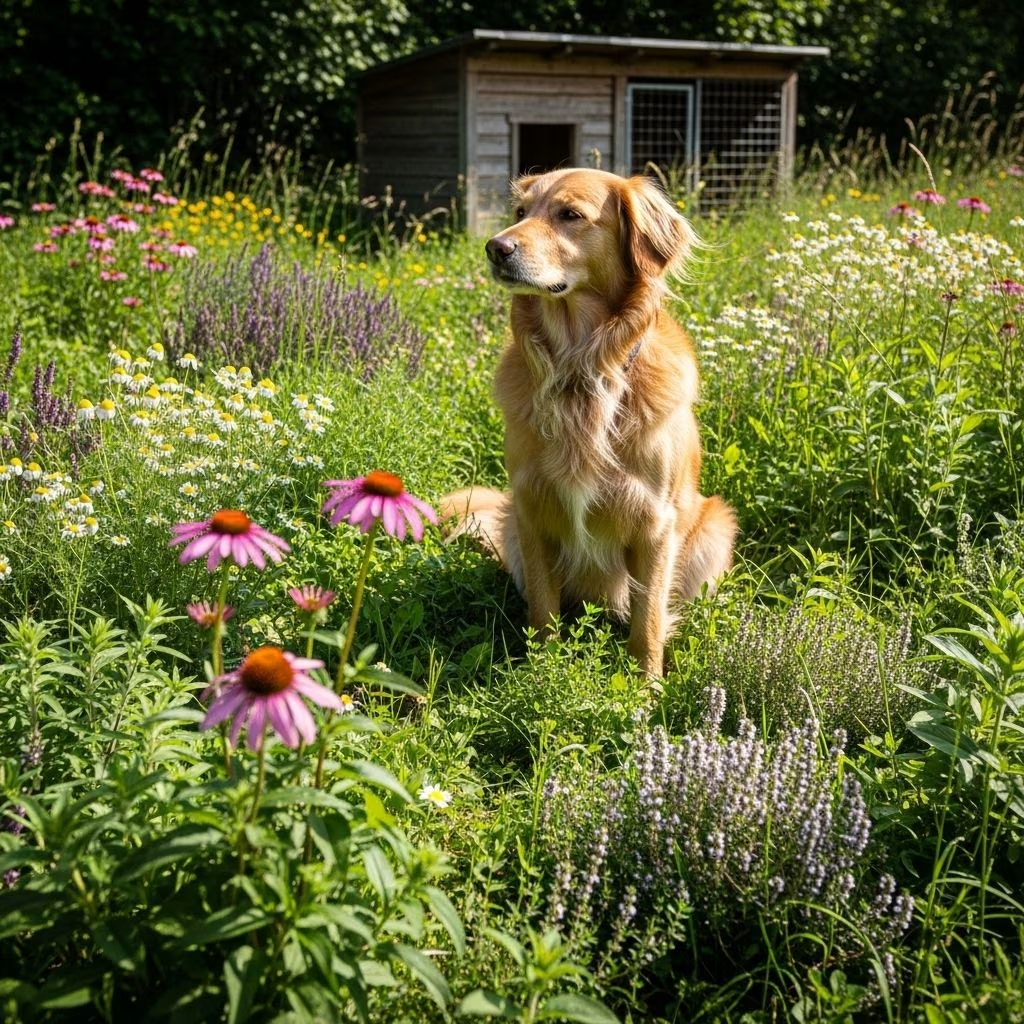
Natural Remedies for Kennel Cough in Dogs
Kennel cough (canine infectious tracheobronchitis) is a common, highly contagious respiratory illness in dogs, often compared to a cold or mild flu in humans. Characterized by a persistent, hacking cough, it raises understandable concern among dog owners, particularly when symptoms disrupt your pet’s comfort and routine. Fortunately, for mild cases, a thoughtful combination of natural remedies and supportive care at home can help soothe symptoms, bolster recovery, and reduce the risk of complications.
This thorough guide explores the most effective natural approaches, complete with practical advice and cautionary notes to safeguard your dog’s wellbeing.
Understanding Kennel Cough: Causes, Symptoms, Risks
Kennel cough is caused by several pathogens, most notably Bordetella bronchiseptica bacteria, as well as viruses like parainfluenza and canine adenovirus. Dogs usually contract it in crowded places (kennels, daycares, dog parks) through airborne droplets or direct contact.
- Main Symptoms: Dry, harsh, honking cough, sneezing, runny nose, mild fever, lethargy, and, sometimes, loss of appetite.
- Contagion period: Dogs may remain contagious for weeks even after symptoms resolve.
- Risks: Puppies, seniors, and immunocompromised dogs face greater risks of complications (e.g., pneumonia).
Always consult a veterinarian for proper diagnosis, as coughs can be signs of other or more serious conditions.
What To Do if Your Dog Gets Kennel Cough
- Isolate your dog from others to prevent transmission.
- Monitor your dog’s symptoms carefully. Mild cases often resolve within 1-2 weeks with supportive care.
- Consult a veterinarian promptly if you observe chesty or productive cough, high fever, breathing difficulties, inappetence, or listlessness.
Now, let’s explore safe, supportive remedies you can use at home to ease kennel cough symptoms and assist recovery.
Core Natural Remedies for Kennel Cough
1. Chamomile
Chamomile is widely recognized for its soothing, anti-inflammatory, and antimicrobial properties. Administered as a mild tea, it may help calm your dog, settle mild throat irritation, and encourage rest.
- Brew a cup of weak chamomile tea, let it cool, and add a spoonful to your dog’s water or food. Always use pure, unsweetened chamomile.
Tip: Confirm your dog is not allergic before introducing any herbs.
2. Honey
Honey—especially raw, unpasteurized honey—offers antibacterial, anti-inflammatory, and cough-suppressant properties. It coats the throat and eases irritation, resulting in temporary relief from coughing fits.
To use:
- Mix 1/2 to 1 teaspoon of raw honey with a small amount of warm water.
- Offer 2–3 times a day, depending on your dog’s size (small dogs: ½ tsp, large dogs: up to 1 tsp).
- May be drizzled on food, given directly, or incorporated with other soothing liquids such as chamomile tea.
Note: Never give honey to puppies under 1 year or dogs with diabetes due to sugar content.
3. Slippery Elm Gruel & Colloidal Silver
Slippery elm is a mucilaginous herb that has been traditionally used to soothe inflamed mucous membranes.
A simple gruel can be made by mixing slippery elm powder with water until a porridge-like consistency is achieved, then offering a small amount to your dog, ideally before meals to maximize the coating effect on the throat.
Colloidal silver is sometimes discussed as an antimicrobial support, but current scientific evidence is limited. If you choose to use colloidal silver, do so with extreme caution, at the absolute minimum effective dose, and consult a veterinarian first.
4. Steam Therapy
- Let your dog spend 10–15 minutes in a steam-filled bathroom (from a running hot shower), 2–3 times a day. Keep your dog safe and supervised, never directly exposing them to hot water.
- Steam moistens airways, making coughing more productive and easing throat dryness.
5. Chicken Broth and Hydration Support
- Warm, salt-free chicken broth or bone broth are nutritious fluids that help keep your dog hydrated, provide essential electrolytes, and can stimulate appetite.
- Ensure your dog always has access to fresh water. Dehydration prolongs recovery and worsens coughing.
6. Vitamin C, Probiotics, and Immune Boosting Nutrients
- Vitamin C plays a key role in immune function and antioxidant defense. Offer vitamin-rich foods like blueberries and broccoli, or use a supplement if recommended by your vet.
- Probiotics support a healthy gut, which is closely linked to immune resilience.
- Rest is fundamental. Encourage your dog to rest comfortably away from stress and excess excitement to allow bodily resources to focus on healing.
7. Coconut Oil
Coconut oil, thanks to antiviral and antibacterial compounds, is a popular addition to many canine diets during illness. It is palatable, can help stimulate appetite, and may reduce persistent coughing. As a guideline:
- Offer ½ teaspoon for small dogs, 1 teaspoon for medium dogs, and up to 2 teaspoons for larger dogs, mixed with food. Start with smaller amounts and monitor for digestive upset.
8. Herbal Remedies
- Licorice Root Tea: Used for its anti-inflammatory, antiviral, and demulcent (soothing) properties. Brew a mild tea and add small amounts to your dog’s food.
- Thyme: Provides both antibacterial and antiviral benefits. A pinch of dried thyme may be sprinkled on food or brewed as weak tea.
See table below for a summary of common natural remedies:
| Remedy | Main Effect(s) | Typical Use | Cautions |
|---|---|---|---|
| Honey | Soothes throat, reduces cough | 1/2–1 tsp, 2–3x/day | No puppies under 1 year, diabetic dogs |
| Chamomile | Calms, relieves irritation | Cool tea, small amounts with food | Allergy rare but possible |
| Slippery Elm | Coats and soothes throat | Porridge before meal | Check for GI issues, consult vet |
| Steam Therapy | Moistens airways, loosens mucus | 10–15 min, 2–3x/day | Never leave dog unattended |
| Chicken Broth | Hydration, nutrition | Offer small, frequent sips | Low salt, avoid onions/garlic |
| Vitamin C/Probiotics | Immune boost | As recommended by vet | Overdose can cause GI upset |
| Coconut Oil | Antiviral, immune support | ½–2 tsp per day with food | Watch for loose stool |
| Licorice, Thyme (Herbal Teas) | Anti-inflammatory, antimicrobial | Add cooled tea to meals | Short courses only; avoid for some conditions |
Prevention and Self-Care Strategies
- Vaccination: Talk to your vet about the Bordetella vaccine, required by most kennels and daycares.
- Reduce exposure: Avoid busy dog parks and boarding facilities during kennel cough outbreaks.
- Good hygiene: Regularly clean bedding, bowls, and toys to lower the risk of viral and bacterial transmission.
- Support immunity all year by feeding a balanced, nutrient-dense diet, minimizing stress, and including immune-supportive supplements if appropriate.
When to Seek Veterinary Help
- Cough lasts longer than 2 weeks.
- Your dog is very young, elderly, or immune-compromised.
- Symptoms worsen or include lethargy, reduced appetite, labored breathing, or nasal discharge with color.
- If at any point you suspect pneumonia or a more serious respiratory illness.
Frequently Asked Questions (FAQs)
Q: Can I use essential oils as a remedy for kennel cough?
A: Essential oils may be dangerous to dogs if ingested or used improperly. Avoid diffusing oils in a closed space with your pet and never apply undiluted oils to your dog’s skin or fur.
Q: How contagious is kennel cough to other pets?
A: Kennel cough is highly contagious among dogs. Cats are rarely affected. Always isolate an infected dog and disinfect shared items.
Q: Should I walk my dog while they have kennel cough?
A: Keep walks short and stress-free, avoiding excitement and rough play. Always use a harness (not a collar) to avoid throat irritation.
Q: How long does recovery usually take?
A: Mild cases generally resolve within 1–2 weeks. Severe or complicated infections may take longer and require veterinary intervention.
Summary: Gentle, Natural Support for Coughing Dogs
Kennel cough can be distressing, but most healthy dogs recover quickly with supportive care. Natural remedies—such as honey, chamomile, slippery elm, coconut oil, steam therapy, and herbal teas—can relieve discomfort and bolster the healing process. Monitor your dog closely for signs of complications, keep their environment clean and stress-free, and don’t hesitate to call your vet when in doubt. With vigilance and attentive home care, your dog will be on the road to recovery and back to their tail-wagging self soon.
References
- https://www.volharddognutrition.com/blog/helping-your-new-dog-overcome-kennel-cough-with-a-proper-nutritious-diet/
- https://www.peaksnpaws.com/blogs/dog-chews-toys/kennel-cough-treatment-home-remedies
- https://www.pranapets.com/blogs/pet-health/kennel-cough-home-remedies
- https://franklintnvet.com/kennel-cough-home-treatment-for-dogs/
- https://www.rover.com/blog/kennel-cough-home-remedies/
- https://wagwalking.com/treatment/natural-cough-remedies
- https://www.dogsnaturallymagazine.com/kennel-cough-treatment/
- https://mypetnutritionist.com/post/natural-remedies-for-kennel-cough-in-dogs/
- https://www.youtube.com/shorts/57mCNtlDDjM


