


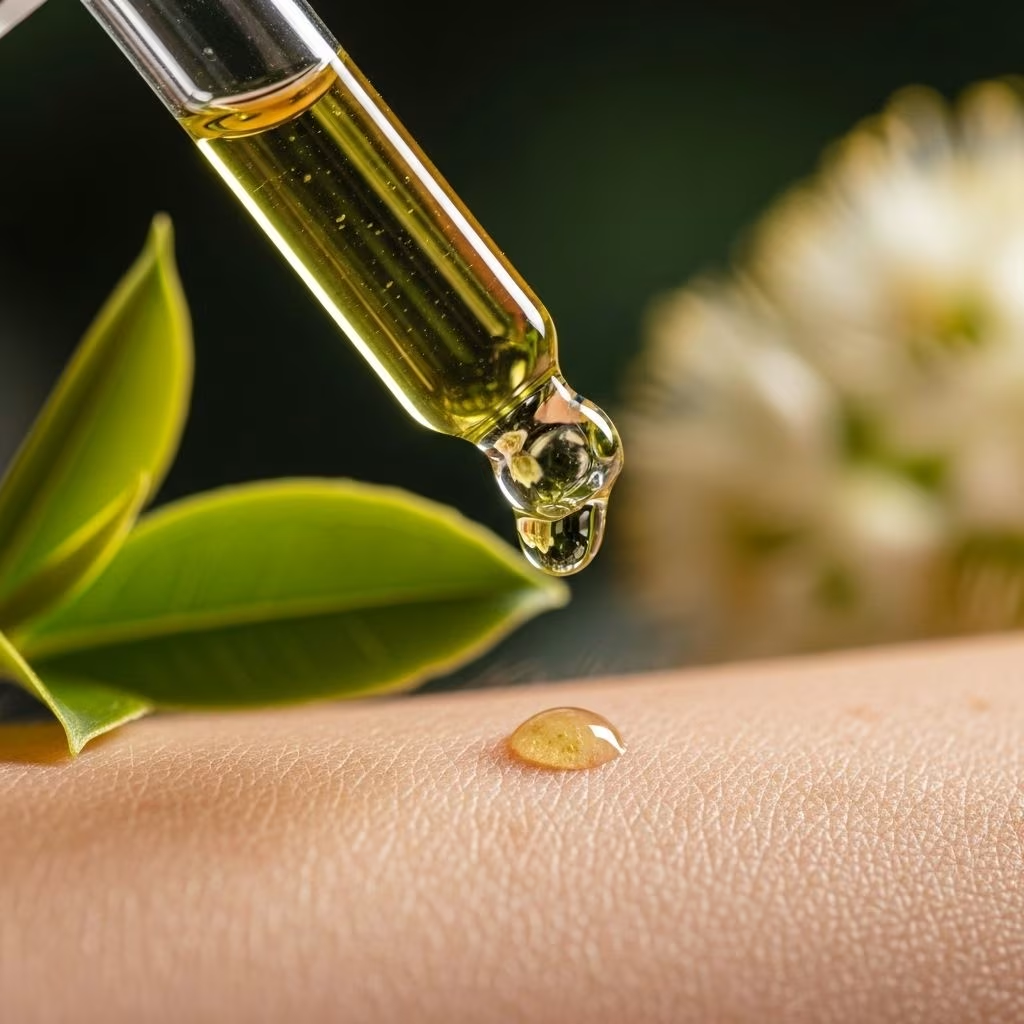
Tea Tree Oil for Skin Tags: Does It Work?
Skin tags are small, benign growths often appearing in areas like the neck, armpits, eyelids, and groin. Though harmless, many seek ways to remove them for aesthetic reasons. Tea tree oil, a widely used essential oil known for its antimicrobial properties, has become a popular home remedy for skin tag removal—but is it truly effective and safe?
Understanding Tea Tree Oil
Tea tree oil is extracted from the leaves of the Melaleuca alternifolia tree, native to Australia. It has a long history of traditional use among Aboriginal Australians for treating wounds and infections, largely due to its natural antiseptic and anti-inflammatory qualities.
- Commonly used for acne, athlete’s foot, and fungal infections
- Possesses antimicrobial, antiviral, and anti-inflammatory properties
- Available in various forms: pure oil, gels, creams, and shampoos
Can Tea Tree Oil Remove Skin Tags?
Many people report anecdotal success using tea tree oil to dry out and remove skin tags at home. The process typically involves applying diluted tea tree oil to the skin tag regularly, causing it to darken, shrivel, and eventually fall off.
- Application involves soaking a cotton ball with diluted tea tree oil and securing it to the skin tag for several hours or overnight
- Reported results may occur within several days to two weeks
- Users often combine tea tree oil with carrier oils (e.g., coconut or jojoba oil) to reduce irritation
However, it’s important to note:
- There is no scientific evidence that proves tea tree oil can safely or reliably remove skin tags
- Dermatology organizations, like the American Academy of Dermatology (AAD), do not recommend home remedies for skin tag removal
- Results are based on personal experiences, not clinical trials or medical studies
Anecdotal User Experiences
Some individuals have shared positive stories of using tea tree oil:
- Application once daily results in the tag darkening within 2-3 days, falling off in about a week
- Mild discomfort possible, but few report infection or bleeding
- Success seems variable, with some tags responding faster than others
Note that anecdotal evidence reflects individual experiences and should not substitute professional advice.
What Does the Research Say?
Despite thousands of online testimonials, clinical studies on tea tree oil and skin tag removal are lacking:
- No peer-reviewed research confirms the effectiveness of tea tree oil for skin tags
- Available studies focus on acne, wound healing, seborrheic dermatitis, photoaging, and dandruff
- Positive outcomes in other skin conditions often relate to tea tree oil’s antimicrobial, antifungal, and anti-inflammatory activity
| Condition | Evidence of Effectiveness | Notes |
|---|---|---|
| Acne | Strong evidence (5% gel reduces mild to moderate acne) | Minimal side effects reported |
| Wound Healing | Positive effects (antimicrobial supports healing) | Lacks research on skin tags |
| Skin Tags | No scientific support | Anecdotal only |
How Does Tea Tree Oil Work?
Tea tree oil’s primary active components, such as terpinen-4-ol, exert strong antimicrobial, antifungal, and anti-inflammatory effects. These benefits may:
- Dry out tissue: Believed to desiccate skin tags, causing them to shrink and fall off
- Reduce infection risk: Prevents bacteria from colonizing the wound post-removal
- Soothe skin: Decreases local inflammation and irritation
Although these actions benefit general skin health, their direct effect on skin tags remains scientifically unproven.
Other Health Benefits of Tea Tree Oil
- May help
- Treat acne and dandruff
- Reduce gum inflammation and dental plaque
- Combat eyelash mites with specific tea tree-containing products
- Boost immune defenses, inhibit viruses, fungi, and bacteria
How to Use Tea Tree Oil for Skin Tags
For those seeking natural methods, tea tree oil can be used carefully at home:
Application Steps
- Wash the area around the skin tag thoroughly with soap and water
- Dry completely to prevent moisture-related irritation
- Mix 3–5 drops of tea tree oil with a tablespoon of carrier oil (like coconut, olive, or jojoba oil) to prevent skin burn
- Soak a cotton ball with this blend and place over the skin tag
- Secure with a bandage and leave for several hours, usually overnight
- Repeat daily for up to 2 weeks
Safety Note: Never apply undiluted tea tree oil directly to skin, especially on sensitive areas such as eyelids, face, mucous membranes, or broken skin. Always perform a patch test on healthy skin before regular use.
Risks, Side Effects, and Precautions
Although tea tree oil is considered safe for topical use when properly diluted, it may still pose risks:
- Irritation: Redness, stinging, and itching may occur, particularly with concentrated oil
- Allergic reactions: Some people develop contact dermatitis
- Toxicity: Tea tree oil is poisonous if swallowed and should NOT be used internally
- Not for use on children: Young, sensitive skin is more prone to reaction
When to Avoid Tea Tree Oil
- If you have eczema or sensitive skin
- On skin tags present in delicate or mucous membrane areas (e.g., around the eyes or genitals)
- If you notice severe or prolonged irritation
- Prior to consulting with your healthcare provider for suspicious or painful skin growths
Expert Advice & Consensus
Dermatologists generally do not recommend home remedies for removing skin tags, including tea tree oil, due to lack of research and risk of adverse effects. A DIY approach could result in infection, scarring, or incomplete removal.
Other Essential Oils and Home Remedies
Tea tree oil is one of several essential oils used for skin tag removal. Others include:
- Lavender oil: Anti-inflammatory and soothing, ideal for sensitive skin
- Lemon oil: Astringent, may aid in drying out the skin tag
- Frankincense oil: Promotes healing and skin regeneration
- Oregano oil: Strong antimicrobial, helps prevent infection during removal
DIY Essential Oil Blends
- Mix 5–7 drops of your chosen essential oil with 1 tablespoon of carrier oil
- Apply 2–3 times per day to the skin tag, monitoring for reactions
- Discontinue use if irritation or allergy develops
Professional Skin Tag Removal Methods
If you prefer a guaranteed solution or experience complications, consult a dermatologist for proven medical treatments:
- Cryotherapy: Freezing the skin tag with liquid nitrogen
- Electrosurgery: Burning with an electrical current
- Surgical excision: Cutting out with sterile instruments
- Ligation: Tying off with thread to cut blood supply
These treatments are performed under sterile conditions, offer immediate results, and minimize infection or scarring risk.
Frequently Asked Questions (FAQs)
Q: Is it safe to use tea tree oil for skin tag removal?
Tea tree oil is generally safe when diluted properly and tested on small skin areas first. However, medical organizations do not endorse this method due to insufficient scientific evidence and the risk of irritation or allergic reactions.
Q: How long does it take for tea tree oil to work?
Anecdotal reports suggest skin tags may darken within 2–3 days and fall off in 7–14 days after daily applications. Results vary widely and may not occur for every user.
Q: Can I use tea tree oil on tags near my eyes?
No. The skin around the eyes is particularly sensitive, and accidental contact with tea tree oil can cause severe irritation. Seek professional advice for tags in delicate areas.
Q: What should I do if a skin tag bleeds or becomes painful?
If a skin tag bleeds, becomes painful, changes shape, or color, or grows rapidly, consult a dermatologist promptly to rule out underlying conditions.
Q: Are there any proven home remedies for skin tags?
No home remedy is scientifically proven or medically recommended for safe skin tag removal. Professional intervention offers the best results with minimal risks.
Final Thoughts
Tea tree oil continues to be popular for skin tag removal, fueled by anecdotal evidence and its known antimicrobial benefits. However, lack of clinical research and expert recommendations mean users should proceed with caution, monitor for side effects, and consult professionals when in doubt. If non-invasive home remedies fail or a skin growth behaves abnormally, professional medical treatment is the safest and most effective approach.
References
- https://www.healthline.com/health/teatreeoil-skintags
- https://www.goodrx.com/health-topic/dermatology/how-to-get-rid-of-skin-tags
- https://www.classycosmeticclinic.com/blog/essential-oils-skin-tag-removal/
- https://health.clevelandclinic.org/skin-tag-removal
- https://www.medicalnewstoday.com/articles/321641
- https://www.medicinenet.com/how_does_tea_tree_oil_get_rid_of_skin_tags/article.htm
- https://www.mayoclinic.org/drugs-supplements-tea-tree-oil/art-20364246
- https://pmc.ncbi.nlm.nih.gov/articles/PMC1360273/


