


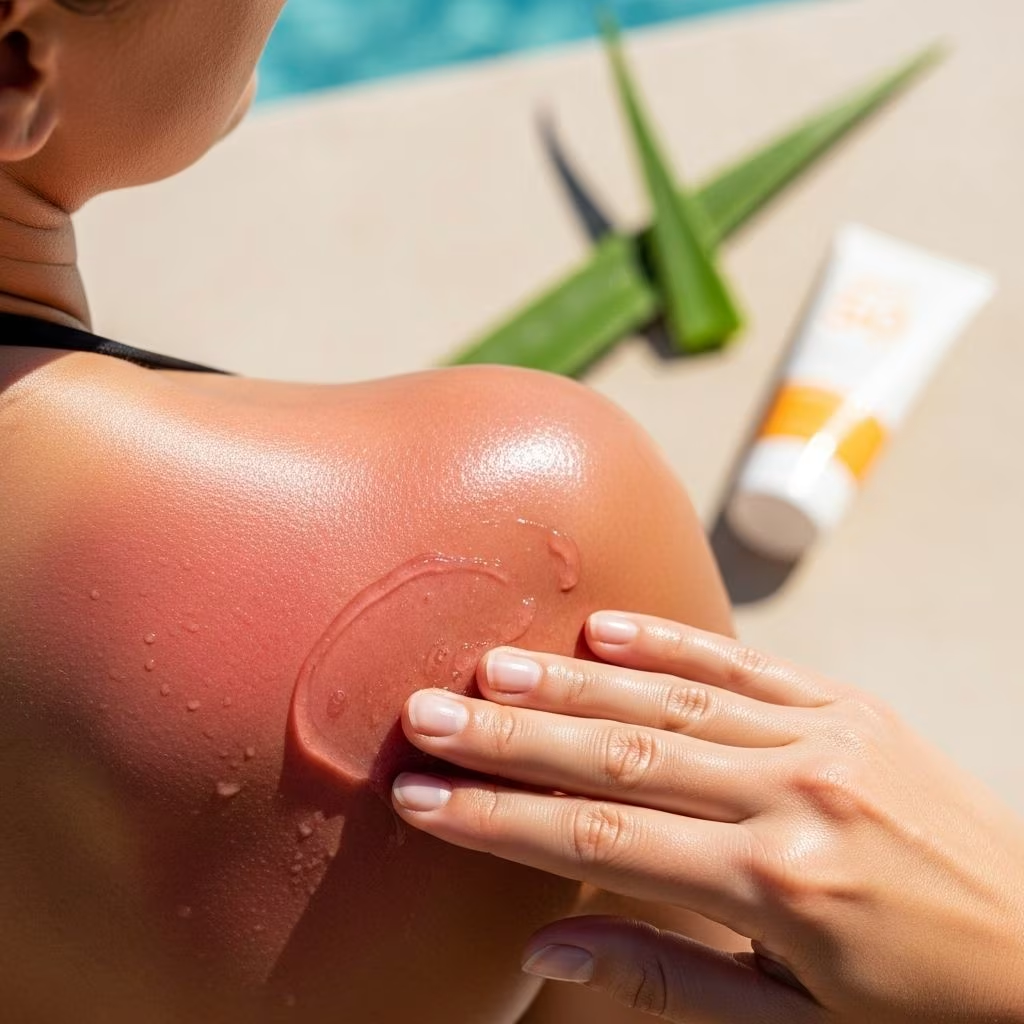
How to Quickly Treat Sunburns: Fast Relief, Healing & Prevention
Sunburns can occur before you realize the intensity of sun exposure, leaving your skin red, tender, and uncomfortable. While sunburn is a common issue, acting quickly with the right remedies and protective steps can make a significant difference in your comfort and skin health. This comprehensive guide covers all aspects of fast sunburn treatment—immediate relief, healing support, and crucial prevention techniques.
Understanding Sunburn: What Happens to Your Skin?
Sunburn is essentially an inflammation of the skin caused by excessive ultraviolet (UV) radiation from the sun (or artificial sources like tanning beds). The skin responds to this damage with redness, pain, heat, and sometimes swelling or blistering. While milder cases typically heal on their own, more intense burns require active care and attention to avoid complications.
Immediate Actions: What to Do Right After Getting Sunburned
As soon as you notice signs of sunburn (pinkness, warmth, stinging, or pain), act fast to prevent further skin damage and begin soothing your skin:
- Get out of the sun immediately. Move into the shade or indoors to stop further UV exposure.
Prolonged exposure exacerbates damage, increasing pain and healing time. - Cool down your skin. Apply a clean, cold towel or washcloth or take a cool bath or shower. This helps reduce inflammation and relieves discomfort. Avoid hot water, saunas, and heated pools, as these may aggravate your symptoms.
Do’s and Don’ts Right After Sunburn
| DO | DON’T |
|---|---|
| Seek immediate shade/indoors | Stay out in the sun |
| Take cool (not cold) baths or showers | Take hot baths/showers or use hot tubs |
| Pat skin gently with a towel | Rub/exfoliate or scrub the skin |
| Apply moisturizer with aloe or soy | Use petroleum-based products |
Effective Home Remedies for Sunburn Relief
These simple but powerful remedies will help you minimize pain, promote recovery, and avoid complications from sunburn:
1. Cool Compresses & Baths
- Frequent cool water baths. Taking a cool (not cold) shower or bath reduces heat and soothes burning sensations. Limit bath duration to avoid drying out skin
- Cool compresses. Place a clean, damp towel or washcloth on affected areas for 10-15 minutes several times a day.
2. Colloidal Oatmeal or Baking Soda Baths
- Add colloidal oatmeal or baking soda to your cool bath. These ingredients help calm irritation and aid natural moisture retention (use about 1 cup of oatmeal or 2 ounces/60ml of baking soda)
- Soak for 10 minutes, avoid scrubbing your skin during or after the bath, and dab dry with a soft towel.
3. Aloe Vera for Soothing & Healing
- Aloe vera gel is well-known for its cooling, soothing, and anti-inflammatory properties. Apply a generous layer of pure aloe vera gel or a moisturizer containing aloe directly to sunburned areas.
- Research supports aloe vera’s ability to accelerate wound healing in mild to moderate sunburn.
Note: For severe burns or second-degree burns (blistering, open wounds), seek professional medical advice and do not rely solely on home remedies.
4. Chamomile Tea Compresses
- Brew chamomile tea, let it cool fully, then soak a clean washcloth and place it on the sunburned skin. Chamomile’s natural compounds can relieve inflammation and promote healing.
- Avoid chamomile if you are allergic to plants like daisies, chrysanthemums, marigolds, or ragweed.
5. Hydration: Drink Plenty of Water
- Sunburn draws fluid from the skin and body, risking dehydration. Increase your water intake throughout the day, especially in hot weather or after prolonged sun exposure. Drink water, herbal iced tea, or electrolyte beverages as needed.
6. Moisturizers & Topicals
- After bathing, pat your skin dry gently and immediately apply a light moisturizer—preferably one containing aloe vera or soy. These have antioxidant properties that support healing.
- Do not use thick ointments (like petroleum jelly), as they can trap heat in the skin and worsen symptoms.
- Apply unscented, gentle lotions to keep skin nourished and prevent peeling.
7. Over-the-Counter Pain Relief
- For pain, swelling, or discomfort, use NSAIDs (non-steroidal anti-inflammatory drugs) like ibuprofen or acetaminophen as directed. These reduce both pain and inflammation.
- Do not exceed the recommended dose. If you are unsure about taking pain medication, consult your doctor.
8. Clothing: Protect, Don’t Irritate
- Wear loose, breathable, lightweight clothing that shields the skin from further friction and sun damage.
- Avoid tight, rough, or synthetic fabrics as they may exacerbate itching and discomfort.
As you heal, continue to stay out of the sun or cover exposed skin until all redness, pain, and tenderness resolve.
When to Seek Medical Help: Severe Sunburn & Warning Signs
While most sunburns can be managed at home, certain signs indicate the need for professional medical care:
- Blistering affecting a large area
- Severe pain, swelling, or discomfort that worsens or doesn’t subside
- Symptoms of sun poisoning—such as fever, chills, headache, nausea, vomiting, dizziness, rapid heartbeat, or confusion
- Signs of dehydration: dry mouth, dark urine, confusion, extreme thirst
- Unusual symptoms: pus, streaks, worsening swelling, or blisters with yellow fluid, which may indicate infection
Infants or young children with any sunburn, or anyone with extensive burns (>20% of the total body area), require prompt assessment by a healthcare provider.
What to Avoid When Treating a Sunburn
- No direct ice or ice packs on burned skin—extreme cold can further damage sensitive tissues.
- Do not break blisters. Let them heal naturally to prevent infection. If a blister ruptures, clean it with mild soap and cool water, then cover with moist gauze.
- No petroleum-based ointments or thick creams—these trap heat and delay healing.
- Do not use benzocaine or lidocaine creams, which may irritate or cause allergic reactions.
- Avoid corticosteroid creams or oral steroids, unless specifically prescribed by a physician.
- Avoid scrubbing, exfoliating, or harsh soaps.
- Don’t ignore severe or unusual symptoms: blisters, severe discomfort, fever, or dehydration require professional evaluation.
Sunburn Recovery: What to Expect & How Long Healing Takes
Recovery time depends on the severity of sunburn:
- Mild sunburn (pinkness, mild pain) typically heals within 3–5 days.
- Moderate sunburn (redness, pain, swelling, mild blistering) usually heals in about a week.
- Severe sunburn (large blisters, swelling, systemic symptoms) can take two or more weeks and often requires medical care.
As healing progresses, the skin may peel in the affected area. Do not pick or pull at peeling skin; allow it to shed naturally to avoid scarring or infection.
Long-Term Skin Care After Sunburn
Once the acute pain has resolved, continue to support healing and restore your skin barrier:
- Moisturize daily with gentle, fragrance-free creams or gels.
- Protect new skin from future UV exposure by covering up and using sunscreen.
- If residual dark spots or pigmentation appear, they often fade in time; consult a dermatologist for persistent discoloration.
Sunburn Prevention: Protecting Your Skin for the Future
The best way to deal with sunburn is to prevent it altogether. Here are proven tips:
- Apply a broad-spectrum sunscreen of at least SPF 30 every 2 hours (or after swimming or sweating).
- Wear protective clothing, including wide-brimmed hats, sunglasses, and UPF-rated long sleeves or pants.
- Seek shade between 10 a.m. and 4 p.m., when the sun’s rays are strongest.
- Avoid tanning beds and artificial UV sources.
Educating children and teens about sun safety helps establish lifelong protective habits, reducing their future risk of skin cancer and premature aging.
Frequently Asked Questions (FAQs)
Q: How long does sunburn usually last?
A: Mild sunburns typically heal in 3–5 days, while moderate or severe cases may take one to two weeks. Blistering and peeling may prolong recovery.
Q: Is it safe to pop sunburn blisters?
A: No. Avoid popping sunburn blisters. Let them heal on their own to prevent infection and scarring. If a blister breaks, clean gently and cover with sterile gauze.
Q: What’s the best type of moisturizer for sunburned skin?
A: Use a gentle, fragrance-free lotion or gel containing aloe vera or soy. Avoid thick, petroleum-based products which can trap heat.
Q: Can I use hydrocortisone cream for sunburn?
A: A 1% hydrocortisone cream may provide relief for severe itching or inflammation. Always use as directed and consult your doctor if symptoms persist.
Q: What are the warning signs that sunburn is serious?
A: Seek medical attention for widespread blistering, severe pain, fever, chills, nausea, headache, confusion, or signs of dehydration.
Q: Can you treat sunburn with home remedies only?
A: Most mild sunburns heal with home remedies. For severe cases—especially those involving large blisters, high fever, or dehydration—medical care is necessary.
Key Takeaways for Fast Sunburn Relief
- Act quickly: Get out of the sun, cool the skin, and hydrate as soon as you notice symptoms.
- Use proven remedies like aloe vera, moisturizers, cool baths, and OTC pain relievers for comfort and healing.
- Protect the healing skin from further sun exposure and friction.
- Know when to seek help: severe symptoms, large blisters, or systemic reactions require professional care.
- Prevent future sunburns with sunscreen, protective clothing, and sun-safe habits.
Prompt sunburn care not only reduces pain but also minimizes long-term skin damage—helping you heal swiftly and keep your skin healthy all summer long.
References
- https://www.healthline.com/health/sunburn
- https://www.bannerhealth.com/healthcareblog/better-me/bad-sunburn-eight-tips-to-treat-and-find-some-relief
- https://www.yalemedicine.org/news/how-to-treat-a-sunburn
- https://www.ncbi.nlm.nih.gov/books/NBK534837/
- https://www.aad.org/public/everyday-care/injured-skin/burns/treat-sunburn
- https://www.mayoclinic.org/diseases-conditions/sunburn/diagnosis-treatment/drc-20355928
- https://my.clevelandclinic.org/health/diseases/21858-sunburn
- https://www.allinahealth.org/healthysetgo/heal/tips-for-healing-a-sunburn


