


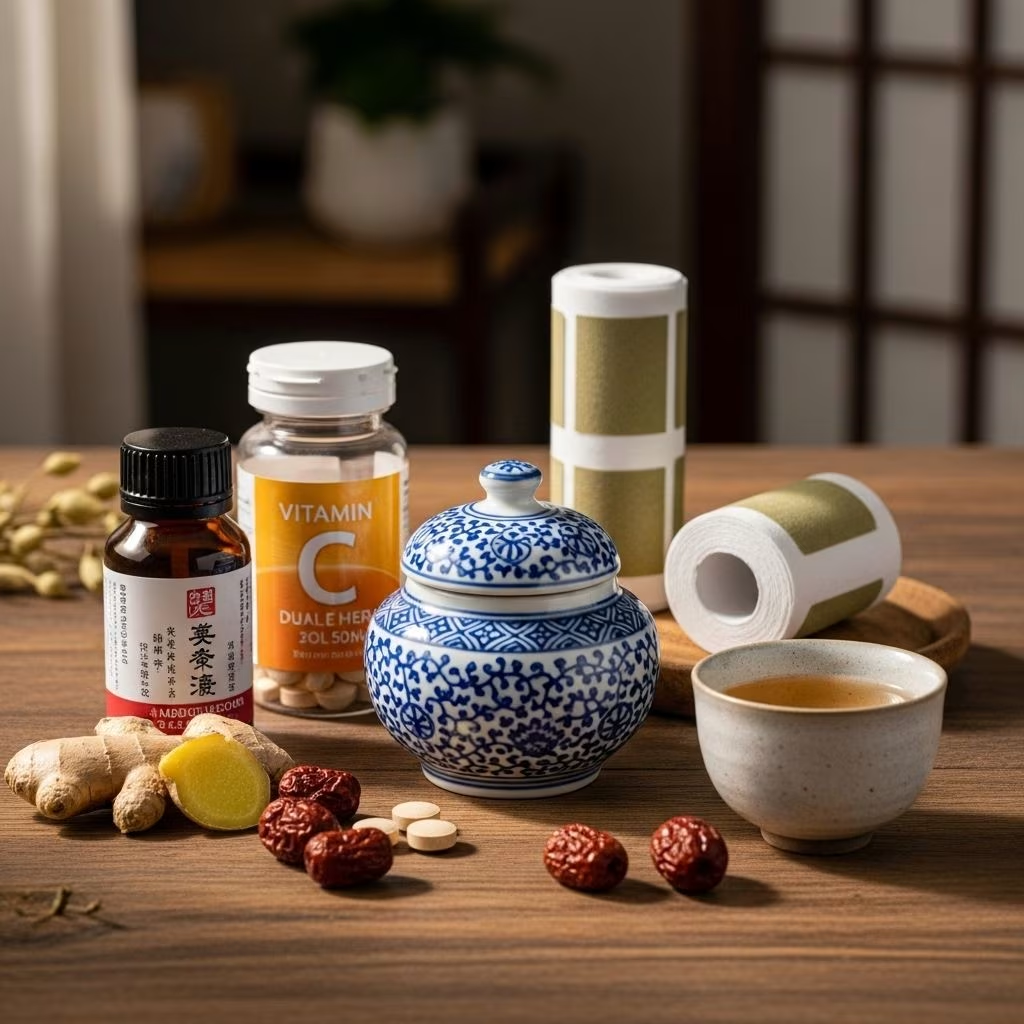
15 Timeless Remedies Our Asian Parents Swear By
If you grew up in an Asian household, you’ll recognize this “starter pack” of health remedies: a collection of iconic ointments, medicines, and supplements passed down from generations. Trusted by parents and grandparents, these products have become staple solutions for everything from coughs and colds to headaches and aches. This article explores the most memorable remedies, their origins, classic uses, and why they remain so relevant even today.
1. Tiger Balm
Tiger Balm is arguably the most famous ointment found in Asian homes. Its unique scent, a fusion of camphor and menthol, is instantly recognizable. Used for headaches, stomachaches, muscle pain, cold symptoms, and even mosquito bites, the balm is cherished for its versatility.
Invented by a Chinese herbalist who migrated to Myanmar, Tiger Balm’s popularity soared after his sons established a factory in Singapore in 1926. Today, its iconic packaging—featuring red and green labels—remains a nostalgic sight.
Main Ingredients: Camphor, menthol, cajuput oil, clove oil.
Common Uses:
- Relieving headaches and migraines
- Soothing muscle aches and pains
- Easing congestion during colds
- Reducing itchiness from insect bites
The balm’s cooling-warming sensation is touted as both comforting and effective in traditional wisdom and modern practice.
2. Scott’s Emulsion
Scott’s Emulsion, a cod liver oil tonic, is a rite of passage for many in Asia. Children either loved or despised its thick, fishy taste. Packed with vitamins A and D, it was believed to be essential for growth, immunity, and even shiny hair.
Many parents viewed Scott’s Emulsion as vital to maintaining children’s health, and over time, capsules replaced the glass bottles of the past.
Main Benefits:
- Boosting immunity
- Supporting bone and teeth development
- Enhancing hair and skin health
- Improving brain function
The love-hate relationship with Scott’s Emulsion lingers long after childhood, but its function as a foundational vitamin supplement is undeniable.
3. Vicks VapoRub
Vicks VapoRub is another household staple. With its menthol and eucalyptus aroma, parents swore by its ability to “clear out all that snot” and ease headaches and sore muscles.
Traditional Uses:
- Rubbing on the chest for colds, coughs, and congestion
- Massaging onto muscles to relieve aches
- Dabbing on temples for headaches
The distinct blue jar and familiar pungent smell instantly evoke childhood memories of comfort and care.
4. Yu Yee Oil (Minyak Yu Yee)
Yu Yee Oil holds a special place in the hearts of Asian parents, especially for baby care. With peppermint and cinnamon oils, it was massaged onto babies’ stomachs to soothe colic, bloating, or gassiness.
Popular Uses:
- Relieving stomach discomfort in infants
- Soothing muscle tension
- Treating minor pains and aches
Its gentle warmth and aromatic qualities continue to make it a go-to remedy for parents worried about their little ones’ tummy troubles.
5. Po Chai Pills
Po Chai Pills are tiny herbal pills originally from Hong Kong, packed into convenient red vials. Asian parents believed these pills would cure indigestion, stomachaches, and even food poisoning.
Main Benefits:
- Alleviating bloating after heavy meals
- Relieving nausea and digestive upset
- Restoring gut balance after overeating
Many continue to keep Po Chai Pills on hand, especially during festive gatherings, as a handy solution for digestive discomfort.
6. Kool Fever Patch
Kool Fever patch is a modern update in the remedies arsenal. These cool gel patches are adhered to the forehead to lower fever and provide comfort to sick children.
Uses:
- Immediate soothing for high temperatures
- Non-messy, easy fever relief for restless children
Popular for its convenience and gentle cooling effect, the Kool Fever patch is now a staple for families dealing with fevers.
7. Axe Brand Universal Oil
Axe Brand Universal Oil is widely recognized for its multi-use purposes. Its classic bottle and distinctive herbal scent make it a fixture for headaches, nausea, stomachaches, and dizziness.
Key Ingredients: Menthol, methyl salicylate, eucalyptus oil, camphor.
Traditional Uses:
- Massaging onto temples for headache relief
- Applying to chest to ease cough or congestion
- Using for mild abdominal discomfort
- Relieving nausea or dizziness
Easy to carry, effective, and trusted for generations.
8. Eucalyptus Oil
Eucalyptus Oil is renowned for its fresh, uplifting aroma and respiratory benefits. Parents believed it helped clear sinuses and respiratory tract issues.
Core Uses:
- Rubbing on chests to ease coughs
- Inhalation for nasal congestion
- Temporary muscle pain relief
Its presence in many multi-use oils underscores its continued importance in family medicine cabinets.
9. Yoko Yoko
Yoko Yoko is a medicated, blue sponge-tipped bottle that’s become a favorite for quick muscle pain relief. Though not as old as other remedies, the unique packaging is instantly recognizable.
Main Functions:
- Relieving muscle aches and pain
- Providing targeted comfort for sore wrists, shoulders, or neck
Yoko Yoko remains popular for adults needing convenient, on-the-spot treatment for sore muscles after sports or work.
10. Minyak Angin Cap Kapak
Minyak Angin Cap Kapak (Ax Brand Medicated Oil) is seen as a lifesaver for headaches, colds, or flu. Its compact bottle with a distinct cap and strong aroma has become iconic.
Uses:
- Clearing nasal passages during colds
- Relieving headaches and sinus congestion
- Temporarily soothing aching muscles
The memorable scent and compact design make it a beloved remedy for nearly every Malaysian family.
11. Mopiko
Mopiko, originating in Japan, is the top choice for itch relief from mosquito or insect bites. Many also use it for muscle soreness.
Benefits:
- Alleviating itch and redness from bites
- Soothing minor muscle aches
Mopiko’s gentle formula and effectiveness have earned it authorized medicinal status and long-term trust.
12. Bonjela
Bonjela is the preferred treatment for painful mouth ulcers, especially after being scolded by parents for not drinking enough water! Its cooling gel formula offers fast relief for oral discomfort.
Main Use:
- Relieving pain from mouth ulcers, canker sores, gum irritation
Bonjela’s effectiveness and instant soothing sensation ensure its place in family medicine chests.
13. Vitamin C Tablets
Vitamin C Tablets are universally considered vital by Asian parents for boosting immunity and preventing flu or colds.
Daily Benefits:
- Supporting immune function
- Preventing and treating colds
- Improving skin health
Popular brands include Redoxon and Cebion, often dispensed as fizzy chewable tablets for children.
14. Brand’s Essence of Chicken
Brand’s Essence of Chicken is viewed as a health tonic that improves alertness and stamina, especially during exams or after illness.
Key Functions:
- Boosting energy and improving concentration
- Accelerating recovery after sickness
- Supporting overall mental performance
The small glass bottle is a familiar sight when parents want children to stay sharp, especially during academic periods.
15. Jian Kang / Ching Bo Leung / Herbal Cooling Teas (Leung Cha)
Herbal Cooling Teas, including Leung Cha, are staple drinks particularly during hot spells. Asian parents brew herbal concoctions containing chrysanthemum, barley, or other cooling ingredients to balance the body’s heat and fight minor ailments.
Benefits Include:
- Reducing internal body heat (“heatiness”)
- Relieving sore throat and mild fever
- Supporting general wellness
The taste may be bitter, but the cooling effects and perceived health benefits make these teas a trusted remedy to avoid ‘heatiness’ and associated maladies.
Why Do These Remedies Endure?
The enduring popularity of these remedies is rooted in the blend of tradition, accessibility, and perceived effectiveness. Here’s why Asian families continue to trust these medicines and ointments:
- Cultural tradition: Passed down from generation to generation, these remedies carry nostalgia and familial wisdom.
- Multi-purposeness: Most can be used for several ailments, making them a cost-effective, practical choice.
- Simplicity: Easy to apply, often with immediate, comforting sensations.
- Availability: Almost all are easily accessible at pharmacies, supermarkets, or via relatives returning from overseas.
- Combination of herbal and scientific elements: Many remedies blend traditional herbs with modern science—think cod liver oil or vitamin C.
Popular Ingredients and Traditional Medicine: An Overview
Many remedies have herbal origins rooted in Traditional Chinese Medicine (TCM), Japanese formulations, or Southeast Asian blends. Key ingredients include menthol, camphor, eucalyptus, peppermint, cod liver oil, and herbal extracts such as chrysanthemum or barley.
Some ingredients and their reputed benefits:
| Ingredient | Occurrence | Believed Benefits |
|---|---|---|
| Menthol | Tiger Balm, Vicks, Axe Brand Oil, Yoko Yoko | Cooling relief, decongestion, headache relief |
| Camphor | Tiger Balm, Axe Brand Oil | Pain relief, anti-inflammatory properties |
| Eucalyptus Oil | Vicks, Axe Brand, Minyak Cap Kapak | Promotes respiratory health, decongestant |
| Peppermint Oil | Yu Yee Oil, Minyak Cap Kapak | Digestive comfort, soothes colic |
| Cod Liver Oil | Scott’s Emulsion | Boosts immunity, healthy growth |
| Barley, Chrysanthemum Tea | Herbal Cooling Teas | Reduces body heat, soothes throat |
Frequently Asked Questions (FAQs)
Q: Are these remedies scientifically proven?
Many have scientific studies supporting some benefits—such as vitamin C for immunity or menthol for congestion relief—but others rely primarily on anecdotal evidence and family tradition. Always consult healthcare professionals for serious diseases or persistent symptoms.
Q: Can these remedies be used together?
Most remedies target specific symptoms; combining certain products is generally safe (e.g., oral supplements and external ointments). However, always check with a pharmacist or doctor, especially for young children or individuals with allergies.
Q: Are herbal teas suitable for everyone?
Herbal teas are usually safe, but some blends may not be suitable for pregnant women, babies, or individuals on medication. Consult a healthcare provider if unsure.
Q: What makes Asian remedies unique?
They combine practical effectiveness, herbal wisdom, and cultural heritage. Their multi-purpose uses and accessibility have shaped household medicine routines for decades.
Q: Should these remedies replace modern medicine?
No. While effective for mild symptoms or first aid, these remedies should complement—not replace—professional medical advice for serious illnesses.
Conclusion: The Comfort of Tradition in Modern Times
Although pharmaceutical advances have broadened choices in health care, the comfort and reliability of traditional Asian remedies remain unmatched for many families. Whether it’s the soothing rub of Tiger Balm, the familiar gulp of Scott’s Emulsion, or a bitter herbal tea, these medicines often come with deep-rooted memories and trusted effectiveness. As generations continue to rely on these classics, their place in Asian households seems assured for decades to come.
References
- https://www.healthline.com/nutrition/herbal-medicine
- https://www.oprahdaily.com/beauty/a36430438/hao-life-herbal-medicine/
- https://solsticemed.com
- https://says.com/my/lifestyle/medicine-ointments-vitamins-our-asian-parents-swear-by
- https://en.wikipedia.org/wiki/List_of_traditional_Chinese_medicines
- https://www.betterhealth.vic.gov.au/health/conditionsandtreatments/chinese-herbal-medicine
- https://wthn.com/blogs/wthnside-out/traditional-chinese-medicine-herbs-list
- https://nationaleczema.org/blog/traditional-chinese-medicine-and-eczema/


