


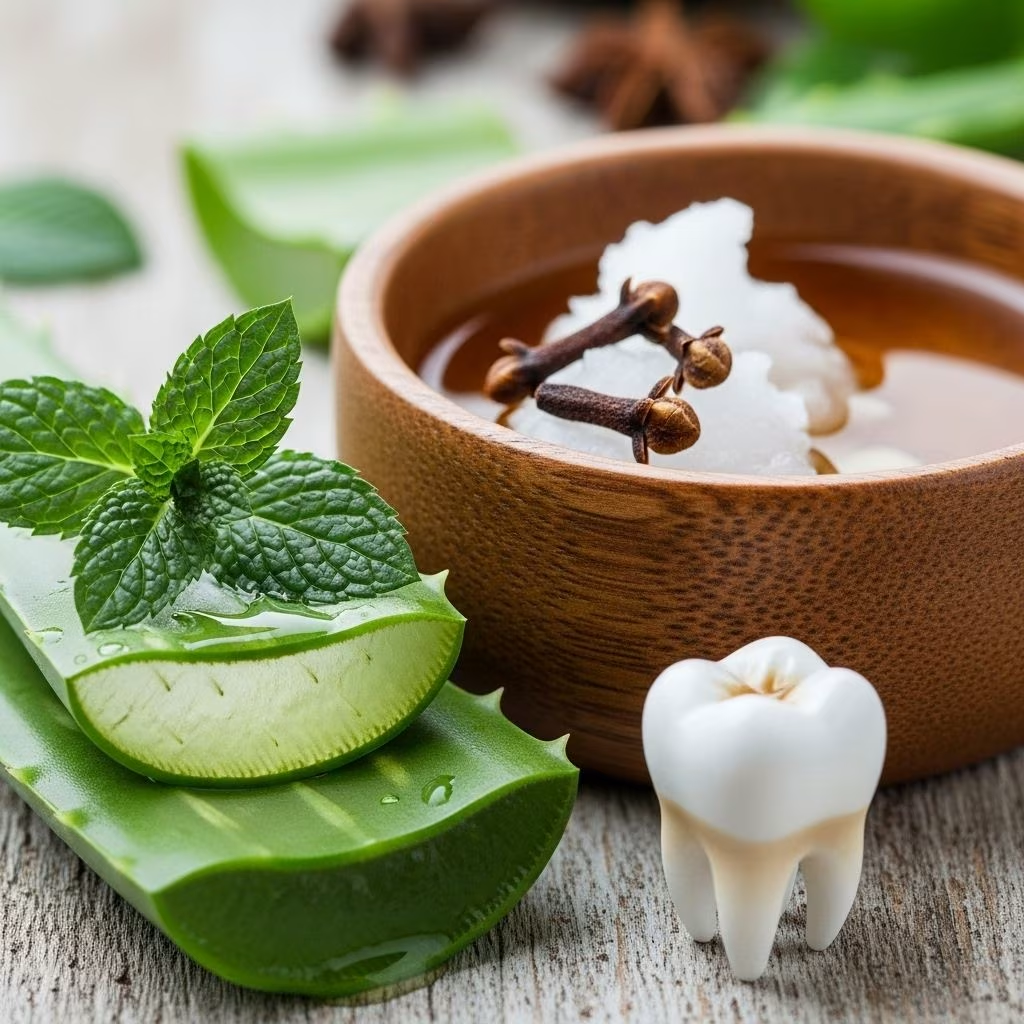
Natural Remedies for Toothaches and Gum Pain: Do They Really Work?
Toothaches and gum pain often strike at the most inconvenient times, causing discomfort that ranges from mild sensitivity to severe throbbing. While immediate professional treatment is the gold standard for lasting relief, many individuals turn to natural remedies as a means of managing dental discomfort until a dentist can be seen. But how well do these home-based methods really work?
Understanding Toothache and Gum Pain
Before diving into potential remedies, it’s important to understand the main causes of tooth and gum pain:
- Tooth decay: Bacterial activity leading to cavities.
- Gum disease (gingivitis or periodontitis): Infection or inflammation of the gums.
- Abscesses: Pockets of infection resulting in swelling and severe pain.
- Injury or trauma: Cracked or chipped teeth, or gum injuries.
- Dental procedures: Temporary pain after fillings or other treatments.
Identifying the underlying cause is key—while natural remedies may offer temporary relief, they aren’t substitutes for professional diagnosis and treatment.
Common Natural Remedies for Toothache and Gum Pain
Many household items and herbal solutions have been used for generations to ease oral discomfort. Here’s an evidence-based review of the most popular approaches and expert guidance on their proper use.
1. Saltwater Rinse
How it Works: Saltwater acts as a natural disinfectant, helping to relieve inflammation, promote healing, and dislodge food particles or debris stuck between teeth.
How to Use:
- Dissolve a half teaspoon of salt in a cup of warm water.
- Swish the solution in your mouth for 30 seconds, then spit out.
- Repeat as needed, 2-3 times a day.
Effectiveness: Saltwater rinses provide temporary relief and can reduce minor swelling. They do not treat underlying infections, but are safe and helpful as a first response remedy.
2. Cold Compress
How it Works: Applying a cold compress constricts blood vessels, reduces swelling, and numbs pain signals.
How to Use:
- Wrap ice or a cold pack in a towel.
- Apply to the outside of your cheek (never directly to the gums or teeth) for 15-20 minutes.
- Repeat every couple of hours as needed.
Effectiveness: A cold compress can efficiently decrease acute pain and inflammation from injuries or swelling. It should not be used on cracked or sensitive teeth directly.
3. Clove Oil
How it Works: Clove oil’s active ingredient, eugenol, acts as a natural anesthetic and anti-inflammatory agent. It can numb the affected area and combat bacteria.
How to Use:
- Dilute clove oil with a carrier oil (like olive oil).
- Soak a cotton ball in the mixture and apply gently to the affected area.
- Do not swallow and avoid use in children without dental guidance.
Effectiveness: Clinical studies support clove oil for temporary pain management, but its numbing effect is short-lived, and misuse can irritate tissues.
4. Peppermint Tea Bags
How it Works: Peppermint contains menthol, known for its cooling and mild numbing properties. Peppermint tea can soothe irritated gums and ease discomfort.
How to Use:
- Steep a peppermint tea bag in hot water, then allow it to cool to a comfortable temperature.
- Apply directly to the sore area for several minutes.
- Alternatively, chill the wet tea bag in the freezer for a cold compress effect.
Effectiveness: Helpful for mild toothaches and gum sensitivity but not a cure for underlying issues.
5. Hydrogen Peroxide Rinse
How it Works: Hydrogen peroxide is a mild antiseptic that fights bacteria and can help reduce inflammation.
How to Use:
- Mix equal parts 3% hydrogen peroxide with water.
- Swish around your mouth for about 30 seconds, then spit and rinse with plain water.
- Never swallow hydrogen peroxide.
Effectiveness: Useful as an antibacterial rinse for gum health, but inappropriate if you have open sores or for children under 12. Always dilute properly.
6. Garlic
How it Works: When crushed, garlic releases allicin, a compound with strong antibacterial and anti-inflammatory properties. It can both reduce pain and inhibit bacterial growth.
How to Use:
- Crush a garlic clove and mix with a little salt for a paste.
- Apply directly to the painful tooth or gum for a few minutes.
- Alternatively, chew a raw garlic clove slowly.
Effectiveness: Anecdotal and scientific evidence support its short-term use against dental pain and infection.
7. Vanilla Extract
How it Works: Contains alcohol for numbing and antioxidants for healing properties.
How to Use:
- Dab a cotton swab or your finger in real vanilla extract.
- Apply directly to the sore spot up to several times daily.
Effectiveness: Temporary pain relief, especially in a pinch. Must be real vanilla extract for best results.
8. Onion
How it Works: Raw onions have antimicrobial properties that may help reduce pain and fight infection-causing bacteria.
How to Use:
- Cut a slice of raw onion and chew directly on the affected side.
- If chewing is too painful, hold the onion slice against the tooth or gum.
Effectiveness: The odor is strong, but many find relief from onion’s antibacterial effects.
9. Turmeric Paste
How it Works: Turmeric is rich in curcumin, known for anti-inflammatory and antimicrobial effects.
How to Use:
- Mix turmeric powder with water to form a thick paste.
- Apply directly to the sore tooth or gum and let sit for several minutes before rinsing.
Effectiveness: Reduces mild swelling and discomfort, but does not cure infections.
10. Thyme Essential Oil
How it Works: Thymol, found in thyme, is a strong natural antiseptic and antioxidant. It may help manage dental pain and reduce bacterial growth.
How to Use:
- Always dilute thyme essential oil with a carrier oil.
- Apply using a cotton ball to the affected tooth or gum.
- Alternatively, add a drop to a small glass of water and use as a mouthwash.
Effectiveness: Supported in herbal medicine for mild relief; essential oils must be used safely.
11. Guava Leaves
How it Works: Contains anti-inflammatory, antimicrobial, and analgesic agents that may help relieve toothache pain.
How to Use:
- Chew fresh guava leaves on the affected side, or
- Boil the leaves in water, let cool, and use as a mouth rinse.
Effectiveness: Traditional remedy in some cultures; limited scientific data, but considered safe for mild use.
12. Wheatgrass
How it Works: High in chlorophyll, which has antibacterial and anti-inflammatory effects.
How to Use:
- Use fresh wheatgrass juice as a mouthwash for a minute or two, then spit out.
Effectiveness: May reduce bacteria and inflammation, but more research is needed.
Other Notable Natural Remedies
- The Toothache Plant (Spilanthes acmella): Chewing the blossom causes a numbing sensation due to spilanthol. Traditionally used for temporary pain relief, especially where it grows naturally. Caution if allergic to daisies or using certain medications.
- Hydrogen Peroxide Rinse: Helpful against bacteria and inflammation, but not for use if open sores or in children.
Do These Natural Remedies Really Work?
Most natural remedies focus on symptom relief rather than curing the underlying cause. The effectiveness varies:
- Some (clove oil, saltwater, garlic) offer short-term pain relief by numbing the area or reducing inflammation.
- Antimicrobial remedies (onion, hydrogen peroxide, wheatgrass, guava leaves) may decrease bacteria but are rarely strong enough to resolve infections or advanced gum disease.
- Others (peppermint, thyme, turmeric, vanilla) gently reduce discomfort but don’t address serious dental problems.
- No home remedy should ever replace timely dental diagnosis and professional treatment, particularly if pain persists, is severe, or is accompanied by swelling, fever, or pus.
When to See a Dentist
Natural remedies are best used for temporary, mild symptoms or as adjuncts while waiting for a dental appointment. Seek professional care if you experience:
- Severe pain lasting more than 24-48 hours
- Swelling in the face or jaw
- Fever, bad taste, or pus (signs of infection)
- Difficulty swallowing or breathing
A dental professional can determine the true cause (decay, infection, trauma), perform appropriate treatment (fillings, deep cleaning, antibiotics, root canal, extraction), and provide safe pain management guidance.
Safety Tips for Using Natural Toothache Remedies
- Always dilute essential oils and avoid swallowing any oils, hydrogen peroxide, or concentrated remedies.
- Use only real, food-grade extracts and oils (avoid imitation vanilla, etc.).
- Do not apply ice or cold packs directly to oral tissues—always use a cloth barrier.
- Children should not use hydrogen peroxide, undiluted oils, or herbal remedies without dental advice.
- If you have allergies, medical conditions, or take medications, check for potential interactions.
| Remedy | Main Effect | Scientific Support | Safety Notes |
|---|---|---|---|
| Saltwater Rinse | Reduces swelling, cleans | Yes (supportive care) | Safe for most |
| Cold Compress | Reduces pain & inflammation | Yes | Avoid direct tissue contact |
| Clove Oil | Numbs pain, antibacterial | Yes (short-term) | Can irritate gums, keep away from kids |
| Peppermint Tea Bags | Mild numbing, soothes | Limited | Generally safe |
| Hydrogen Peroxide Rinse | Antibacterial, reduces inflammation | Yes (with caution) | Do not swallow; dilute well |
| Garlic | Antibacterial, reduces pain | Good traditional support | Possible irritation, odor |
| Vanilla Extract | Topical anesthetic | Limited | Use real extract; don’t ingest large amounts |
| Onion | Antimicrobial, mild numbing | Traditional | Strong smell |
| Turmeric Paste | Anti-inflammatory | Some evidence | May stain teeth |
| Thyme Essential Oil | Antimicrobial | Evidence in herbal medicine | Always dilute |
| Guava Leaves | Anti-inflammatory, analgesic | Traditional/limited studies | Safe for mild use |
| Wheatgrass | Antibacterial, anti-inflammatory | Limited | Generally safe |
| Toothache Plant | Numbs mouth (spilanthol) | Limited/ethnobotanical | Avoid if allergic to daisies, pregnant, etc. |
Frequently Asked Questions (FAQs)
Q: Can natural remedies cure a toothache permanently?
A: No. Natural remedies can provide short-term relief, but only dental treatment can address the underlying cause like decay or infection.
Q: Is it safe to use clove oil or other essential oils on children?
A: Essential oils can be irritating and should only be used in highly diluted form, and with guidance from a dentist for children.
Q: How long should I use a home remedy before seeking dental care?
A: If pain lasts longer than 24-48 hours, worsens, or is accompanied by fever or swelling, seek dental care immediately.
Q: Are over-the-counter painkillers effective for toothache?
A: Yes, OTC medications like ibuprofen can temporarily reduce pain and inflammation, but address only the symptoms, not the cause.
Q: Can hydrogen peroxide be swallowed if used as a mouth rinse?
A: No. Hydrogen peroxide must always be diluted and never swallowed. It can be toxic if ingested.
Final Thoughts
Natural and home remedies can provide temporary relief for toothaches and gum pain, especially while awaiting a dental appointment. However, it is vital to remember they do not replace professional diagnosis and treatment. Persistent pain, swelling, or other serious symptoms should always be evaluated by a dentist as soon as possible for proper care and to prevent complications.
References
- https://ednadentistry.com/home-and-natural-remedies-for-toothache-pain/
- https://www.diamonddental.com/blog-bellingham/natural-remedies-toothache-relief/
- https://www.healthline.com/health/dental-and-oral-health/home-remedies-for-toothache
- https://www.colgate.com/en-us/oral-health/cavities/four-homemade-toothache-remedies
- https://www.webmd.com/oral-health/home-remedies-toothache
- https://www.azfd.com/blog/toothache-home-remedies-really-work/
- https://cheslynhaydental.co.uk/home-tooth-ache-remedies-do-they-work/
- https://staleydental.com/blog/say-goodbye-to-tooth-pain-home-remedies/
- https://www.diamondheaddentalcare.com/blog/natural-toothache-remedies/


