


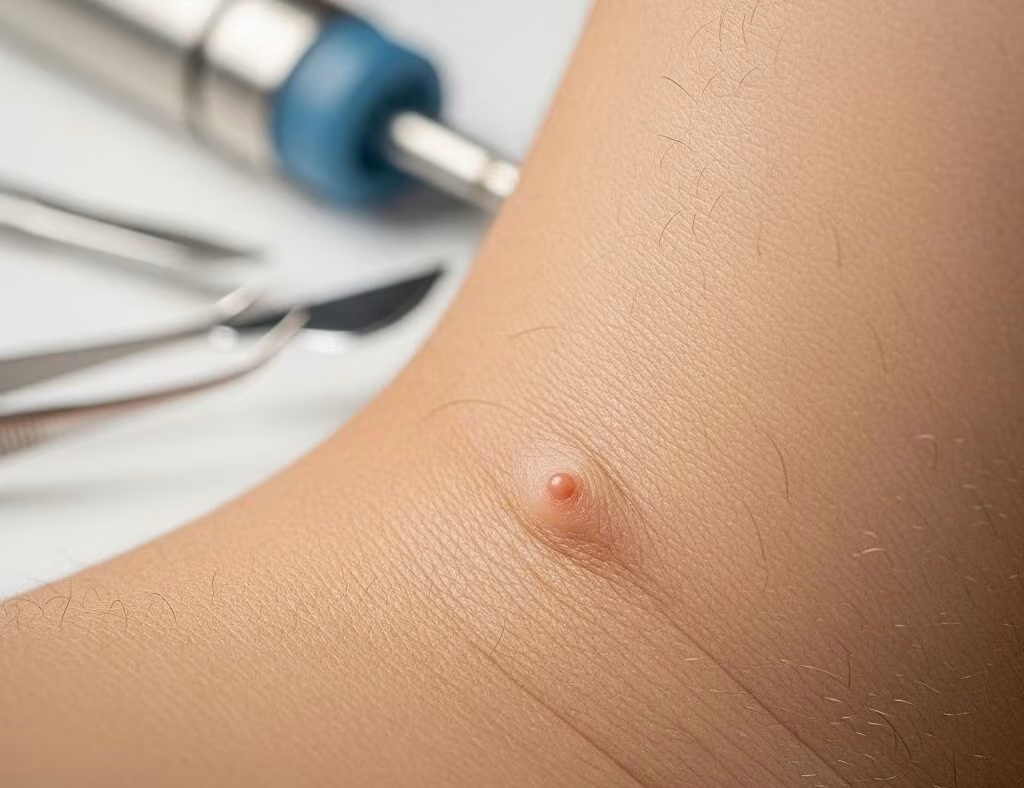
Introduction to Skin Tags
Skin tags are small, benign growths that hang from the skin and are typically found in areas of friction, such as the neck, armpits, groin, and thighs. They are more common with age and can be influenced by factors like genetics and weight gain.
Causes of Skin Tags
The exact cause of skin tags is not fully understood, but several factors contribute to their development. These include aging, genetics, friction from clothing, hormonal changes, and insulin resistance. Maintaining a healthy weight can reduce the likelihood of developing skin tags.
Methods for Skin Tag Removal
- Cryotherapy: This involves freezing the skin tag using liquid nitrogen, causing it to fall off within 10 to 14 days.
- Cauterization: A procedure where the skin tag is burned off using heat, often with electrocautery or radiocautery.
- Excision: Surgical removal using a blade or scissors, typically performed after numbing the area.
- Fibroblast Plasma Therapy: Uses plasma energy to break down the skin tag, though it may cause scarring.
- Laser Therapy: Suitable for smaller tags, using a targeted light beam to remove the growth.
- Ligation: Cutting off the blood supply to the tag by tying it with a surgical thread.
Home Remedies and Over-the-Counter (OTC) Options
While professional treatments are recommended, there are some home remedies and OTC products available.
- Freezing Kits: Use cryotherapy to freeze the tag, though these may not achieve the same cold temperatures as professional treatments.
- Removal Creams: Some creams claim to dissolve skin tags, but their effectiveness varies and may cause skin irritation.
- Tea Tree Oil: Anecdotal evidence suggests it may help dissolve tags, but it can irritate skin.
Frequently Asked Questions (FAQs)
Q: Are skin tags dangerous?
A: No, skin tags are benign and not harmful. However, they can be irritating or aesthetically displeasing, leading many to seek removal.
Q: Can I remove skin tags at home?
A: While there are home remedies and OTC products available, professional removal is generally safer and more effective to avoid complications like scarring or infection.
Q: Do insurance plans cover skin tag removal?
A: Typically, skin tag removal is considered a cosmetic procedure and is not covered by insurance.
Conclusion
Skin tag removal is a relatively straightforward process, but it’s crucial to consult a healthcare professional for safe and effective treatment. Understanding the various methods available can help you make an informed decision about how to address unwanted skin tags.
References
- https://www.carecredit.com/well-u/health-wellness/skin-tag-removal/
- https://www.aad.org/public/diseases/a-z/skin-tags
- https://health.osu.edu/health/skin-and-body/skin-tag-removal
- https://www.healthline.com/health/skin-tag-removal
- https://www.medicalnewstoday.com/articles/321641
- https://www.health.harvard.edu/blog/skin-tag-removal-optional-but-effective-2020032319079
- https://my.clevelandclinic.org/health/diseases/21528-skin-tags-acrochordons
- https://www.healthdirect.gov.au/skin-tags
- https://east.raodermatology.com/skin-tag-removal-what-are-my-treatment-options/


