Best Time to Visit Croatia and Slovenia: A Comprehensive Guide
Planning a trip to Croatia and Slovenia requires thoughtful consideration of various seasonal factors. From pleasant weather and vibrant festivals to bustling tourist hotspots and serene countryside escapes, this guide offers everything you need to plan your ideal itinerary and experience the highlights of these spectacular Balkan destinations.
Overview: Why Timing Matters in Croatia and Slovenia
Croatia and Slovenia both reward travelers with stunning landscapes, fascinating culture, and rich history. Your experience will vary significantly depending on the season:
- Summer (June to August): Peak tourist season; beaches, festivals, and lively cities.
- Spring (April to May) & Autumn (September to mid-October): Fewer crowds, pleasant weather, great for sightseeing and hiking.
- Winter (November to March): Quiet, some attractions close, but good for skiing and festive atmospheres in cities.
Seasonal Breakdown: Weather, Crowds, and Events
| Season | Highlights | Drawbacks | Best For |
|---|---|---|---|
| Spring (April–May) | Wildflowers, mild temperatures, fewer tourists, lower prices. | Unpredictable showers, some island services limited. | Sightseeing, hiking, cultural exploration. |
| Summer (June–August) | Sunny beaches, vibrant festivals, bustling historic towns. | Crowds, higher costs, hot inland weather. | Swimming, island hopping, nightlife. |
| Autumn (September–mid October) | Harvest festivals, warm seas, fewer crowds. | Cooling evenings, shortened service hours. | Wine tasting, sightseeing, quieter beaches. |
| Winter (November–March) | Skiing, festive city atmosphere, lower prices. | Limited coast/island options, cooler weather. | City breaks, winter sports, cultural immersion. |
Top Destinations and Their Seasonal Appeal
Croatia and Slovenia’s most celebrated sites shine at different times of the year. Here are the highlights for each:
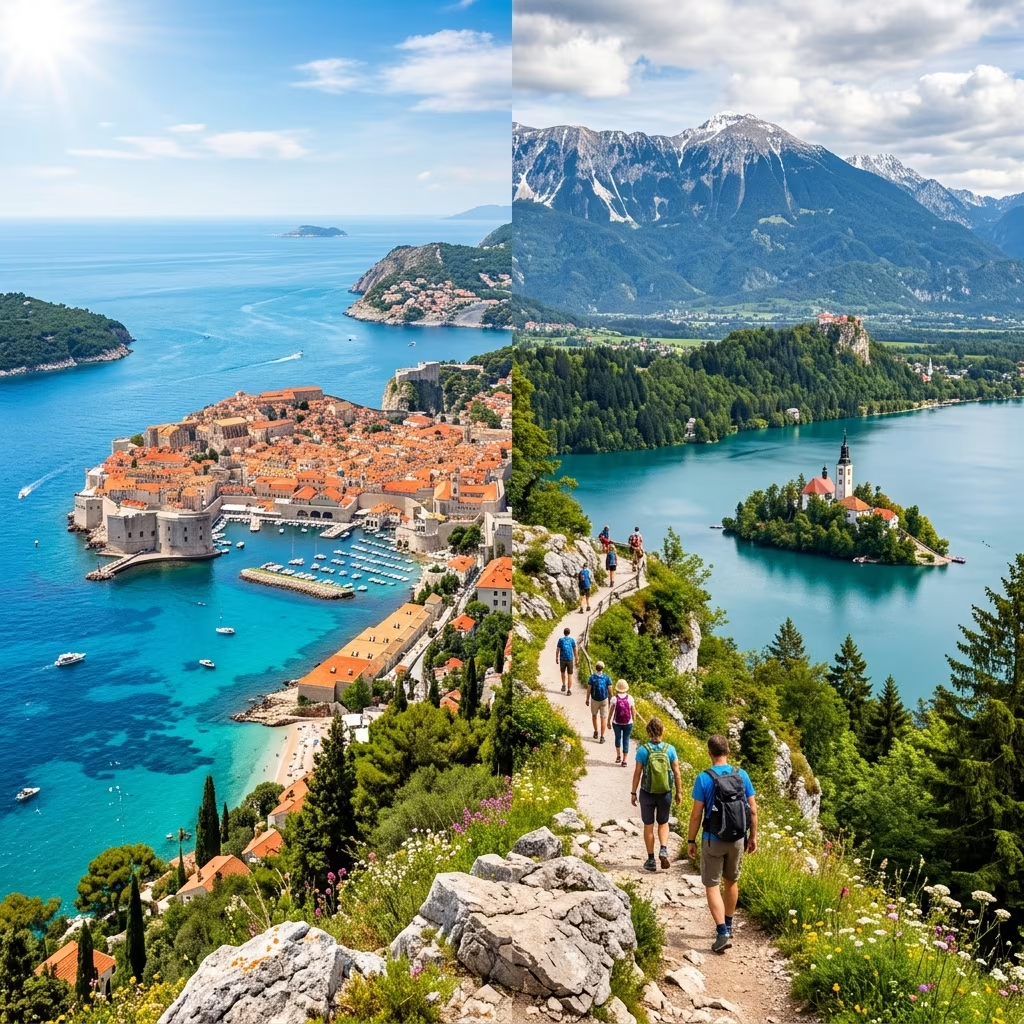
- Dubrovnik: Best enjoyed in late spring or early autumn—avoid summer crowds for open-air cafés on medieval walls and atmospheric strolls.
- Split: Lively year round; peak in summer for festivals and ferry access to Dalmatian Islands.
- Hvar & Korčula: Island life peaks June–September; ferry schedules taper off in shoulder seasons.
- Plitvice Lakes National Park: Spectacular in spring for waterfalls and blooming flora; vibrant foliage and fewer tourists in autumn.
- Zagreb: Dynamic all year, with festive Christmas markets and cultural events in winter.
- Ljubljana: Great for city walks anytime; riverside buzz and music festivals in summer.
- Lake Bled & Julian Alps: Spring & summer for hiking; autumn for tranquil escapes; winter for skiing and snow activities.
- Slovenian Karst & Coast (Piran): Best visited April–October for sunshine, open seaside restaurants, and local events.
When to Visit: Month-by-Month Breakdown
- April – May: Nature awakens; mild, fresh air. Outdoor sightseeing and hiking, vineyards, cherry trees in bloom, and uncrowded cities.
- June: Transition to summer, increasingly lively. Festivals begin, beaches warm, and services extend hours.
- July – August: High season. Schools off, maximum crowds, packed beaches, but the region sweeps with festivals, outdoor concerts, and vibrant nightlife.
- September: Sweet spot—sea still warms for swimming, grape harvests, and fewer crowds for sightseeing.
- October: Crisp air, autumn colors, waning crowds. Inland journeys best; some coastal services reduced.
- November – March: Quiet, except for city events, Christmas markets, skiing in Slovene Alps. Limited ferry/island connections.
The Crowd Factor: How to Navigate High and Low Seasons
Summer brings the most visitors—especially to Croatian coasts and islands. If you favor serenity, target April–early June or September–October. In winter, rural areas and islands may feel deserted, but cities remain active and offer cozy cultural attractions.
Tips For Beating the Crowds
- Travel in shoulder months (May, June, September) for balance of good weather and manageable crowds.
- Book accommodation and ferry tickets well in advance for July/August.
- Visit popular sites early in the day or late afternoon.
- Explore lesser-known inland villages and nature parks off-peak.
Weather: What to Expect
- Croatian Coast: Mediterranean climate—hot, dry summers (80–90°F / 27–32°C), mild winters, little rain in peak season.
- Inland Croatia: Continental climate—hot summers, cold winters, variable spring/fall.
- Slovenian Alps: Alpine climate—cooler, with mountain showers, warm summers for hiking, snowy winters for skiing.
- Slovenian Coast: Warm, pleasant spring and autumn, lively summer.
Events, Festivals, and Local Life
Both countries rejoice in seasonal festivals, adding magic to your travel experience. Highlights include:
- Croatia:
- Dubrovnik Summer Festival (July–August): Concerts and theatrical performances within city walls.
- Split Summer Festival (July): Open-air music and art events.
- Ston Oyster Festival (March): Gastronomic celebration in southern Dalmatia.
- Wine harvests and culinary events in Istria (September).
- Slovenia:
- Ljubljana’s Festival (June): Cultural performances and street food stalls.
- Lake Bled’s Rowing Regatta (Spring, Summer): Athletic competitions draw crowds to scenic shores.
- Ptuj Carnival (February): Folk traditions come alive in eastern Slovenia.
- Vineyard Harvest Festivals (September–October): Celebrate local wines in Brda and Vipava valleys.
Sample Itinerary: Two Weeks in Croatia and Slovenia
This classic two-week itinerary offers a balanced sample of the best sights across both nations. Tailor the travel dates to match your seasonal preferences and festival interests:
| Day | Destination | Highlights |
|---|---|---|
| 1-2 | Lake Bled | Rowing, castle views, gorge hiking. |
| 3 | Julian Alps | Valley drives, alpine villages. |
| 4 | Ljubljana | Old Town tours, riverside cafés. |
| 5-6 | Karst & Piran (Slovenian Coast), Rovinj (Croatia) | Seafood, seaside walks, historic towns. |
| 7 | Istria Hill Towns & Plitvice Lakes | Wine routes, nature trails. |
| 8 | Split | Roman ruins, markets, promenade. |
| 9-11 | Hvar or Korčula | Island beaches, vineyards, local cuisine. |
| 12-13 | Dubrovnik | City walls, music festivals. |
| 14 | Day trip: Mostar or Kotor Bay | Cross-border exploration (Bosnia-Herzegovina or Montenegro). |
Travel Practicalities: Transportation, Cost, and Accommodation
- Getting Around: Rent a car for flexible rural and coastal exploration; trains and ferries connect most major cities and islands. Check schedules in advance, particularly off-season.
- Accommodation: Hotels, guesthouses, and apartments abound. Book early June–August or during festivals. Shoulder seasons offer bargains at top-rated properties.
- Budget Tips: Prices spike in summer. Consider shoulder or low seasons for value and authenticity. Watch for city taxes, parking fees, and book ferry/car reservations ahead.
- Language & Culture: English widely spoken in tourist zones. Learn a few basic Croatian/Slovenian phrases—locals appreciate the effort.
FAQs: Frequently Asked Questions
Q: Is summer the best time to visit Croatia and Slovenia?
A: Summer offers maximum sunshine, lively events, and accessible island hopping, but it’s also crowded and expensive. Spring and autumn offer milder weather, open attractions, and fewer visitors.
Q: Are there special festivals travelers should plan for?
A: Yes! Dubrovnik Summer Festival, Split Summer Festival, Ljubljana Festival, and wine harvest festivities in Istria and Slovene wine regions are standout experiences.
Q: Can I swim in the sea outside July and August?
A: Absolutely. The sea is warm from late May to early October, with September offering especially pleasant swims minus the crowds.
Q: Are all attractions open year round?
A: Most urban sites and museums remain open year-round. However, some coastal attractions, ferry lines, and island hotels reduce hours or close from November to March.
Q: What’s the best way to get between Croatia and Slovenia?
A: Buses and trains provide efficient links. For maximum flexibility, consider renting separate cars in each country to avoid high cross-border rental fees.
Expert Tips for an Unforgettable Trip
- Consider shoulder seasons for optimal blend of weather, access, and value.
- Pack layers: Even summer evenings can be breezy, especially near the sea or in the Alps.
- Dive into local cuisine: Seek fresh seafood, locally-produced olive oils, wines, and classic dishes such as Croatian peka and Slovenian štruklji.
- Respect local customs in churches and rural villages—dress modestly and greet hosts with a smile.
Travel Resources
- Official tourist sites for Croatia and Slovenia offer up-to-date event calendars and transportation info.
- Local guidebooks and tour operators can add depth to your itineraries, from city walks to wine tours.
- Check for late-breaking updates online before your travel—especially for city festivals, ferry schedules, and road closures.
Final Thoughts
Whether you crave sun-soaked coastal adventures, vibrant city festivals, tranquil mountain hikes, or cultural immersion, timing your visit to Croatia and Slovenia is your key to unforgettable memories. Use this guide as your planning blueprint to unlock the best of both countries.
References
- https://store.ricksteves.com/shop/p/croatia-guidebook
- https://www.youtube.com/watch?v=xlzhe0AM9Tk
- https://www.ricksteves.com/watch-read-listen/video/travel-talks/croatia-slovenia
- https://www.ricksteves.com/europe/slovenia-croatia-itinerary
- https://www.ricksteves.com/watch-read-listen/video/tv-show/slovenia
- https://community.ricksteves.com/travel-forum/croatia/itinerary-help-with-slovenia-and-croatia
- https://www.ricksteves.com/europe/guidebook-updates-croatia-slovenia
- https://www.ricksteves.com/tours/croatia