Portugal: Unveiling the Charms of Europe’s Southwestern Jewel
Portugal, perched on the edge of Europe, invites travelers with a blend of old-world tradition, vibrant modern life, sun-kissed beaches, and time-honored regional pride. From the cosmopolitan alleys of Lisbon to the whitewashed villages resting on dramatic cliffs, every cobblestone and coastline breathes history, culture, and warmth. Whether you’re seeking medieval castles, soulful music, or the simple joy of fresh seafood by the Atlantic, Portugal rewards every curious visitor.
Top Destinations & Experiences in Portugal
Portugal’s compact size belies the diversity and depth found throughout its towns, countryside, and coasts. Here are some of the most memorable places and experiences to shape your adventure:
- Lisbon: The capital blends coastal charm, ancient quarters, and vibrant culture against a backdrop of iconic tilework and tram-lined streets.
- Porto: Portugal’s “second city” charms with riverside views, historic cellars, and dynamic neighborhoods steeped in tradition.
- Sintra: Fairytale palaces nestled in misty forests captivate imagination just outside Lisbon.
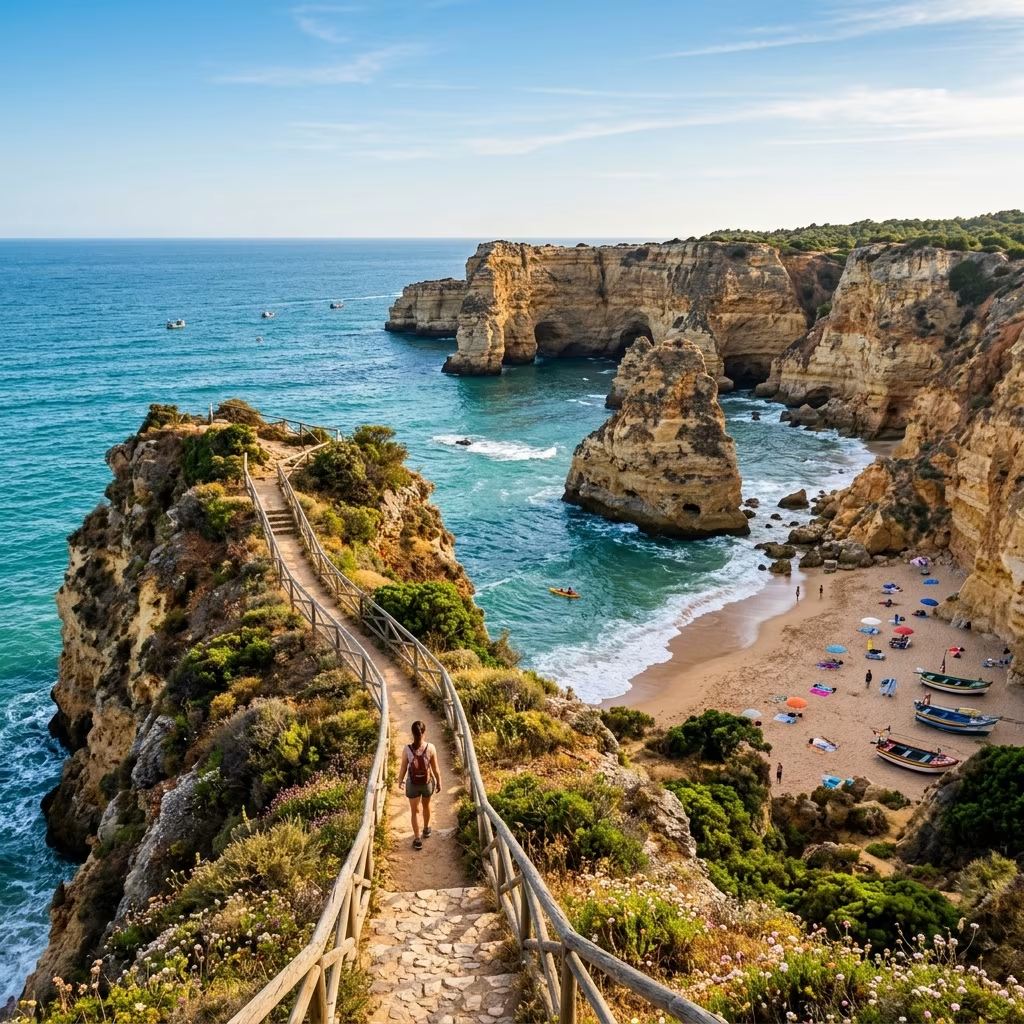
- The Algarve: Dramatic cliffs, golden sands, and sleepy fishing villages stretch along the country’s southern coast.
- Coimbra: Ancient university life and riverfront ambiance create an academic and romantic energy.
- Évora: Roman ruins, medieval walls, and whitewashed houses stand amid olive groves in the Alentejo region.
- Douro Valley: Steep vineyards climb above the winding river, offering both culinary and scenic delights.
- Central Portugal: From pilgrimage sites to fortified towns and gothic monasteries, the heartland is rich in heritage and tradition.
Signature Portuguese Experiences
- Sampling local port wine along the Douro River
- Listening to the haunting melodies of traditional fado music in a historic tavern
- Strolling through vibrant markets filled with azulejo tiles and handcrafted ceramics
- Savoring a seafood feast by the Atlantic, especially the famous grilled sardines
- Exploring castles, monasteries, and UNESCO sites, each telling a different chapter of Portuguese history
- Basking on the sun-drenched beaches of the Algarve or riding the waves on Portugal’s renowned surf coast
Lisbon: City of Light and Layers
Lisbon, Portugal’s capital, instantly enchants with its undulating streets, panoramas from hilltop viewpoints, colorful neighborhoods, and a spirit shaped by centuries of resilience and exploration.
- Alfama District: Wander a maze of narrow lanes draped with laundry and echoing with fado music.
- Belém: Visit the awe-inspiring Jerónimos Monastery, marvel at the Monument to the Discoveries, and sample the original pastéis de nata (custard tarts).
- Bairro Alto & Chiado: Enjoy Lisbon’s nightlife, cafes, and boutiques nestled atop city hills.
- Views: Seek stunning perspectives from the Miradouros (viewpoints) spread across the city.
Essential Lisbon Tip: Embrace the city’s seven hills—trams and elevators can help conquer the steeper streets!
Sintra: Palaces, Mystique, and Moorish Echoes
Just a short ride from Lisbon, Sintra is a dreamscape of whimsically perched castles, subtropical gardens, and mist-shrouded mountaintops. The Pena Palace dazzles with candy-colored towers, while the Moorish Castle provides panoramic views stretching to the Atlantic. Quintas and romantic 19th-century estates pepper the green hills, making Sintra a must-see destination for history and architecture lovers.
The Algarve: Sun, Sea, and Serenity
Portugal’s southern coast boasts some of Europe’s best beaches. The Algarve entices with a spectrum of seaside experiences—from quiet coves for total relaxation to bustling towns alive with nightlife. Rugged sandstone cliffs and hidden grottoes line the shore, fishermen cast their nets beneath whitewashed villages, and the sunsets are dazzling.
- Salema: Traditional charm and tranquil sands
- Cape Sagres: Windswept headlands tied to seafaring legend
- Lagos: Cliff-backed beaches and a lively marina
- Tavira: Riverside walks and Moorish history, eastward toward Spain
Évora: Timeless Heart of the Alentejo
Inland, Évora is at once Roman, medieval, and distinctly Portuguese. Amble through a 2,000-year-old Roman temple, Gothic churches, and arcaded squares. The city’s core, encircled by walls, shelters a unique bone chapel and sunny plazas where life slows down, and the region’s robust cuisine—think black pork and local wines—is ever on offer.
Central Portugal: Spiritual Sites and Medieval Marvels
This region encompasses pilgrimage towns, regal monasteries, and hilltop fortresses:
- Nazaré: A fishing village famed for giant Atlantic waves and traditional dress
- Batalha: Home to Portugal’s gothic masterwork, the Monastery of Santa Maria da Vitória
- Fátima: One of the world’s leading Catholic pilgrimage centers
- Tomar: Headquarters of the legendary Knights Templar
- Alcobaça: 12th-century Cistercian grandeur and star-crossed lovers’ tombs
- Óbidos: A walled town of whitewashed houses and blooming bougainvillea
Coimbra: City of Students and Tradition
Coimbra pulses with academic history and youthful energy. Its hilltop university—the oldest in Portugal—features a Baroque library and lively traditions rooted in medieval lore. Evenings see student serenades along the riverside, cafes fill with locals, and fado music takes on new life in a distinct, youthful style.
Porto: Where Tradition Meets the Future
Sitting astride the Douro River, Porto is a city where stately churches, iconic bridges, and vibrant markets define the skyline. The atmospheric Ribeira district is a tangle of colorful facades and cobbled lanes. Across the river, port wine cellars offer tastings and tours. Porto’s creative rebirth has brought striking modern architecture, innovative cuisine, and a rising cultural scene.
- Douro River Cruises: Glide under Porto’s bridges and through terraced vineyards
- Serralves Museum: Contemporary art collection in lush gardens
- São Bento Station: Azulejo tile panels tell Portuguese stories in blue and white
Douro Valley: Vineyards and Villages
The Douro Valley’s dramatic slopes and serpentine river shape one of the world’s oldest wine regions. Terraced vineyards produce the famed ruby-red port, and sleepy towns like Peso da Régua or Pinhão invite wandering, sipping, and scenic photography. River cruises and wine lodge visits are highlights for any visitor seeking a slower pace and bucolic beauty.
Portuguese Culture: Riches Beyond the Sights
Beyond castles and cobblestones, Portugal’s culture is felt in:
- Fado music: Soulful, often melancholy, songs reflecting the essence of “saudade”—a unique sense of longing
- Azulejos: Painted ceramic tiles adorning buildings, telling stories in blue, yellow, and green
- Cuisine: From custardy pastéis de nata to savory bacalhau (salt cod) and grilled seafood, flavors reflect Portugal’s maritime soul
- Cork and arts: The world’s leading cork producer, Portugal blends craft, tradition, and sustainability
Hospitality, family, and pride in heritage define Portuguese daily life, offering travelers heartfelt connections as well as memorable meals.
Planning Your Trip: Practical Tips and Itinerary Ideas
Portugal welcomes both first-timers and seasoned explorers. Planning a trip is made easy with well-connected transport, friendly locals, and a manageable scale—allowing for immersive exploration.
When to Visit
- Spring (April–June): Mild weather, blooming landscapes, fewer crowds
- Summer (July–August): Peak tourist season, bustling beaches, hot inland; festivals abound
- Autumn (September–October): Warm seas, grape harvests, lively but less crowded
- Winter (November–March): Cooler but rarely harsh; good for cities, festivals, and a quieter side of the country
Essential Practicalities
- Language: Portuguese; English widely spoken in tourist areas
- Currency: Euro (€)
- Transportation: Reliable trains, modern highways, affordable buses, and domestic flights make exploration straightforward. Renting a car allows for deeper countryside access.
- Safety: Portugal ranks among the world’s safest countries; standard precautions apply
- Money: Credit cards accepted in most places; ATMs common
Top Two-Week Itinerary Suggestions
| Day | Destination | Main Highlights |
|---|---|---|
| 1–4 | Lisbon | City walks, Belém, Sintra side trip |
| 5–7 | Algarve (Salema, Lagos, Sagres) | Beaches, cliffs, seaside towns |
| 8 | Évora | Roman ruins, walled old town |
| 9–10 | Nazaré via Óbidos | Fishing village, walled town |
| 11 | Alcobaça, Batalha, Fátima, Tomar | Monasteries, pilgrimage, castles |
| 12 | Coimbra | Historic university, riverfront nightlife |
| 13–14 | Douro Valley, Porto | Vineyards, port wine cellars, urban exploration |
Useful Resources for Travelers
- Self-guided walks, museum maps, and practical phrases make independent travel easy
- Local tours—especially in Lisbon and Porto—add depth to city exploration
- Purchase train, bus, and attraction tickets in advance during busy periods
- Consider renting a car for rural Alentejo or remote Algarve villages
- Pace yourself—Portugal’s relaxed rhythm rewards lingering in local cafes, village squares, or riverbanks
Frequently Asked Questions (FAQs)
Q: Is Portugal suitable for first-time travelers to Europe?
A: Absolutely. Portugal is known for its hospitality, excellent infrastructure, and manageable size. English is widely spoken in tourist areas, making it beginner-friendly.
Q: What are must-try Portuguese foods?
A: Savor bacalhau (salted cod, served in myriad ways), grilled sardines, caldo verde soup, pastries like pastéis de nata, and sample local wines from the Douro and Alentejo regions.
Q: Do I need to rent a car in Portugal?
A: Not for city breaks (Lisbon, Porto, Coimbra), but driving is recommended for exploring the countryside, the Algarve, or more remote villages.
Q: When is the best time for a Douro River cruise?
A: Late spring through early autumn (May–October) is ideal for enjoying the lush vineyards and warm weather of the Douro Valley.
Q: Are there budget-friendly accommodation options?
A: Yes—Portugal offers a range from boutique hotels and guesthouses to pousadas (historic inns), hostels, and Airbnb apartments. Advance booking is advised in peak seasons.
Quick Tips & Safety
- Tap water is safe to drink
- Pickpocketing can occur, especially in larger cities—use hotel safes and keep valuables close
- Tipping is modest but appreciated; round up or leave small change at cafes
- Most museums are closed Mondays; major sights can be busy on weekends or holidays
- Comfortable shoes are a must—expect hills and cobblestones!
Final Thoughts: Why Portugal?
Whether you come for the ocean breezes, historic sites, soulful music, or simply to savor the relaxed pace of daily life, Portugal’s spirit is welcoming and unforgettable. Its blend of old and new, city and countryside, local pride and global curiosity, makes every journey more rewarding. As travel moments linger—over a fado tune, a sunset in the Algarve, or a stroll in Porto’s Ribeira—you’ll discover why Portugal remains one of Europe’s most compelling destinations.
References
- https://store.ricksteves.com/shop/p/portugal-guidebook
- https://www.ricksteves.com/tours/portugal/best-portugal-tour
- https://www.youtube.com/watch?v=0IvZOZtjMYM
- https://www.ricksteves.com/europe/portugal/itinerary
- https://www.ricksteves.com/watch-read-listen/video/travel-talks/portugal-guide
- https://www.ricksteves.com/europe/portugal
- https://www.ricksteves.com/tours/guides/portugal-guides
- https://www.ricksteves.com/watch-read-listen/video/tv-show/lisbon