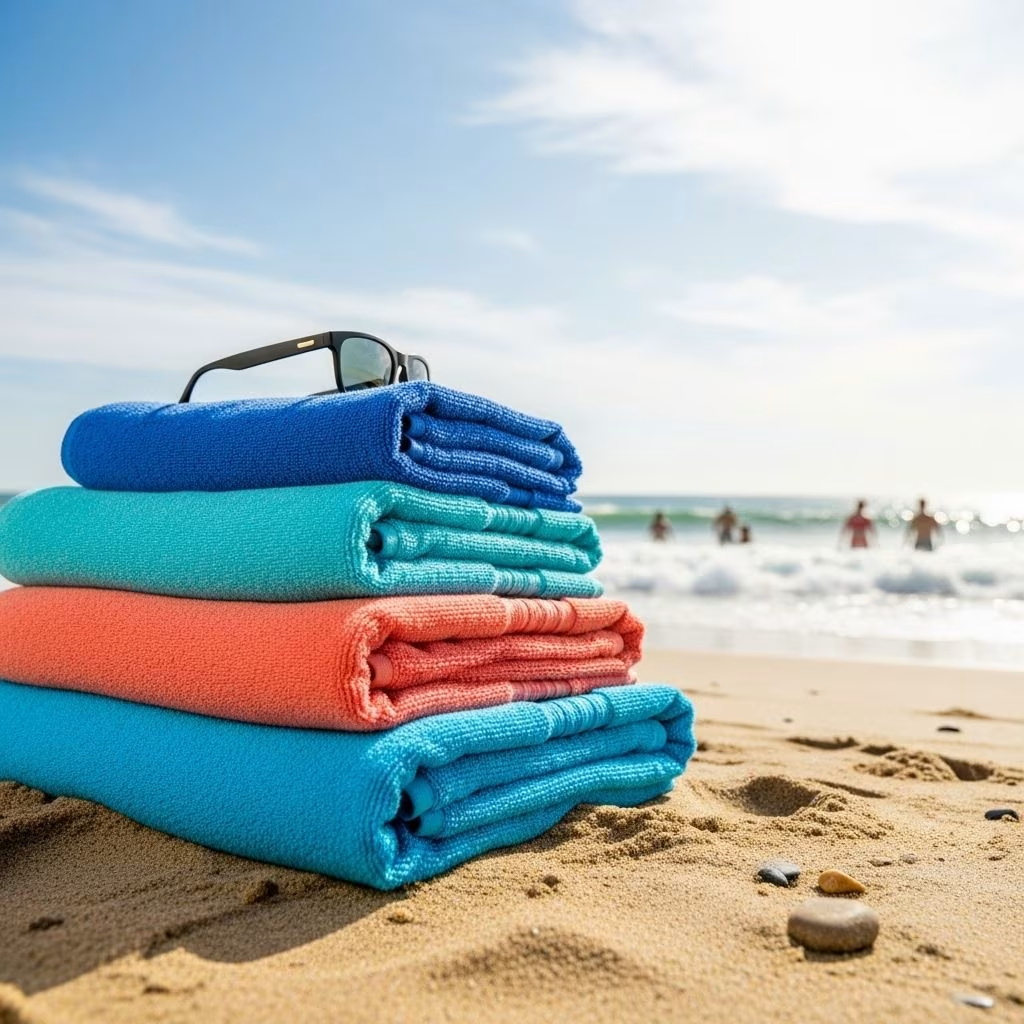
Why You Should Never Use a Bath Towel at the Beach
If you’ve ever reached for your cozy bath towel before heading out for a day in the sun and sand, pause for a moment. While they may be soft and familiar, bath towels are fundamentally ill-suited to the rigors of the beach. Not only do they trap sand in their plush fibers, but they also take hours to dry—often leaving you with a wet, heavy, sticky mess to pack home. Expert textile analysts and seasoned beach-goers agree: beach towels are engineered specifically for outdoor adventures, offering practical features that bath towels simply can’t match.
The Difference Between Bath Towels and Beach Towels
Bath towels and beach towels may look similar, but their design and practicality at the beach differ in important ways:
- Absorbency and Drying Time: Bath towels are crafted with larger terrycloth loops that soak up water efficiently after a shower. However, these same plush loops mean bath towels stay wet for hours, potentially even overnight. Beach towels use smaller loops, velour finishes, or flat-woven microfiber materials that are designed to dry quickly between swims.
- Sand Retention: The thicker loops on a bath towel can harbor sand deep in their fibers, making it nearly impossible to shake out—even after vigorous attempts. Beach towels, especially those made from microfiber or velour, repel sand more effectively. With a quick swipe or shake, sand simply falls off, rather than sticking.
- Weight and Portability: Bath towels are heavier, bulkier, and take up more space in your bag. Beach towels are generally thinner, lighter, and fold compactly, making them easy to carry and store.
The Science of Towel Fibers and Weaves
| Towel Type | Fiber Content | Weave | Absorbency | Sand Resistance | Drying Time |
|---|---|---|---|---|---|
| Bath Towel | Cotton (highly absorbent) | Large terrycloth loops | Very high | Poor—sand clings inside loops | Slow |
| Beach Towel (Cotton) | Cotton | Smaller loops or velour (shaved loops) | Good | Fair—less sand retention than bath towel | Moderate |
| Beach Towel (Microfiber) | Polyester, polyamide blends | Flat-woven, brushed surface | Moderate | Excellent—sand shakes off easily | Fast |
Sand Dilemma: Why Bath Towels Fail on the Beach
One of the biggest challenges at the beach is keeping sand in its place—every seasoned beachgoer knows the struggle of sand getting on and into everything. Bath towels with deep, plush loops may feel luxurious at home, but at the beach, they become traps for tiny grains of sand. These loops allow sand to burrow deep and cling stubbornly. Even after repeated shaking, bath towels tend to bring grains home with you, creating more mess off the beach.
In contrast, beach towels, especially those made from microfiber, feature a flat, lightly brushed surface. Sand sits atop the fabric and falls off easily with a swipe or shake, minimizing the aftermath of a sandy day and making your clean-up routine much simpler.
Visual Comparison:
- Bath towel: Sand poured over a bath towel quickly sinks into its loops and remains stuck after shaking.
- Beach towel (microfiber): Sand poured over the surface stays visible, making it easy to brush or shake away.
Towel Fiber Content: Cotton vs Synthetic
Cotton towels have dominated both bath and beach towel markets for years, thanks to their natural absorbency, softness, and durability. For bath towels, these qualities are ideal—after all, there’s no sand to contend with at home. For beach towels, cotton offers comfort and familiar plushness, but comes with drawbacks: longer drying times and more sand retention.
However, beach towels are increasingly made from synthetic fibers like polyester, nylon, and polyamide. These materials are not only durable and easy to wash but also resist shrinking, maintain vibrant colors, and most importantly, prevent sand from adhering stubbornly. Synthetic blends like microfiber make beach towels lighter, quick-drying, and more practical for frequent use under the sun.
- Cotton: Most absorbent; cozy but heavier when wet; retains sand.
- Microfiber blends: Lighter, dries fast, sand shakes off easily, retains bright patterns through washes.
Choosing the Right Beach Towel: Expert Picks
If you’re looking to upgrade your beach gear, consider adopting one of these expert-recommended beach towels, tested by the Good Housekeeping Institute:
- Dock & Bay Beach Towel: Features smooth microfiber material that keeps sand on the surface, quick-drying, available in over 30 colors and prints, and folds into a compact pouch. Though not as plush as terrycloth, it’s ultra-lightweight and practical for travel and impromptu picnics.
Material: Polyester and polyamide microfiber.
Size: 78″ x 35″ . - CGear Sand-Free Towel: Utilizes innovative dual-layer polyester construction, allowing sand to pass through gaps and keeping the surface sand-free. Lightweight, compact, includes a corner loop for hanging. Not ideal for drying off, but excels in sand removal.
Material: Dual layer polyester.
Size: 31″ x 63″ . - Tesalate Sand-Free Beach Blanket: Oversized microfiber towel for whole family lounging, brightly patterned, quick-drying, easy to brush sand away, and comes with a carrying pouch. Thinner material may lack plush comfort but excels in portability and sand-resistance.
Material: Polyester and polyamide microfiber.
Size: 63″ x 63″ .
Care and Maintenance of Beach Towels
Proper maintenance not only extends your beach towels’ lifespan but also helps preserve color vibrancy and sand-resistance. Here are some expert-backed care tips:
- Always shake out sand thoroughly before machine washing.
- Wash microfiber and synthetic beach towels in cold water to prevent breakdown of fibers and maintain quick-dry properties.
- Tumble dry low or hang dry for best results—synthetic fabrics dry quickly even in air.
- Avoid fabric softeners, which can reduce absorbency and affect sand-resistance in microfiber towels.
- Store dry towels in a breathable bag to prevent mildew and odors, especially if packing up while damp.
Frequently Asked Questions (FAQs)
Q: Can I use a bath towel for the beach in a pinch?
A: While you can use a bath towel at the beach if necessary, expect heavy sand retention and slow drying times, making beach towels a better choice for comfort and convenience.
Q: Are microfiber beach towels as absorbent as cotton ones?
A: Microfiber towels are less absorbent than plush cotton towels, but they dry much faster and shed sand more easily, making them preferable for beach use.
Q: How do velour beach towels differ from terrycloth?
A: Velour towels are made by shaving down terrycloth loops, giving a fabric that’s soft like velvet but less plush. They’re comfortable, stylish, and typically dry faster than full-loop terrycloth towels.
Q: Can synthetic beach towels cause skin irritation?
A: Generally, microfiber and synthetic towels are safe for most skin types. If you have sensitive skin, opt for towels with smooth finishes and avoid prolonged rubbing with rougher surfaces.
Q: Are beach towels machine washable?
A: Yes, both cotton and synthetic beach towels are machine washable. For best results, follow care label instructions and avoid fabric softeners, which can compromise absorbency and sand resistance.
Expert Credentials: Why Trust the Advice?
Amanda Constantine, the featured analyst for Good Housekeeping Institute, brings extensive expertise in home textiles and beach essentials testing. With advanced degrees in apparel merchandising and consumer sciences and years of fashion and retail instruction at Ohio State University, her professional advice is grounded in years of hands-on product evaluation and academic understanding. Recent tests of beach towels incorporated lab analysis, real-world feedback, and rigorous consumer testing to ensure recommendations meet the highest standards.
Summary Table: Why Beach Towels Excel Over Bath Towels
| Feature | Bath Towel | Beach Towel |
|---|---|---|
| Absorbency | High (may stay damp for hours) | Moderate (dries quickly) |
| Sand Removal | Poor (sand clings to loops) | Excellent (sand brushes off easily) |
| Portability | Bulky, heavy when wet | Lightweight, packs small |
| Durability | Strong, but bulkier | Durable, holds vibrant patterns |
| Care & Cleaning | Absorbs odors, slow to dry, retains sand | Quick dry, easy sand removal, machine washable |
Final Tips: How to Select a Beach Towel
- Look for microfiber or velour blends for best sand resistance and quick drying.
- Choose bold patterns and colors for style, but check reviews on durability and comfort.
- Consider towel size: oversized towels work for families, while regular sizes are ideal for solo outings.
- Opt for towels with corner loops for easy hanging or securing against wind.
- Review care instructions—machine washable options save time and effort.
Armed with this knowledge, you can confidently leave your bath towels at home and embrace specialized beach towels designed to enhance your sandy adventures.