


The Skinny on Stubborn Belly Fat
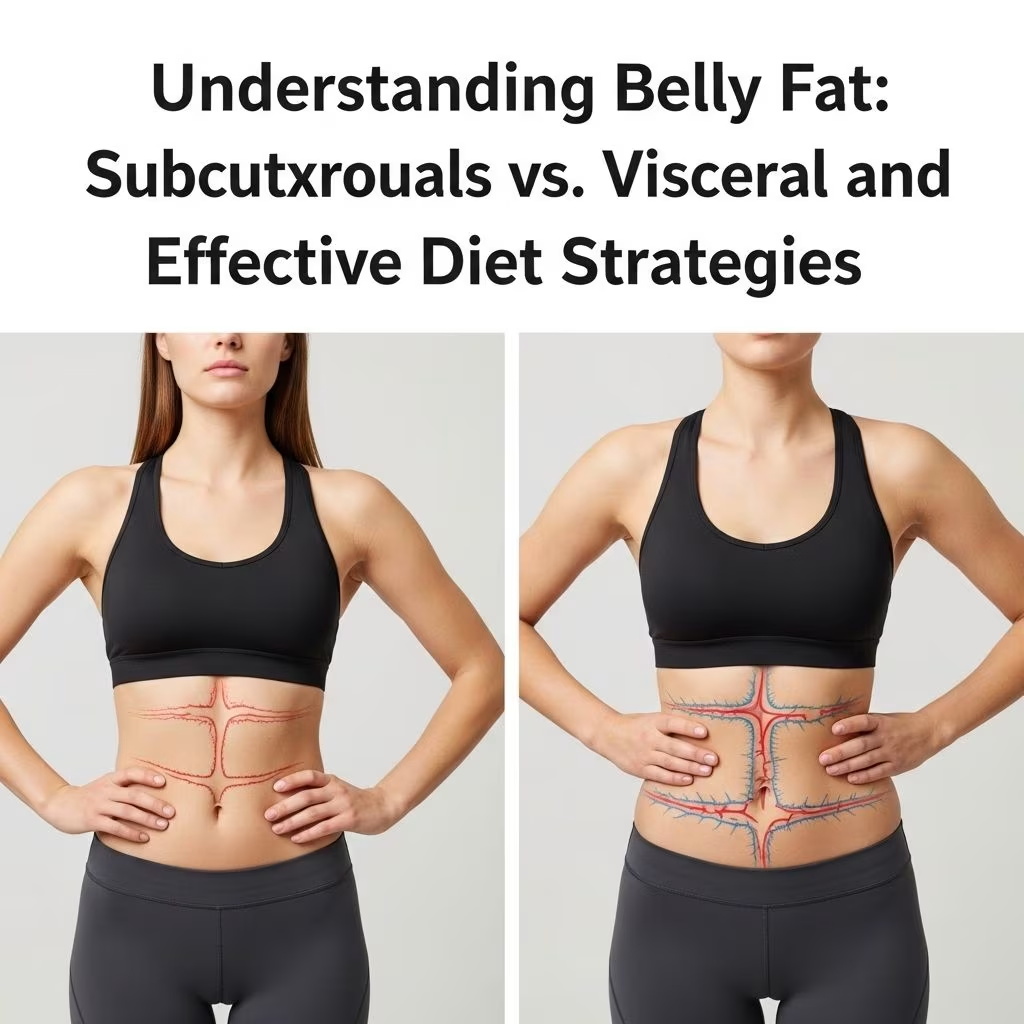
Belly fat is a persistent health concern, both as a cosmetic issue and a risk factor for severe medical conditions. However, not all belly fat is created equal. When experts discuss belly fat reduction, it’s crucial to distinguish between subcutaneous fat and visceral fat—two types that impact our health and appearance in different ways. Understanding these variations is essential before tackling them through diet and lifestyle.
What Is Subcutaneous Fat?
Subcutaneous fat is the fat layer stored directly under your skin. Sometimes referred to as “the inch you can pinch,” this fat accumulates in areas like the belly, thighs, and arms. Its name stems from the Latin terms “sub” (beneath) and “cutaneous” (skin), and it’s the most visible type of fat for most people.
- This fat serves vital functions—helping insulate the body and storing energy.
- For most individuals, approximately 90% of their body fat is subcutaneous.
- You can pinch subcutaneous fat, making it easier to measure and monitor changes through physical exams.
Although subcutaneous fat is not what poses the greatest health risk, excessive amounts contribute to overweight and obesity, impact body image, and can trigger negative health behaviors.
Why Subcutaneous Fat Matters
- Moderate amounts are necessary for temperature regulation and cushioning.
- Excess accumulation, especially around the belly, is a visible sign of weight gain and can lead to low self-esteem, which studies suggest can precipitate dangerous health choices.
- The good news: Subcutaneous fat often responds quickly to dietary changes that emphasize healthy fat choices.
What Is Visceral Fat?
Visceral fat refers to fat located deep within the abdominal cavity, surrounding vital organs such as the heart, liver, intestines, and other internal structures. Named after the viscera (internal organs), this fat is essentially hidden—it can’t be pinched or directly observed, which sometimes earns it the name “hidden belly fat.”
- Only about 10% of total body fat is visceral.
- Because this fat isn’t visible, people with a normal outward appearance can still have dangerous amounts—making visceral fat detection challenging without expensive imaging techniques.
- Waist circumference can provide a rough estimate for visceral fat levels. As waist size increases, so does the risk of high visceral fat.
Why Visceral Fat Is More Dangerous
- Visceral fat is metabolically active, releasing inflammatory substances and hormones that impact the body’s metabolism and immune function.
- This fat type wraps around major organs, disrupting their function and increasing the likelihood of chronic health problems.
- Genetics influence visceral fat accumulation, but so do age, sex, and environmental factors.
The Health Risks of Excess Belly Fat
While increased subcutaneous fat can affect self-confidence and serve as a visible sign of weight gain, the accumulation of visceral fat brings far greater health risks—often affecting people who may not appear outwardly overweight.
Cardiovascular Risk Factors
- Proximity to organs: Visceral fat surrounds the liver, impacts cholesterol levels by boosting production of LDL (the “bad” cholesterol), and directly contributes to plaque buildup in arteries.
- Inflammation: The plaque becomes inflamed, narrowing arteries and restricting blood flow, which increases blood pressure and puts strain on the heart.
- Clotting and Stroke: Chronic inflammation raises the risk of blood clots that may cause strokes.
Diabetes and Insulin Resistance
- Visceral fat actively disrupts how cells respond to insulin—a condition known as insulin resistance.
- This resistance forces the pancreas to produce more insulin, potentially leading to type 2 diabetes.
- Long-term insulin resistance compromises circulation and healing, affecting vision, memory, and recovery from infections.
Dementia and Cognitive Health
- A large study conducted by Kaiser Permanente found that people with higher levels of belly fat have a 145% increased risk of developing dementia compared to those with lower levels.
- Researchers believe increased inflammation caused by visceral fat is the underlying mechanism.
Comparing Subcutaneous and Visceral Fat
| Type of Fat | Location | Measurability | Health Risk | Response to Diet |
|---|---|---|---|---|
| Subcutaneous | Under the skin (belly, thighs, arms) | Can be pinched | Visible sign of overweight, lower risk | Responds quickly to dietary changes |
| Visceral | Around organs deep in the abdomen | Hidden, detected by scans or waist size | High risk (heart, diabetes, dementia) | Requires targeted diet and lifestyle changes |
Why Traditional Weight Loss May Not Be Enough
Standard approaches, like reducing calories and exercising, can improve visible subcutaneous fat; however, these measures alone may not address stubborn visceral fat. It’s possible for individuals to lose weight and still retain unhealthy stores of visceral fat if their diet composition isn’t optimal.
- Visceral fat may remain even when you seem to have lost weight on the outside.
- Special focus on the types of fat consumed—especially healthy fats—is necessary to reduce both fat types efficiently.
Targeting Both Types: The Flat Belly Diet Approach
The Flat Belly Diet was developed to help minimize both subcutaneous and visceral fat by adopting science-backed dietary principles. At its core is the focus on healthy fats, particularly monounsaturated fats (MUFAs), which play a significant role in targeting belly fat and improving metabolic health.
- MUFAs are found in foods like olive oil, nuts, seeds, avocados, and dark chocolate.
- These fats can help reduce inflammation, improve cholesterol levels, and make it easier for the body to burn stored fat.
- The Flat Belly Diet centers its meal plans around MUFAs to create a foundation for sustainable fat loss.
How MUFAs Help Reduce Belly Fat
- Improve blood lipid profiles (lower LDL cholesterol, raise HDL cholesterol).
- Decrease inflammation, lowering overall disease risk.
- Enhance metabolic abilities to burn both subcutaneous and visceral fat.
- Support long-term satiety and energy, reducing likelihood of unhealthy snacking.
Adopting the Flat Belly Diet: Key Components
The Flat Belly Diet isn’t about restrictive eating—it’s about choosing the right types of fat and balancing them with healthy whole foods. The core steps include:
- Incorporating MUFAs into every meal: Try adding a tablespoon of olive oil, a small handful of nuts, or slices of avocado to your plate.
- Choosing whole grains and lean proteins: Fiber-rich whole grains and lean meats support metabolic health and satiety.
- Focusing on plant-based foods: Fruits, vegetables, legumes, and seeds provide vital nutrients and antioxidants.
- Staying hydrated: Water and unsweetened beverages help the body process fat and reduce cravings.
- Prioritizing regular meal timing: Eating at consistent times every day helps regulate metabolism.
Scientific Studies Supporting Healthy Fats for Belly Fat Loss
- Research shows that diets high in MUFAs are linked to lower levels of abdominal fat and improved metabolic profiles.
- People who emphasize healthy fats not only lose weight but also show significant reductions in markers of inflammation and insulin resistance.
- Long-term adherence to MUFA-rich diets correlates with lowered risks of cardiovascular disease and diabetes.
Additional Lifestyle Factors Affecting Belly Fat
Effective belly fat reduction requires more than dietary changes. The following lifestyle choices amplify results:
- Regular aerobic and strength exercise: Activities like brisk walking, swimming, and moderate resistance training have proven to decrease visceral fat stores.
- Managing stress: Chronic stress triggers the release of cortisol, a hormone linked to increased abdominal fat.
- Getting adequate sleep: Poor sleep disrupts appetite hormones and can raise belly fat accumulation.
- Avoiding excess sugar and processed foods: These foods increase inflammation and contribute to both fat types.
Frequently Asked Questions (FAQs)
Q: Can I have dangerous belly fat even if I’m not overweight?
A: Yes. Individuals can have normal body weight and still carry excess visceral fat “hidden” around internal organs, posing significant health risks.
Q: Is all belly fat dangerous for my health?
A: Subcutaneous fat is less harmful, but excessive visceral fat dramatically increases risk for heart disease, diabetes, stroke, and dementia.
Q: How do I measure visceral fat?
A: Precise measurement requires a scan (like MRI or CT), but doctors often estimate visceral fat using waist circumference. A tape measure can provide a rough indication at home.
Q: Can I reduce visceral fat without losing weight?
A: Yes, by focusing on MUFA-rich foods and lifestyle changes, you may decrease visceral fat stores even if overall weight remains steady.
Q: What are the best foods for the Flat Belly Diet?
A: Foods high in monounsaturated fats (olive oil, almonds, avocados, seeds) form the backbone of the diet. Pair with plenty of vegetables, whole grains, and lean protein for best results.
Conclusion: Take Action for Better Health
Belly fat is not just an aesthetic issue—it profoundly influences metabolic health, cardiovascular risk, and long-term well-being. By understanding the differences between subcutaneous and visceral fat, and adopting MUFA-rich Flat Belly Diet strategies, you can improve your health, regain confidence in your body image, and minimize risk for chronic disease. Focus on smart nutrition and supportive lifestyle habits to target stubborn belly fat in both visible and hidden forms.
References
- https://www.prevention.com/weight-loss/diets/a20429173/flat-belly-diet-subcutaneous-and-visceral-belly-fat/
- https://www.webmd.com/diet/what-is-visceral-fat
- https://www.health.harvard.edu/newsletter_article/taking-aim-at-belly-fat
- https://my.clevelandclinic.org/health/diseases/24147-visceral-fat
- https://www.rush.edu/news/losing-belly-fat
- https://www.healthline.com/nutrition/20-tips-to-lose-belly-fat
- https://www.mayoclinic.org/healthy-lifestyle/womens-health/in-depth/belly-fat/art-20045809
- https://www.healthdirect.gov.au/how-to-reduce-visceral-body-fat-hidden-fat
- https://my.clevelandclinic.org/health/diseases/23968-subcutaneous-fat


