


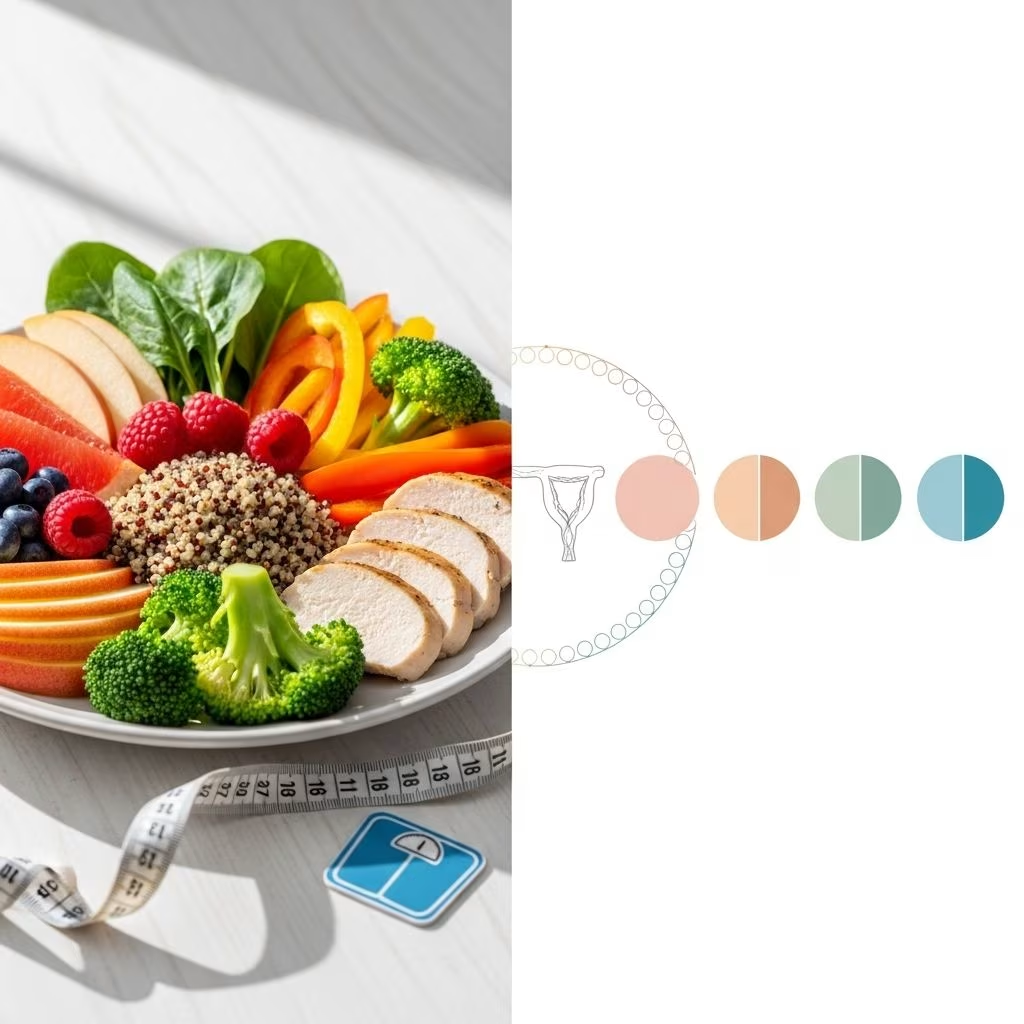
How Adapting Your Diet to Your Menstrual Cycle Can Help You Lose Weight
Many women struggle with weight loss despite following traditional diet plans. Emerging research suggests that tailoring your diet and exercise regimen to the distinct phases of your menstrual cycle may yield better results—by harnessing hormonal shifts to curb cravings, boost metabolism, and improve adherence.The Women’s
Why Hormonal Fluctuations Matter
The menstrual cycle involves predictable hormonal changes—chiefly estrogen and progesterone—that impact energy levels, appetite, and nutrient needs.PubMed Women often notice increased hunger, fatigue, and cravings as hormones fluctuate, especially in the luteal phase (post-ovulation) leading up to their period.
- Energy intake naturally rises during certain phases, prompting greater food consumption.
- Metabolism and caloric needs may shift, sometimes subtly, across the cycle.
- Cravings for carbohydrates, fats, and comfort foods intensify in premenstrual days.
Groundbreaking Research: The Menstralean Study
A pivotal study split 60 overweight, premenopausal women into two groups—one following a standard calorie-restricted diet, the other adjusting macronutrients based on menstrual phases.PubMed Both followed a 1600 calorie/day regimen for six months.
- Menstrual cycle diet group: Increased protein when hunger spiked; allowed dark chocolate when cravings rose.Prevention
- Control group: Standard calorie restriction, without phase-based tweaks.
Results showed women who consistently adhered to the cycle-synced approach lost an average of 9 more pounds than those on standard diets. This suggests that syncing food choices and exercise to your cycle can accelerate weight loss—if maintained over time.Prevention
Understanding the Menstrual Cycle Phases
| Phase | Hormonal Profile | Key Diet Strategies | Exercise Tips |
|---|---|---|---|
| Menstruation | Lowest estrogen & progesterone | Boost iron, vitamin C; hydrate | Gentle movement: yoga, walking |
| Follicular | Rising estrogen | Lean proteins, whole grains, cruciferous veggies | Build stamina: light cardio, strength training |
| Ovulation | Peak estrogen | Antioxidant-rich foods, hydration | High-energy workouts: HIIT, running |
| Luteal | Rising then falling progesterone | Complex carbs, lean protein, healthy fats, dark chocolate | Low-impact exercise: pilates, swimming |
Phase-by-Phase Diet Tweaks
Menstruation: Nourish and Restore
- Focus on iron-rich foods: Leafy greens, lean red meat, beans help replenish iron lost through bleeding.Banner Health
- Add vitamin C sources (citrus, berries, tomatoes) to boost iron absorption.
- Hydrate: Drink plenty of water, herbal teas (chamomile), electrolyte-rich broths.
- Aim for comfort but avoid excess salt and caffeine to limit bloating and irritability.The Women’s
Follicular Phase: Build Energy & Support Hormone Balance
- Increase healthy carbohydrates: Whole grains, quinoa, brown rice, oats help energy and thyroid support.Female Health Awareness
- Bulk up on vegetables: Especially cruciferous (broccoli, cauliflower) and fermented foods (kimchi, yogurt) to balance estrogen.
- Proteins: Include eggs, beans, tofu, chicken, fish.
- Exercise: Start ramping up cardio and moderate strength training as stamina rebuilds.
Ovulation: Optimize Performance and Recovery
- Continue antioxidant-rich foods: Berries, leafy greens, nuts support cellular repair as workouts intensify.Banner Health
- Hydrate thoroughly: Sweat losses may be higher; consider coconut water or electrolyte beverages.
- Include healthy fats: Avocado, olive oil, fatty fish to nourish hormone production.
- Leverage peak energy—try interval training, running, cycling, and enjoy new fitness challenges.
Luteal Phase: Curb Cravings and Soothe Mood Swings
- Complex carbs: Sweet potatoes, lentils, whole wheat pasta sustain energy and keep you full.
- Lean proteins: Fish, chicken, plant-based options help stabilize blood sugar.
- Healthy snacks: Dark chocolate, nuts, seeds, fruit—tame cravings and support serotonin production.Banner Health
- High-fiber foods: Support digestion and manage fluid retention.
- Opt for restorative exercise—yoga, swimming, pilates—if energy dips or PMS hits.
General Diet Principles for a Healthy Cycle
- Prioritize omega-3 rich foods: Fish, flaxseed, chia seeds—reduce PMS symptoms and inflammation.The Women’s
- Get enough dietary calcium: Tofu, low-fat dairy, broccoli, salmon (with bones).
- Limit saturated fats & sugars: Avoid butter, cream, processed snacks, and excessive sweets.
- Minimize salt and caffeine: High intake increases irritability, sleep issues, and bloating.
- Stay hydrated: Water and herbal teas support digestion and lessen bloating.
- Vegetarian and vegan diets: Can be healthy for menstrual regularity; ensure enough protein and avoid excess soy.
Cycle-Syncing for Weight Loss: Practical Steps
Women interested in cycle-syncing for weight loss can adopt the following strategies:
- Track your menstrual phases using a calendar or app.
- Adjust macronutrients—higher protein when hunger strikes, higher healthy carbs when cravings peak.
- Satisfy indulgences mindfully (small amounts of dark chocolate) to support mood and compliance.
- Choose exercise intensity based on energy levels each phase.
- Let appetite signals guide you—eat extra iron-rich or hydrating foods if your body seems to need them.
- Remember, consistency and compliance matter most—the biggest weight loss was seen in women who adhered to cycle-specific plans for several months.
Key Benefits and Scientific Caveats
- Better weight loss: Adherent cycle-based dieters lost up to 9 more pounds versus standard regimens.Prevention
- Improved satisfaction: Mindful indulgences (dark chocolate, complex carbs) may boost mood and reduce risk of diet sabotage.
- Hormonal harmony: Appropriate food choices support hormone production, regularity, and relieve PMS symptoms.
However, researchers caution that some benefit may stem from tweaking protein, carbs, and healthy fat ratios—already shown to boost weight loss, independently of cycle syncing. More research is needed to definitively link these effects to hormone fluctuations alone.Prevention
FAQs About Menstrual Cycle Diets
Q: Can tailoring my diet to my period help with cravings and overeating?
Yes. Studies show that planning higher-protein meals when hunger spikes (usually just before your period) can curb overeating, and allowing small amounts of dark chocolate can satisfy intense cravings.
Q: Should I avoid carbs at any point in my cycle?
No. In fact, complex carbohydrates (whole grains, beans, vegetables) are crucial for healthy hormone production and steady energy—and can be especially helpful before and during periods.
Q: What if I have irregular cycles?
Cycle syncing is most effective for women with predictable, regular cycles. For those with irregular periods, focus on whole-food nutrition, hydration, and balanced macronutrients, as these support hormone health broadly.
Q: Are there risks to cycle-specific dieting?
No specific risks have been found in short-term studies; however, extreme restriction or low-protein/low-carb periods may negatively impact mood, energy, and hormone balance. Listen to your body and consult a healthcare provider for individual concerns.
Q: How soon will I see results?
In clinical trials, most women noticed greater weight loss and satisfaction after 6 months of consistent adherence. The approach works best when maintained long-term.
Expert Tips for Success
- Use digital period trackers to log symptoms, energy, hunger, and cravings.
- Plan balanced meals for each phase in advance to eliminate guesswork.
- Allow gentle indulgences (fruit, dark chocolate, nuts) in premenstrual days to stay on track.
- Try novel exercises and vary intensity to match your motivation and stamina throughout your cycle.
- Prioritize sleep, hydration, and stress reduction; these factors also regulate appetite and weight.
- Consult with a registered dietitian or women’s health specialist before beginning any specialized program.
References
- Geiker, NR., et al. “A weight-loss program adapted to the menstrual cycle.” American Journal of Clinical Nutrition, 2016.
- Banner Health, “Syncing Diet, Exercise and Your Menstrual Cycle”
- The Royal Women’s Hospital, “Exercise, diet & periods”
- Female Health Awareness, “Nutritional Considerations for a Healthy Menstrual Cycle”
References
- https://pubmed.ncbi.nlm.nih.gov/27281304/
- https://www.prevention.com/weight-loss/a20435927/this-diet-tailored-to-your-menstrual-cycle-could-help-you-lose-weight/
- https://www.bannerhealth.com/healthcareblog/teach-me/cycle-syncing-and-getting-in-tune-with-your-menstrual-cycle
- https://www.thewomens.org.au/health-information/periods/healthy-periods/exercise-diet-periods
- https://femalehealthawareness.org/en/nutritional-considerations-for-a-healthy-menstrual-cycle/
- https://www.bswhealth.com/blog/cycle-syncing-choosing-food-and-diet-for-hormonal-balance
- https://health.clevelandclinic.org/nutrition-and-exercise-throughout-your-menstrual-cycle
- https://womenshealth.gov/healthy-weight/weight-loss-and-women


