


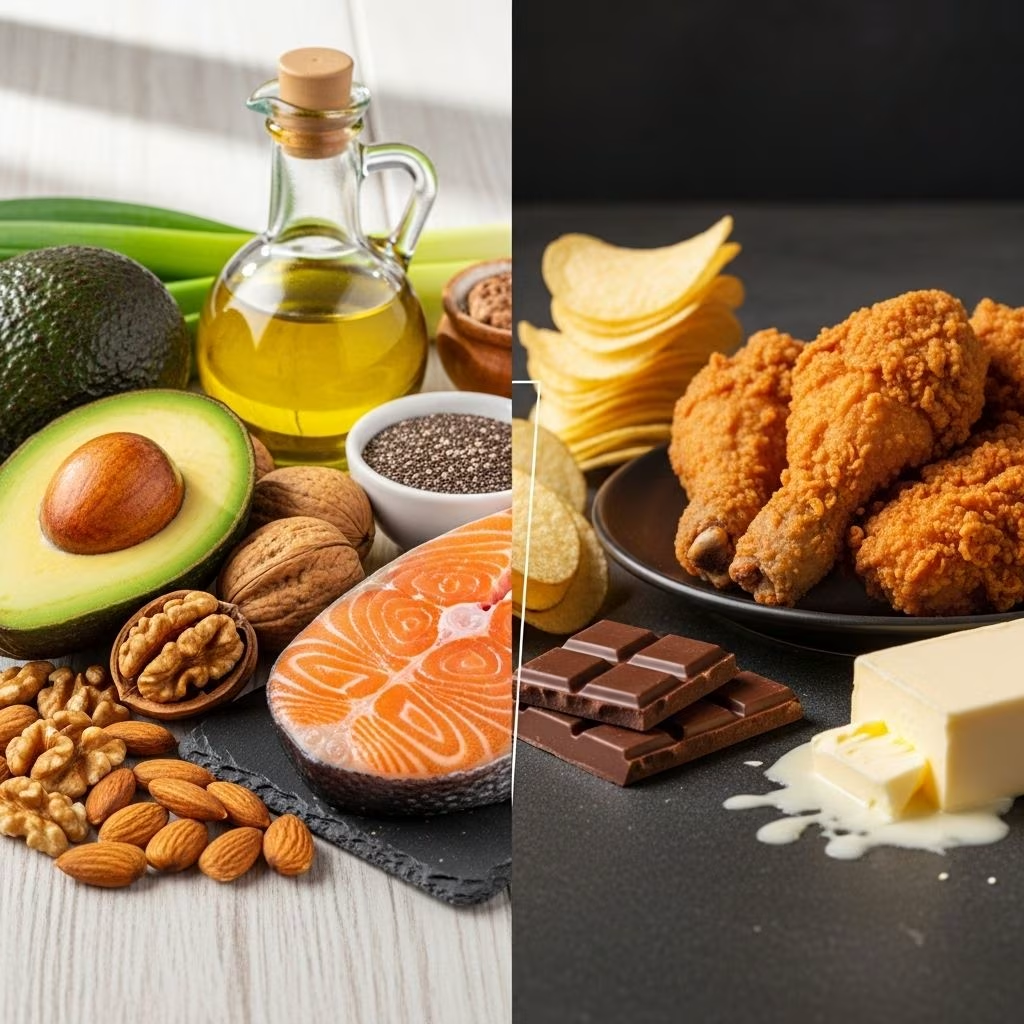
New Facts About Healthy Fats: What to Eat and What to Avoid
For decades, dietary fat has been misunderstood and unfairly maligned. Many people still associate fat in food with body fat and health problems, but contemporary science reveals a much more nuanced story. Today, nutrition experts are rewriting the rules about healthy fats, their role in disease prevention, and how best to incorporate them into a balanced diet. This guide will help you separate fat facts from fiction, empower your food choices, and support your long-term well-being.
The Role of Fat in Your Body
Fat is not simply an energy source—it plays several vital roles in health:
- Energy storage: Fat delivers long-term fuel your body uses between meals and during exercise.
- Cell structure: Fats make up cell membranes and nerve sheaths, key for cellular health.
- Vitamins: They help absorb vitamins A, D, E, and K—known as fat-soluble vitamins.
- Hormone production and signaling: Hormones, including those that regulate inflammation and metabolism, are synthesized from fats.
- Insulation and protection: Body fat insulates organs and helps regulate body temperature.
Understanding the different types of dietary fats is critical for optimizing your nutrition and minimizing disease risk.
Know Your Fats: The Four Main Types
Not all fats are created equal. Here’s a breakdown of the main types:
| Type of Fat | Main Food Sources | Health Effects |
|---|---|---|
| Monounsaturated Fats (MUFA) | Olive oil, avocado, most nuts | Improve cholesterol, reduce heart risk |
| Polyunsaturated Fats (PUFA) | Fatty fish, flaxseed, walnuts, sunflower seeds | Lower LDL cholesterol, supply essential omega-3s |
| Saturated Fats | Red meat, butter, cheese, coconut oil | Can raise both LDL and HDL; effects are complex |
| Trans Fats | Processed foods, margarine, fried foods | Raise LDL, lower HDL, increase inflammation; avoid completely |
Myth-Busting: The Truths About Fat
- Myth #1: All fat is bad for your heart.
Fact: Many fats—including omega-3s, monounsaturated and some polyunsaturated varieties—help reduce cholesterol, inflammation, and heart disease risk. The low-fat diet trend led to worse health because it ignored these nuances and often replaced healthy fats with refined carbohydrates that don’t benefit the heart.
- Myth #2: Eating fat makes you gain weight.
Fact: While fat is calorie-dense, it is also satiating. Consuming healthy fats can help you feel full and make it easier to control overall calorie intake, which may promote a healthier weight in the long term.
- Myth #3: All plant-based fats are good for you.
Fact: Not every fat from plants is beneficial. While most plant-based fats (like those in avocados, olives, and nuts) are healthy, some processed plant oils—like corn, soybean, and cottonseed oils—are high in omega-6 fatty acids, which can contribute to inflammation when consumed in excess.
- Myth #4: Saturated fats are always harmful.
Fact: Saturated fats raise both LDL (‘bad’) and HDL (‘good’) cholesterol, leading to a complex impact on cardiovascular health. Many guidelines recommend limiting them to less than 10% of calories, but studies show that their effect depends on the overall dietary pattern and what replaces them. Swapping saturated fat for refined carbs is unhelpful, while replacing with healthy unsaturated fats is beneficial.
- Myth #5: Trans fats are a thing of the past.
Fact: While use of artificial trans fats has been dramatically reduced in many countries, they may still linger in foods made prior to regulatory bans. Always check food labels for partially hydrogenated oils, and be aware that even foods labeled “zero trans fat” can contain small, potentially harmful amounts.
Benefits of Healthy Fats
Selecting the right fats is pivotal for both immediate well-being and long-term disease prevention. Here are some research-supported benefits:
- Cardiovascular protection: MUFAs and PUFAs help lower LDL cholesterol, support healthy arteries, and lower risk of heart attack and stroke.
- Supports brain function: Omega-3 fatty acids, especially in fish, are critical for cognitive performance, mood, and neurological health.
- Reduces inflammation: Many healthy fats minimize bodily inflammation, which is a major contributor to chronic diseases such as diabetes and arthritis.
- Improved cholesterol balance: Swapping unhealthy fats for good fats can improve your LDL:HDL ratio and lower overall cholesterol.
- Hormonal regulation: Fats are involved in the synthesis and balance of important hormones including those that regulate appetite and metabolism.
Best Sources of Good Fats
It’s essential to focus on quality when selecting dietary fats. Here are some of the best natural sources:
- Avocados: High in monounsaturated fat, fiber, and essential nutrients, avocados can help reduce LDL cholesterol and support heart health.
- Fatty fish: Salmon, trout, mackerel, sardines, and tuna provide EPA and DHA, potent omega-3s beneficial for the heart and brain.
- Nuts and seeds: Almonds, walnuts, chia, flaxseed, and sunflower seeds supply both MUFAs and PUFAs, plant protein, and minerals
- Olive oil: A prime source of monounsaturated fat and antioxidants, ideal for most cooking and dressings
- Eggs: Provide high-quality protein and healthy fats when consumed whole
Fats to Minimize or Avoid
Some fats are best consumed infrequently, if not eliminated entirely:
- Artificial trans fats: Banned or restricted in many countries but may still appear in older stock or imported foods. Check labels for partially hydrogenated oils.
- Refined seed oils high in omega-6: Such as soybean, corn, cottonseed, and grapeseed oils. Use in moderation and balance your omega-6 to omega-3 intake.
- Heavy saturated fat intake: Especially from processed meats and high-fat dairy. Prefer lean cuts and moderate portions, and swap with plant-based fats when possible.
- Processed and fried snacks: Chips, crackers, pastries, donuts, and fried fast food often contain unhealthy fats even when labeled ‘trans fat free’.
Smart Cooking Tips for Healthier Fats
- Choose olive or avocado oil for sautéing and dressings.
- Snack on nuts, seeds, or olives instead of chips or crackers.
- Add salmon or trout to weekly meals, or use canned tuna in salads.
- Swap butter for nut butters or avocado spread on toast.
- Use Greek yogurt instead of cream-based sauces.
- Roast or grill foods instead of deep-frying them.
How Low Should Fat Intake Be?
Current dietary guidelines do not recommend a very low-fat diet for most people. The focus is on minimizing bad fats while ensuring sufficient intake of healthy ones for optimal metabolism and disease prevention. Specific recommendations include:
- Limit saturated fat to less than 10% of daily calories (or about 22 grams in a 2,000-calorie diet).
- Avoid artificial trans fats completely.
- Replace saturated and trans fats with monounsaturated and polyunsaturated fats rather than refined carbs.
Frequently Asked Questions (FAQs) About Healthy Fats
How can I recognize trans fats on a label?
Check ingredient lists for the words “partially hydrogenated oil”. Even if the label says zero trans fat, it may contain up to 0.5g per serving if these oils appear.
Should I avoid all saturated fat?
No, but keep intake moderate. If you consume saturated fats, prioritize quality sources like dairy and grass-fed meats, and balance with plenty of fruits, vegetables, and fiber-rich foods.
What’s the best way to increase omega-3s in my diet?
Eat fatty fish at least twice a week, sprinkle ground flaxseed or chia on cereal, or consider an algae-based omega-3 supplement if vegan or allergic to fish.
Can kids or seniors benefit from healthy fats?
Absolutely—healthy fats are essential at all stages of life for brain, cell, and immune development. Focus on wholesome sources like nut butters, avocados, and fatty fish.
Which plant oils should I avoid?
Limit intake of refined oils such as corn oil, soybean oil, cottonseed oil, and grapeseed oil. Prefer olive, avocado, or canola oils for most uses.
Takeaway Strategies for a Healthier Fat Intake
- Eat a variety of good fats each day—nuts, seeds, fatty fish, avocados, and quality oils.
- Limit saturated and avoid trans fats by cooking at home and checking processed food labels.
- Balance your omega-6 and omega-3 intake by increasing fatty fish while reducing refined vegetable oils.
- Replace unhealthy foods gradually and savor the flavors and satisfaction that good fats bring to meals.
Your body needs fat. The key is choosing the right kind, in the right balance, every single day—for the sake of your heart, brain, and overall life-long health.
References
- https://www.prevention.com/food-nutrition/healthy-eating/a44131564/myths-about-eating-fat/
- https://www.health.harvard.edu/staying-healthy/the-truth-about-fats-bad-and-good
- https://www.helpguide.org/wellness/nutrition/choosing-healthy-fats
- https://pmc.ncbi.nlm.nih.gov/articles/PMC5577766/
- https://www.prevention.com/food-nutrition/healthy-eating/a64297964/healthy-aging-diet-study/
- https://www.prevention.com/weight-loss/a36065492/rethinking-body-weight/
- https://www.prevention.com/health/a20444468/reasearch-pardons-dietary-fats/
- https://www.uclahealth.org/news/article/eating-healthy-fats-has-many-benefits
- https://www.prevention.com/food-nutrition/healthy-eating/g33415888/how-to-lower-cholesterol-ghk/
- https://www.prevention.com/health/health-conditions/g26221895/worst-foods-heart-health/


