


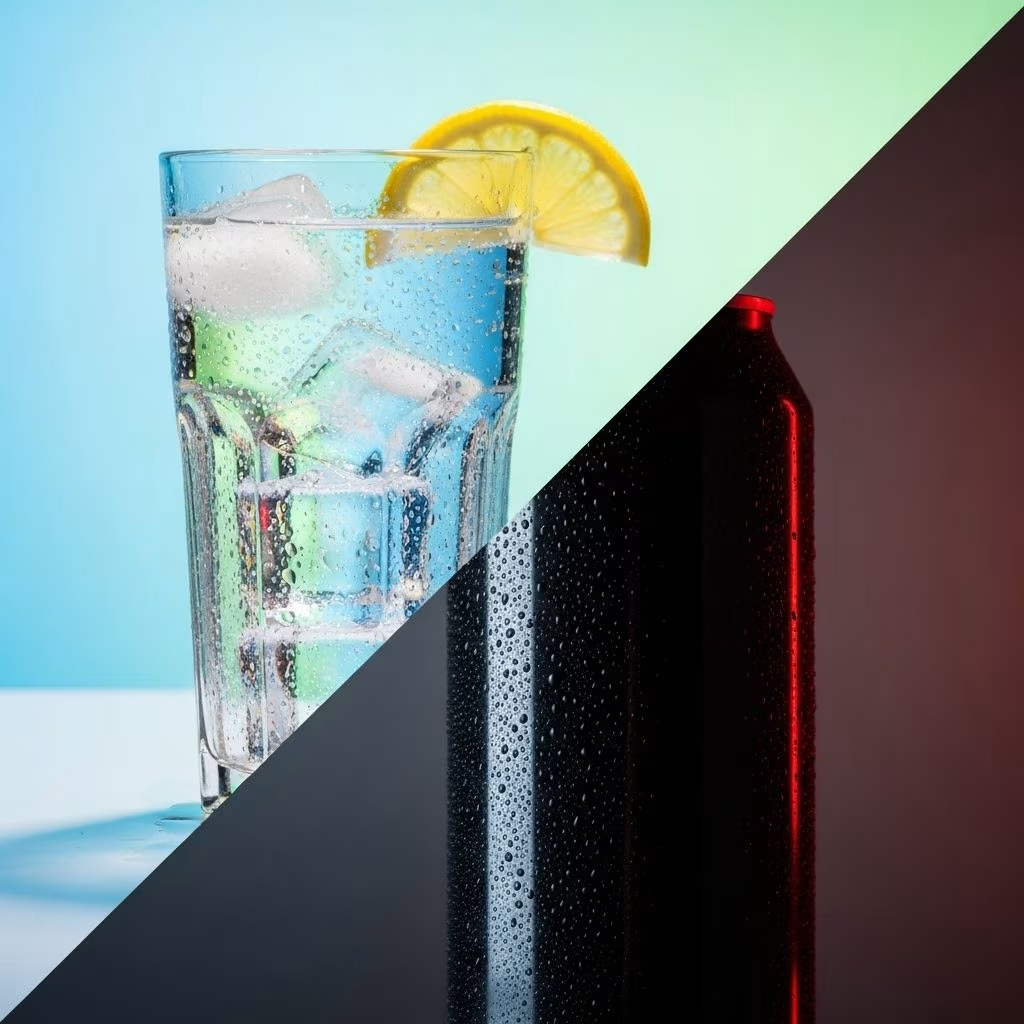
The Best Drink for Weight Loss: Water vs. Diet Drinks
When it comes to losing weight, diet trends come and go, but one question stays the same: What should you drink to maximize weight loss? Many people instinctively reach for water, while others choose zero-calorie diet sodas or flavored drinks. Which option is truly the best for shedding pounds, supporting your health, and helping you keep weight off for good? In this comprehensive article, we break down the scientific evidence and expert advice to help you make the smartest choice for your weight loss journey.
Why What You Drink Matters for Weight Loss
Beverages can quietly make up a significant portion of your daily calorie intake. Sugary sodas, juices, and many coffee drinks come loaded with hidden sugars and calories, which sabotage weight-loss efforts. Even if you’re eating healthy, your drink choices can undermine your progress or enhance your success. That’s why understanding the science behind different drink options is crucial.
- Caloric Beverages Add Up: Just one can of soda a day adds roughly 140-150 extra calories, which can total over 50,000 calories a year.
- Liquid Calories Are Not Satiating: Studies show that calories from drinks don’t trigger the same fullness hormones as solid food, making it easy to overconsume.
- Choosing Noncaloric Alternatives: Water and zero-calorie drinks eliminate this hidden caloric load.
Water for Weight Loss: What the Research Shows
Water has long been celebrated as the healthiest beverage choice, not just for weight loss but for overall well-being. Scientific research backs up the idea that simply drinking more water—and replacing calorie-laden drinks with water—can promote healthy weight loss and improve body composition.
Key Benefits of Water for Weight Loss
- No Calories, No Sugar: Pure water adds zero calories and contains no sugars or additives.
- Supports Satiety: Drinking water before meals can help you feel full and reduce calorie intake.
- May Boost Metabolism: Some studies suggest that cold water slightly increases metabolic rate as the body heats it to temperature.
- Helps With Fat Burning: Hydration is essential for optimal fat breakdown and removal from the body.
- Improves Digestion: Water is needed for nutrient absorption and efficient digestion.
In one notable study, adults who substituted caloric beverages with water experienced meaningful reductions in daily calorie intake and gradual, sustainable weight loss over six months. The pace of weight loss was steady, and participants also improved their overall hydration and reported feeling better physically.
Diet Drinks and Zero-Calorie Beverage Options: The Evidence
While water remains the gold standard, diet sodas and zero-calorie sweetened beverages (e.g., those with sucralose, aspartame, or stevia) have become extremely popular among those looking to cut calories without giving up flavor. But do these drinks actually help with losing weight, or do they stall progress?
What the Science Says
Recent research complicates the picture. Controlled trials have shown that replacing sugary beverages with either water or non-nutritive-sweetened (NNS) drinks leads to significant weight loss in overweight and obese adults. Surprisingly, some large studies have found that participants drinking diet sodas lost slightly more weight than those who drank only water for up to a year in a structured weight loss program.
- 12-Week Clinical Trial: In one study, participants were split into water-only and diet-beverage groups. The diet drinkers lost, on average, 13 pounds, while the water group lost 9 pounds by the end of the study.
- 52-Week Follow-up: Other studies support this finding: after one year, the diet beverage group maintained more weight loss compared to water, although both groups improved.
- Satiety and Cravings: Some researchers believe diet drinks may suppress appetite or cravings for sweet, high-calorie foods, especially for those with a ‘sweet tooth.’
- Adherence: People who regularly drink sweetened beverages may find it easier to switch to diet versions instead of making the leap to water alone, supporting better adherence.
However, diet beverages don’t benefit everyone equally, and the long-term health effects of artificial sweeteners are still being studied. For some, artificially sweetened drinks may increase the desire for sweet foods or cause minor digestive discomfort. Moderation remains key.
Comparing Water and Diet Drinks for Weight Loss
| Feature | Water | Diet Drinks (NNS) |
|---|---|---|
| Calories | 0 | 0 |
| Sweetness | None (unless flavored) | High (mimics sugar) |
| Hydration | Excellent | Excellent |
| Potential for Appetite Suppression | High (when consumed pre-meal) | Moderate, may help with cravings |
| Impact on Weight Loss | Consistently effective | Comparable or, in some studies, slightly more effective |
| Long-term Health Effects | Positive | Inconclusive; generally regarded as safe, but long-term data is mixed |
Both water and diet drinks can be integrated into a weight-loss plan; your choice may depend on taste, lifestyle, and how your body responds to artificial sweeteners.
The Case Against Sugary Sodas and Fruit Juices
If you are serious about losing weight, removing sugar-sweetened beverages like regular sodas, sweet teas, energy drinks, sports drinks, and most commercial fruit juices is one of the most effective actions you can take.
- They often contain 150-250 empty calories per serving, spiking blood sugar and insulin.
- Linked with increased risk of obesity, type 2 diabetes, and liver disease.
- Provide little to no nutritional value compared to their calorie content.
Studies consistently support that those who cut out or significantly reduce sweetened beverages lose more weight and improve health outcomes. Even fruit juices, although marketed as healthy, are calorie-dense and can hinder progress if consumed in large quantities.
When Flavored Water or Infused Drinks Make Sense
If you find plain water boring or hard to drink in large amounts, flavored water (without added sugar) or homemade fruit- or herb-infused water can be an excellent, zero-calorie alternative. Examples include:
- Cucumber and Mint Water
- Lemon or Lime Slices in Water
- Berries and Basil Infusion
- Unsweetened Sparkling Water with a Squeeze of Citrus
Avoid store-bought flavored waters that contain sugar, honey, or other caloric sweeteners. Always check the nutrition label for added calories or carbohydrates.
Expert Tips: Optimizing Your Beverage Choices for Weight Loss
- Prioritize Water: Make water your go-to drink, especially with meals and throughout the day.
- Use Diet Drinks Strategically: If you’re struggling to switch from soda, zero-calorie diet drinks can be an effective transitional tool or an occasional treat.
- Limit or Eliminate Sugary Beverages: These drinks are the primary culprits when it comes to “hidden” calories and weight gain.
- Watch for Calories in Coffee and Tea: Add-ins like sugar, syrups, and cream can quickly add up.
- Hydrate Before Eating: Drinking a glass of water 15-20 minutes before a meal can naturally help control portion sizes and appetite.
What About Coffee, Tea, and Other Common Drinks?
- Black Coffee: Naturally zero calories. Can support metabolism and energy when consumed plain.
- Plain Tea: Green, black, or herbal teas are virtually calorie-free; many also contain antioxidants.
- Milk or Plant-Based Milks: Contain protein and nutrients but also calories—track these if you’re watching intake.
- Sports Drinks: Usually not necessary unless you are engaging in extended, vigorous physical activity. Otherwise, they add unwanted sugar and calories.
For flavor variety and nutrient intake, consider rotating between water, herbal teas, and the occasional unsweetened sparkling water.
Frequently Asked Questions (FAQs) About Weight Loss Drinks
Q: Does drinking more water help you lose weight faster?
A: Drinking water helps you stay hydrated, supports fullness, and may modestly boost metabolism, all of which support gradual, healthy weight loss. However, there’s no magic speed-up; pairing water intake with healthy eating and exercise yields the best results.
Q: Are zero-calorie diet sodas safe for long-term use?
A: Most research suggests that non-nutritive sweeteners like aspartame, sucralose, and stevia are safe in moderation. Long-term, high-intensity studies are ongoing. If you have concerns, prioritize water and natural flavors.
Q: Can you drink flavored water or seltzer while trying to lose weight?
A: Yes, as long as they’re unsweetened or contain only zero-calorie sweeteners. Read the label to avoid hidden sugar or calories.
Q: I crave soda. Which is better for me when dieting: diet soda or regular soda?
A: Diet soda is preferable to regular soda due to its lack of sugar and calories. However, water and unsweetened beverages are the healthiest choices for long-term success.
Q: How much water should I drink daily for weight loss?
A: Aim for 8–10 cups a day, or more if you are physically active or live in a hot climate. Individual needs vary, but staying hydrated should always be a priority.
Key Takeaways: Crafting Your Best Beverage Strategy
- Both water and zero-calorie diet drinks can support your weight loss goals when used wisely.
- Water is always the healthiest foundational beverage.
- Diet drinks may provide a temporary bridge for those transitioning away from sugary drinks, or as a tool to manage cravings.
- Drastically limit or eliminate sugary sodas and fruit juices.
- Personalization matters: Choose what you can sustain long term, and monitor your body’s response for best results.
Remember: Sustainable weight loss comes from consistent, healthy habits, not “miracle drinks.” Building a mindful, enjoyable hydration routine is a key ingredient to your overall success.
References
- https://pmc.ncbi.nlm.nih.gov/articles/PMC3632875/
- https://www.nature.com/articles/s41366-023-01393-3
- https://www.aicr.org/news/water-diet-soda-and-weight-loss/
- https://biolayne.com/reps/issue-19/diet-soda-vs-water-for-fat-loss/
- https://www.webmd.com/diet/ss/slideshow-best-worst-drinks-weight
- https://www.health.harvard.edu/blog/zero-weight-loss-from-zero-calorie-drinks-say-it-aint-so-2021032222204
- https://pmc.ncbi.nlm.nih.gov/articles/PMC4565596/
- https://www.mayoclinic.org/healthy-lifestyle/weight-loss/expert-answers/protein-shakes/faq-20058335


