


Instant Ways to Boost Your Body Image and Feel Better Fast
Your body image shapes how you feel about yourself every day. Too often, unrealistic standards and busy routines make it hard to feel comfortable in your own skin. But small changes can lead to big improvements in confidence and happiness. Here are instant, evidence-based ways to boost your body image—no major overhaul required.
Understanding Body Image
Body image is how you perceive and feel about your physical self. It combines thoughts, feelings, and behaviors—all influenced by culture, media, and personal experiences. A healthy body image means accepting and appreciating your body as it is while recognizing and rejecting unrealistic standards. Even if you’ve struggled with self-image, quick habits and mindset shifts can create a major positive impact.
1. Practice Simple Grooming Rituals
Evidence shows that small acts of self-care—like applying deodorant, brushing your hair, or putting on your favorite fragrance—can instantly shift your self-perception for the better. In a study from the International Journal of Cosmetic Science, people who thought they were heavier than they actually were gained self-assurance and improved body assessment after putting on deodorant. This simple act boosted confidence and helped participants see themselves more accurately. Dabbing on a little perfume or engaging in your own grooming routine brings similar benefits, making you feel more attractive and put-together.
- Tip: Take a few moments each morning for a grooming ritual that feels good—whether that’s skincare, hair styling, or just washing your face.
- Choose a self-care habit you enjoy and commit to it daily. The positive effect is cumulative and quick.
2. Listen to Your Heart (Literally)
A fascinating study published in PLOS One found that when women listened closely for their heartbeat, their body image improved. This mindful practice helps counteract the tendency to view oneself as just a visual object—shifting attention to the body’s inner experience. Tuning into what your body feels and does, instead of just how it looks, can ground you in appreciation and lessen negative self-critique.
- Find a quiet moment, place your hand on your chest, and focus on feeling or hearing your heart beat.
- Take deep breaths and notice sensations throughout your body—honoring what your body does every day.
3. Enjoy Positive Touch
Touch is a powerful tool for emotional wellbeing. Research in the journal Body Image revealed that women who received a massage reported more positive feelings about their bodies than those who didn’t. Physical touch—whether a professional massage, a hug from a friend, or even self-massage—releases endorphins, the body’s ‘feel good’ chemicals, which boost mood and self-image.
- Get a gentle massage, hug a loved one, or give yourself a relaxing hand or shoulder rub.
- Even brief, positive physical connections can deliver a quick dose of confidence and comfort.
4. Sit Up Straight and Strike a Power Pose
Posture has a surprising impact on confidence and self-image. An Italian study demonstrated that slouching leads to feeling less confident, while sitting up straight or adopting ‘power poses’—like standing strong with legs apart and hands on hips (think superhero stance)—can instantly supercharge how you feel about yourself.
- Throughout the day, check your posture: roll your shoulders back, lengthen your spine, and take up a bit more space.
- Before a stressful event, try a ‘power pose’ for one or two minutes to boost your confidence and presence.
- Remind yourself: Good posture is not just for looks—it changes how you feel.
5. Move Your Body, Even Briefly
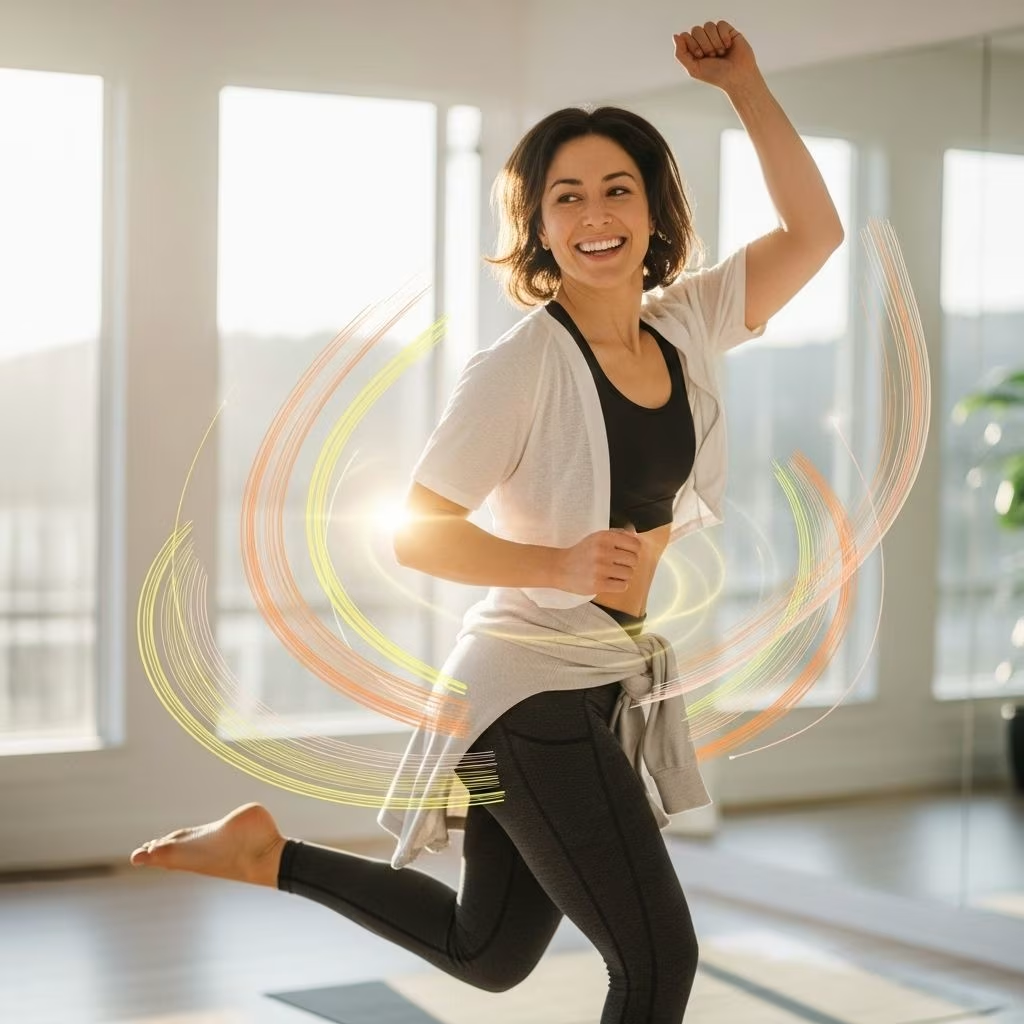
Exercise is well-known for its ability to lift mood and boost self-esteem, thanks to endorphin release and physical accomplishment. But you don’t need hours at the gym: even a quick 10-minute walk, light stretching, or dancing to a favorite song can help you feel better about your body, regardless of any physical changes. A University of Florida study, alongside broad research, confirms that small bouts of movement have outsized benefits for body image.
- Pick your favorite form of movement—walking, yoga, dance, or a quick workout.
- Make it about joy, not punishment. Focus on how movement feels, not how it affects your shape.
- Regular short activity can result in a happier mindset and better self-acceptance.
6. Challenge Negative Self-Talk and Thought Patterns
Negative self-talk fuels a poor body image. When you catch yourself criticizing your appearance, pause and flip the script. List at least three things you like about your body or appreciate about yourself. Reframe the dialogue internally to focus on what your body allows you to do—from hugging someone you love to dancing, cooking, or laughing.
- Keep a notebook or use your phone to jot down positive affirmations or things you’re grateful for about your body.
- Practice replacing thoughts like ‘I don’t like my stomach’ with ‘My body allows me to enjoy meals, laughter, and movement.’
7. Practice Body Neutrality and Focus on Function
Body neutrality is an alternative to body positivity that emphasizes accepting your body as it is, without pressure to always love how it looks. Rather than chasing unrealistic ideals, focus on your body’s functionality—its strength, resilience, and the experiences it enables. Research suggests this mindset may be especially helpful for those struggling with constant negative thoughts about their appearance.
- Notice what your body does for you daily. Appreciate the simple acts like breathing, walking, or hugging.
- Remind yourself that your appearance is just one aspect of who you are—not your source of value.
8. Limit Exposure to Unrealistic Media and Diet Culture
Social media and celebrity images often promote unattainable standards and fuel self-criticism. Taking a ‘digital detox’ or curating your feed by unfollowing accounts that make you feel worse about your body can help break the cycle of comparison. Choose to follow sources that emphasize diversity, actual self-care, and body acceptance.
- Audit your social media. Unfollow ‘fitspiration’ or diet-focused accounts that lower your mood.
- Follow body positivity and body neutrality pages that share realistic, uplifting content.
- Be conscious of how ‘diet talk’ and appearance-focused conversations affect you—and set boundaries with friends, family, or online spaces.
9. Embrace Small Daily Acts of Self-Care
Daily self-care builds resilience against negative body image. Eat nourishing foods, drink enough water, get restful sleep, and pursue hobbies that make you feel good. Opt for self-care practices not as a means to ‘fix’ your body, but as a way to show yourself respect and kindness.
- Prioritize sleep and relaxation to help restore your body and mind.
- Engage in hobbies or interests that let you focus on enjoyment rather than appearance.
- Celebrate progress—no matter how small.
10. Build a Supportive Environment
The people around you can shape your relationship with your body. Spend time with friends, family, or support groups who value you for who you are and who avoid toxic talk about bodies or diets. Building a support system reinforces positive messages and helps you stay resilient.
- Share your feelings and experiences with others who understand.
- Seek out communities, either in-person or online, that emphasize body acceptance and inclusivity.
- Be a source of support to others by avoiding negative comments about anyone’s appearance—including your own.
Table: Body Image Boosters and Their Benefits
| Strategy | How it Helps |
|---|---|
| Grooming Routine | Builds daily confidence and self-worth |
| Heartbeat Awareness | Promotes mindfulness; reduces self-objectification |
| Touch (Massage/Hug) | Releases endorphins; improves mood and self-image |
| Good Posture/Power Poses | Instantly increases self-assurance |
| Movement/Exercise | Boosts mood; increases body appreciation |
| Positive Self-Talk | Rewires negative patterns; enhances resilience |
| Media Detox | Reduces harmful comparisons |
Frequently Asked Questions (FAQs)
Q: Do instant body image boosters have lasting effects?
A: While many of these techniques create quick improvements in mood and self-perception, combining them regularly can foster lasting positive body image and greater self-confidence.
Q: What if I can’t always feel positive about my body?
A: It’s normal to experience ups and downs. Focus on body neutrality—appreciating what your body does for you—rather than always aiming for love or positivity.
Q: Are these tips for everyone?
A: Yes! These habits can help people of all ages, genders, and backgrounds. Adjust them to fit your needs and lifestyle for the best results.
Q: How can I support a friend struggling with body image?
A: Offer a listening ear without judgment, avoid commenting on appearance, and encourage self-compassion and professional support if needed.
Further Resources for Body Image Support
- Professional therapy, especially for ongoing struggles or eating disorders
- Body image support groups—virtual or local
- Self-help books and apps focused on mindfulness and self-acceptance
Remember, feeling good about your body is a journey, not a destination. Each positive habit is a step toward greater self-acceptance and daily happiness.
References
- https://www.prevention.com/weight-loss/a20475102/instant-ways-to-boost-your-body-image/
- https://www.rula.com/blog/overcoming-body-image-issues/
- https://health.clevelandclinic.org/building-a-better-body-image-as-an-adult
- https://rogersbh.org/blog/6-steps-you-can-take-to-boost-your-body-image/
- https://www.mentalhealth.org.uk/our-work/research/body-image-how-we-think-and-feel-about-our-bodies/how-can-we-protect-promote-and-maintain-body-image
- https://renfrewcenter.com/negative-body-image-9-tips-for-improving-body-esteem-updated/
- https://jedfoundation.org/resource/tips-for-body-positivity-ways-to-feel-better-about-our-bodies/
- https://centerforchange.com/clinical-interventions-for-body-image-disturbance/
- https://www.betterhealth.vic.gov.au/health/healthyliving/body-image-tips-for-parents


