


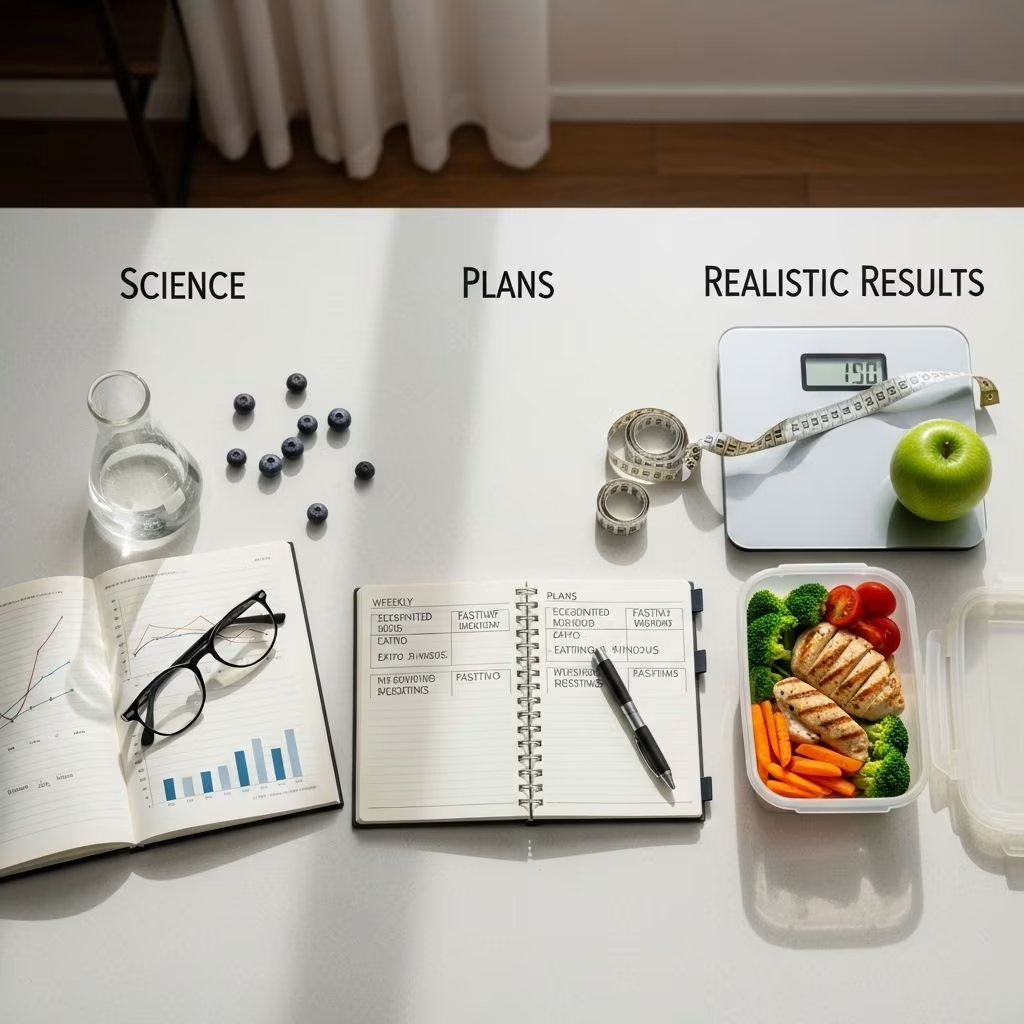
What Is Intermittent Fasting?
Intermittent fasting (IF) is a dietary strategy that focuses on time-restricted eating and voluntary abstention from food for specific periods. Unlike traditional calorie restriction diets, intermittent fasting organizes eating and fasting windows throughout the week or day, typically alternating between periods of normal eating and significantly reduced calorie intake or complete fasting.
During fasting windows, common practice permits water, unsweetened tea, or black coffee, but otherwise prohibits caloric foods and drinks.1
Does Intermittent Fasting Help With Weight Loss?
The key question surrounding intermittent fasting is whether it delivers superior long-term weight loss compared to conventional diets.
Scientific consensus suggests that while intermittent fasting can lead to weight loss, it is not significantly more effective than traditional calorie-restricted diets.134
- A 2017 JAMA study found no greater weight loss with alternate-day fasting over daily calorie restriction.1
- A 2018 study in the American Journal of Clinical Nutrition confirmed similar findings.1
- Recent research indicates that outcomes ultimately depend on total calories consumed and sustained lifestyle changes.34
For some, IF can be helpful for structuring eating habits, but adherence and sustainability are critical determinants of success.
Popular Intermittent Fasting Plans
There are several widely-practiced and well-researched IF schedules. Each modifies the length and frequency of fasting and feeding, and some limit calories on fast days rather than prohibiting all intake.134
- 5:2 Plan: Eat normally five days a week. On two non-consecutive “fast” days, restrict calories to about 25% of daily needs (500 calories for women, 600 for men), typically split between morning and evening.1
- Leangains (16:8): Eat within an 8-to-10 hour period each day, and fast for the remaining 14 to 16 hours. Many people choose their window as noon to 8 p.m.4
- Eat Stop Eat: Fast for a full 24 hours one or two days per week, eat normally the rest.1
- The Warrior Diet: Fast for 20 hours, then eat one large meal at night.1
- Alternate Day Fasting: Eat every other day; fasting days sometimes permit limited calories.14
- 14:10 and 12:12 Plans: Shorter fasting intervals (14 or 12 hours) with longer eating windows may be more sustainable for some.4
- Dubrow Diet: Created by Terry Dubrow, M.D., this diet uses three tracks—quick start, goal weight, and maintenance—each with a different fasting window (12h, 14h, or 16h).1
Table: Comparison of Intermittent Fasting Plans
| Plan Name | Fasting Period | Eating Window | Calorie Restriction? | Typical Frequency |
|---|---|---|---|---|
| 5:2 Plan | 2 days/week (500-600 cal) | Normal eating 5 days | Yes | Weekly |
| 16:8 (Leangains) | 16 hours/day | 8 hours/day | No | Daily |
| Eat Stop Eat | 24 hours 1–2 days/week | Normal eating | No | Weekly |
| Warrior Diet | 20 hours/day | 4 hours/day | No | Daily |
| Alternate Day | Every other day | Normal eating | Yes/No | Weekly |
| Dubrow Diet | 12, 14, or 16 hours/day | Varies by phase | Yes/No | Daily/Weekly |
Choosing an Intermittent Fasting Schedule
Picking the right plan requires consideration of your natural hunger patterns, exercise routine, work schedule, and overall lifestyle.4
- Experiment with a few schedules (like 16:8, 14:10, or 12:12) to see which best matches your natural appetite and energy levels.4
- Factor in physical activity: Ensure eating windows provide enough energy and nutrients after workouts.4
- Flexibility is vital—plans that integrate seamlessly with your routine are most likely to be sustainable.4
What Should You Eat During Eating Windows?
Intermittent fasting is not a license for unrestricted eating.23 Choices matter—nutritious, balanced meals help prevent cravings and support health.
- Emphasize fruits, vegetables, lean protein, whole grains, and healthy fats (e.g., olive oil, avocado, nuts).1
- Avoid ultra-processed foods, added sugars, and excessive refined carbohydrates.2
- Include favorite foods in moderation to prevent feelings of deprivation.3
- Portion control remains important—eating mindfully can help regulate overall calorie intake.3
Potential Benefits of Intermittent Fasting
While long-term research is ongoing, there are potential benefits associated with IF when followed safely:2
- Weight loss: Many experience weight reduction, especially due to calorie deficit and improved eating discipline.24
- Metabolic improvements: Some studies suggest improved insulin sensitivity and blood sugar regulation.2
- Reduced inflammation: Emerging evidence hints at anti-inflammatory effects.2
- Longevity: Animal studies point to longer lifespan with regular fasting, but human studies are limited.2
- Psychological effects: Weight loss can improve confidence and motivate other healthy lifestyle changes.2
Limitations and Risks of Intermittent Fasting
Limitations:
- Current research does not show superior long-term weight loss compared to calorie restriction.134
- Most studies are short-term and involve small sample sizes, so long-term effects and sustainability remain unclear.2
Risks:
- Unsuitable for some groups: IF is not recommended for children, adolescents, pregnant or breastfeeding women, people with diabetes, or those with a history of eating disorders.2
- Possible negative effects: Hunger, fatigue, irritability, and decreased concentration during fasting windows.2
Who Should Not Try Intermittent Fasting?
Most healthy adults can experiment with IF safely, but certain populations should avoid or consult a healthcare professional before starting:2
- Children and teenagers (due to growth and higher calorie needs)
- Women who are pregnant or lactating
- Individuals with diabetes
- Anyone with a history of eating disorders
- People with serious chronic medical conditions
Expert Tips for Sustainable Weight Loss
- Focus on a balanced, whole-food diet you can maintain for life.3
- Opt for satiating foods high in fiber (fruits, vegetables, whole grains) for fullness and reduced cravings.3
- Don’t eliminate favorite foods—enjoy them occasionally in moderation.3
- Track food intake and weight for self-monitoring and gradual, sustained progress.3
- Consult a registered dietitian for personalized guidance.3
Frequently Asked Questions (FAQs) About Intermittent Fasting
Q: Is intermittent fasting safe for healthy adults?
A: For most healthy individuals, yes—provided they maintain hydration and adequate nutrition during eating periods.2
Q: Can anyone try intermittent fasting?
A: No. IF is inappropriate for children, teens, pregnant or breastfeeding women, people with diabetes, and those with an eating disorder history.2
Q: Are results the same for everyone?
A: No. Individual response varies based on adherence, metabolic rate, food quality, age, health status, and physical activity.2
Q: What can you drink during a fasting window?
A: Water, unsweetened herbal tea, and black coffee are all generally acceptable.3
Q: Does IF allow you to eat anything during feeding windows?
A: No. Balanced, nutritious meals are best. Ultra-processed foods are still discouraged.2
Q: What’s the best IF schedule to start with?
A: Experts often recommend starting with an easier plan like 12:12 or 14:10, adjusting to hunger cues and daily schedule.4
Key Takeaways
- Intermittent fasting defines eating by windows of time rather than by food type.
- Weight loss is possible, but not superior to calorie restriction diets.
- Multiple plans exist; find one that fits your lifestyle for best adherence.
- Choose nutritious foods during eating windows; calories and food quality still matter.
- Consult a healthcare professional before starting if you have medical conditions or belong to a sensitive group.
- Long-term health and sustainable lifestyle changes are the foundation of lasting success.
References
- https://www.prevention.com/weight-loss/a20500235/intermittent-fasting/
- https://www.prevention.com/health/a37856893/full-body-benefits-of-intermittent-fasting/
- https://www.prevention.com/health/a42571317/intermittent-fasting-weight-loss-study/
- https://www.prevention.com/weight-loss/diets/a46181912/intermittent-fasting-schedules/
- https://www.prevention.com/food-nutrition/a64365995/4-3-intermittent-fasting-vs-calorie-counting-weight-loss-study/
- https://www.prevention.com/food-nutrition/a65659332/intermittent-fasting-for-a-week/
- https://www.prevention.com/weight-loss/diets/a29758102/intermittent-fasting-side-effects/
- https://www.prevention.com/weight-loss/diets/a61413679/intermittent-fasting-women-over-50/
- https://www.prevention.com/food-nutrition/a60245292/intermittent-fasting-cardiovascular-death/
- https://www.prevention.com/weight-loss/a20500521/body-on-intermittent-fasting/


