


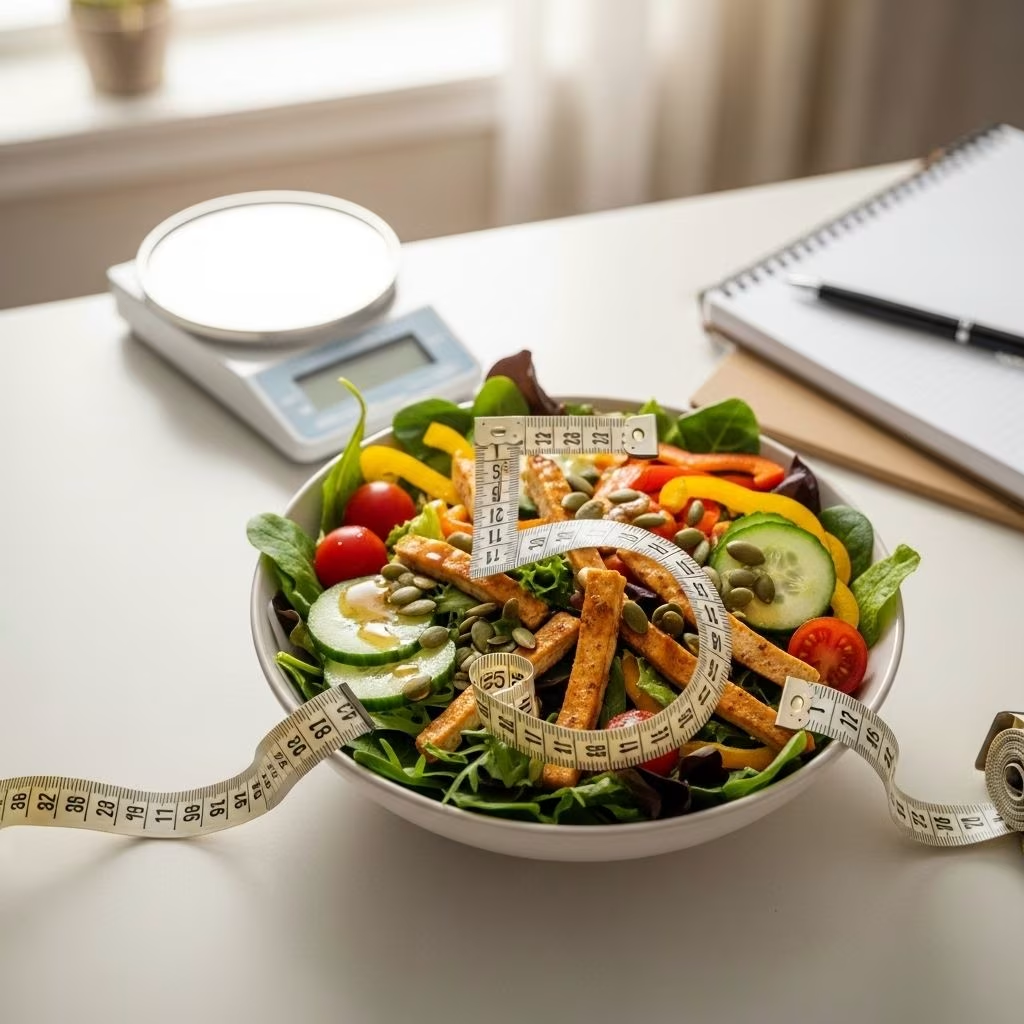
Weight loss is a journey that goes beyond quick fixes and crash diets. Shedding pounds—and more importantly, keeping them off—requires sustainable lifestyle changes grounded in science. Below, you’ll find five evidence-backed strategies to help you lose weight in a healthy, realistic way, whether you’re just starting out or ready to break through a plateau.
1. Move More Every Day
Incorporating regular physical activity is one of the most reliable ways to support weight loss and maintain a healthy body. Exercise not only helps you burn calories, but it also preserves muscle, which keeps your metabolism humming.
- Track your baseline activity. Use a step counter or activity monitor to understand how much you’re moving now. Establishing a baseline helps set realistic goals for increasing movement.
- Aim for at least 150 minutes of moderate exercise weekly. According to health guidelines, this could be brisk walking, cycling, or swimming. If you’re unable to fit in long sessions, break activity into smaller chunks—five or ten minutes at a time—all movement counts.
- Fit activity into daily routines. Take the stairs. Park further from entrances. Walk during phone calls. Look for sneaky ways to move more throughout your day.
- Challenge yourself. Try to increase your daily step count or add simple strength exercises for muscle maintenance. A pedometer or fitness app can provide motivation and accountability.
Remember, consistency is key. Building movement into your day helps ensure it becomes a habit, not a chore.
2. Focus on Real, Nutrient-Dense Foods
Calories count, but quality of calories matters just as much. The foundation of lasting weight loss is a diet rich in whole, minimally processed foods that fuel your workouts and fill you up without excess calories.
- Prioritize whole foods. Fill your plate with vegetables, fruits, whole grains, lean proteins (including plant-based sources), and healthy fats such as avocados or olive oil.
- Limit added sugars and processed foods. These are often calorie-dense and nutrient-poor, sabotaging your efforts with little nutritional payoff.
- Stay hydrated. Sometimes thirst can be mistaken for hunger. Drinking water can help you feel full and energized.
- Plan balanced meals. Each meal should combine protein, fiber-rich carbohydrates, and some healthy fat to keep you full and your blood sugar stable.
- Keep healthy snacks on hand. To avoid grabbing processed options, prepare grab-and-go snacks like nuts, fruit, hard-boiled eggs, or Greek yogurt.
Nourishing your body with real food helps regulate appetite, boosts energy, and provides all the nutrients your body needs to thrive during your weight loss journey.
3. Eat Mindfully and Avoid Liquid Calories
Mindful eating is about being present and aware while eating, helping you better interpret hunger cues and avoid overeating.
- Eat without distractions. Turn off your TV, put away your phone, and focus on your meal. Enjoy the flavors, smells, and textures of your food.
- Recognize true hunger and fullness signals. Pause mid-meal to see if you’re satisfied. Stop eating when you’re comfortably full rather than stuffed.
- Avoid sugary drinks. Sodas, sweetened teas, and juices can add hundreds of empty calories to your day without contributing to satiety.
- Choose water or unsweetened beverages. Drinking water before meals may also help curb appetite and prevent overeating.
- Be cautious with alcohol. Alcoholic drinks are often high in calories and can lower inhibitions, leading to mindless snacking.
By being more intentional about what, when, and how you eat, you’ll be more likely to make choices that align with your health and weight goals.
4. Prioritize Sleep and Manage Stress
Sleep and stress are often overlooked but play a vital role in successful weight loss.
- Strive for 7-8 hours of quality sleep per night. Lack of sleep disrupts hormones that regulate hunger and can increase cravings for high-calorie foods.
- Maintain a restful sleep environment. Go to bed and wake up at the same time every day, keep your room dark and cool, and avoid screens before bedtime.
- Practice stress management techniques. Chronic stress can drive emotional eating and cravings for unhealthy foods. Use tools like deep breathing, gentle exercise, meditation, or journaling to reduce stress.
- Stay consistent. Prioritizing sleep and stress relief isn’t just good for your waistline—it’s essential for overall health and mood.
Addressing sleep and stress can help regulate appetite and make it much easier to stick to healthy eating and activity behaviors over time.
5. Keep Yourself Accountable
Making changes that last requires accountability. Tracking progress in some way and seeking support can make a significant difference.
- Track your food intake. Studies show that keeping a food journal, using a diet app, or simply writing down what you eat can double your weight loss outcomes.
- Weigh yourself regularly. Stepping on the scale once a week (not obsessively, but consistently) helps you stay focused and note trends early.
- Set clear, realistic goals. Make goals specific and attainable. Rather than “lose weight,” try “walk 30 minutes a day, five days a week.”
- Find a support system. Whether it’s a friend, family member, online community, or fitness coach, support and accountability help when motivation wanes.
- Celebrate progress, not perfection. Every small healthy choice adds up. Reward yourself with non-food treats, like new workout clothes or a relaxing bath.
Accountability keeps you motivated, helps build consistency, and allows you to recognize all of your hard-earned progress.
Bonus Tips: Setting Yourself Up for Success
- Don’t Skip Meals: Skipping meals can backfire, causing extreme hunger and overeating later. Regular meals keep metabolism steady and energy high.
- Eat Breakfast: Many successful weight losers eat a balanced breakfast every day—a mix of lean protein and whole grains sets a steady tone for the day.
- Meal Prep: Planning and preparing meals in advance removes guesswork and reduces the temptation to make less healthy choices when you’re rushed or hungry.
- Exercise Your Muscles: Include strength training exercises two or three times per week to preserve (or build) muscle, prevent metabolic slowdown, and shape your body as you lose fat.
Table: Summary of the 5 Science-Backed Weight Loss Tips
| Tip | Main Action | Key Benefit |
|---|---|---|
| Move More Every Day | Increase daily activity; regular exercise | Burns calories, preserves muscle |
| Focus on Real Foods | Eat whole, minimally processed foods | Nourishes, reduces calorie intake, boosts fullness |
| Eat Mindfully | Pay attention; avoid liquid calories | Prevents overeating, minimizes empty calories |
| Prioritize Sleep & Stress Management | Get 7-8 hours sleep; manage stress | Improves appetite regulation and energy |
| Keep Yourself Accountable | Track food, weigh regularly, set goals | Boosts motivation, highlights progress |
Frequently Asked Questions (FAQs)
Q: How much exercise do I really need to lose weight?
A: The Physical Activity Guidelines for Americans recommend at least 150 minutes of moderate-intensity aerobic exercise per week. However, for weight loss and especially for weight maintenance, 60–90 minutes per day of moderate activity may be required. Even small periods of movement throughout the day add up and can make a difference.
Q: Can I lose weight just by changing my diet?
A: Nutrition plays the largest role in weight loss—accounting for 70–80% of results. However, combining healthy eating with regular movement and other lifestyle changes (like sleep and managing stress) produces the best, most sustainable outcomes.
Q: Are all calories equal when it comes to weight loss?
A: While calorie balance matters, not all calories are created equal. Highly processed foods often lack fiber, protein, and volume, so they are less filling and more likely to lead to overeating. Nutrient-dense, minimally processed foods trigger more satiety and deliver the vitamins and minerals your body needs to function optimally.
Q: How important is sleep for weight loss?
A: Sleep is critically important. Inadequate sleep can slow metabolism and trigger hormonal changes that increase appetite and cravings, especially for sugary and fatty foods. Prioritize 7-8 hours of restful sleep for the best chance at healthy weight management.
Q: What’s the best first step to start losing weight?
A: Start by setting a small, specific, achievable goal you can stick with—like tracking your food, adding a ten-minute daily walk, or replacing sugary drinks with water. Building confidence with small wins helps set the stage for bigger, lasting changes.
Always consult a healthcare provider before beginning any significant diet or exercise program, especially if you have underlying health conditions.
References
- https://www.prevention.com/weight-loss/a20437039/100-easy-tricks-to-move-more-and-lose-weight/
- https://www.prevention.com/weight-loss/diets/a60578947/how-to-lose-weight-fast-safely/
- https://www.prevention.com/health/a65401665/expert-walking-tips-weight-loss/
- https://www.prevention.com/weight-loss/a20461708/weight-loss-tips-3/
- https://www.prevention.com/weight-loss/a20432968/5-weight-loss-tips-from-weight-watchers-ceo/
- https://www.prevention.com
- https://www.prevention.com/weight-loss/g20490240/10-rules-to-live-by-for-long-lasting-weight-loss/
- https://www.prevention.com/weight-loss/a20509771/5-things-losing-weight-will-never-fix/
- https://www.prevention.com/weight-loss/a20462089/gut-friendly-foods-for-weight-loss/
- https://www.prevention.com/weight-loss/a20456499/52-simple-weight-loss-tips/


