


The ‘Hungry Gut’ Gene and Its Role in Weight Loss Drug Effectiveness
Breakthrough research is reshaping how we understand obesity—and who will benefit most from cutting-edge weight loss medications. The discovery centers on a genetic trait dubbed the ‘hungry gut’ gene, which may signal better responsiveness to drugs like Ozempic and Wegovy. As the popularity of anti-obesity medications soars, unraveling the connection between genetics and drug effectiveness has never been more urgent.
Not all bodies respond equally to these drugs, and for many patients, months of treatment can yield lackluster results. Now, genetic profiling offers a new path to personalized treatment, promising to save time, money, and health frustration for people with obesity.
What Is the ‘Hungry Gut’ Phenotype?
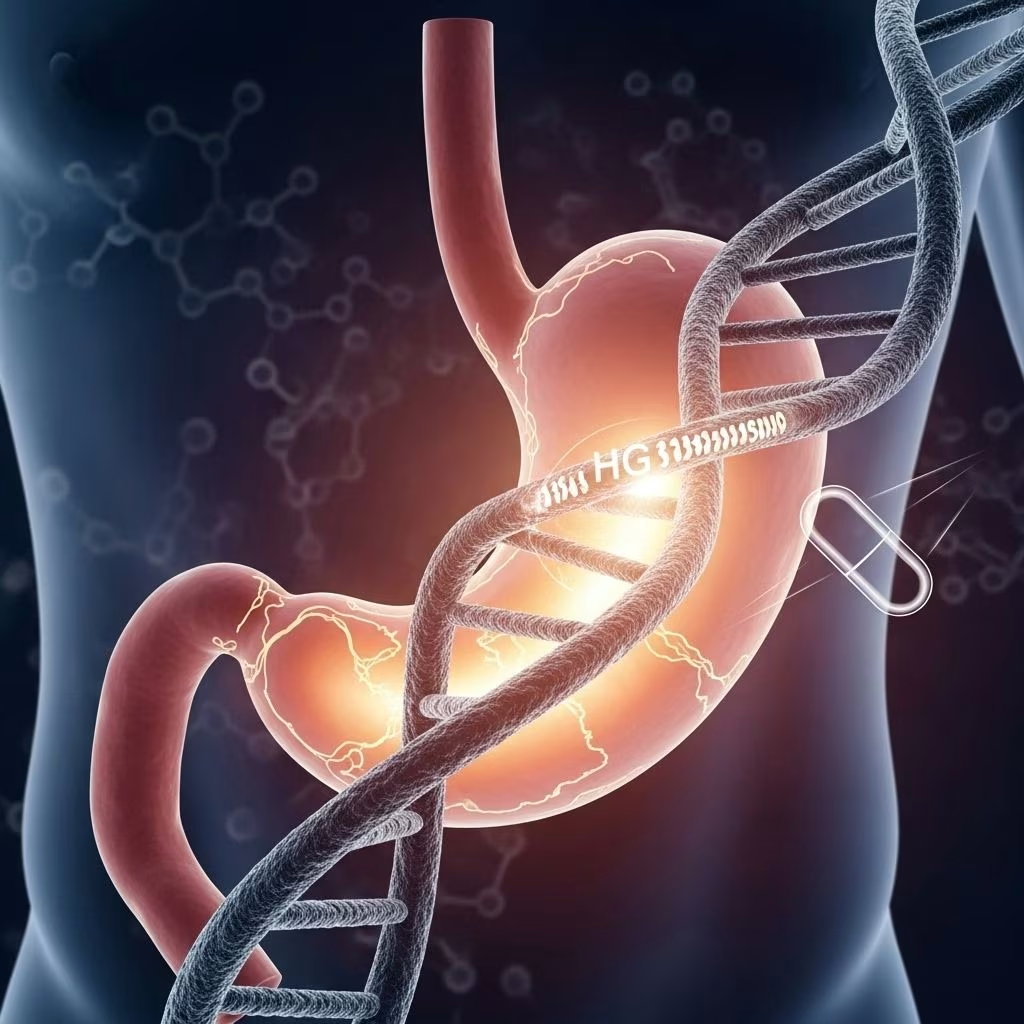
The term hungry gut describes a specific obesity phenotype—essentially, a genetic pattern—that makes individuals feel hungry again an hour or two after eating a meal. This rapid return of hunger happens because their stomach empties more quickly than average, leaving them unsatisfied and prone to frequent snacking or overeating. Unlike those who struggle to feel full (the ‘hungry brain’ type), ‘hungry gut’ individuals may eat adequate meals but still experience powerful hunger soon after.
Modern research suggests that these differences aren’t merely behavioral but deeply rooted in our genes—and understanding them may hold the key to unlocking more effective weight management strategies.
The Science: Genes, Appetite, and Weight Loss Medications
In 2024, a study presented at the Digestive Disease Week conference focused on how genetic differences affect the success of semaglutide-based drugs (including Ozempic and Wegovy). The research, led by experts at the Mayo Clinic, analyzed saliva or blood samples from 84 adults with obesity or persistent weight management issues. In addition, the team gathered information on each participant’s eating patterns.
- Participants took semaglutide for a full year.
- Researchers tracked weight loss at 3, 6, 9, and 12 months.
- Genetic data was processed through a machine-learning risk scoring system designed to predict the ‘hungry gut’ profile.
Obesity Phenotypes: Beyond One-Size-Fits-All
The Mayo Clinic’s MyPhenome test classifies obesity into four distinct genetic-based phenotypes:
- Hungry brain: Tendency to consume too many calories without feeling full.
- Hungry gut: Stomach empties rapidly, causing hunger soon after eating.
- Emotional hunger: Eating triggered by emotional states rather than physical need.
- Slow burn: Low calorie-burning rate, even with normal eating patterns.
By identifying these types, researchers can better predict which medications and strategies will be most effective for different individuals.
Key Findings: Weight Loss Outcomes by Genetic Profile
| Group | Weight Loss at 9 months | Weight Loss at 12 months |
|---|---|---|
| Hungry gut positive | 14% | 19% |
| Hungry gut negative | 10% | 10% |
Participants with the ‘hungry gut positive’ profile—those whose genes cause rapid stomach emptying—lost 14% of their body weight at 9 months, climbing to 19% by 12 months of semaglutide treatment. By contrast, those classified as ‘hungry gut negative’ hovered at about 10% weight loss throughout the year-long study.
This striking difference suggests that knowing your obesity phenotype could strongly predict how successful you will be on certain medications, especially those like semaglutide that slow gastric emptying and control appetite.
How Semaglutide and Similar Drugs Work
Semaglutide (marketed as Ozempic and Wegovy) is a medication that mimics the GLP-1 hormone, a natural compound that:
- Slows the rate at which food leaves the stomach (gastric emptying)
- Reduces appetite and prolongs feelings of fullness
- Lowers blood sugar by stimulating insulin production
By keeping food in the stomach longer, these drugs can help those with the ‘hungry gut’ gene feel satisfied after eating, counteracting their genetic tendency towards rapid hunger return.
Expert Insights: Why the ‘Hungry Gut’ Gene Matters
Dr. Meghan Garcia-Webb, a triple board-certified physician in internal, lifestyle, and obesity medicine, explains: “Someone whose stomach empties food faster after a meal would likely respond well to semaglutide, which slows the transit of food through the stomach, keeping a patient satisfied for longer.”
This mechanism directly targets the underlying cause for many with this genetic profile, making them ideal candidates for GLP-1 based medications.
The Clinical Value of Phenotyping
Identifying an individual’s obesity phenotype could streamline clinical decisions and insurance approvals, saving both patients and healthcare providers valuable time and resources. Since weight loss results from drugs like semaglutide often take months to appear, an early genetic test could indicate—with far greater accuracy—who is likely to succeed and who should consider alternative options.
Obesity, Appetite Hormones, and Genetics: The Big Picture
Obesity is a complex condition influenced by genetics, hormones, physiology, and environmental factors. Gut hormones such as ghrelin (the ‘hunger hormone’), GLP-1, PYY, and CCK all play a critical role in regulating hunger and satiety. Recent research shows that people who lose weight—or take weight loss drugs—can experience shifts in these hormone levels.
- Ghrelin: Stimulates appetite and food-seeking behaviors.
- GLP-1, PYY, CCK: Slow gastric emptying, promote satiety, and decrease food intake.
For ‘hungry gut’ individuals, genetic predisposition may mean their stomach empties rapidly and hormones like ghrelin rise more quickly, making maintaining weight loss particularly challenging without medical intervention.
Is Genetic Testing the Future of Weight Loss?
The promise of these findings is clear: by using genetic tests like MyPhenome, doctors could soon tailor obesity treatment with a level of precision currently lacking—prescribing the right medications to the right patients from the outset.
- Faster, targeted treatment: Less time wasted on ineffective drugs.
- Cost savings: Patients avoid spending on medications unlikely to work for their genetic type.
- Improved outcomes: Higher success rates for those most likely to benefit.
Limitations and Future Directions
Despite the promise, experts caution that genetic testing is just one piece of the weight loss puzzle. Other factors—including lifestyle, environment, metabolic adaptations, and psychological health—can also powerfully affect results. Genetic profiling may not fully explain why some people respond well to certain drugs while others do not.
Moreover, current tests like MyPhenome are continually evolving. Larger, more diverse studies are needed to confirm these correlations and make personalized obesity medicine widely available.
How to Identify Your Obesity Phenotype
If you’re interested in learning whether you might be ‘hungry gut positive,’ consult a physician or obesity specialist. Currently, clinical genetic testing for obesity phenotype is aimed at informing therapeutic options, especially for those struggling with:
- Repeated weight loss and regain
- Lack of response to standard treatments
- Interest in advanced, personalized medicine approaches
As access to genetic testing expands, more people may have the opportunity to target their weight loss journey with greater accuracy and success.
Frequently Asked Questions (FAQs)
Q: What is the ‘hungry gut’ gene?
A: The ‘hungry gut’ gene refers to a genetic profile where one’s stomach empties food rapidly, resulting in recurring hunger soon after meals and increasing the risk for obesity.
Q: How does being ‘hungry gut positive’ affect weight loss drugs?
A: Research shows that individuals who are ‘hungry gut positive’ respond especially well to GLP-1 based drugs (like Ozempic and Wegovy), as these drugs slow gastric emptying and prolong satiety, making them more effective for this group.
Q: Can I be tested for the ‘hungry gut’ gene?
A: Yes, emerging genetic tests (such as MyPhenome) can help determine your obesity phenotype, guiding medical professionals toward more personalized treatment options.
Q: Are there other obesity phenotypes besides ‘hungry gut’?
A: Yes. The main types include ‘hungry brain’ (difficulty feeling full), ’emotional hunger’ (eating due to emotion), and ‘slow burn’ (low metabolic rate).
Q: Does genetic testing mean lifestyle and diet are no longer important?
A: No. While genetic testing can guide drug choices, sustainable weight loss often requires a combination of medication, nutritional changes, physical activity, and behavioral support.
Takeaway: Toward a Personalized Era in Weight Loss
The discovery of the ‘hungry gut’ gene’s impact on weight loss drug response signals a leap forward in personalized obesity medicine. As genetic research advances, doctors may soon tailor treatments to each individual, offering new hope to millions struggling with obesity. For now, understanding your unique genetic makeup—and how it interacts with available therapies—may be the first key step toward lasting, effective weight management.
References
- https://www.prevention.com/weight-loss/a60888069/hungry-gut-gene-may-indicate-responsiveness-to-weight-loss-drugs/
- https://www.nature.com/articles/s41366-025-01726-4
- https://newsnetwork.mayoclinic.org/discussion/genetic-test-predicts-response-to-weight-loss-drugs/
- https://www.medicalnewstoday.com/articles/hungry-gut-gene-marker-may-help-determine-who-will-benefit-the-most-from-weight-loss-drugs
- https://obesitymedicine.org/blog/4-metabolic-phenotypes-to-aid-in-weight-loss-obesity-medicine-association/
- https://med.stanford.edu/news/all-news/2025/03/ozempic-rival.html
- https://www.phenomixsciences.com/patients/four-types-obesity
- https://medicalxpress.com/news/2024-05-hungry-gut-gene-benefit-wegovy.html


