


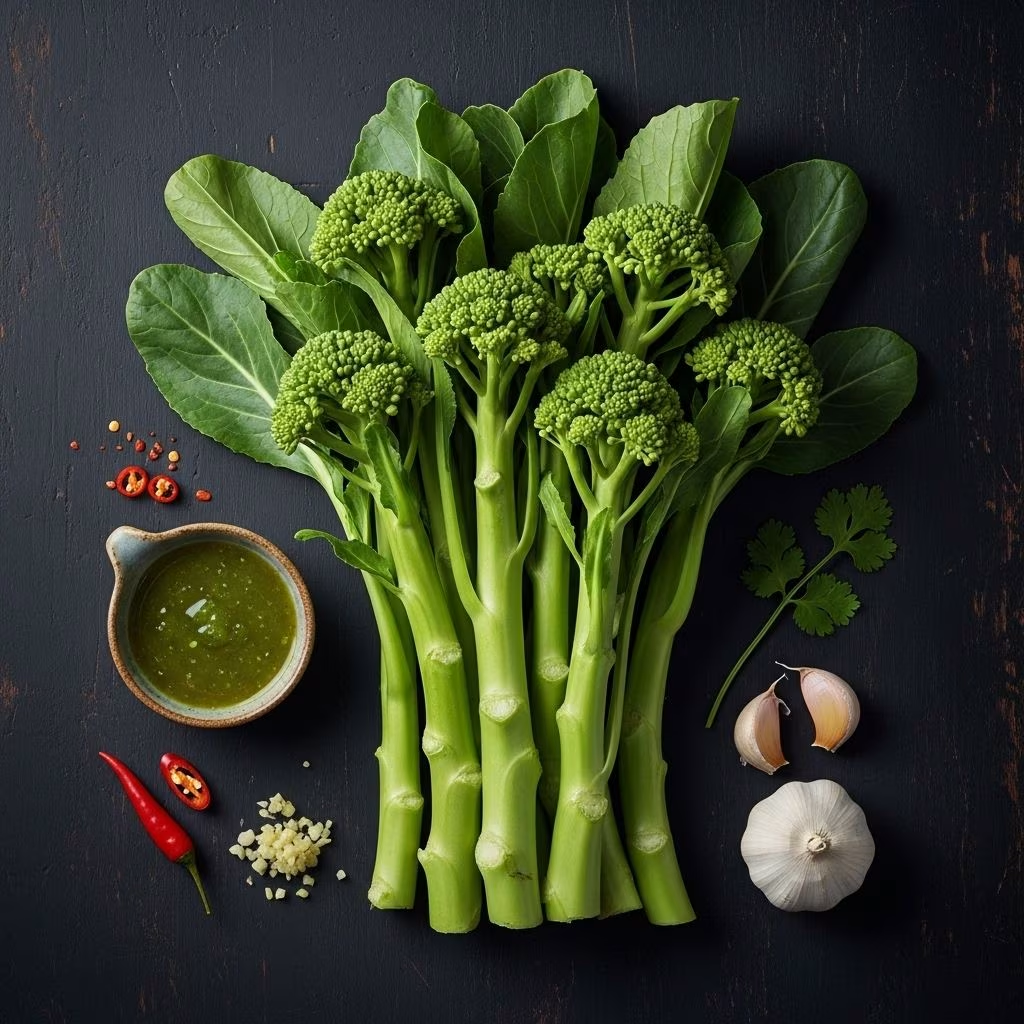
Introduction to Gai Lan (Chinese Broccoli)
Gai Lan, commonly referred to as Chinese Broccoli or Chinese Kale, is a widely celebrated leafy green vegetable integral to Asian cuisine. Botanically classified as Brassica oleracea var. alboglabra, Gai Lan distinguishes itself from common broccoli by its thick stems, dark leafy greens, and smaller florets. Its pronounced flavor and nutritional profile make it a popular choice in stir-fries, steamed dishes, and soups. Known by different names in various languages, Gai Lan is also called Jie Lan in Mandarin, Kai Lan in Cantonese, and Chinese White Kale in English-speaking contexts.
Botanical Background and Origins
Gai Lan belongs to the Brassicaceae family, which also includes cruciferous vegetables such as broccoli, collard greens, kale, and cabbage. Unlike bok choy and choy sum—other popular Asian greens—Gai Lan is more closely related to these Western vegetables.
- Scientific Name: Brassica oleracea var. alboglabra
- Family: Brassicaceae (Crucifers)
- Native Region: China, now grown worldwide
- Harvest Period: Typically 60-70 days after sowing; available year-round with peak seasons in fall through spring
Gai Lan’s cultivation has extended across the globe, with numerous varieties bred for different flavors, flower colors, and maturation rates. The plant is prized for its adaptability, thriving in cool climates, and suitability for small home gardens as well as large commercial farms.
Physical Characteristics and Varieties
Gai Lan exhibits a set of distinctive physical features that make it recognizable:
- Stems: Thick, cylindrical, and fleshy—usually pale to dark green. Young stems are tender; mature stems become firmer.
- Leaves: Broad, flat, and matte green with wavy edges and light veining. Some varieties may display purple accents.
- Florets: Smaller and looser compared to Western broccoli; usually positioned at the top of the stems. These may contain tiny green buds that open into white or yellow flowers.
Two main varieties exist:
- White-flowered Gai Lan: More common, can grow up to 19 inches tall.
- Yellow-flowered Gai Lan: Less common, shorter (up to 8 inches), but similar in taste.
Nutritional Properties and Health Benefits
Gai Lan is a powerhouse when it comes to nutrition, offering significant health benefits thanks to its rich profile of vitamins and minerals:
- Vitamin A: Promotes healthy vision, immune function, and skin health.
- Vitamin C: Supports immune defense, skin integrity, and antioxidant protection.
- Calcium: Essential for strong bones and teeth; helps regulate nerve function.
- Dietary Fiber: Contributes to healthy digestion and can help with cholesterol management.
- Phytonutrients: Contains glucosinolates and other compounds known for anti-inflammatory and potential cancer-protective properties, similar to other cruciferous vegetables.
- Low in Calories: Ideal as part of weight management and low-calorie diets.
Consuming Gai Lan regularly may help reduce the risk of chronic diseases due to its antioxidants and fiber content.
Gai Lan vs. Regular Broccoli: Nutrition Comparison
| Nutrient | Gai Lan (100g) | Broccoli (100g) |
|---|---|---|
| Vitamin A | High | Moderate |
| Vitamin C | High | High |
| Calcium | High | Moderate |
| Fiber | Good | Good |
| Calories | Low | Low |
Culinary Uses and Preparation Methods
Gai Lan is a versatile ingredient featured in a wide range of Asian dishes. Its robust, slightly bitter flavor stands up well to strong sauces and seasonings. The entire plant is edible, including its stalks, leaves, and flowers.
Popular Ways to Prepare Gai Lan
- Stir-frying: The most common preparation, often with garlic, ginger, and oyster sauce.
- Steaming or blanching: Preserves nutrients and results in a tender-crisp texture.
- Roasting: Less traditional, but enhances natural sweetness.
- Addition to soups and noodle bowls: Complements ramen, wonton soup, and hot pots.
- Raw: Can be consumed raw in salads, though the flavor will be more pronounced and bitter.
Classic Chinese Restaurant Preparation
One beloved dish involves quickly boiling or steaming Gai Lan, then drizzling with oyster sauce for a balance of umami and vegetal notes. The stalks are trimmed and cut into segments; the leaves cook rapidly and wilt, while the stems retain pleasant crunch.
Recipe Example: Simple Stir-Fried Gai Lan
- Wash and trim 1 bunch of gai lan (cut tough stem ends).
- Cut into 1-1.5 inch segments.
- Heat oil in a wok; add sliced garlic and ginger.
- Add gai lan, stir-fry for 3–4 minutes.
- Splash with a little water, cover, and steam for another 2 minutes.
- Finish with a drizzle of oyster sauce or soy sauce and serve immediately.
Other Culinary Suggestions
- Add blanched gai lan to noodle soups or rice bowls for extra nutrition and color.
- Include chopped gai lan in mixed vegetable stir-fries with carrots, bell peppers, or mushrooms.
- Pair with strong-flavored meats (beef, pork, duck) to balance flavors and provide fresh contrast.
Taste Profile and Texture
Gai Lan shares similarities with Western broccoli, but comes with distinctive taste notes:
- Taste: Raw gai lan is strong, green, slightly bitter with a subtle sweetness.
- Cooked: The bitterness mellows; flavor becomes vegetal and bittersweet. Stir-frying, boiling, or steaming bring out pleasant sweetness.
- Texture: Stems are crunchy yet become chewy when cooked; leaves wilt and soften like spinach. Ideal recipes highlight ‘tender-crisp’—soft enough to bite, but not mushy.
The overall experience is a satisfying mix of crunchy stems, soft leaves, and mild florets, with taste described as slightly more bitter and earthy than regular broccoli.
Growing, Selection, and Seasonality
Gai Lan is a hardy, cool-season vegetable for home gardening. It thrives with full sun, regular watering, and rich, well-draining soil.
- Seasonality: Gai Lan is available year-round, but its peak is early spring to fall.
- Growing Tips: Sow seeds between April and September for best results. Harvest when stems are young and before flowering for optimal tenderness.
- Selection: Choose bunches with firm, green stems and unwilted leaves. Avoid bunches where flowers have fully opened, as these may be more bitter and fibrous.
Gai Lan is easy to grow even for beginners, making it a fantastic choice for edible gardens that aim for diversity and nutrition.
Frequently Asked Questions (FAQs)
Can You Eat Gai Lan Leaves?
Yes, the leaves are nutritious, delicious, and cook quickly. You can separate them from stems during cooking for best texture.
Can You Eat Gai Lan Flowers?
Yes, the small flowers are edible, but some bitterness increases after flowering. Use before stems become woody for best flavor.
Are Gai Lan and Yu Choy the Same?
No, yu choy (choy sum) is a different vegetable with thinner stalks and a stronger mustard-like taste.
Are Gai Lan and Gai Choy Related?
They belong to the same family but are distinct varieties. Gai choy is a head-forming mustard green with a pungent bite.
What Is the Best Way to Store Gai Lan?
Store in the refrigerator in a loose plastic bag. Use within several days for best flavor and texture.
Can Gai Lan Be Eaten Raw?
Yes, but the flavor is stronger and more bitter raw. Most prefer cooked preparations.
Is Gai Lan Good for You?
Absolutely. Rich in vitamins A and C, calcium, fiber, and antioxidants, it’s a nutritious choice for daily meals.
Conclusion
Gai Lan (Chinese Broccoli) is an essential vegetable in Asian culinary traditions, favored for its robust flavor, nutritional richness, and versatile uses. Whether stir-fried, steamed, or added to soups, it offers a unique texture and a subtly bittersweet taste that complements a variety of dishes. Incorporating Gai Lan into your diet contributes significantly to overall health, making it a valuable addition to any kitchen or garden.
References
- https://www.diversivore.com/ingredient-pages/gai-lan-chinese-broccoli/
- https://www.eachgreencorner.org/2020/11/02/gai-lan-a-different-form-of-broccoli/
- https://www.ciafoodies.com/try-new-things-gai-lan/
- https://specialtyproduce.com/produce/Gai_Lan_467.php
- https://www.earlsorganic.com/blog/gai-lan
- https://www.freshpoint.com/archive/product-6/


