


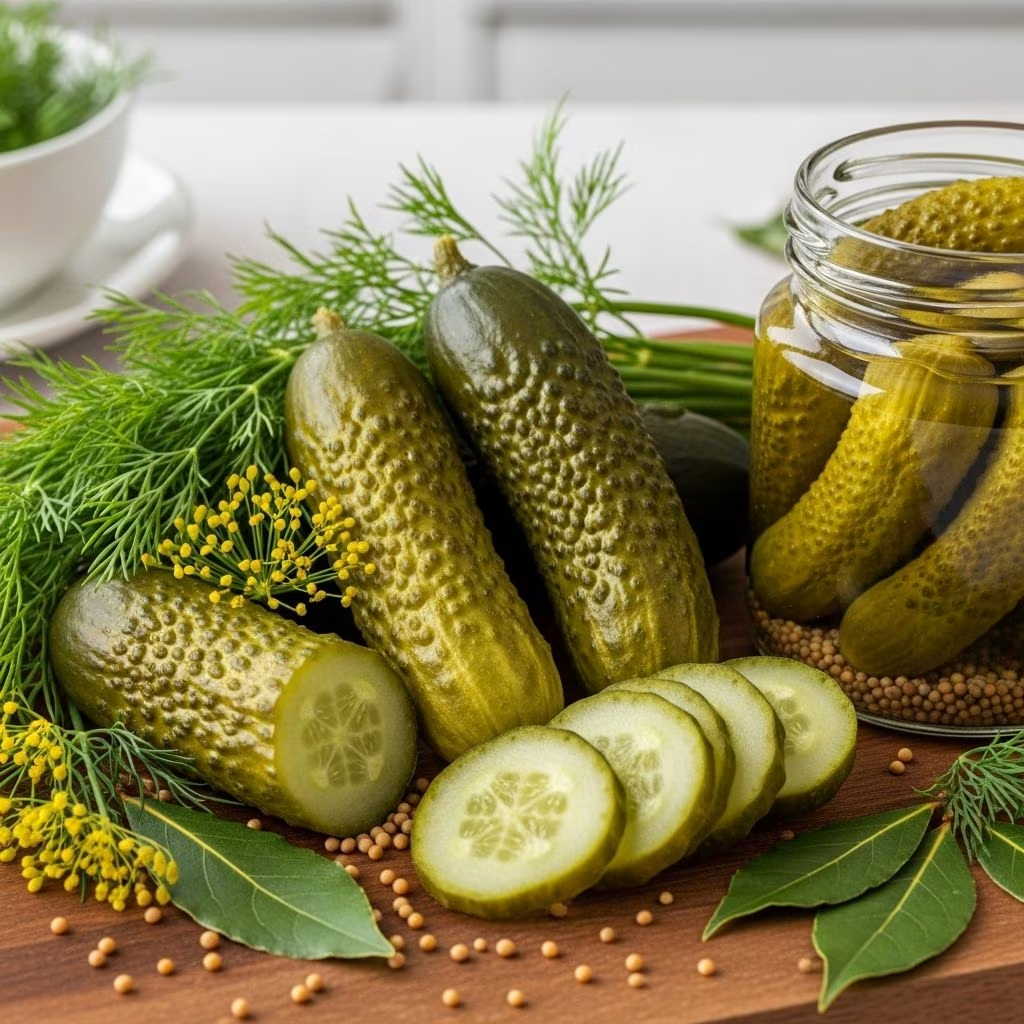
Gherkins, often mistaken for miniature cucumbers, are a cherished ingredient in pickling traditions worldwide. Renowned for their distinct texture, flavor, and surprisingly rich nutritional profile, gherkins contribute zest, crunch, and complexity to numerous savory dishes. Whether enjoyed straight from the jar or incorporated into sauces, salads, and snacks, understanding the nature, uses, and benefits of gherkins offers culinary inspiration for home cooks and food enthusiasts alike.
What Is a Gherkin?
Gherkins are small, oblong fruits belonging to the gourd family Cucurbitaceae and are closely related to cucumbers (Cucumis sativus or Cucumis anguria, depending on variety). Often known as “miniature cucumbers,” gherkins are typically picked when only 2 to 4 inches long, with thin, bumpy skins and a crisp, watery interior filled with small edible seeds. Gherkins are most commonly associated with pickling; however, they can occasionally be enjoyed fresh in some cuisines.
The term “gherkin” is used both for the raw fruit and for the pickled product. In North America and parts of Europe, “gherkin” typically refers to pickled baby cucumbers, while in France, the term “cornichon” is popular for tiny, tart pickled gherkins.
Varieties and Botanical Classification
Gherkins belong to the gourd family and are mainly classified under two scientific names depending on the type and region:
- Cucumis sativus: Most common garden cucumbers and their pickling varieties are in this species. Many gherkins are simply young, pickling types of Cucumis sativus.
- Cucumis anguria: The West Indian gherkin or burr gherkin, botanically distinct, features prickly, warty skin and a unique flavor. It is sometimes called burr cucumber and is traditional in certain tropical or subtropical regions.
Common gherkin types found commercially include:
- Baby Dills: Classic American-style pickles, small and crisp.
- French Cornichons: Tiny, tart, and sharply flavored, often paired with charcuterie.
- West Indian Gherkins: Very small (1–3 inches), heavily spined, prized for unique pickling.
- White Gherkins: Pale green or white, bumpy, with fine internal seeds.
- Watermelon Gherkins: Sometimes called “Mexican sour gherkin” or “mouse melon”; tiny (under 1 inch), resembling miniature watermelons and have a mild, pleasant flavor.
Nutritional Profile and Health Benefits
Fresh gherkins, like cucumbers, are low in calories and consist mostly of water, making them a refreshing snack or ingredient. The nutritional content changes mainly through the pickling process, where salt, vinegar, and sometimes sugar are added. Key nutrients found in gherkins include:
- Vitamins: Provitamin A (beta-carotene), vitamin B9 (folate).
- Minerals: Potassium, phosphorus, calcium, selenium.
- Low calories: Few calories per serving, especially when consumed fresh.
- Hydration: High water content contributes to hydration.
Some of the most notable health benefits of gherkins are summarized here:
- Digestive Health: As a fermented product, pickled gherkins can contain probiotics if naturally fermented, which are beneficial for gut health.
- Electrolyte Balance: The potassium in gherkins supports normal muscle and nerve function.
- Micronutrients: Folate, selenium, and calcium are vital for metabolic processes, immune health, and bone integrity.
- Low in Fat and Sugar: A good candidate for low-calorie, low-fat diets when consumed in moderation.
Note: The major nutritional caveat is the sodium content of pickled gherkins, which typically results from the brine (about 700 mg sodium per 100 g serving). For individuals on low-sodium diets, caution is advised.
Culinary Uses of Gherkins
Gherkins have been prized for centuries in the kitchen both as a condiment and an ingredient. Their crunchy texture and sharp, tangy flavor profile make them versatile in a variety of recipes. Here are the most common culinary uses:
- Pickles and Relishes: The signature use, ranging from sliced gherkins on burgers and sandwiches to traditional European cornichons with charcuterie boards.
- Salads: They add crunch and acidity to potato salad, chicken salad, and mixed vegetable salads.
- Sauces and Dips: Gherkins are a key component of classic sauces such as remoulade, tartar sauce, and French gribiche.
- Toppings and Side Dishes: Often served alongside cured meats, pâtés, and strong cheeses, especially in French and Central European cuisines.
- Hot Dishes: Chopped gherkins can enhance the flavor and brightness of dishes like steak tartare, ravigote sauce, deviled eggs, and celeriac remoulade.
- Snacking: Enjoy straight from the jar as a low-calorie, tangy snack.
International recipe traditions include sweet-and-sour Russian-style pickles (with added sugar), Indian chutneys, and American relish blends. Their acidity makes them valuable for balancing fatty, creamy, or rich foods.
Classic Gherkin Pairings
| Dish Type | How Gherkins Are Used |
|---|---|
| Charcuterie | As tart, crunchy accompaniment to cold cuts, pâtés, and sausages |
| Sandwiches & Burgers | Sliced gherkins add moisture and zest |
| Salads (Potato/Chicken) | Chopped for acidity and crunch |
| Dips & Sauces | Chopped or sliced in tartar sauce, ravigote, gribiche, remoulade |
| Steak Tartare | Finely diced as a key flavor component |
Taste and Texture of Gherkins
Gherkins are celebrated for their unique culinary profile that blends several key attributes:
- Crisp and Crunchy: Thin, bumpy skin and firm flesh offer a pronounced crunch.
- Juicy: High water content gives succulence when bitten into.
- Mild Sweetness: Subtle natural sugars are present in fresh gherkins, but the pickling process can balance or accentuate their sourness.
- Bright, Tangy Flavor: When pickled, gherkins are distinctly acidic, sometimes slightly spicy or herbal, depending on brine ingredients.
- Low Bitterness: Especially compared to larger, mature cucumbers, gherkins are known for an absence of strong bitter flavors.
The resultant taste experience makes gherkins not only a palate cleanser but also a flavor enhancer in heavier, meat-based dishes and creamy salads.
How Gherkins Are Grown and Harvested
Gherkins require warm, sunny climates and humus-rich, well-drained soils to thrive. The growing season typically begins in spring:
- Sowing: Seeds are planted in mid-spring (April in many regions).
- Growth Period: Gherkin plants produce several fruits per vine. Harvestable gherkins mature in about 50 days from sowing.
- Harvesting: For the best texture and size, only gherkins larger than a finger are picked. Harvesting is often done by hand to minimize bruising and damage.
After harvesting, gherkins are typically sorted for quality before being processed. In commercial processing, they undergo brining, seasoning, and pasteurization. This preserves texture and flavor while eliminating harmful microbes. Gherkins are available fresh during summer and early fall, but pickled forms are accessible year-round.
Preparing and Buying Gherkins
Buying Tips:
- Look for small, uniformly sized, firm fruits with intact skin.
- Brined or jarred gherkins should have a clear, unsullied brine with natural herbal or spice aromas.
- Choose products with minimal additives and preservatives for the cleanest taste.
Preparation Tips:
- Remove gherkins from the jar and drain well before use in salads or on platters.
- Due to their innate saltiness from brining, do not add extra salt to recipes featuring pickled gherkins.
- Slice, dice, or chop according to culinary needs—slices for sandwiches, fine dice for sauces and tartare, or whole as a garnish.
Fresh gherkins can be enjoyed raw (if available) or quickly pickled at home using vinegar, salt, and a personal blend of spices for a tailored flavor profile.
Potential Risks and Considerations
Although gherkins have many nutritional upsides, several considerations are important:
- High Sodium: Pickled gherkins can contain about 700 mg of sodium per 100 g serving, primarily from the brine. Those with hypertension, kidney disease, or on low-sodium diets should limit intake.
- Children: The salty and sour flavor, combined with high sodium, makes pickled gherkins unsuitable for young children.
- Allergies/Sensitivities: Rare, but possible, especially to additional spices used in flavored brines (such as mustard, garlic, or celery seed).
When consumed in moderation as part of a balanced diet, gherkins can be a healthy, flavorful addition to meals.
Frequently Asked Questions (FAQs)
Q: Are gherkins and pickles the same thing?
A: While all gherkins are pickled, not all pickles are gherkins. “Pickle” is a general term for a wide range of vegetables preserved in brine or vinegar. Gherkins are a type of small cucumber, often pickled, but “pickle” might refer to cucumbers of any size or other vegetables.
Q: What is the difference between a gherkin and a cornichon?
A: A “cornichon” is the French word for a specific style of tiny, tart pickled gherkin. While all cornichons are gherkins, not all gherkins are cornichons. Cornichons are prized for their intense sourness and are usually smaller and firmer.
Q: Can gherkins be eaten raw?
A: Yes, fresh gherkins can be eaten raw, though they are most commonly pickled. Raw gherkins are crisp, mildly sweet, and delicately flavored if harvested at a young, small size.
Q: Are there non-pickled gherkin recipes?
A: Though rare, fresh gherkins can be added to salads or used as a garnish; however, their robust flavor and crunch are most commonly enjoyed through pickling.
Q: Are pickled gherkins probiotic?
A: Only gherkins pickled by natural fermentation (with salt brine and no vinegar) are probiotic. Most commercially jarred gherkins are pasteurized and do not contain live cultures.
Conclusion: Why Gherkins Matter on the Table
From their unique botanical status to their indispensable role in flavoring classic dishes, gherkins exemplify the culinary value of pickling traditions. Offering hydration, essential micronutrients, and a satisfying crunch, these petite vegetables play a starring role in global gastronomy—reinvented in each region’s brine, spice, and savor. Whether paired with cheeses, layered in sandwiches, or transformed into relish, gherkins remain a crisp, tangy delight—best enjoyed in moderation and with appreciation for their remarkable versatility.
References
- https://specialtyproduce.com/produce/Gherkin_Cucumbers_8477.php
- https://naturesproduce.com/encyclopedia/gherkin/
- https://puripangan.co.id/everything-you-need-to-know-about-gherkins/
- https://www.merriam-webster.com/dictionary/gherkin
- https://www.fondation-louisbonduelle.org/en/vegetable/gherkin/
- https://www.masterclass.com/articles/gherkin-vs-pickle
- https://dictionary.cambridge.org/us/dictionary/english/gherkin


