


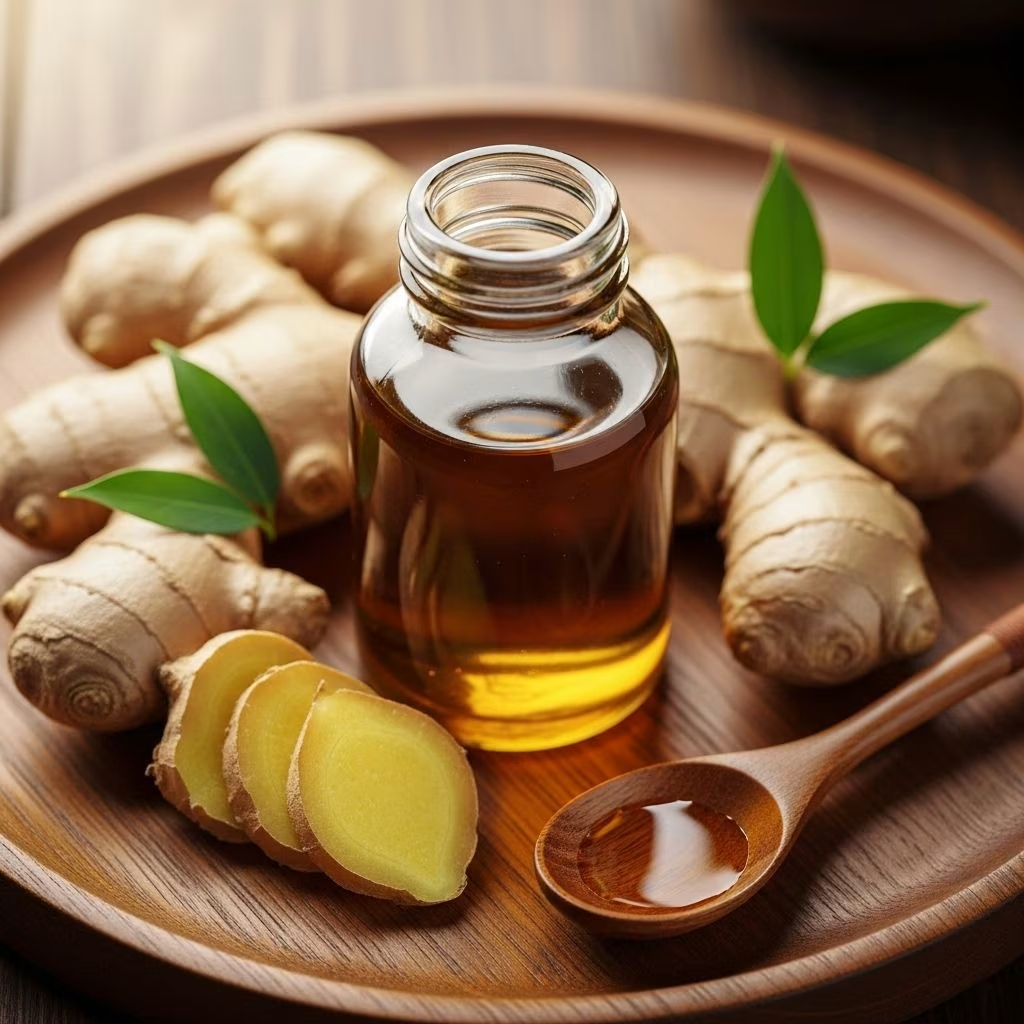
Ginger oil, derived from the roots of the Zingiber officinale plant, has been used for centuries in traditional medicine for its stimulating, anti-inflammatory, and antioxidant properties. In recent years, it has become a popular natural remedy for hair and scalp health, drawing attention for its potential to address thinning hair, scalp discomfort, and weak hair fibers. This article explores the science-backed benefits of ginger oil for hair, its mechanisms of action, how to use it effectively, which precautions to consider, and answers to common questions about its use.
Why Use Ginger Oil for Hair?
Many people struggle with dull, thinning, or slow-growing hair, as well as scalp irritation, dandruff, and itchiness. Ginger oil offers a botanical approach to these problems, providing:
- Improved scalp circulation for enhanced nutrient delivery to follicles.
- Anti-inflammatory effects that can help soothe scalp irritation and reduce inflammation driven hair loss.
- Antioxidant protection to counteract free radical damage involved in hair breakage and follicle aging.
- Antimicrobial and antifungal action potentially limiting dandruff and scalp infections.
- Hair shaft strengthening by supporting collagen production and cuticle protection.
While some traditional claims about ginger oil enhancing hair growth are under debate, research generally supports its contribution to an optimal scalp environment, which is crucial for healthy hair.
Scientific Benefits of Ginger Oil for Hair
Ginger oil’s benefits for hair stem from multiple scientifically observed mechanisms:
1. Enhanced Blood Circulation
Ginger oil contains active compounds like gingerol and shogaol that act as vasodilators, widening blood vessels and promoting circulation in the scalp. Improved blood flow ensures hair follicles receive increased oxygen and essential nutrients — fueling healthy hair growth. Users often notice a warm, tingling sensation from this effect, which signals stimulated microcirculation.
2. Anti-Inflammatory Properties
Chronic inflammation can force hair follicles into the telogen (resting) phase, disrupting the natural growth cycle and leading to thinning or hair loss. Ginger’s anti-inflammatory compounds (such as gingerol) help reduce scalp inflammation, supporting follicles and prolonging the anagen (growing) phase.
3. Antioxidant Protection
Reactive oxygen species can damage keratinocytes and cells in the dermal papilla, weakening hair fiber and accelerating aging. Ginger oil, rich in antioxidants, scavenges these free radicals. This protective role helps prevent premature breakage and hair loss associated with oxidative stress.
4. Scalp Microbiome Balance
The terpenes in ginger oil possess antimicrobial properties that can help keep dandruff-associated yeasts and bacteria in check. By supporting a balanced scalp microbiome, ginger oil may alleviate itchiness, flaking, and minor scalp infections.
5. Collagen Production and Hair Strength
Ginger is a source of vitamin C, which supports collagen synthesis. Collagen is critical to the hair shaft’s strength and elasticity—reducing brittleness and breakage, and promoting smoother, more resilient strands.
| Benefit | Mechanism | Outcome |
|---|---|---|
| Improved Blood Flow | Vasodilation by gingerol/shogaol | More nutrient delivery to follicles, optimal growth environment |
| Anti-Inflammatory | Moderates NF-κB/COX-2, cytokines | Reduces scalp redness, soothes irritation, delays premature follicle rest |
| Antioxidant Action | Scavenges ROS/free radicals | Protects hair structure, limits breakage, maintains hair vibrancy |
| Microbial Balance | Terpenes combat bacteria/yeast | Curbs dandruff, less itching and flaking |
| Collagen Synthesis Support | Vitamin C & essential nutrients | Stronger, more flexible hair fibers |
Key Compounds in Ginger Oil & How They Work
- Gingerol & Shogaol: Stimulate blood flow and provide strong anti-inflammatory and antioxidant action.
- Cedrol: A sesquiterpene recently identified as supporting hair follicle protection, immune signal modulation, and follicle regrowth via the Wnt/β-catenin and SHH signaling pathways.
- Vitamin C: Boosts collagen production for healthy, resilient hair fibers.
- Essential fatty acids & minerals: Nourish the scalp and hair for improved elasticity.
Research highlights cedrol as particularly promising for revitalizing dormant follicles and supporting hair density, though most evidence is from animal studies as of now.
How to Use Ginger Oil on Hair
To maximize the benefits of ginger oil, it’s critical to use it correctly and safely. Follow these steps for optimal results:
- Select a High-Quality Oil: Choose pure, therapeutic-grade ginger essential oil or a well-formulated carrier oil blend. Ensure the oil is free from additives and synthetic scents.
- Dilute Properly: Ginger oil is potent and should always be diluted with a carrier oil (such as jojoba, coconut, almond, or olive oil). Typically, use 2-3 drops of ginger essential oil per tablespoon (15 ml) of carrier oil.
- Patch Test: Before applying to the scalp, do a patch test on your inner arm to check for sensitivity.
- Scalp Massage: Part your hair and apply the diluted oil directly to the scalp. Gently massage the scalp with your fingertips for 5-10 minutes — this not only distributes the oil but further stimulates circulation.
- Leave On: For routine maintenance, leave the oil on for 30–60 minutes before shampooing. For deeper treatment, you can leave it overnight, covering your hair with a shower cap.
- Wash Thoroughly: Use a gentle, sulfate-free shampoo to remove all oil residue. Repeat 1-2 times a week.
Pro Tip: Combine ginger oil with other hair-friendly oils, such as rosemary or peppermint, to enhance overall scalp health and give your hair a natural boost.
DIY Ginger Oil Hair Masks & Recipes
Integrate ginger oil into your hair care routine using these simple recipes:
1. Basic Ginger Oil Scalp Massage Blend
- 2 tablespoons carrier oil (coconut, jojoba, or argan)
- 3 drops ginger essential oil
Mix, apply to scalp, and massage as directed above.
2. Nourishing Ginger Hair Mask
- 1 tablespoon ginger oil (diluted in carrier oil as above)
- 1 tablespoon honey (moisturizer and antibacterial)
- 1 egg yolk (for protein boost)
Mix ingredients, apply the mask from root to tip, and leave on hair for 30 minutes before rinsing with cool water and shampooing.
3. Ginger & Aloe Vera Soothing Spray
- 1/2 cup aloe vera juice
- 10 drops ginger oil (pre-diluted in a tablespoon of carrier oil)
- Optional: 5 drops tea tree oil (for flake and itch relief)
Blend, pour into a spray bottle, and spritz onto the scalp as needed for a fresh, non-greasy tonic.
Tips, Precautions & Safety Considerations
- Dilute properly: Ginger oil is highly concentrated and can cause irritation if used undiluted on the scalp.
- Check for allergic reactions: Always patch test to avoid scalp irritation or allergic responses.
- Avoid eye contact: Wash hands after application; ginger oil can cause intense stinging if it gets into your eyes.
- Do not ingest: Ginger essential oil is not meant for internal use unless prescribed by a specialist.
- Pregnant or nursing women: Consult a healthcare provider before use, as ginger oil has stimulating properties.
- Avoid use on open wounds or severely sensitive skin.
Those with extremely sensitive scalps, eczema, or very dry skin should proceed with caution, as ginger oil’s warming properties can sometimes exacerbate irritation.
Possible Side Effects
- Local irritation: Redness, burning, or stinging at the application site.
- Allergic reaction: Rash, swelling, or itching; discontinue use immediately and consult a medical professional if symptoms appear.
- Unintended dryness: Overuse can sometimes strip oils from the scalp, leading to dryness or increased flaking.
Severe reactions are rare if proper dilution and patch testing procedures are followed, but any persistent irritation warrants discontinuation and medical advice.
Frequently Asked Questions (FAQs)
Q: Does ginger oil really make hair grow faster?
Ginger oil is not classified as a direct hair growth stimulant. Instead, it creates a supportive scalp environment by reducing inflammation, improving circulation, and counteracting oxidative stress. Some compounds (like cedrol) have shown follicle protection and regrowth potential in animals, but human evidence is still emerging.
Q: Can ginger oil stop hair loss?
It can help reduce factors that contribute to hair loss — such as inflammation and follicle stress — but it is not a cure for pattern baldness or hormonally driven hair loss (like DHT-mediated hair loss).
Q: How often can I use ginger oil on my scalp?
Generally, 1–2 applications per week is sufficient for most people and minimizes chances of irritation. Adjust frequency based on how your scalp responds.
Q: Who should avoid using ginger oil for hair?
Individuals with very sensitive or allergic skin, active scalp conditions, pregnant or breastfeeding women (without medical approval), and those on certain medications (like blood thinners) should exercise caution or avoid use.
Q: Does ginger oil help with dandruff and itchy scalp?
Yes, the anti-inflammatory and antimicrobial properties of ginger oil can help alleviate mild dandruff, itching, and flaking, particularly when blended with antifungal oils like tea tree or peppermint.
Q: Can I use ginger oil on chemically treated or colored hair?
Ginger oil blends are generally safe if used diluted and if you patch test first. However, overuse or improper rinsing may interact with some color treatments; always check with your stylist for personalized advice.
Q: Are there risks to long-term use?
There is no conclusive evidence of harm from long-term topical use of properly diluted ginger oil. Monitor for irritation, and alternate with other botanical oils if needed.
Key Takeaways
- Ginger oil supports healthy hair and scalp by stimulating circulation, combating inflammation, protecting against oxidative stress, and strengthening hair fibers.
- Proper dilution, patch testing, and consistent (but not excessive) use are crucial for safe and effective results.
- Ginger oil is best used as a supportive treatment, not a miracle cure — and benefits may be greater for maintaining hair than for reversing established hair loss.
By understanding the mechanisms, following best practices, and listening to your scalp’s needs, ginger oil can be a valuable addition to a holistic, natural hair care routine.
References
- https://seekbamboo.com/blogs/sustainable-lifestyle/is-ginger-good-for-your-hair
- https://origenere.com/blogs/ingredient-spotlight/ginger-benefits-for-skin-and-hair-growth-science-backed-insights-for-wellness
- https://trichology.com/the-truth-about-ginger-does-it-really-damage-hair/
- https://pmc.ncbi.nlm.nih.gov/articles/PMC3578824/
- https://www.healthline.com/health/ginger-for-hair
- https://pubmed.ncbi.nlm.nih.gov/23437345/
- https://pdfs.semanticscholar.org/b91b/528e05b6a578e1f08deee736f0bb108ad9e8.pdf


