


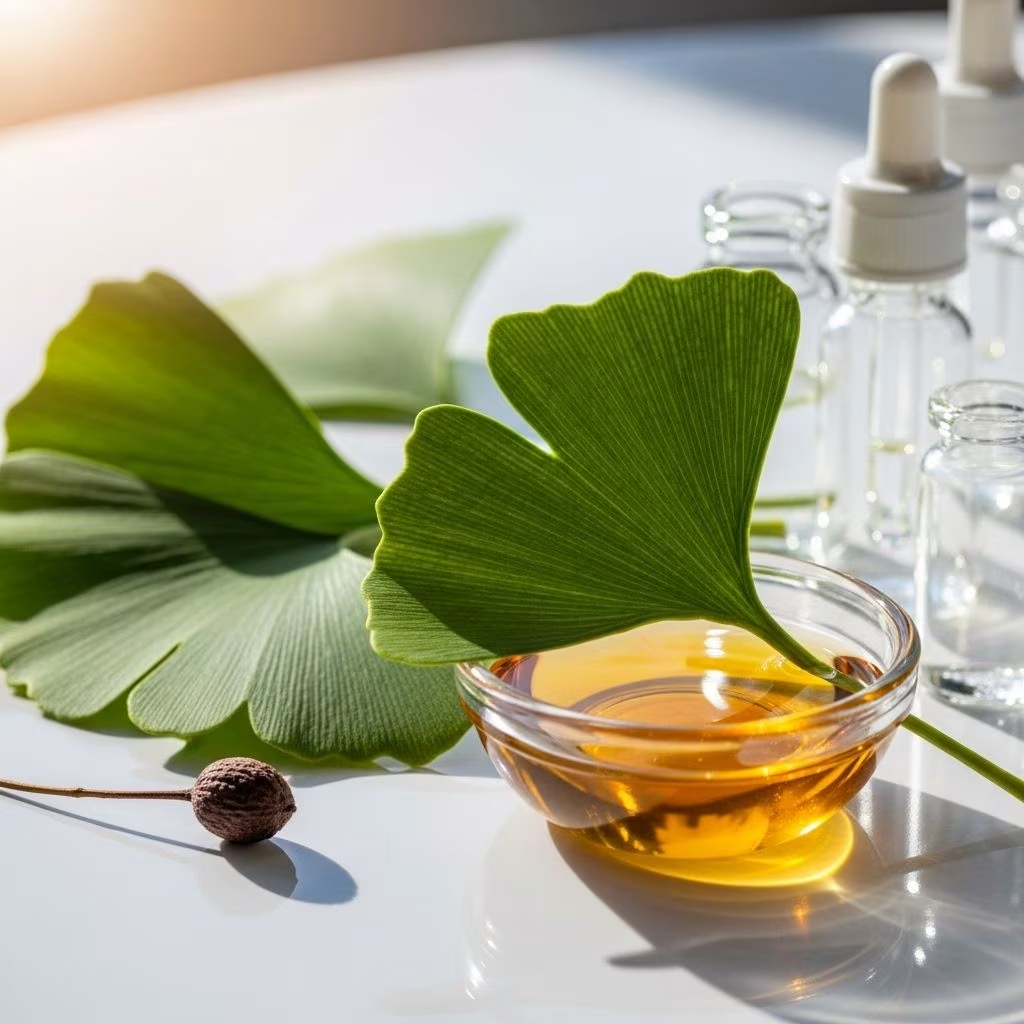
Ginkgo biloba, often called the “maidenhair tree,” is among the oldest living tree species on earth. Revered for centuries in traditional medicine, its leaf extract is now starring in modern cosmeceutical formulations. This detailed guide explores the skin benefits of Ginkgo biloba leaf extract, its cosmetic uses, mechanisms of action, practical advice for use, and essential side effects and precautions. Learn whether this botanical powerhouse deserves a spot in your skincare regimen.
Introduction to Ginkgo Biloba
Ginkgo biloba is native to China and has been cultivated for medicinal and ornamental purposes for thousands of years. The unique fan-shaped leaves are rich in biologically active compounds. Traditionally used to support cognitive function and circulation, contemporary science has spotlighted Ginkgo’s potent effects on the skin, making it a coveted ingredient in cosmeceuticals and high-end skincare lines.
Key Compounds in Ginkgo Biloba Leaf Extract
The leaf extract contains a distinctive array of active ingredients that contribute to its cosmetic and therapeutic potential:
- Flavonoids (quercetin, kaempferol, isorhamnetin): Plant antioxidants that combat free radical damage.
- Terpenoids (ginkgolides, bilobalide): Known for anti-inflammatory and circulation-enhancing actions.
- Proanthocyanidins: Potent free radical scavengers aiding skin protection.
- Phenolic acids: Support antioxidant activity.
These compounds establish Ginkgo biloba leaf extract as both a defensive and restorative ingredient for human skin.
Skin Benefits of Ginkgo Biloba Leaf Extract
Multiple scientific studies and clinical trials confirm Ginkgo’s multifaceted contributions to healthier, younger-looking skin:
1. Potent Antioxidant Protection
Ginkgo biloba leaf extract teems with antioxidants like flavonoids and terpenoids that neutralize free radicals—unstable molecules that accelerate skin aging, collagen breakdown, and dullness. Topical formulations have been shown to reduce oxidative stress, diminish signs of photoaging, and shield against environmental damage.
2. Anti-inflammatory Effects
Anti-inflammatory properties help calm irritated skin, decrease redness, and relieve discomfort. Ginkgo’s application is beneficial for individuals suffering from inflamed conditions such as acne, eczema, and rosacea. Consistent use can visibly reduce flare-ups and promote a more even complexion.
3. Collagen Stimulus and Anti-wrinkle Action
One of Ginkgo’s hallmark features is support for collagen synthesis. By stimulating fibroblast activity, Ginkgo leaf extract aids in preserving the skin’s architecture—leading to improved firmness, less sagging, and fewer fine lines or wrinkles.
4. Improvement in Skin Microcirculation
Enhanced epidermal blood flow resulting from terpenoid activity promotes more effective delivery of oxygen and nutrients, supporting natural radiance, healthier tone, and faster wound healing.
5. Skin Brightening and Texture Enhancement
- Promotion of cell regeneration leads to smoother texture and renewal of surface layers.
- Improved circulation and reduced inflammation help even skin tone and reduce patchiness or dullness.
6. Deep Hydration
Ginkgo extract aids in locking in moisture and improving barrier function. Consistent application has been verified to boost skin hydration, leaving it softer and more supple.
Summary Table: Key Benefits for Skin
| Skin Benefit | Description | Supporting Evidence |
|---|---|---|
| Antioxidant | Combats free radical damage and slows aging | Clinical studies and DPPH assays |
| Anti-inflammatory | Reduces redness, soothes irritation | Volunteer trials, in vitro results |
| Supports collagen | Enhances firmness, lessens wrinkles | Skin rejuvenation trials |
| Microcirculation boost | Improves radiance, aids repair | Blood flow measured in skin studies |
| Hydration | Strengthens barrier, increases moisture | User studies and dermatological control |
How Ginkgo Biloba Leaf Extract Works for Skin
Understanding the underlying mechanisms illuminates why Ginkgo biloba is a star in advanced skincare:
- Antioxidant neutralization: Binds with and neutralizes free radicals, minimizing DNA, protein, and cell membrane damage.
- Inhibition of inflammatory pathways: Modulates pro-inflammatory cytokines, thus reducing the skin’s inflammatory response.
- Stimulation of fibroblast activity: Directs skin cells to ramp up collagen and elastin production.
- Vascular dilation: Promotes healthier capillaries and oxygenation at the tissue level.
Cosmetic & Topical Uses of Ginkgo Biloba Leaf Extract
Ginkgo biloba’s multi-faceted action has led to its integration into a broad range of topical and cosmetic products, including:
- Face creams and serums: For anti-aging, hydration, and radiance improvement.
- Eye creams: Targeting puffiness and fine lines.
- Sunscreens: Antioxidant support against UV-induced free radical damage.
- Sheet masks and ampoules: Quick intensive treatments for dull or irritated skin.
- Cleansers and toners: To enhance barrier repair and reduce inflammation.
Innovative brands also use Ginkgo biloba in formulations aimed at soothing sensitive skin and repairing environmental damage. It is popular both as a stand-alone extract and in synergistic formulas with other botanicals or actives like vitamin C and niacinamide.
How to Incorporate Ginkgo Biloba Into Your Skincare Routine
For best results and minimized side effects, follow these tips for integrating Ginkgo biloba leaf extract:
- Patch test: Before applying a new product containing Ginkgo extract, patch test a small amount on the inside of your forearm and monitor for 24 hours.
- Cleansing: Begin your routine with a gentle cleanser. Ginkgo-based cleansers can help soothe irritation from the first step.
- Toning: Consider a toner with Ginkgo extract, especially if your skin is sensitive or redness-prone.
- Moisturizing: Apply a Ginkgo-rich cream or serum after cleansing and toning. Massage gently to boost penetration and stimulate microcirculation.
- Sunscreen: If using Ginkgo for its antioxidant benefits, follow with broad-spectrum sunscreen in the morning as final step.
For those interested in DIY skincare, it is essential to use pure, standardized extracts and avoid excessive concentrations, which may increase irritation risk.
Frequency & Recommendations
- Begin with alternate-day application and increase as tolerated.
- Pair with hydrating and barrier-repairing products for comprehensive benefits.
Possible Side Effects and Precautions
While Ginkgo biloba is generally considered safe for topical use, awareness of potential side effects and contraindications is crucial:
- Allergic reactions: Rare, but can include redness, itching, or hives. Always patch test.
- Irritation: Especially in individuals with extremely sensitive or broken skin.
- Photoallergic reactions: Some reports suggest increased sun sensitivity in rare cases—always combine with sunscreen in the morning.
- Contaminants: Non-standardized extracts may contain ginkgolic acids or allergens. Purchase from reputable, quality-controlled brands.
Who Should Avoid Ginkgo Biloba?
Certain individuals should exercise caution or avoid Ginkgo biloba extract altogether:
- Known allergies to Ginkgo biloba or related species.
- Pregnant or breastfeeding women: Not enough data for safety in topical or oral use—consult a healthcare provider first.
- Individuals on blood-thinning medications: Ginkgo can have mild anticoagulant effects, but this is most relevant to oral use; topical absorption is usually low but caution is advised.
- Active inflammatory skin diseases: Severe eczema or open wounds may react poorly to new botanicals.
Frequently Asked Questions (FAQs)
Q: Can Ginkgo biloba extract address visible signs of aging?
A: Yes, clinical trials show improved elasticity, reduced fine lines, and firmer skin due to antioxidant and collagen-stimulating effects.
Q: Is Ginkgo biloba leaf extract safe for all skin types?
A: It is considered suitable for most, including sensitive skin, but always patch test—especially if you are prone to allergies or breakouts.
Q: How long does it take to see visible results from Ginkgo extract in skincare?
A: Results such as radiance, firmness, and smoother texture can appear in as little as two weeks of consistent use in some products, with clearer benefits after one to two months.
Q: Can I combine Ginkgo extract with retinol or vitamin C products?
A: Yes, these can have complementary actions—Ginkgo for antioxidant and soothing effects, retinol or vitamin C for cell turnover and collagen—but increase frequency gradually to avoid irritation.
Q: Are there risks if I use Ginkgo biloba orally and topically at the same time?
A: Generally, there’s no issue with standard topical and oral doses, but consult a physician if you’re on medications or have chronic health conditions.
Conclusion
Ginkgo biloba leaf extract is not just a relic of ancient herbal medicine—it is a scientifically-supported ingredient for radiant, hydrated, calm, and resilient skin. Its unique blend of antioxidants, anti-inflammatories, and collagen boosters supports healthy skin aging and daily resilience. While side effects are rare, best practice includes patch testing, moderation, and selection of quality products. Unlock the power of this botanical marvel for a brighter, smoother complexion—your skin’s future may be rooted in the ancient leaves of Ginkgo biloba.
References
- https://pubmed.ncbi.nlm.nih.gov/37074796/
- https://www.clinikally.com/blogs/news/unveiling-the-skincare-power-of-ginkgo-biloba
- https://www.payot.com/en-de/blogs/news/les-bienfaits-du-ginkgo-biloba-pour-une-peau-eclatante-et-hydratee
- https://pubmed.ncbi.nlm.nih.gov/39149101/
- https://www.medicalnewstoday.com/articles/325028
- https://www.healthline.com/nutrition/ginkgo-biloba-benefits
- https://www.cir-safety.org/sites/default/files/ginkgo.pdf
- https://www.herbaldynamicsbeauty.com/blogs/herbal-dynamics-beauty/the-benefits-of-gingko-biloba-for-skin


