


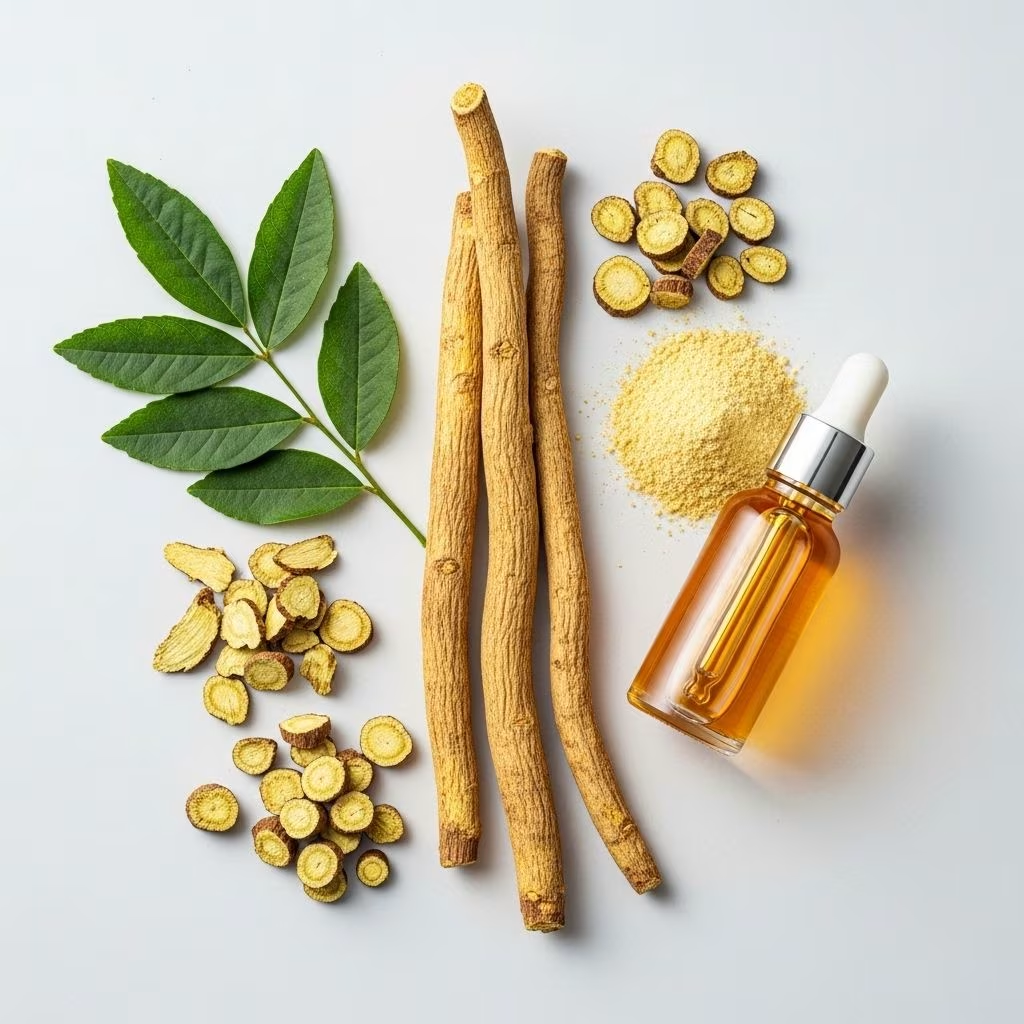
Glycyrrhiza glabra root extract—more commonly known as licorice root extract—has been a staple in traditional medicine for centuries. Today, advanced extraction methods and scientific research are transforming licorice root into a sought-after ingredient in modern skincare formulations. This article unpacks the science behind licorice root’s skin benefits, its core components, recommended uses, and expert guidance for application.
Introduction to Glycyrrhiza Glabra Root Extract
Glycyrrhiza glabra, better known as licorice, is a perennial legume native to regions across southern Europe, the Middle East, and parts of Asia. The root is prized for its sweet flavor and fragrant aroma, as well as its unique composition of phytonutrients. In skin care, licorice root extract is typically obtained via cold-processing techniques to preserve the biologically active compounds.
Common forms of licorice root extract in skincare include:
- Amber-colored liquid extracts
- Powders for formulation
- Standardized concentrations in creams and serums
Licorice root owes its popularity both to ancient wellness traditions and its compatibility with modern scientific standards for safety and efficacy.
Key Skin Benefits of Licorice Root Extract
Scientific research confirms that licorice root extract offers a range of skin benefits, thanks to its active compounds. Some of the most important and sought-after effects are:
- Skin brightening & reduction of hyperpigmentation: Licorice root is renowned for its ability to regulate and inhibit melanin production. This effect helps reduce dark spots, melasma, and uneven skin tone—making licorice root a natural alternative to harsh chemical brighteners.
- Anti-inflammatory properties: Licorice root contains licochalcone and glycyrrhizin, which calm redness, itching, and irritation. It is particularly useful for reactive, sensitive, or inflamed skin.
- Antioxidant defense: Flavonoids found in licorice neutralize free radicals, helping to protect skin from environmental stressors and premature aging.
- Barrier strength & hydration: Glycyrrhizin supports the skin’s natural barrier, improving resilience against irritants and helping maintain optimal hydration.
- Astringent & exfoliation: Licorice can help bond with dead skin cells, improving skin clarity and brightness after cleansing.
- Anti-microbial action: The root’s natural compounds provide mild antimicrobial effects, reducing acne-causing bacteria and supporting clearer skin.
Unlike potent synthetic agents such as hydroquinone, licorice root delivers similar brightening and soothing benefits with a lower risk of irritation or dryness.
Active Components and Their Effects
| Compound | Primary Effects |
|---|---|
| Glabridin | Blocks tyrosinase; reduces melanin formation and fades age spots, antioxidant protection. |
| Liquiritin | Disperses existing melanin; brightens skin tone and enhances efficacy of other actives. |
| Licochalcone | Reduces inflammation and redness; antimicrobial effects; controls sebum production. |
| Glycyrrhizin | Deeply moisturizes and soothes; supports skin barrier; mimics effects of corticosteroids, aiding eczema and allergies. |
| Glycyrrhitinic acid | Calms irritation; offers astringent properties. |
| Flavonoids | Provide antioxidant defense against free radicals. |
Each compound contributes to a specific set of skin benefits, making licorice root a multi-tasking botanical extract.
Modern Uses and Product Types
Licorice root is found in an impressive range of skincare products designed for various skin concerns. Its versatility enables formulators to address everything from pigmentation to sensitivity. Common product types include:
- Serums: Offer high concentrations for targeted brightening and pigmentation control.
- Toners and essences: Ideal for layering benefits and improving skin texture and radiance.
- Creams and lotions: Designed for soothing and hydrating dry, reactive, or sensitive skin.
- Face masks: Provide intensive care, especially for dullness or skin recovery needs.
- Cleansers: Allow for gentle exfoliation and gradual improvement of skin clarity.
Licorice root is also often combined with other skin-brightening ingredients such as niacinamide, vitamin C, and hyaluronic acid to boost results.
Licorice Root vs. Synthetic Actives: A Brief Comparison
| Property | Licorice Root Extract | Synthetic Brighteners (e.g. Hydroquinone) |
|---|---|---|
| Skin Brightening | Effective, gentle, suitable for sensitive skin | Highly effective, but can cause irritation and dryness |
| Anti-inflammatory | Strong natural effect | Limited or absent |
| Antioxidant | Present | Dependent on formulation |
| Safety | Low risk, well tolerated | Can cause adverse reactions |
How to Apply Licorice Root Extract
Adding licorice root extract to your skincare regimen is straightforward, but maximum benefit requires correct application and thoughtful pairing with other ingredients.
General Application Steps
- Patch testing: First, apply a small amount behind your ear or inside your elbow and monitor for any irritation over 24 hours.
- Choosing the format: Use serums for hyperpigmentation, toners for daily maintenance, creams for hydration, and cleansers for routine brightening.
- Layering: Apply licorice-containing serum after cleansing and before moisturizer. If using a toner, apply before serum.
- Frequency: For most brightening benefits, use daily or alternate days, depending on product strength and skin sensitivity. For irritation-prone skin, start with alternate-day use.
- Sunscreen is essential: Because licorice root regulates melanin, always follow with a broad-spectrum sunscreen during the day to prevent further pigmentation issues.
Tips for Enhanced Results
- Combine with other brighteners like niacinamide for synergistic pigmentation reduction.
- Avoid combining with strong acids or retinoids unless tolerated well; consult with a dermatologist if uncertain.
- Integrate hydrating products to reinforce licorice’s soothing effects.
Who Should Use Licorice Root for Skin?
Licorice root extract offers substantial benefits across multiple skin types, but is especially suitable for:
- Those with hyperpigmentation (including melasma, dark spots, acne marks)
- Sensitive or inflamed skin (rosacea, eczema, redness)
- Acne-prone skin (thanks to anti-microbial and anti-inflammatory properties)
- Mature skin seeking antioxidant protection and improved barrier function
- Dry and dull skin needing hydration and brightness
When considering licorice root products for specific skin concerns, always review ingredient lists for additional actives and check for potential allergens.
Potential Side Effects and Safety Precautions
Licorice root is generally well tolerated, even by sensitive skin groups. However, precautions include:
- Rare irritation: Mild stinging or redness may occur, especially with high-concentration or poorly formulated products.
- Allergy risk: Those allergic to legumes or plants within the Fabaceae family should exercise caution.
- Interaction with skin medications: Always consult a healthcare provider when combining licorice root with prescription skin treatments.
- Not for broken or severely damaged skin: Avoid use on open wounds or active infections.
Pregnant or breastfeeding women should consult their doctor before introducing new botanical extracts, even when used topically.
Frequently Asked Questions (FAQs)
Q: Is licorice root extract safe for daily use?
A: Yes, most people tolerate licorice root extract well when used in professionally formulated products. If you have sensitive skin or allergies, patch test first and consult a dermatologist for persistent problems.
Q: Can I use licorice root extract with retinol or vitamin C?
A: Licorice root is typically compatible with vitamin C and retinol in most regimens, but avoid combining them in one session if you have very reactive skin. Stagger application to prevent irritation.
Q: Does licorice root extract whiten the skin?
A: Licorice root does not bleach skin; it inhibits excess melanin synthesis and disperses existing pigment, yielding a brighter, more even skin tone over time.
Q: How long does it take to see results?
A: Noticeable improvement in brightness and pigmentation generally occurs within 4–8 weeks with regular use. Benefits for inflammation or redness can manifest sooner, often within days.
Q: What concentration should I use?
A: Look for products with 0.5%–2% standardized licorice root extract for best results in brightening without excessive irritation.
Summary: Is Licorice Root Extract Right for You?
Glycyrrhiza glabra root extract stands out as a multifunctional botanical active in modern skincare, providing science-backed relief from pigmentation, inflammation, and oxidative stress. Whether you aim to brighten skin, calm sensitive areas, or enhance hydration, licorice root offers a gentle, effective path toward visible improvement—when used correctly and consistently. Always choose credible brands that list licorice root extract in the ingredient list and follow proper application guidance for optimal safety and results.
References
- https://www.lesielle.com/us/glycyrrhiza-glabra-root-extract-in-skincare-what-is-inci-761
- https://cityskinclinic.com/licorice-root-skin/
- https://thejbeautycollection.com/blogs/news/5-skincare-benefits-of-licorice-root-extract-glycyrrhizinate
- https://www.100percentpure.com/blogs/feed/5-licorice-root-benefits-for-skin
- https://us.typology.com/library/what-are-the-benefits-of-liquorice-extract-for-your-skin
- https://www.desertessence.com/blogs/desert-essence-blog/licorice-benefits-skin-side-effects
- https://www.paulaschoice-eu.com/glycyrrhiza-glabra-(licorice)-root-extract/ingredient-glycyrrhiza-glabra-licorice-root-extract.html
- https://www.healthline.com/nutrition/licorice-root
- https://asianbeautyessentials.com/blogs/the-idol-beauty-blog/6-licorice-root-benefits-for-skin


