


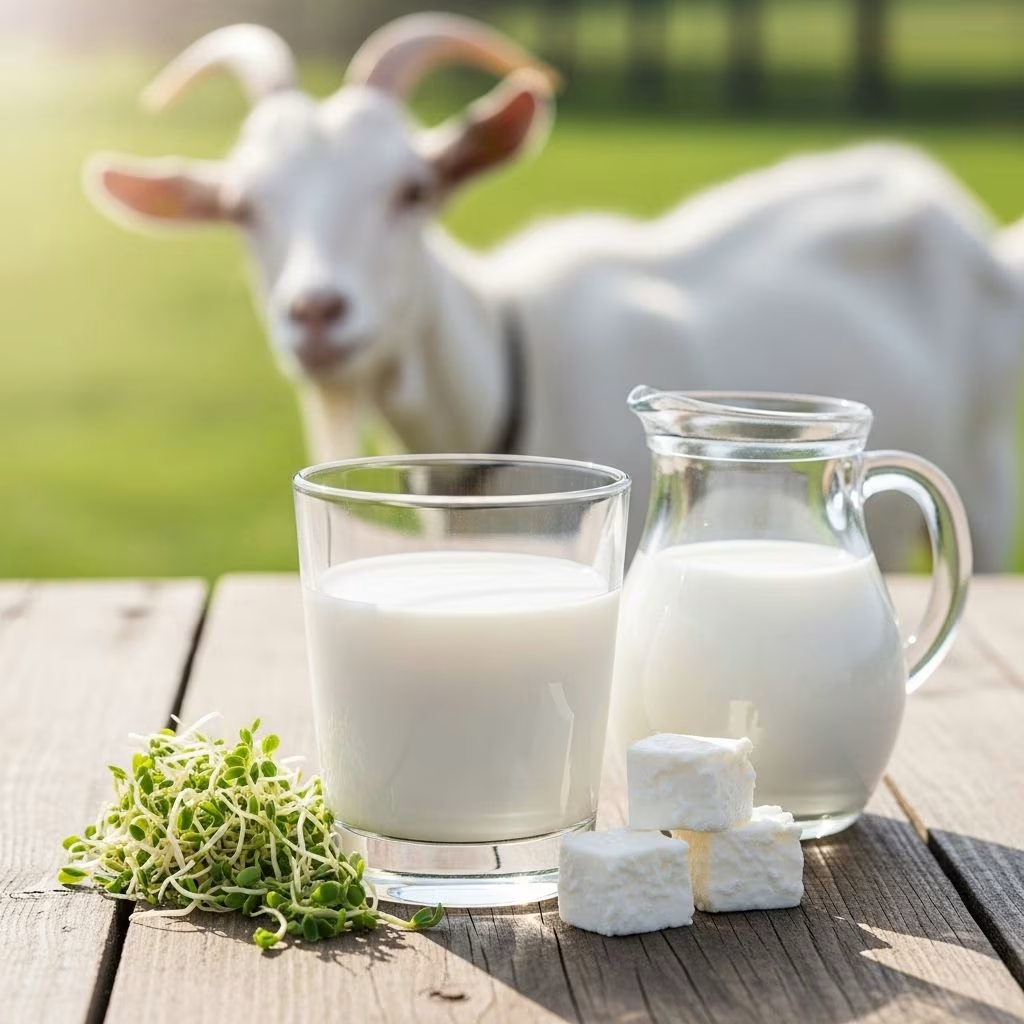
Goat milk has been enjoyed by various cultures around the world for centuries. Renowned for its digestibility, dense nutrient profile, and unique taste, it has become a sought-after alternative to cow’s milk for many adults and children alike. But what exactly makes goat milk special, and why is it gaining popularity among health-conscious consumers and foodies?
Introduction to Goat Milk
Goat milk is the liquid produced by domesticated goats and is a staple beverage and cooking ingredient in many parts of the world. Unlike cow’s milk, which dominates dairy production in the United States and Europe, goat milk remains the primary dairy source across large regions of Asia, Africa, and the Mediterranean. Its increasing popularity is attributed to its rich nutrient content, digestibility, and suitability for people with certain dietary sensitivities.
Producing less methane than cows and requiring less water per gallon of milk, dairy goats are also seen as a more sustainable choice for small-scale and environmentally conscious farmers.
Nutritional Profile of Goat Milk
Goat milk is often referred to as a “nutrient powerhouse.” It is packed with essential vitamins and minerals—often even more so than cow’s milk in several key categories.
- Calcium: One cup provides about 33% of the daily recommended intake—higher than cow’s milk’s 28%. Calcium is vital for bone health and muscle contraction.
- Magnesium and Phosphorus: Support energy production, nerve function, and the health of bones and teeth.
- Potassium: Helps regulate blood pressure and maintains heart health.
- High-Quality Protein: About 8g per 8-ounce serving, containing all essential amino acids necessary for growth and tissue repair.
- Vitamins B1, B6, B12, and A: Integral to metabolism, red blood cell formation, and vision.
- Selenium and Zinc: Support immune system function and cell protection.
Goat milk is also naturally high in medium-chain fatty acids, providing a quick energy boost and supporting fat metabolism. Unlike cow’s milk, goat milk’s fat globules are smaller and easier to digest.
| Nutrient | Goat Milk | Cow Milk |
|---|---|---|
| Calories | 168 | 149 |
| Protein | 8g | 8g |
| Fat | 10g | 8g |
| Calcium | 327mg (33% DV) | 276mg (28% DV) |
| Potassium | 498mg | 322mg |
| Vitamin A | 10% DV | 8% DV |
| Lactose | ~10.9g | ~12.3g |
DV = Daily Value. Nutrient content can vary slightly based on farming practices and feed.
Key Benefits of Goat Milk
Goat milk offers an impressive range of health advantages, many of which stem from its unique nutrient composition and digestibility.
1. Easy to Digest
- Contains smaller fat globules and A2 casein proteins, which form softer curds in the stomach and pass through the digestive tract more easily.
- Often better tolerated by those with sensitive stomachs or mild lactose intolerance, though it still contains some lactose and is not suitable for people with a true milk allergy.
2. Superior Nutrient Absorption
- The softer curds and unique structure of goat milk proteins support better absorption of minerals like iron and calcium compared to cow’s milk.
- Slightly acidic pH may enhance the intestinal uptake of essential nutrients.
3. High in Calcium, Magnesium, and Vitamin A
- Ensures robust bone development in children, maintenance of bone mass in seniors, and healthy teeth across the lifespan.
- Supports eye health and immunity through its vitamin A, selenium, and zinc content.
4. May Help Reduce Cholesterol
- High levels of medium-chain fatty acids support favorable cholesterol profiles, increasing ‘good’ cholesterol and reducing ‘bad’ cholesterol—beneficial for heart health.
- Not converted to body fat as readily as the long-chain fats more common in cow’s milk.
5. Energy Boosting Properties
- Medium-chain fatty acids are rapidly metabolized for quick energy, making goat milk ideal for athletes or people with high energy demands.
- B vitamins further facilitate the conversion of food into usable cellular energy.
6. Natural Prebiotics and Gut Health
- Contains oligosaccharides (natural prebiotics) that help nourish beneficial gut bacteria, supporting digestive and immune health.
7. Suitable for Children and Seniors
- Provides essential building blocks for developing bodies and easy-to-absorb nutrients for those whose digestive efficiency may decline with age.
Goat Milk vs. Cow Milk: A Comparison
While both milks offer impressive nutrient profiles, there are several distinctions that may make goat milk preferable for some individuals.
| Feature | Goat Milk | Cow Milk |
|---|---|---|
| Fat Globule Size | Smaller (more digestible) | Larger |
| Protein Type | Mostly A2 casein | Mostly A1 casein |
| Lactose Content | Slightly less (~10.9g/cup) | Slightly more (~12.3g/cup) |
| Calcium | Higher (33% DV per cup) | Lower (28% DV per cup) |
| Cholesterol Impact | Can help lower cholesterol | Neutral to mildly positive |
| Environmental Impact | Lower methane, less water used | Higher greenhouse emissions |
| Color | Whiter (due to conversion of beta-carotene to vitamin A) | Paler/yellower |
Common Uses of Goat Milk
Goat milk’s versatility extends far beyond the glass. It’s used in a wide range of culinary and non-culinary applications:
- Beverage: Enjoyed chilled or warm, alone or in coffee, tea, or smoothies.
- Dairy Products: Transformed into artisan cheeses (like chèvre, feta), yogurt, kefir, butter, and even ice cream.
- Baking and Cooking: Used as a substitute for cow’s milk in cakes, breads, sauces, and soups, imparting a creamy texture and unique flavor.
- Infant Formula: Used for babies (with medical supervision) who cannot tolerate cow’s milk-based formulas.
- Natural Skincare: Goat milk’s gentle, moisturizing qualities make it popular in soaps and lotions for sensitive or dry skin.
What Does Goat Milk Taste Like?
The taste of goat milk is perhaps its most distinguishing feature. It is often described as:
- Creamy and slightly richer than cow’s milk due to its higher fat content and smaller fat globules that remain evenly dispersed.
- Mildly tangy or earthy, depending on the breed of goat, their diet, and the freshness of the milk.
- Less sweet than cow’s milk due to a slightly lower lactose content.
Fresh, high-quality goat milk handled carefully is pleasantly delicate and not “goaty.” However, milk from goats fed strongly flavored foods or processed with lapses in sanitation may develop more pronounced flavors.
Sustainability and Goat Milk Production
Goat dairy farming is gaining attention for its lower environmental impact:
- Goats require significantly less water and pasture per gallon of milk produced compared to cows.
- They emit nearly 20 times less methane per kilogram of body weight, which helps mitigate greenhouse gas emissions.
- Goats are adaptable to varied climates and are less resource-intensive, making them suited to small and sustainable farming operations.
- The summer diet of goats turns more beta-carotene into vitamin A, giving their milk and products a whiter hue.
Safety and Considerations
While goat milk offers impressive benefits, a few essential cautions must be observed:
- Lactose Content: Goat milk is not lactose-free; people with lactose intolerance should try it cautiously. Those with confirmed dairy allergy should avoid it altogether.
- Infant Formula: Homemade goat milk formula does not provide the full range of nutrients required for infant growth and should be used only with professional guidance.
- Raw vs. Pasteurized: Choose pasteurized goat milk for food safety, unless you are familiar with and trust the hygiene standards of a raw milk producer.
Frequently Asked Questions (FAQs)
Q: Is goat milk good for people with lactose intolerance?
A: Goat milk contains slightly less lactose than cow’s milk and its unique protein structure makes it easier to digest for some people with mild lactose sensitivity. However, it is not lactose-free, so those with severe lactose intolerance or milk allergies should avoid it.
Q: How do you store goat milk and how long does it last?
A: Store goat milk in the refrigerator at or below 40°F (4°C). When properly stored, fresh pasteurized goat milk can last 7–10 days. Always use clean containers and promptly return unused milk to the fridge.
Q: Can I cook and bake with goat milk instead of cow’s milk?
A: Yes. Goat milk performs well in most recipes that call for cow’s milk, imparting a creamy texture and a subtle difference in flavor that’s especially pleasing in many baked goods and savory dishes.
Q: What types of cheese are made from goat milk?
A: Goat milk is famous for producing chèvre, feta, and aged specialty cheeses. Its natural tang and creaminess make it ideal for soft, fresh, and ripened cheeses alike.
Q: Are there eco-friendly benefits to drinking goat milk?
A: Yes. Goats are more efficient in their use of feed, water, and land, and their lower methane output makes goat dairy a more climate-friendly choice compared to conventional cow dairy operations.
Conclusion
Goat milk is a nutrient-packed, versatile dairy option that stands out for its digestibility, calcium richness, and distinctive taste. Whether sipped straight, swirled into recipes, or used for making natural skincare, it brings an array of health benefits, sustainability advantages, and culinary possibilities to the table. Always choose quality sources and consult a health professional if you have special dietary concerns, but for many people, goat milk can be a wholesome and delightful addition to the diet.
References
- https://summerhilldairy.com/blog/goat-milk-nutrition-facts-why-its-a-nutrient-powerhouse/
- https://draxe.com/nutrition/goat-milk/
- https://realgreekdairies.gr/en/10-1-reasons-to-drink-goat-milk/
- https://www.meyenberg.com/benefits
- http://webmd.com/diet/goat-milk-are-there-health-benefits
- https://pmc.ncbi.nlm.nih.gov/articles/PMC10563692/
- https://www.canr.msu.edu/news/goat-milk-versus-cow-milk-a-comparison
- https://pubmed.ncbi.nlm.nih.gov/37823128/


