


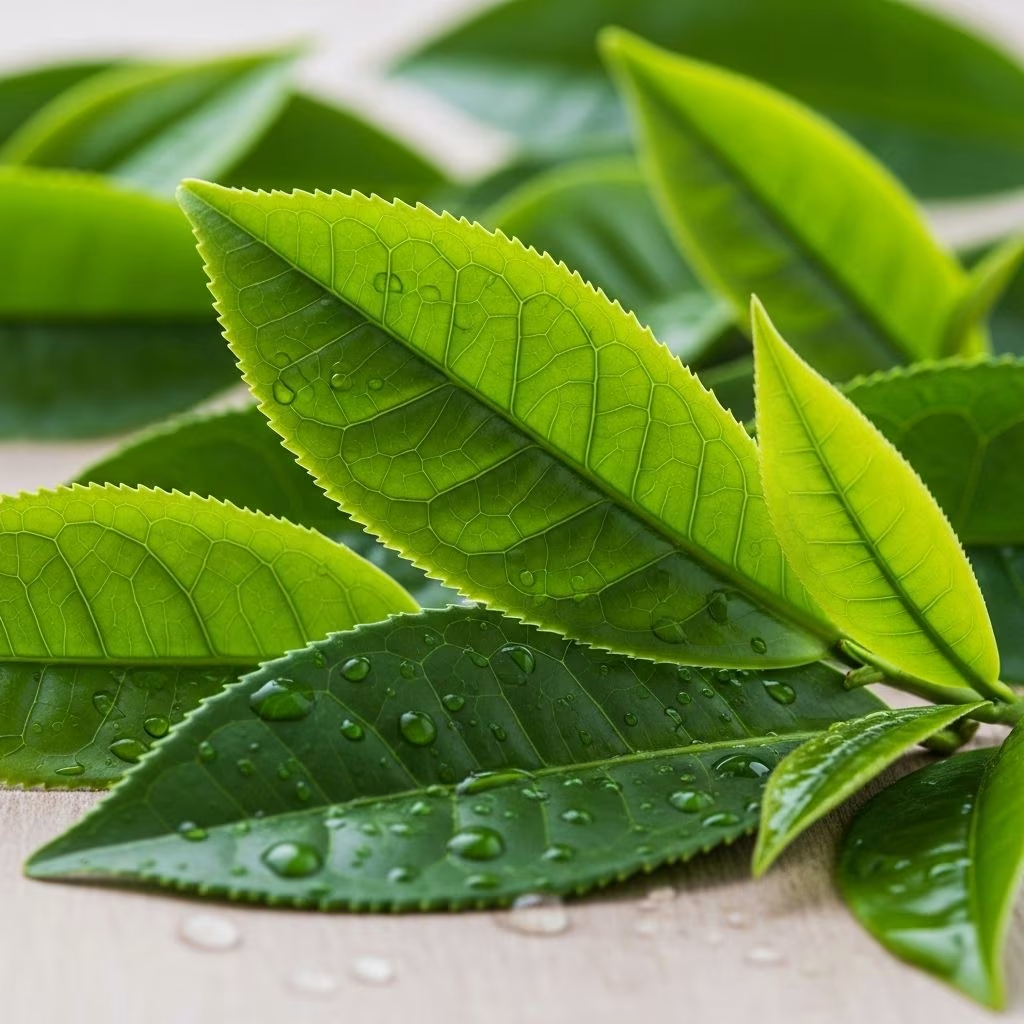
Green Tea Leaf: Skin Benefits, Uses & Side Effects
Green tea leaf, derived from Camellia sinensis, has carved a prominent niche in skincare regimens worldwide. Its rich content of polyphenols, especially epigallocatechin-3-gallate (EGCG), confers antioxidant, anti-inflammatory, antimicrobial, and photoprotective properties that have been clinically and scientifically investigated. This comprehensive guide explores how green tea leaf benefits skin health, various application methods, and the critical side effects and precautions associated with its use.
Understanding Green Tea Leaf for Skin
Green tea leaf is a well-known beverage ingredient but has gained reputation for its pronounced benefits when consumed or applied to skin. Its value lies in the unique blend of bioactive compounds—primarily catechins and flavonoids—which render it potent for dermatological health.
Key Bioactive Compounds in Green Tea
- Epigallocatechin-3-gallate (EGCG): The most extensively studied green tea catechin, known for powerful antioxidant and anti-inflammatory effects.
- Polyphenols: Including catechins such as EGC, EC, and ECG, these combat free radicals and inhibit enzymes that trigger inflammation.
- Flavonoids: Assist in photoprotection and skin renewal.
These molecules work collectively to neutralize oxidative stress, modulate immune response, and promote cell renewal.
Proven Skin Benefits of Green Tea Leaf
Extensive preclinical and clinical evidence supports the skin benefits of green tea leaf, especially its extracts and topical infusions. The advantages are seen both with oral supplementation and topical application.
1. Antioxidant Protection
- Green tea leaf neutralizes free radicals that accelerate skin aging and DNA damage.
- Activation of endogenous defense mechanisms: Through stimulation of the Nrf2 pathway, green tea enhances the skin’s natural ability to fend off environmental stressors.
2. Anti-Inflammatory Effects
- Downregulates inflammatory mediators (like NF-kB, cyclooxygenase-2), modulating cytokine secretion and reducing skin cell hyperactivation.
- Improves inflammatory skin conditions such as acne and rosacea through these pathways.
3. Immunomodulation & Photoprotection
- Clinically shown to reduce UV-induced erythema (skin redness), lowering the skin’s susceptibility to sun damage by 16–25% with regular oral intake.
- Acts as an adjuvant or alternative sunscreen intervention, blocking DNA damage and promoting genoprotective effects.
4. Anti-Acne & Sebum Control
- EGCG is anti-androgenic, suppressing sebum (oil) production by targeting lipid synthesis pathways.
- Clinical trials show significant reduction in acne lesions following both topical and oral green tea extract use.
5. Anti-Aging & Skin Regeneration
- Stimulates collagen production, improves elastin and fibronectin synthesis, and enhances local microcirculation.
- Studies report improvement in skin elasticity, hydration, and texture with consistent green tea use, both orally and topically.
- Reduces appearance of fine lines and wrinkles by countering photoaging processes.
6. Enhanced Moisturization
- Topical products containing green tea leaf extract show pronounced moisturizing effects and improved skin microrelief.
7. Additional Dermatological Benefits
- Adjunct therapy for skin disorders such as atopic dermatitis, candidiasis, genital warts, keloids, and androgenetic alopecia.
Summary Table: Core Benefits
| Benefit | Scientific Mechanism | Evidence Type |
|---|---|---|
| Antioxidant Protection | Free radical scavenging, Nrf2 activation | Preclinical, Clinical |
| Anti-inflammatory | COX-2 inhibition, cytokine modulation | Preclinical, Clinical |
| Photoprotection | DNA damage blocking, immunomodulation | Clinical |
| Anti-acne | Anti-androgenic, sebum suppression | Clinical |
| Anti-aging | Collagen synthesis, elastin upregulation | Clinical |
| Moisturization | Barrier repair, water retention | Clinical, User Experience |
Common Applications and Uses in Skincare
Green tea leaf’s multipurpose roles in skincare range from oral supplements to cosmeceutical formulations and DIY remedies. The following outlines evidence-backed uses:
Oral Supplements
- Used to enhance skin resilience, reduce UV-induced erythema, and protect against photoaging.
- Typical dosage in studies: up to 1,500 mg daily for 4–12 weeks showed improvements in skin hydration, elasticity, and structure.
Topical Formulations
- Creams and serums: Green tea extract is incorporated into anti-aging, anti-acne, and photoprotective formulations for direct skin contact.
- Cosmetic masks: Used for hydration, soothing inflammation, and repairing sun damage.
- Sunscreens: Acts as an adjuvant, supporting protection against UV rays.
Home Remedies & DIY Uses
- Green tea bags: Applied cool to the skin for relief from puffiness, irritation, and redness around the eyes.
- Homemade toners: Steeped green tea utilized as a base liquid for refreshing spritzers or facial washing.
Side Effects & Safety
Although green tea leaf is widely regarded as safe, several important considerations and known side effects must be addressed.
Potential Side Effects
- Irritation & Allergic Reactions: Some individuals may develop redness, itching, or irritation with topical use.
- Systemic Effects: Oral overconsumption (large doses of supplements) may lead to gastrointestinal upset (nausea, vomiting), headache, or dizziness.
- Liver health: Rare reports of liver dysfunction with excessive intake of concentrated green tea extract supplements.
- Interactions: May interact with certain medications, including blood thinners and cardiovascular drugs.
Safety Recommendations
- Follow recommended dosage instructions on all supplements.
- Patch test topical products before extensive use to check for allergies.
- Pregnant or breastfeeding women should consult healthcare providers prior to use.
- Avoid applying to broken or extremely sensitive skin unless tested.
Choosing & Using Green Tea Products
For optimal benefits and safety, selecting high-quality green tea skincare products is essential. Consider the following tips:
- Seek standardized extracts with defined concentrations of EGCG and polyphenols.
- Choose reputable brands with transparent ingredient sourcing.
- Look for products formulated for your specific skin type (oily, dry, sensitive).
- Combine topical and oral use judiciously; monitor for signs of irritation or adverse effects.
Frequently Asked Questions
Q: Is green tea leaf safe for daily use on the skin?
Green tea leaf extracts and topical products are generally safe for daily use, but it is advisable to perform a patch test first to monitor for sensitivities.
Q: Can green tea help with acne?
Clinical studies show significant reduction in acne lesions with both oral and topical green tea use, primarily due to EGCG’s anti-inflammatory and anti-androgenic activity.
Q: Will green tea leaf lighten or brighten skin tone?
There is emerging evidence that green tea’s antioxidants can improve skin texture and radiance, but it does not bleach the skin. Brightening is more a result of reduced inflammation and improved skin health.
Q: What is the best formulation to use for anti-aging?
Serums and creams containing standardized EGCG concentrations, used twice daily, tend to provide optimal anti-aging and photoprotective benefits.
Q: Are there any contraindications to green tea use?
Individuals with known allergies to Camellia sinensis or those taking specific medications (blood thinners, some cardiac drugs) should consult healthcare providers before use.
Conclusion
Green tea leaf stands out as a scientifically substantiated ally in skin health, delivering broad-spectrum antioxidant, anti-inflammatory, anti-acne, anti-aging, and photoprotective effects. While it is safe and effective for most users, being aware of potential side effects, correct dosage, and product selection ensures the best results. Integrating green tea leaf into both diet and daily skincare enhances not only physical appearance but also the underlying resilience of the skin against environmental and intrinsic stressors.


