


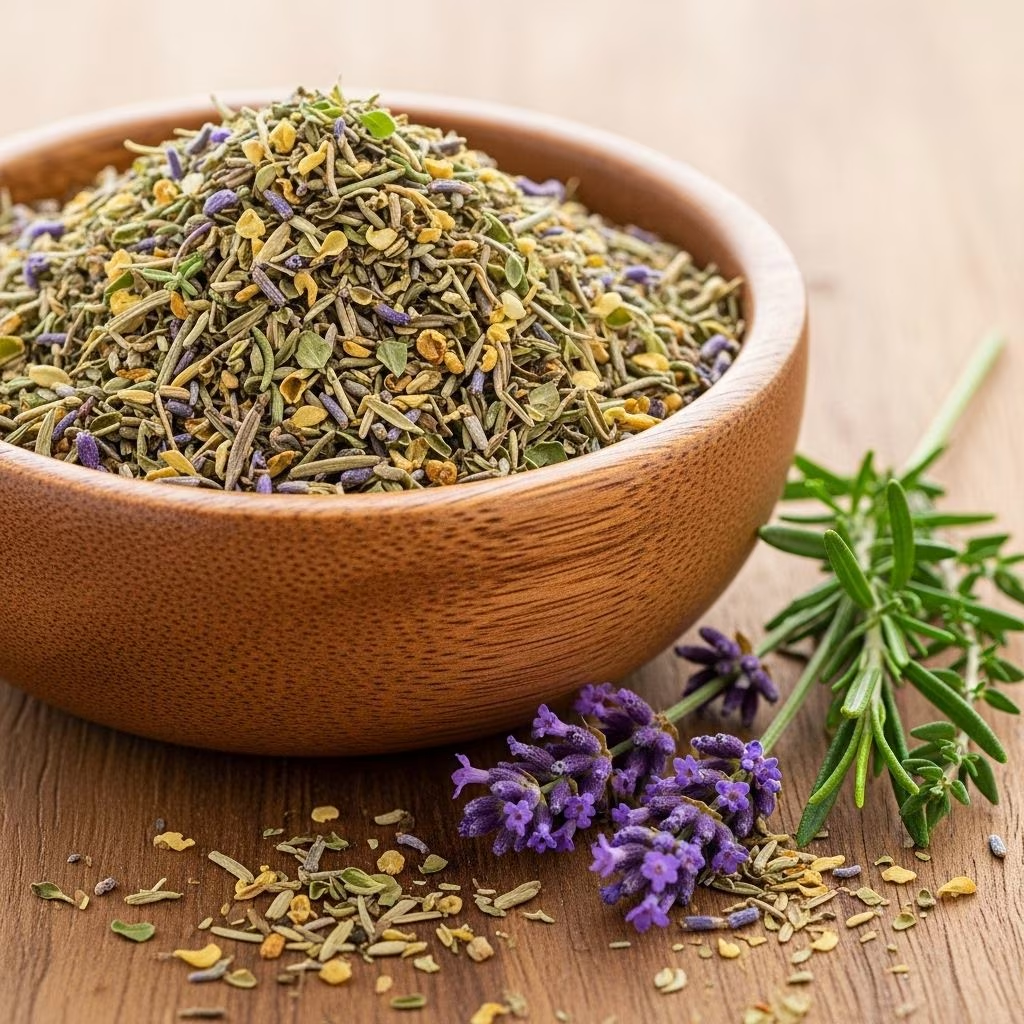
Herbes de Provence stands out as one of the world’s most evocative herb blends, capturing the sun-kissed flavors and aromas of southeastern France. Its story is woven into the heart of Provençal cuisine, where fresh herbs transform everyday dishes into memorable culinary experiences. Whether you’re a home cook or a culinary curious, understanding Herbes de Provence offers a gateway to Mediterranean cooking and a flavor journey through French tradition.
What Is Herbes de Provence?
Herbes de Provence is a classic blend of aromatic, woody, and floral herbs traditionally associated with the Provence region of southern France. This dried herb mixture is renowned for its ability to infuse dishes with earthy, fragrant, and subtly floral flavors, embodying the Mediterranean culinary landscape.
The blend serves as an essential element in Provençal and wider French cooking and has become popular globally. It is highly versatile, enhancing meats, poultry, fish, vegetables, soups, stews, and even breads. The blend is not strictly defined; ingredients can vary depending on the producer or the cook’s personal taste, but the backbone remains resolutely Mediterranean.
History and Origins
The concept of seasoning with local herbs is ancient in Provence, but the formalization of Herbes de Provence as a standardized blend is surprisingly recent. In centuries past, Provençal cooks would forage and mix whatever herbs were in abundance during the summer, such as thyme, savory, and rosemary.
- Some sources trace informal herb mixes back to medieval French monks or shepherds.
- The term “herbes de Provence” originally described various miscellaneous mixtures of native herbs.
- The modern blend gained popularity in the 1960s, especially after Julia Child’s influential cookbook “Mastering the Art of French Cooking” included recipes featuring the blend, introducing it to a global audience.
- By the mid-20th century, commercial versions became available worldwide, each with a slightly different composition.
The authenticity and nostalgia of Herbes de Provence lies in its connection to wild plants and homegrown tradition—every region, family, and chef might have their own favored combination.
Common Ingredients and Proportions
Though recipes vary, most blends are rooted in a handful of key dried herbs. Here are the herbs most often found in Herbes de Provence, along with their roles and properties:
| Herb | Flavor Profile | Traditional Role | Typical Ratio |
|---|---|---|---|
| Thyme | Earthy, slightly peppery | Foundation herb | ~25-26% |
| Rosemary | Woody, pine-like aroma | Backbone of blend, strong aroma | ~25-26% |
| Savory | Peppery, pungent | Adds “bite” and balance | ~19-26% |
| Oregano | Bold, slightly bitter | Boosts depth | ~19% |
| Basil | Fresh, sweet, slightly anise | Enhances freshness | ~3% |
| Marjoram | Mild, sweeter than oregano | Softens blend | Varies |
| Lavender (optional) | Floral, sweet, slightly citrusy | Signature Provençal aroma | Up to 5% |
| Tarragon, Sage, Fennel, Bay Leaf, Mint (optional) | Varying | Complexity, nuance | Minor proportion |
Each producer’s blend may differ—some emphasize lavender for a floral note, while others focus on thyme and rosemary for a more resinous, earthy base.
Key Points:
- Thyme and rosemary: Form the baseline
- Lavender: Often added, especially in exported blends, for floral aroma
- Other herbs (basil, marjoram, oregano, tarragon, etc.): Used in smaller quantities for balance and complexity
- No proprietary formula: Ratios and combinations can be adjusted to preference or dish
Aroma and Taste Profile
Herbes de Provence is famous for its complex, balanced, and versatile flavor. The blend captures the sunny, aromatic terroir of southern France. It generally offers:
- Earthy and Woody Notes: From thyme, rosemary, and savory, creating depth and warmth.
- Peppery Spiciness: Courtesy of savory and sometimes oregano.
- Sweet and Fresh Intensity: From basil, marjoram, or fennel seed.
- Delicate Floral Touch: From culinary lavender, if included, offering a subtle perfume without overpowering.
- Subtle Licorice Hints: If tarragon or fennel are included.
This potent herbal combination is both robust and delicate—balanced enough to highlight foods without masking their natural flavors.
Culinary Uses and Popular Dishes
Herbes de Provence adds depth and fragrance to a wide range of dishes. Its use is not restricted to traditional Provençal fare but extends throughout the Mediterranean and global cuisines. Here’s how the blend shines in cooking:
- Meats and Poultry: Rub on lamb, chicken, beef, or pork before roasting or grilling.
- Fish and Seafood: Sprinkle over salmon or white fish before baking.
- Vegetables: Toss with olive oil and roast potatoes, eggplant, zucchini, or bell peppers for a Provencal touch.
- Soups and Stews: Add to hearty lentil, bean, or tomato-based stews for a fragrant lift.
- Breads and Dough: Blend into focaccia, savory scones, or artisan breads.
- Marinades and Dressings: Combine with olive oil, vinegar, and garlic for salad dressings or marinades.
- Omelets and Quiches: Stir a pinch into eggs or cheese mixtures.
- Infused oils: Infuse Herbes de Provence in olive oil for drizzling or dipping.
Popular Dishes Featuring Herbes de Provence:
- Poulet Sauté aux Herbes de Provence (Sautéed Chicken with Herbs of Provence)
- Ratatouille
- Grilled lamb or pork chops
- Roasted root vegetables
- Mediterranean-style lentil stew
- Provencal focaccia
Tips for Best Results:
- Add early in the cooking process for dried blends to allow time for flavors to develop.
- For bread or roasted vegetables, mix with olive oil and let sit before using to extract maximum aroma.
- Pair with olive oil, lemon, garlic, tomatoes, and wine for authentic Mediterranean combinations.
Health Benefits of Herbes de Provence
Herbes de Provence is not only an aromatic culinary tool but also provides notable health benefits attributed to its individual herbs:
- Rich in Antioxidants: Most ingredients, such as thyme, rosemary, and oregano, are high in polyphenols and flavonoids that help fight free radicals and reduce inflammation.
- Anti-inflammatory Properties: Rosemary, thyme, and marjoram have anti-inflammatory effects, supporting heart and metabolic health.
- Antimicrobial and Antibacterial Effects: Oregano, thyme, and savory contain compounds that may naturally inhibit bacteria or fungi.
- Digestive Aid: Herbs like fennel and savory help stimulate digestion, alleviate bloating, and may soothe the gut.
- Low in Sodium: This blend offers flavor without the need for excess salt, making it suitable for heart-healthy diets.
While culinary use provides only moderate herb quantities, regular inclusion of Herbes de Provence in varied dishes may contribute to long-term wellness.
How to Make Your Own Herbes de Provence Blend
You can customize your own Herbes de Provence mix at home for tailored freshness and taste. Here’s a classic DIY recipe:
- 3 tablespoons dried thyme
- 3 tablespoons dried rosemary
- 2 tablespoons dried savory
- 2 tablespoons dried oregano
- 1 tablespoon dried basil
- 1 tablespoon dried marjoram
- 1 tablespoon dried lavender buds (optional, for classic floral aroma)
Combine all herbs and rub between your fingers for a finer, more aromatic texture. Store the blend in an airtight container away from light and heat for up to six months. For variations, add fennel seeds, dried tarragon, or bay leaf.
Herbes de Provence vs. Other Herb Blends
Herbes de Provence often gets compared to other Mediterranean herb mixes. Here’s a quick reference table:
| Blend | Key Ingredients | Distinctive Traits | Common Uses |
|---|---|---|---|
| Herbes de Provence | Thyme, rosemary, savory, oregano, marjoram, lavender (optional) | Earthy, floral, often includes lavender | French/Provençal dishes, poultry, vegetables |
| Italian Seasoning | Basil, oregano, rosemary, thyme, sage | More savory, rarely includes floral herbs | Pasta sauces, pizza, Italian meats |
| Za’atar | Thyme, oregano, sumac, sesame | Tangy, nutty, lemony | Middle Eastern breads, grilled meats |
Herbes de Provence stands out for its blend of woody and sometimes floral notes, especially when lavender is present.
Cooking Tips and Storage
- Buy high-quality, fresh herb blends or make your own for best flavor.
- Use within 6–12 months for maximum potency.
- Store in a cool, dry place away from light.
- Taste as you go—start with a small amount and add more as needed.
- Remember that dried herbs are more concentrated than fresh—use modestly at first.
Frequently Asked Questions (FAQs)
Q: What dishes can I season with Herbes de Provence?
A: It’s great on roasted meats, poultry, fish, grilled vegetables, stews, soups, bread, and even infused in olive oil.
Q: Is there a difference between French and American blends?
A: Some American blends add lavender for a signature floral note, but traditional French blends seldom use much lavender. Ingredient ratios may vary widely between brands and countries.
Q: Can I substitute Herbes de Provence for Italian seasoning?
A: While both are Mediterranean blends, Herbes de Provence brings a lighter, more floral and savory balance, particularly if lavender is present, whereas Italian seasoning is more robust and purely savory. Each lends unique notes to dishes, so substitutions may alter the final flavor profile.
Q: Is Herbes de Provence gluten-free?
A: Pure Herbes de Provence, consisting only of dried herbs, is naturally gluten-free. Always check for additives in commercial blends if gluten sensitivity is a concern.
Q: How do I store it and how long does it last?
A: Store in an airtight container in a cupboard away from light and heat. The blend retains optimal flavor for 6–12 months.
Q: What is the main difference between dried and fresh Herbes de Provence?
A: The dried blend is more potent and concentrated, better for long cooking times. Fresh herb mixes have a milder, livelier flavor, ideal for last-minute addition.
Final Thoughts
Herbes de Provence is much more than a simple seasoning—it’s a sensory experience, connecting cooks and eaters to the sun-soaked fields and age-old traditions of southeastern France. Versatile, healthful, and deeply aromatic, this blend celebrates the very best of Mediterranean cooking and continues to inspire chefs and home cooks around the globe.
References
- https://rawspicebar.com/blogs/spices-101/what-is-herbs-de-provence
- https://www.provencelife.net/herbes-de-provence/
- https://www.beaconjournal.com/story/lifestyle/food/2014/02/26/ask-lisa-what-is-meaning/10713116007/
- https://rawspicebar.com/blogs/spices-101/difference-between-herbs-de-provence-and-italian-seasoning-explained-simply-and-clearly
- https://www.masterclass.com/articles/what-are-herbs-de-provence
- https://redgoosespice.com/how-herbs-de-provence-came-to-be/
- https://thepinchspices.com/es/blogs/news/the-complete-history-of-herbes-de-provence-origins-and-heritage


