


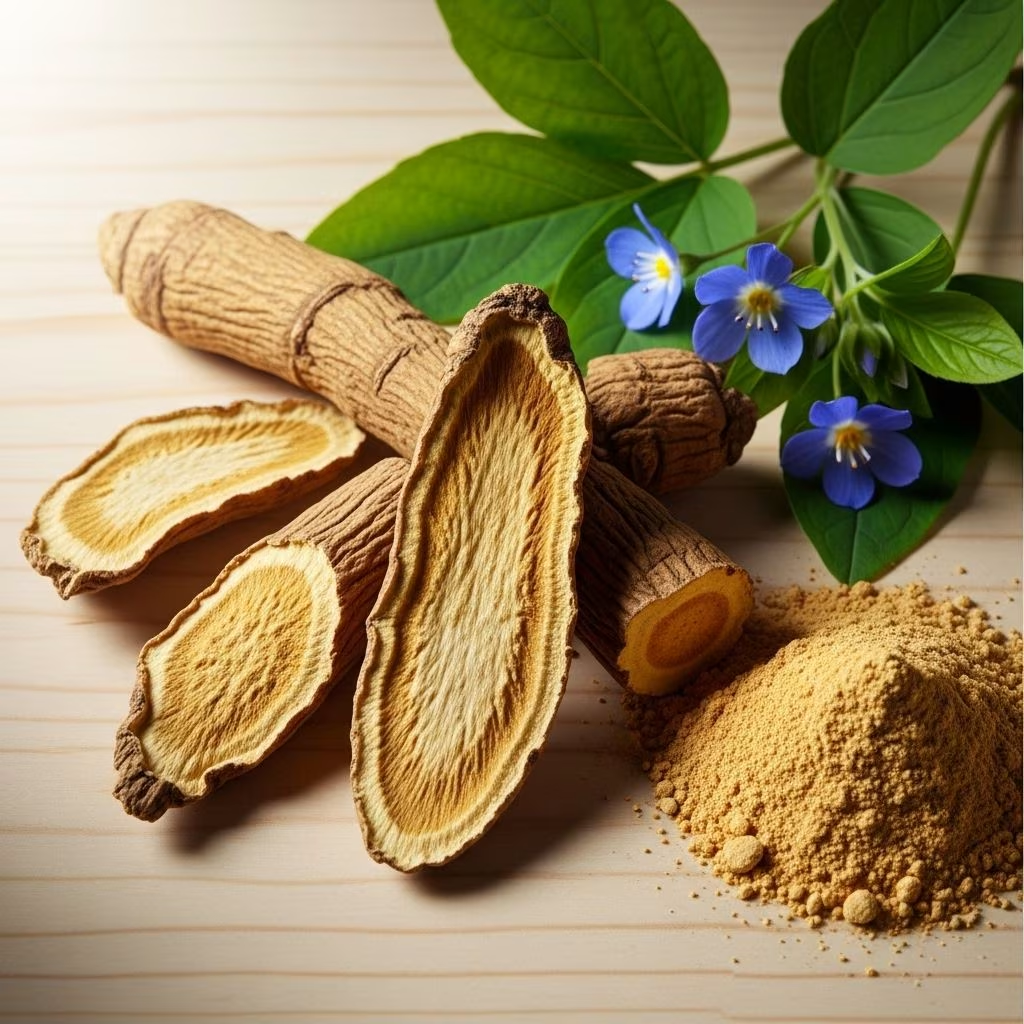
Isatis root (known in Chinese as Ban Lan Gen) is a revered herb in traditional Chinese medicine, widely recognized for its potent antiviral, anti-inflammatory, and detoxifying effects. With a deep-rooted history spanning centuries, this herbal remedy has increasingly captured the global interest of both researchers and natural health practitioners. This article offers a comprehensive exploration of Isatis root, including its botanical characteristics, traditional and modern uses, health benefits supported by scientific studies, chemical composition, methods of consumption, and unique taste profile.
Introduction to Isatis Root
Isatis root comes from the Isatis indigotica plant, a biennial herb belonging to the Brassicaceae (Cruciferae) family. Native to eastern Asia, particularly China, Isatis root has been used for generations as a trusted natural treatment for numerous infectious and inflammatory diseases. In herbal medicine, it is most commonly referred to as Ban Lan Gen. Its enduring popularity stems from its wide-ranging medicinal properties and its role as a fundamental ingredient in many traditional formulations.
Botanical Origins and History
Isatis indigotica Fort. grows in temperate regions of China, notably in provinces such as Gansu, Shaanxi, Hebei, Shandong, Jiangsu, Zhejiang, Anhui, and Guizhou. The plant produces small yellow flowers and is also known as Chinese woad or indigo woad. Both the root and leaves of the Isatis plant hold medicinal value, though each part is used for specific therapeutic purposes. Historically, Isatis root was employed in traditional Chinese medicine (TCM) to address “heat” and “toxic” conditions—ranging from fever, sore throat, and viral infections to hepatitis and skin conditions.
Traditional Names for Isatis Root
- Ban Lan Gen (Chinese name)
- Radix Isatidis
- Chinese Indigo Root
- Woad Root
Chemical Composition of Isatis Root
Isatis root contains a diverse array of bioactive compounds primarily responsible for its pharmacological actions. The major active constituents include:
- Indirubin and indigotin – Noted for their antiviral and antitumor effects.
- Alkaloids such as tryptanthrin – Demonstrate anti-inflammatory and antimicrobial activities.
- Organic acids – Including sinigrin and other sulfur-containing compounds, contribute to the plant’s antiviral properties.
- Flavonoids, amino acids, lignans, steroids, and nucleosides – Provide additional antioxidant, immunomodulatory, and health-supporting benefits.
The concentration of these compounds can vary between the root, stems, and leaves, with the roots exhibiting particularly notable antimicrobial and detoxifying effects.
Health Benefits of Isatis Root
Isatis root is renowned for several therapeutic benefits, supported by both traditional usage and modern pharmacological research. The following highlights its most documented health effects:
Antiviral and Antimicrobial Properties
- Exhibits broad-spectrum antiviral activity, including effects against influenza viruses, hepatitis, and even HIV in laboratory studies.
- Demonstrates strong inhibitory effects on bacteria such as Escherichia coli, Staphylococcus epidermidis, Pneumococcus, and Streptococcus.
Anti-Inflammatory Effects
- Reduces fever, swelling, and tissue inflammation, especially in the throat and respiratory tract.
- Compounds like tryptanthrin and indirubin inhibit cyclooxygenase (COX-2) and 5-lipoxygenase, key enzymes in inflammatory processes.
Immunomodulatory and Detoxifying Actions
- Strengthens the immune response, helping to protect against and recover from infections.
- Traditionally described as “clearing heat and detoxifying the blood” in TCM.
Potential Anticancer Support
- Indirubin and other compounds may inhibit cancer cell growth and cell cycle progression, with some studies specifically noting activity against leukemia and liver cancer cells.
- Further clinical research is needed to validate these effects in humans.
Antioxidant Activity
- Contains phenolic acids and flavonoids that provide antioxidant benefits, helping to protect cells from oxidative stress.
Liver Protection
- Demonstrated mild hepatoprotective effects, often used in the management of hepatitis and other liver conditions in traditional herbal medicine.
Traditional and Modern Uses
Isatis root’s ability to “clear heat and resolve toxicity” has made it an essential remedy in Chinese herbal formulas for over a thousand years. Its applications today encompass both prevention and treatment of a wide variety of infectious and inflammatory conditions.
Common Traditional Applications
- Acute respiratory infections (such as influenza, colds, and sore throat)
- Mumps, epidemic parotitis, and other viral diseases
- Epidemic infectious diseases, including encephalitis and meningitis
- Acutely inflamed skin and throat conditions
- Hepatitis and other liver conditions
- Supporting fever management
In modern times, research has extended Isatis root’s potential indications to include certain autoimmune diseases, support for cancer treatment, and adjunctive use for chronic inflammation.
How to Use Isatis Root
Isatis root is prepared and consumed in several ways, often as part of a larger herbal formula. Below are the most common forms and methods:
- Decoction: Sliced and simmered in water; the traditional method in Chinese medicine.
- Powder: Dried root ground into powdered form for mixing with water or honey.
- Oral supplements: Available as capsules, tablets, or tinctures in health food stores specializing in herbal remedies.
- Topical preparations: Used for certain skin and inflammatory conditions, typically in ointment or gel form.
In TCM practice, Isatis root is rarely used alone, instead forming the basis for classic multi-herb formulas targeting specific syndromes.
Taste Profile of Isatis Root
The distinct taste of Isatis root is described as:
- Bitter – A defining quality, contributing to its “heat-clearing” properties in TCM theory.
- Slightly cold in energetic nature, reinforcing its application for heat symptoms.
- Astringent and earthy undertones, common to many root medicines.
As a decoction, Isatis root’s bitterness can be pronounced. When used as part of a formula, other ingredients may be included to moderate and balance its flavor.
Potential Side Effects and Precautions
Generally, Isatis root has a favorable safety profile when used appropriately. However, certain precautions are advised:
- Doses: High doses or continual use may cause gastrointestinal upset, including nausea and diarrhea.
- Allergies: Rare allergic reactions (skin irritation or rash) can occur.
- Pregnancy and children: Safety has not been established for pregnant women or very young children. Use in these groups only under guidance of trained practitioners.
- Drug interactions: Limited data, but as with any potent medicinal herb, consult a healthcare provider if using prescription medications.
While generally recognized as safe for short-term use, long-term health effects and rare adverse reactions have yet to be fully studied, especially in Western populations.
Comparison: Isatis Root vs. Isatis Leaf
Although related and often used together, Isatis root and leaf differ in chemical makeup and some pharmacological actions. Below, a succinct comparison is provided:
| Feature | Isatis Root (Ban Lan Gen) | Isatis Leaf (Da Qing Ye) |
|---|---|---|
| Main Active Constituents | Indirubin, Indigotin, Sulfuric compounds Organic acids | Indirubin, Indigotin, Flavonoids Higher content than root |
| Traditional Actions | Clears heat, detoxifies, cools blood, anti-infective | Clears heat, detoxifies, strongly antiviral and anti-inflammatory |
| Main Modern Uses | Fever, influenza, respiratory or throat infection | Hepatitis, immune stimulation, severe viral syndromes |
| Formulations | Combined with other “cold” herbs, root often provides core detox effect | Often part of multi-herb formulas for upper respiratory viral infections |
| Availability | Common in TCM shops and supplement stores as powder, slice, or capsule | Widely available, including for topical use in psoriasis and dermatitis |
Both root and leaf are considered “cold,” but the leaf may be more potent for certain applications (such as viral hepatitis or severe respiratory infections). Both are rarely used alone for prolonged periods.
Frequently Asked Questions (FAQs)
Q: Is Isatis root safe for daily use?
A: Short-term use at recommended doses is typically safe for most adults. Prolonged or high-dose use should be supervised by professionals due to potential gastrointestinal side effects.
Q: Can I use Isatis root for COVID-19 or novel viral infections?
A: While Isatis root demonstrates broad-spectrum antiviral properties in laboratory studies, there is no clinical evidence supporting its efficacy or safety for COVID-19. It should not replace proven preventive or treatment measures.
Q: What does “heat-clearing and detoxifying” mean in TCM?
A: These terms refer to relieving symptoms of fever, sore throat, inflammation, and toxicity associated with infections or “excess heat” conditions in the body—central concepts in traditional Chinese medicine.
Q: Are there any drug interactions with Isatis root?
A: There is insufficient data on specific drug interactions, but caution is advised, particularly if you are taking immunosuppressive, liver, or anticoagulant medications.
Q: How does the taste of Isatis root compare to other herbs?
A: The taste is noticeably bitter and earthy—more intense than many mild herbal infusions but similar in bitterness to other traditional medicinal roots used for infection and heat relief.
Conclusion
Isatis root (Ban Lan Gen) stands out as a vital component of traditional Chinese herbal medicine, particularly valued for its antiviral, anti-inflammatory, and detoxifying actions. Modern research confirms many of its classic uses and reveals promising additional benefits, though broader clinical trials are needed. Its unique, bitter flavor underpins its medicinal value, and proper, supervised use ensures safety and efficacy. As with any herbal remedy, always consult trained practitioners before use, especially alongside conventional medications or in vulnerable populations.
References
- https://www.mskcc.org/cancer-care/integrative-medicine/herbs/isatis-leaf
- https://pmc.ncbi.nlm.nih.gov/articles/PMC8249990/
- https://www.webmd.com/vitamins/ai/ingredientmono-911/isatis
- https://pmc.ncbi.nlm.nih.gov/articles/PMC4552131/
- https://www.rxlist.com/supplements/isatis.htm
- https://www.honest.com/blog/wellness/ingredients/what-is-isatis-tinctoria-root-extract/16166.html
- https://chrysalisnaturalmedicine.com/isatis-root-leaf-isatis-tinctoria/


