


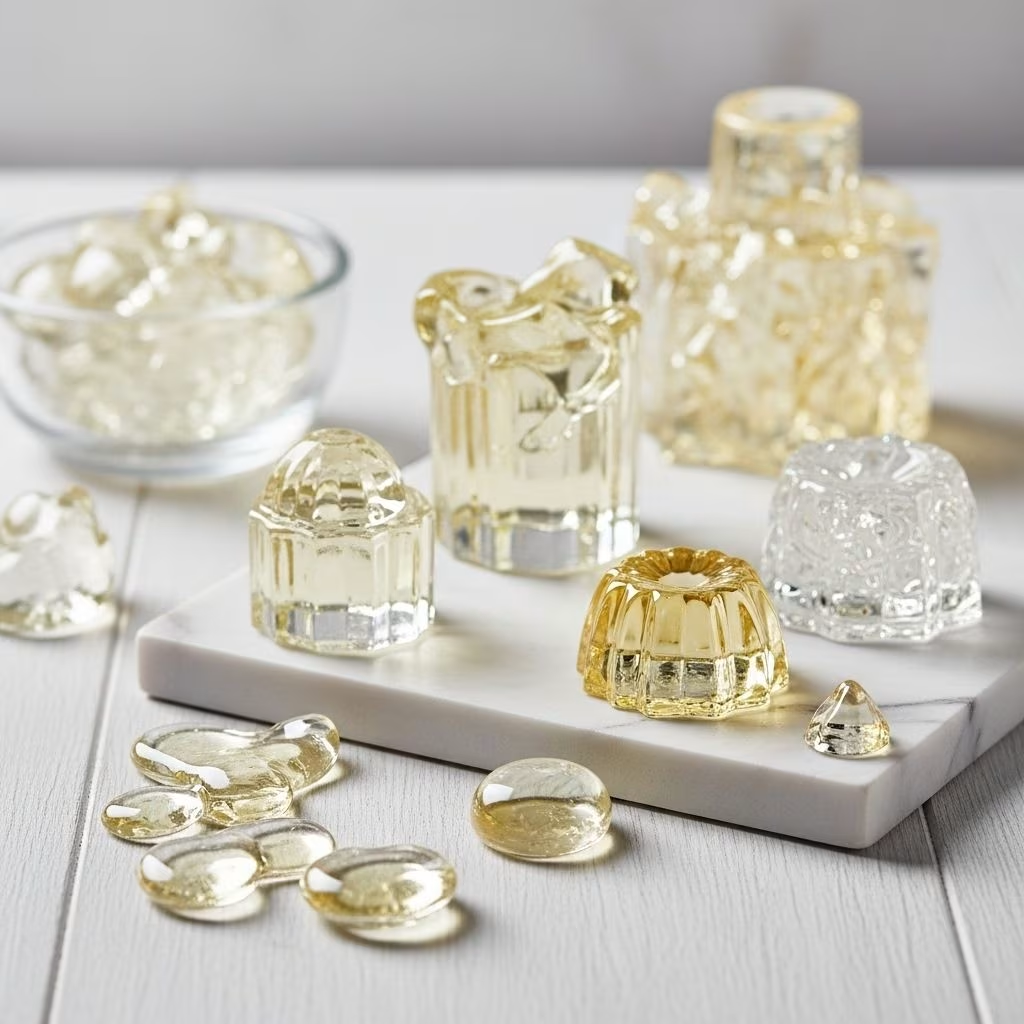
The quest for healthier sugar alternatives has led to the rise of various sweeteners, but few offer the versatility and benefits of isomalt. This remarkable sugar substitute has gained popularity among professional chefs, home bakers, and health-conscious individuals seeking to reduce their sugar intake without compromising on taste or functionality. Understanding what isomalt is, its benefits, uses, and taste profile can help you make informed decisions about incorporating this sweetener into your diet and culinary creations.
What Is Isomalt?
Isomalt is a sugar substitute that belongs to a category of sweeteners known as sugar alcohols or polyols. Unlike traditional sweeteners, isomalt is produced through a specialized two-step enzymatic process that transforms sucrose (table sugar) into a unique compound with distinct properties and benefits.
This versatile sweetener is derived exclusively from pure beet sugar, making it the only bulk sweetener of its kind with this natural origin. The beet sugar used in isomalt production comes from sugar beets – root vegetables with high sucrose concentrations, not to be confused with the bright red beetroots commonly found in grocery stores.
What sets isomalt apart from other sugar substitutes is its unique molecular structure. As a polyol, it contains multiple hydroxyl groups attached to its carbon atoms, which differs significantly from the single hydroxyl group found in ethanol. This structural difference gives isomalt its distinctive properties, including its resistance to humidity and crystallization.
Chemical Composition
Isomalt consists of three main components:
- Glucose (50%) – Provides the primary sweetening component
- Mannitol (25%) – Contributes to the cooling sensation and texture
- Sorbitol (25%) – Adds to the overall sweetness and mouthfeel
These components form two different disaccharide mixtures: glucose combined with sorbitol, and glucose paired with mannitol. This unique composition gives isomalt its characteristic properties that make it superior to regular sugar in many applications.
How Is Isomalt Made?
The production of isomalt involves a sophisticated two-stage process that transforms regular sugar into this beneficial sweetener:
Stage 1: Enzymatic Conversion
The process begins with sucrose (table sugar) derived from sugar beets. Through enzymatic treatment, the sucrose undergoes rearrangement to form isomaltulose, an intermediate compound that serves as the foundation for isomalt production.
Stage 2: Hydrogenation
The isomaltulose is then subjected to hydrogenation, a process that adds hydrogen molecules to the compound. This transformation results in the final isomalt product with its unique molecular structure and beneficial properties.
This carefully controlled production process ensures that isomalt retains the sweetening qualities of sugar while developing the characteristics that make it superior for specific applications, particularly in confectionery work and sugar-free food production.
Isomalt vs Sugar: Key Differences
Understanding the differences between isomalt and regular sugar is crucial for anyone considering this sweetener alternative. Here’s a comprehensive comparison:
| Property | Isomalt | Regular Sugar |
|---|---|---|
| Calories per gram | 2 calories | 4 calories |
| Sweetness level | 50% as sweet as sugar | 100% reference sweetness |
| Glycemic impact | Minimal blood glucose effect | Rapid blood sugar spike |
| Dental health | Tooth-friendly, prevents decay | Contributes to tooth decay |
| Humidity resistance | Highly resistant | Absorbs moisture readily |
| Crystallization | Resistant to crystallization | Crystallizes easily |
| Heat stability | Colorless up to 400°F | Caramelizes at lower temperatures |
Performance Advantages
Isomalt offers several performance advantages over regular sugar, particularly in professional confectionery applications. Its resistance to humidity means that hard candies and decorative sugar work maintain their structure and appearance longer. The ability to remain colorless at high temperatures allows for precise control over the final product’s appearance, while its resistance to crystallization makes it ideal for creating smooth, glass-like finishes.
Health Benefits of Isomalt
The health advantages of isomalt make it an attractive option for various dietary needs and health goals:
Diabetes Management
Isomalt has a negligible effect on blood glucose levels, making it completely safe for people with diabetes. Unlike regular sugar, which causes rapid spikes in blood sugar, isomalt is metabolized slowly and doesn’t significantly impact insulin response. This characteristic makes it an excellent choice for diabetic-friendly recipes and products.
Weight Management
With approximately half the calories of regular sugar, isomalt supports weight management goals without sacrificing sweetness. This reduced calorie content allows individuals to enjoy sweet treats while maintaining their caloric intake within desired limits.
Dental Health Benefits
One of isomalt’s most significant health benefits is its positive impact on dental health. Unlike sugar, which feeds harmful bacteria in the mouth and contributes to tooth decay, isomalt is considered tooth-friendly. It doesn’t promote the growth of cavity-causing bacteria and may even help prevent tooth decay, making it an excellent choice for oral health-conscious consumers.
Digestive Considerations
Isomalt is generally well-tolerated by most people, though it’s important to note that like other sugar alcohols, it may cause digestive discomfort if consumed in large quantities. Starting with smaller amounts allows the digestive system to adapt gradually.
Low Glycemic Properties
The low glycemic impact of isomalt makes it suitable for those following low-glycemic diets. This property helps maintain stable blood sugar levels throughout the day, supporting sustained energy and reducing cravings.
Culinary Uses and Applications
Isomalt’s unique properties make it exceptionally versatile in culinary applications, particularly in areas where regular sugar falls short:
Professional Confectionery Work
Isomalt is the preferred choice for professional confectioners worldwide, especially for hard candy production. Its resistance to humidity and crystallization makes it ideal for:
- Sugar sculptures – Creating intricate decorative pieces that maintain their structure
- Cake decorations – Producing clear, glass-like decorative elements
- Sugar pulling and blowing – Crafting delicate sugar art pieces
- Isomalt casting – Making precise molds and shapes
Sugar-Free Products
The food industry extensively uses isomalt in sugar-free product manufacturing:
- Hard candies – Maintaining texture and shelf life without sugar
- Sugar-free chocolates – Providing sweetness without compromising texture
- Chewing gum – Offering long-lasting sweetness with dental benefits
- Compressed mints – Creating products that resist moisture absorption
Home Baking Applications
Home bakers can incorporate isomalt into various recipes, though adjustments may be necessary due to its different sweetness level and properties:
- Sugar-free syrups – For pancakes, desserts, and beverages
- Low-calorie desserts – Reducing caloric content while maintaining sweetness
- Diabetic-friendly treats – Creating safe options for blood sugar management
Taste Profile and Sweetness Level
Understanding isomalt’s taste profile is essential for successful culinary applications. Isomalt provides approximately 50% of the sweetness found in regular sugar, which means recipes require adjustments to achieve desired sweetness levels.
Flavor Characteristics
Isomalt offers a clean, sugar-like sweetness without the artificial aftertaste often associated with other sugar substitutes. Key taste characteristics include:
- Clean sweetness – No bitter or metallic aftertaste
- Neutral flavor – Doesn’t interfere with other flavors in recipes
- Slight cooling sensation – Due to its sugar alcohol nature
- Odorless – Remains neutral even when heated
Sweetness Adjustment
Since isomalt is about half as sweet as sugar, recipes typically require either:
- Doubling the amount of isomalt used
- Combining isomalt with other sweeteners to achieve desired sweetness
- Accepting a less sweet final product, which may be preferable for health-conscious consumers
Working with Isomalt in the Kitchen
Successfully working with isomalt requires understanding its unique properties and behavior during cooking and preparation:
Temperature Considerations
Isomalt’s heat stability is one of its greatest advantages. It remains colorless up to 400°F (204°C), allowing for precise temperature control in candy making and sugar work. This property enables creators to achieve specific textures and appearances without the browning that occurs with regular sugar.
Handling and Storage
Proper handling and storage of isomalt ensure optimal results:
- Storage – Keep in a cool, dry place away from moisture
- Measuring – Use precise measurements due to different sweetness levels
- Melting – Heat gradually to prevent burning or degradation
Reusability
One unique advantage of isomalt is its ability to be remelted and reused. Failed sugar work or leftover isomalt can be reheated and reformed into new creations, making it economical for both professional and home use.
Coloring and Flavoring
Isomalt readily accepts food coloring and flavoring agents, making it versatile for creative applications. Its neutral taste and odor profile allow other flavors to shine through without interference.
Safety and Side Effects
While isomalt is generally safe for consumption, understanding potential side effects and proper usage guidelines is important:
Digestive Tolerance
Like other sugar alcohols, isomalt may cause digestive discomfort in some individuals, particularly when consumed in large quantities. Symptoms may include:
- Mild stomach upset
- Bloating
- Diarrhea (with excessive consumption)
Recommended Consumption
Most people can tolerate moderate amounts of isomalt without issues. Starting with smaller quantities allows the digestive system to adapt gradually. Individual tolerance levels vary, so it’s important to monitor personal responses.
Special Populations
Isomalt is safe for diabetics and those following low-glycemic diets. However, individuals with specific digestive conditions should consult healthcare providers before incorporating significant amounts into their diet.
Frequently Asked Questions
Q: Is isomalt suitable for people with diabetes?
A: Yes, isomalt is completely safe for people with diabetes as it has a negligible effect on blood glucose levels and doesn’t cause insulin spikes like regular sugar.
Q: Can isomalt be substituted 1:1 for sugar in recipes?
A: No, isomalt is about half as sweet as sugar, so you typically need to use twice the amount to achieve similar sweetness levels, or combine it with other sweeteners.
Q: Does isomalt have any calories?
A: Yes, isomalt contains approximately 2 calories per gram, which is half the calories found in regular sugar (4 calories per gram).
Q: Will isomalt cause tooth decay like regular sugar?
A: No, isomalt is tooth-friendly and doesn’t feed the bacteria that cause tooth decay. It may even help prevent dental problems.
Q: Can I use isomalt for everyday baking?
A: Yes, but keep in mind that isomalt behaves differently than sugar in baking. It works best in applications where its unique properties (humidity resistance, heat stability) are advantageous.
Q: What are the side effects of consuming too much isomalt?
A: Like other sugar alcohols, excessive consumption of isomalt may cause digestive discomfort, including bloating, stomach upset, or diarrhea. Start with small amounts to assess your tolerance.
Q: How should I store isomalt?
A: Store isomalt in a cool, dry place away from moisture and humidity to maintain its quality and prevent clumping.
Q: Is isomalt natural or artificial?
A: Isomalt is derived from natural sugar beet through enzymatic processing and hydrogenation, making it a naturally sourced sugar substitute rather than a completely artificial sweetener.
Isomalt represents a significant advancement in sugar substitute technology, offering unique benefits that extend far beyond simple sweetness replacement. Its combination of health benefits, culinary versatility, and superior performance characteristics makes it an excellent choice for both professional applications and health-conscious consumers. Whether you’re managing diabetes, pursuing weight loss goals, or simply seeking to reduce sugar intake while maintaining the joy of sweet treats, isomalt provides a reliable and effective solution. Understanding its properties, applications, and proper usage guidelines enables you to harness its full potential in creating delicious, healthier alternatives to traditional sugar-based products.
References
- https://lifemd.com/learn/what-is-isomalt
- https://www.webstaurantstore.com/blog/3588/what-is-isomalt.html
- https://chefrubber.com/minute-17/
- https://www.beneo.com/human-nutrition/human-nutrition-products/functional-carbohydrates/isomalt
- https://www.creativecakedesign.com/post/isomalt-sugar-art-for-beginners
- https://www.youtube.com/watch?v=ZwcNboC3UkI
- https://gillco.com/2020/11/16/what-is-isomalt/


