


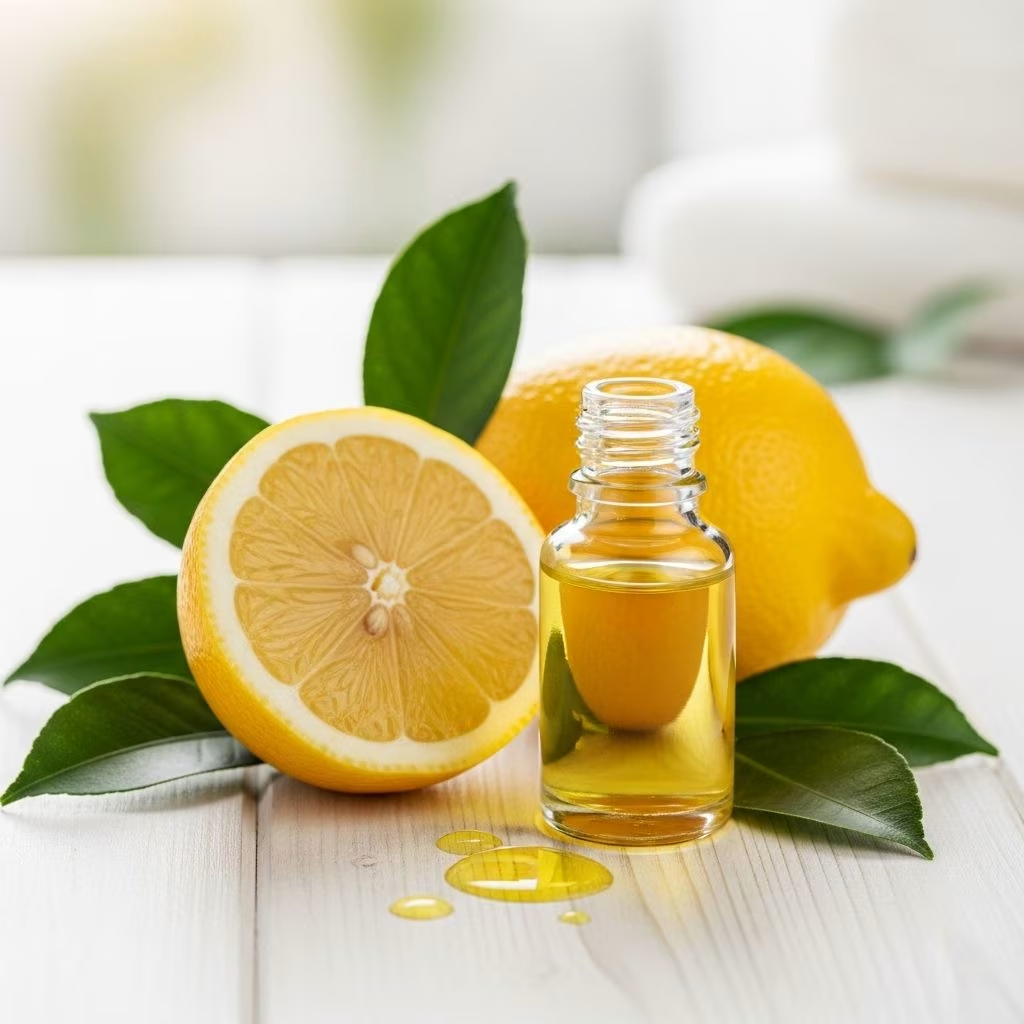
Lemon oil is gaining popularity as a powerful natural remedy in haircare routines worldwide. Extracted from the peel of Citrus limon, lemon essential oil delivers a punch of vitamin C, antioxidants, and antimicrobial compounds. From promoting hair growth and adding radiant shine to managing scalp issues like dandruff, this “liquid sunshine” offers a versatile toolkit for hair health—but only when used mindfully and safely. This comprehensive guide uncovers the science, benefits, methods, and precautions for harnessing lemon oil to transform your hair.
What Is Lemon Oil?
Lemon essential oil is derived primarily from the rinds of lemons through a process called cold-press extraction. The resulting oil is highly concentrated, rich in bioactive compounds like limonene, and renowned for its refreshing citrus aroma. Unlike lemon juice, which is an aqueous extract, lemon essential oil contains higher levels of volatile oils and is intended for topical and aromatic use—not to be consumed directly.
This oil is popular in aromatherapy, cosmetic formulations, and, increasingly, natural haircare routines for its cleansing and toning properties.
Hair Benefits of Lemon Oil
Lemon oil offers a range of advantages for hair and scalp health. Its unique profile of antioxidants, vitamins, and antimicrobial agents enables multiple haircare benefits:
- Promotes hair growth: By improving blood flow to the hair follicles and maintaining a clear, healthy scalp, lemon oil helps create ideal conditions for hair to grow stronger and longer.
- Strengthens hair follicles: With significant amounts of vitamin C and antioxidants, lemon oil supports structural hair health and enhances collagen production, making strands more resilient to breakage.
- Reduces dandruff and itchiness: Its natural antifungal and antibacterial properties help inhibit the growth of Malassezia—a fungus linked to dandruff—while reducing scalp itch and irritation.
- Controls oil (sebum) production: As a potent astringent, lemon oil clears excess oil and helps balance scalp pH, preventing greasy buildup that can clog follicles.
- Adds shine and lustre: The clarifying action of lemon oil removes residues and dullness, leaving hair shinier and more vibrant.
- Lightens hair naturally: The citric acid in lemon oil acts as a mild bleaching agent, particularly when paired with sun exposure, resulting in naturally lighter highlights in lighter hair shades.
- Acts as a scalp clarifier: By removing product buildup and dead skin cells, it fosters a healthier environment for follicle growth.
Research supports these indirect benefits: while lemon oil doesn’t directly trigger hair growth, its cleaning, balancing, and anti-inflammatory effects build the foundation for healthier, more vigorous hair.
How Lemon Oil Works on Hair and Scalp
The mechanisms by which lemon oil benefits hair and scalp health include:
- Antimicrobial action: The oil’s antifungal and antibacterial components suppress scalp infections and manage dandruff.
- Astringent properties: Lemon oil helps regulate oil, reducing sebaceous gland overactivity and tightening pores.
- Antioxidant defense: Vitamin C and other antioxidants in lemon oil neutralize free radicals, which can damage hair follicles and impede growth.
- pH balancing: By maintaining an acidic scalp environment, lemon oil keeps microbial growth in check and prevents scalp irritation.
- Stimulation of blood flow: Enhanced micro-circulation delivers more oxygen and nutrients to roots, supporting robust hair growth.
These mechanisms are why lemon oil is often recommended for:
- Oily or greasy scalp types
- Dandruff, itching, or minor scalp infections
- Hair prone to dullness and product buildup
How to Use Lemon Oil for Hair
Lemon oil must always be diluted and never applied directly to the skin or scalp, as its high potency can cause irritation or chemical burns. Here are safe and effective ways to incorporate it into your routine:
1. Scalp Massage Oil
- Blend 2–3 drops of lemon essential oil with 1 tablespoon of a carrier oil (such as coconut, jojoba, or almond oil).
- Gently massage into the scalp for 5–10 minutes.
- Leave on for 20–60 minutes, then shampoo thoroughly.
- Use 1–2 times per week.
2. Anti-Dandruff Pre-Shampoo Treatment
- Add 2–4 drops of lemon oil to 2 tablespoons of olive or argan oil.
- Apply to scalp and areas affected by flakes.
- Let sit for 30 minutes before washing hair.
3. Shine-Boosting Hair Rinse
- Mix 1 tablespoon of apple cider vinegar, 4 drops of lemon oil, and ½ cup of cool water.
- Pour over clean, damp hair as a final rinse; do not rinse out further.
- This helps remove residues and increase gloss.
4. Natural Hair Lightener
- Mix 2–3 drops of lemon oil per tablespoon of carrier oil (avoid applying undiluted oil).
- Apply to the desired sections of hair and sit in indirect sunlight for up to 30 minutes.
- Avoid repeated use, as over-lightening can cause dryness and damage, especially to color-treated hair.
Pro Tip: Always do a patch test 24 hours before full use to check for sensitivity.
Lemon Oil vs Other Essential Oils for Hair
Different essential oils offer unique properties. Here’s a quick comparison:
| Essential Oil | Main Benefits | Ideal For | Precautions |
|---|---|---|---|
| Lemon Oil | Scalp cleansing, oil control, antifungal, natural shine, dandruff reduction | Oily, flaky, or dull scalp/hair | May lighten hair; can irritate— always dilute |
| Rosemary Oil | Stimulates growth, improves circulation, combats thinning | Hair loss and growth stimulation | Strong scent, possible irritation—dilute |
| Tea Tree Oil | Powerful antifungal, reduces itching and flakiness | Dandruff, seborrheic dermatitis | Can be drying; always dilute |
| Peppermint Oil | Boosts circulation, cooling effect, awakens follicles | Stimulating scalp, slow growth | Intense tingle; may not suit sensitive skin |
Combining oils (e.g., lemon and rosemary) can offer synergistic benefits—just ensure total essential oil concentration never exceeds safe limits (around 2–4% of the mix).
Precautions and Safety Tips
- Always dilute essential oils in a carrier oil before scalp or hair application. Never apply lemon oil directly to skin.
- Perform a patch test on your inner arm 24 hours prior to first use to rule out sensitivity or allergic reactions.
- Avoid prolonged sunlight exposure for at least 12 hours after applying lemon oil to hair or scalp, as it increases photosensitivity and risk of burns.
- Do not use on damaged or freshly colored hair, as citric acid may cause further dryness or color fading.
- Limit frequency: Once or twice a week is usually safe; excessive application can lead to dryness or irritation.
- Consult with a dermatologist before use if you have sensitive skin, scalp conditions, or are pregnant.
- For children and pregnant women, extra caution is advised—seek medical guidance.
DIY Lemon Oil Hair Recipes
Here are some easy, effective blends you can make at home for specific concerns:
Lemon, Castor & Olive Oil Hair Mask (For Growth and Strength)
- 2 tablespoons olive oil
- 1 tablespoon castor oil
- 4–5 drops lemon essential oil
Mix all oils thoroughly. Massage into scalp and through hair length. Leave for 45 minutes, then wash out with gentle shampoo.
Lemon & Tea Tree Anti-Dandruff Scalp Blend
- 1 tablespoon coconut or almond oil
- 3 drops lemon essential oil
- 2 drops tea tree oil
Apply to flaking or itchy areas. Leave for 30 minutes, then rinse and shampoo.
Clarifying Lemon Rinse (For Shine & Oil Control)
- ½ cup cool water
- 4 drops lemon oil
- 1 tablespoon apple cider vinegar
Mix and pour over clean, damp hair as a final rinse. Air dry for enhanced shine.
Lemon Oil Spray for Lightening
- 1 cup distilled water
- 1 tablespoon aloe vera juice (for hydration)
- 4–5 drops lemon essential oil
Shake well and mist onto sections you wish to lighten. Sit in indirect sunlight for up to 30 minutes; use sparingly and condition well after application.
Frequently Asked Questions (FAQs)
Is lemon oil safe for daily use on hair?
No. Due to its potency and acidity, lemon oil should be used only 1–2 times a week, always diluted in a carrier oil, to prevent dryness or scalp irritation.
Can lemon oil help with hair loss?
While no direct clinical trials prove it reverses hair loss, lemon oil’s cleaning and anti-inflammatory effects create an environment supportive of hair growth and reduced shedding.
Will lemon oil change my hair color?
Lemon oil can lighten hair, especially lighter shades, due to its citric acid. Limit sun exposure after application to avoid over-lightening or dryness.
Is lemon oil beneficial for all hair types?
Yes, but those with dry, sensitive, or color-treated hair should use it sparingly and always combine it with nourishing carrier oils or hydrating ingredients.
Can lemon oil cause scalp burns or skin irritation?
Yes, if used undiluted or with excessive sunlight exposure. Always perform a patch test, dilute adequately, and limit frequency.
Conclusion
Lemon oil stands out in the world of natural haircare as a potent, multi-functional elixir for scalp and hair. From clarifying oily scalps and fighting stubborn dandruff to enhancing shine and gently lightening hair, its benefits are notable. The key to success is mindful, informed usage: never apply directly, always dilute, test for sensitivity, and avoid excess. By integrating lemon oil into weekly routines carefully, you can enjoy its cleansing, invigorating, and beautifying properties—unlocking hair that feels and looks its best.
References
- https://www.pureoilsindia.com/blog/lemon-essential-oil-for-hair-growth
- https://www.healthline.com/health/lemon-for-hair
- https://timesofindia.indiatimes.com/life-style/beauty/how-to-use-lemon-oil-to-promote-hair-growth/articleshow/111138231.cms
- https://pmc.ncbi.nlm.nih.gov/articles/PMC9787355/
- https://pmc.ncbi.nlm.nih.gov/articles/PMC10892616/
- https://us.typology.com/library/the-intriguing-benefits-of-lemon-hydrosol-for-hair
- https://rjtcsonline.com/HTML_Papers/Research%20Journal%20of%20Topical%20and%20Cosmetic%20SciencesPID2019-10-1-3.html
- https://www.healthline.com/health/lemon-essential-oil


