


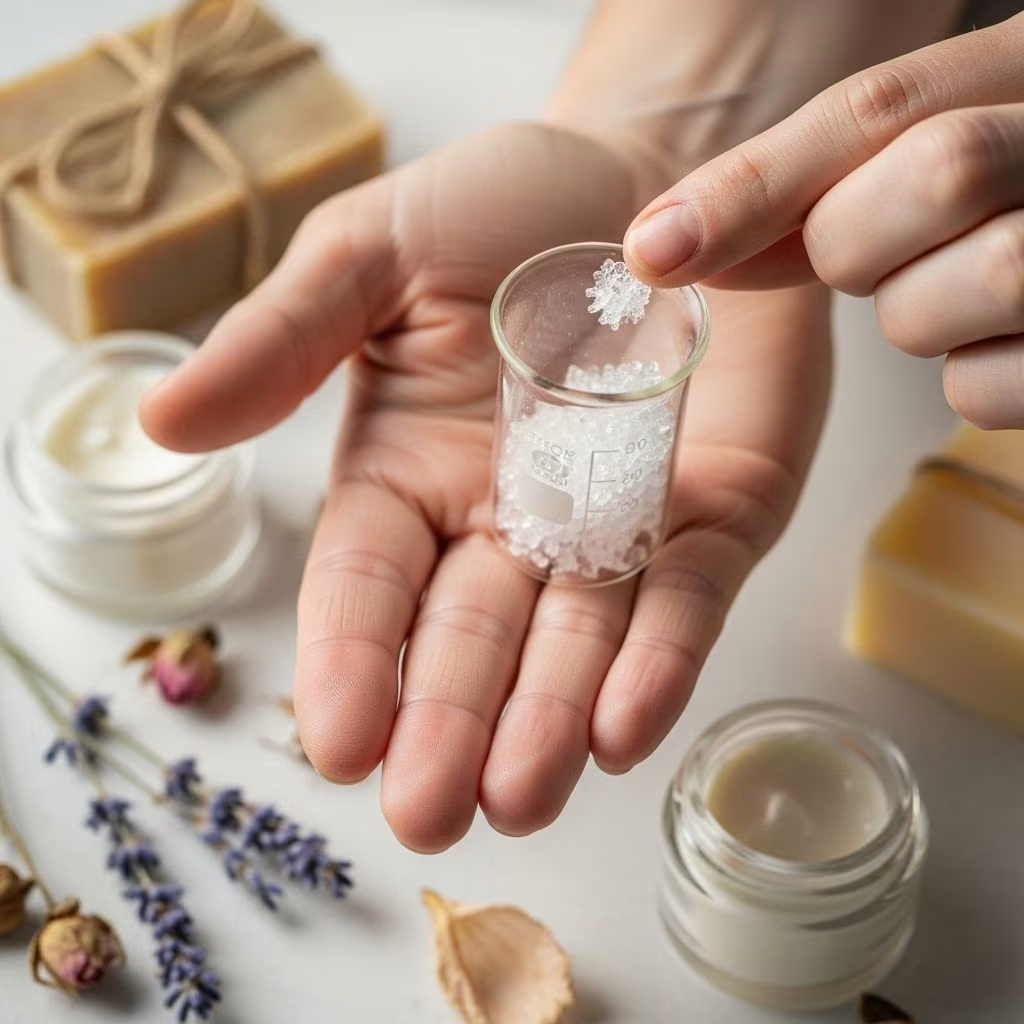
Lye—commonly known in the scientific community as sodium hydroxide (NaOH) or potassium hydroxide (KOH)—is a potent alkali compound with a centuries-long history in the formulation of soaps and other personal care products. In the skincare world, these powerful chemicals serve vital roles, from pH regulation to cleansing and exfoliation. However, their benefits are closely balanced by potential risks if misused or poorly formulated. This article offers a comprehensive exploration of lye’s function in skin health, its practical applications, and the side effects consumers and manufacturers must consider.
What Is Lye?
Lye is a generic term for strong alkaline substances, primarily sodium hydroxide (NaOH) and potassium hydroxide (KOH) . Both are white, odorless, solid compounds that are highly water-soluble and can generate heat upon dissolution. Their caustic properties mean that, in raw form, they can cause significant burns and tissue damage, but when used appropriately in cosmetics, their chemical makeup offers distinct advantages.
Sodium Hydroxide (NaOH), also called caustic soda, is most frequently used in traditional soap making and as a pH adjuster in many skin care products .
Potassium Hydroxide (KOH), or caustic potash, is favored for liquid soaps and has similar pH-adjusting and cleansing properties .
The Role of Lye in Skin Care
Despite its intimidating chemical reputation, lye plays critical, highly controlled roles in skin care and cosmetic formulations:
- pH Adjustment: Achieves and maintains optimal pH in products (typically pH 4.5–6.5) for skin friendliness and product stability .
- Saponification: Reacts with fats and oils to create soap and glycerin, turning caustic lye into safe, effective cleansers .
- Cleansing: Facilitates removal of oils, dirt, and dead skin cells when present in final soap or exfoliating products .
In finished products, lye is used in small, precisely measured quantities and typically neutralized during saponification, meaning no free lye remains by the time the soap reaches consumers .
Skin Benefits of Lye
1. pH Balancing and Skin Comfort
Lye derivatives help to balance and stabilize the pH of both the product and the skin’s surface, which is vital for preserving the skin’s delicate acid mantle and natural defenses . Proper pH is associated with minimized irritation, improved efficacy of active ingredients, and healthy, resilient skin.
2. Effective Cleansing and Oil Removal
Soaps and cleansers made using lye are known for their superior cleaning power. The process ensures the removal of excess oils, makeup, pollutants, and residues, leaving skin fresh and clear without damaging its essential barrier when properly formulated .
3. Exfoliation and Skin Renewal
Certain exfoliating products may include sodium hydroxide in controlled concentrations, aiding in the removal of dead skin cells and promoting smoother, rejuvenated skin . This can support improved skin texture and a brighter complexion.
4. Product Stability and Longevity
The inclusion of lye ensures that creams, lotions, and serums remain stable, mix properly, and retain desired consistency over time . This extends product shelf life and preserves actives for better results.
Common Uses of Lye in Cosmetics and Skincare
- Soap Making (Saponification): Lye is indispensable for transforming oils and fats into solid or liquid soaps, which are then cured to ensure any residual lye is neutralized .
- pH Adjuster: Potassium and sodium hydroxide are added in trace amounts to regulate product pH, particularly in creams, lotions, and make-up formulations .
- Cleansing Agents: Beyond traditional soap bars, lye is found in facial cleansers, liquid body washes, shaving products, and makeup removers .
- Exfoliating Chemicals: Sodium hydroxide is a component in specific chemical peels or exfoliants targeting issues like hyperpigmentation or rough skin .
- Shaving Products: Used in creams and gels to improve product glide and efficacy .
Side Effects and Potential Risks
While thoughtfully formulated products using lye are generally safe for most consumers, misuse and overexposure can produce adverse effects. These include:
- Skin Irritation: High concentrations or incomplete neutralization can cause redness, burning, or itching, especially in sensitive individuals .
- Chemical Burns: Raw lye is extremely caustic; direct contact can lead to severe burns, blistering, or tissue damage.
- Eye Injury: Exposure to eyes can result in serious injury or blindness.
- Loss of Skin Lipids: Excessive exposure to high-pH products may deplete the lipid barrier, causing dryness, increased sensitivity, and flaking .
- Respiratory or Allergic Reactions: Inhaling lye dust (from raw compound) or reaction with other chemicals may cause respiratory issues if safety precautions are ignored.
Note: In professionally crafted skincare products, stringent control of concentration, neutralization, and adequate curing substantially reduce risks. Nonetheless, consumers should avoid raw DIY use without proper knowledge and precautions .
Safe Use and Regulatory Guidelines
Regulatory bodies such as the FDA, EU Cosmetics Regulation, and other local agencies set clear guidelines on maximum permissible concentrations and required neutralization for consumer products.
- Permitted concentrations for sodium or potassium hydroxide in finished leave-on skin products are extremely low (generally < 1%) and only allowed when fully neutralized.
- Soaps and cleansers must undergo rigorous curing and testing to ensure no free lye remains.
- Professional-use chemical peels and exfoliants require clear usage instructions and often medical supervision due to the potential for misuse or injury.
Consumers are advised to check ingredient lists for sodium hydroxide or potassium hydroxide and to patch test new products, especially if their skin is sensitive or reactive.
Comparison Table: Sodium Hydroxide vs. Potassium Hydroxide
| Property | Sodium Hydroxide (NaOH) | Potassium Hydroxide (KOH) |
|---|---|---|
| Common Names | Caustic soda, lye | Caustic potash, lye |
| Appearance | White, crystalline solid | White, solid or pellets |
| Use in Skincare | Bar soaps, pH adjustment, exfoliants | Liquid soaps, pH adjustment, shaving products |
| Cleansing Power | Strong, forms hard bars | Strong, forms liquid/soft soaps |
| Suitability | All skin types when properly formulated | Often preferred for sensitive/softer cleansing |
Frequently Asked Questions (FAQs)
Q: Is lye safe for skin?
In finished skincare products, sodium or potassium hydroxide is safe when used at regulated, neutralized concentrations. Raw lye, however, is hazardous and should never touch skin directly .
Q: Why is lye needed in soap making?
Lye is essential for the saponification process, where it reacts with fats and oils to form soap and glycerin. Without lye, soap cannot be made .
Q: Can I make my own soap with lye at home?
While homemade soap making is popular, it requires careful measurement, protective equipment, and proper curing to ensure no free lye remains in the final product. Beginners should seek guidance and respect all safety precautions .
Q: Are there alternatives to sodium and potassium hydroxide in skincare?
For those wanting to avoid lye, alternative surfactants or synthetic detergents are available, though traditional soap requires either sodium or potassium hydroxide in its manufacture .
Q: What should I do if my skin reacts to a product containing lye?
Discontinue use immediately, rinse the area with cool water, and consult a healthcare provider if irritation persists or is severe.
Conclusion
Lye, in the forms of sodium hydroxide and potassium hydroxide, remains foundational to effective and stable skincare products. Its carefully managed use enables pH balance, efficient cleansing, gentle exfoliation, and improved product performance. While the caustic nature of unhandled lye makes it hazardous, finished cosmetics containing these ingredients are generally safe thanks to strict industry standards. Understanding lye’s role helps consumers make informed choices and appreciate the chemistry behind everyday skincare.
References
- https://diychemicals.com/naoh-in-skincare/
- https://pickleandbee.ca/blogs/news/sodium-hydroxide-benefits-for-skin
- https://www.lesielle.com/us/potassium-hydroxide-in-skincare-what-is-inci-1351
- https://elchemy.com/blogs/personal-care/sodium-hydroxide-in-skincare-manufacturing-safe-handling-storage-logistics-for-production-teams
- https://www.healthline.com/health/sodium-hydroxide-skin-care
- https://www.legendscreekfarm.com/blogs/legends-blog-home-page/what-is-lye-in-soap
- https://cleano2.ca/blogs/journal/what-is-lye-soap
- https://www.youtube.com/watch?v=UYJp7dHl058


