


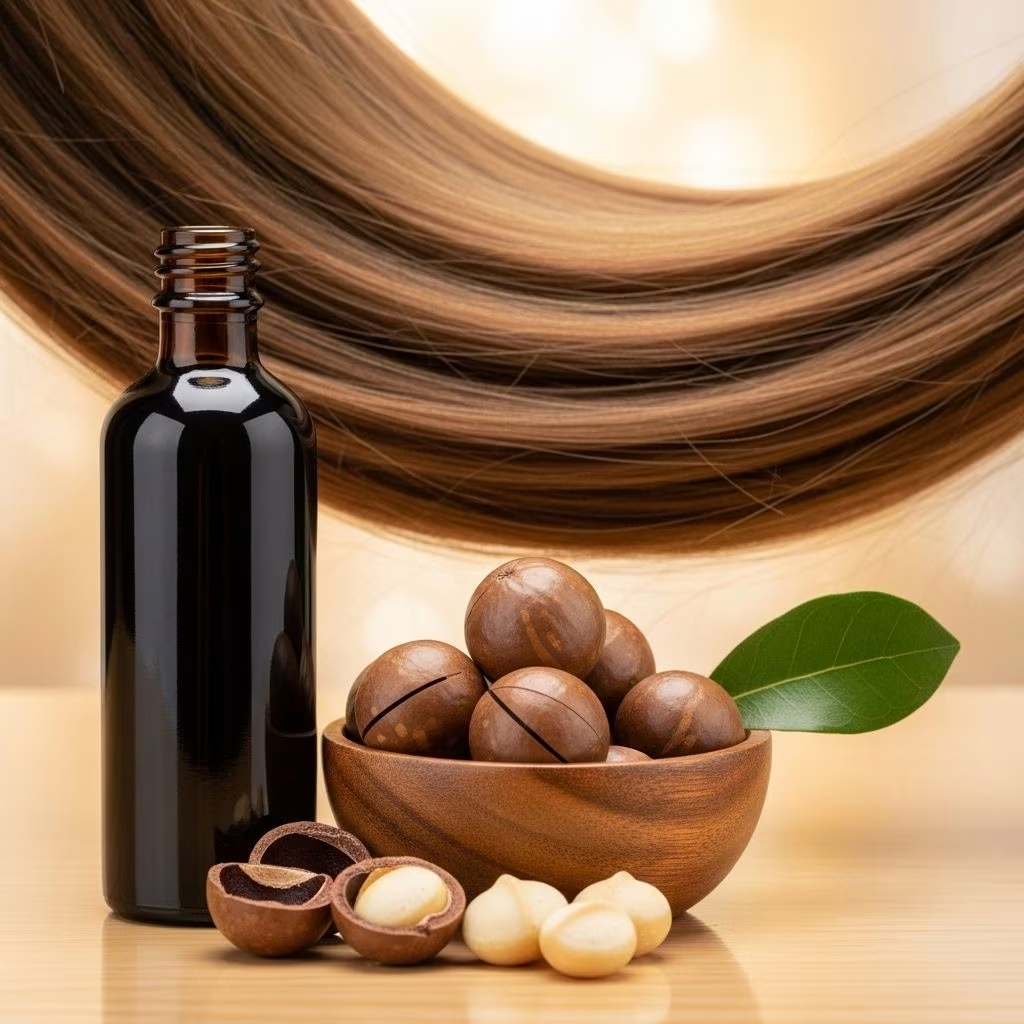
Macadamia oil, with its high concentration of nourishing fatty acids, antioxidants, and vitamins, has emerged as a transformative hair care ingredient for a wide range of hair types. Whether your hair is curly, straight, dry, or damaged, this natural oil promises intensive hydration, restoration, and enhanced manageability.
Unlock the secrets of macadamia oil––from its scientifically backed hair benefits to expert-approved application techniques and insider tips.
Introduction to Macadamia Oil
Macadamia oil is derived from the nuts of the macadamia tree (Macadamia integrifolia), native to Australia. Celebrated for its luxurious, lightweight texture and nutty aroma, this oil is increasingly incorporated into high-quality hair products and treatments.
The surge in its popularity is driven by its ability to deeply hydrate, protect, and repair hair without leaving a greasy or heavy residue . Both anecdotal and scientific reports suggest macadamia oil can drastically improve the feel, look, and manageability of hair through routine use .
Unique Composition: Why Macadamia Oil Works
The chemistry of macadamia oil sets it apart from other botanical oils. Its structure is similar to the natural oils (sebum) our scalp produces, making it especially compatible with skin and hair.
- Monounsaturated Fatty Acids: Macadamia oil is exceptionally rich in oleic acid (omega-9) and palmitoleic acid (omega-7), unique among plant oils for their concentration and properties . Palmitoleic acid is a key component of human sebum, but decreases with age, so replenishing it helps restore moisture balance .
- Vitamins and Minerals: Abundant in vitamin E, various B vitamins, iron, phosphorus, and calcium, which support hair strength and repair .
- Antioxidants: Neutralize free radicals, protecting hair structure from UV, pollution, and environmental stress .
- Proteins: Enhance elasticity, repair structural damage, and strengthen hair fiber .
Hair Benefits of Macadamia Oil
Multiple benefits of macadamia oil for hair are supported by both traditional use and recent analysis by hair specialists:
- Intensive Moisturization: The oil penetrates deeply into the hair shaft, replenishing lost moisture, restoring softness, and alleviating dryness or brittleness .
- Improved Strength & Reduced Breakage: Infuses hair with fatty acids and proteins that bind to the hair fiber, boosting elasticity and fortifying weakened spots; this makes hair more resilient to daily stress and styling .
- Frizz and Flyaway Control: Light, emollient coating smooths the hair cuticle, taming frizz, managing flyaways, and sealing split ends without weighing hair down .
- Enhanced Shine and Texture: Non-greasy finish imparts a natural luster and leaves hair silky and easier to detangle .
- Heat and Environmental Protection: Acts as a heat protectant before styling and shields from UV rays and pollution, helping maintain structural integrity and vibrant color .
- Restores Aging Hair: Helps replace the declining natural palmitoleic acid, making hair look and feel more youthful .
- Supports Scalp Health: Moisturizes the scalp, supports natural oil production, and may reduce itchiness, dandruff, and flakiness in some users .
- Especially Effective for Curly or Textured Hair: Curly, wavy, and coily hair types—which tend to be dry and fragile—benefit from enhanced moisture, improved detangling, and less breakage .
Benefits Table: Macadamia Oil vs. Other Oils
| Property | Macadamia Oil | Coconut Oil | Argan Oil |
|---|---|---|---|
| Main Fatty Acids | Oleic, palmitoleic | Lactic, capric, myristic | Oleic, linoleic |
| Comedogenicity | Low | High | Low |
| Weight/Feel | Light, non-greasy | Heavy, can cause buildup | Light, slightly heavier than macadamia |
| Best for | All hair types, especially dry/curly | Thick, curly, extremely dry | Dry, frizzy, color-treated |
| Heat Protection | High | Moderate | Moderate |
| Penetration of Hair Shaft | High | High | Moderate |
How to Use Macadamia Oil on Hair
Macadamia oil offers versatility in hair care routines. Here are several methods, supported by experts and users, to maximize its benefits:
- As a Pre-Shampoo Treatment (Hot Oil Treatment):
Massage warmed oil into scalp and hair, cover with a shower cap for 30–45 minutes, then rinse and wash as usual. This deeply hydrates and preps hair for cleansing, limiting moisture loss . - As a Leave-In:
Apply 3–6 drops of oil to damp, towel-dried hair from mid-length to ends. Focus on tips or damaged regions to reduce frizz and add shine. Great for daily protection . - Scalp Massage:
Using fingertips, gently work oil onto the scalp for 5–10 minutes before bed or prior to washing. Stimulates circulation and provides deep nourishment . - Mix with Regular Products:
Add a few drops to your usual conditioner, hair mask, or serum for an extra boost of hydration and shine . - As a Heat Protectant:
Smooth a small amount over strands before using heat-styling tools like blow dryers, straighteners, or curlers. It creates a protective barrier, minimizing thermal damage . - Overnight Deep Conditioning:
Apply generously from scalp to tip, protect hair with a wrap or towel, and wash thoroughly in the morning for intensive restoration .
Pro Tip: Always start with less oil and add as needed, especially if you have thin or fine hair.
Tips for Different Hair Types and Needs
| Hair Type/Need | Best Usage | Frequency |
|---|---|---|
| Curly, Coily | Pre-shampoo, leave-in, styling aid | 2–3 times per week |
| Thick, Dry or Damaged | Hot oil treatment, overnight mask | 1–2 times per week |
| Fine, Oily | Light leave-in, mix with conditioner | Weekly to biweekly |
| Color-Treated | Heat protectant, leave-in for shine & sealant | After each wash |
| Frizzy/Unmanageable | Daily flyaway control, mix in serum | As needed |
- Curly hair: Apply while hair is damp; focus on ends to aid detangling and reduce frizz.
- Fine or straight hair: Use sparingly, concentrating on the tips to avoid greasiness.
- Over-processed hair: Layer under a heat cap or shower cap for enhanced penetration, then rinse thoroughly.
- Sensitive scalp: Patch-test on a small skin area before full scalp application.
Macadamia Oil vs. Other Popular Hair Oils
Compared to coconut, argan, and avocado oils, macadamia oil offers unique advantages, particularly for those seeking lightweight hydration and a fast-absorbing, non-greasy finish. Its high palmitoleic acid content is rare among plant oils and aligns closely with our scalp’s natural sebum .
However, macadamia oil can be more expensive and less widely tested in formal studies than coconut and argan oils. For those prioritizing moisture, frizz control, and enhanced shine—especially in curly or aging hair—macadamia oil remains an exceptional choice.
Precautions and Possible Side Effects
- Nut Allergies: Individuals allergic to nuts should exercise caution. Though rare, topical nut oil allergies can occur; always patch-test before broader application.
- Product Build-up: While not typically greasy, overuse (especially on fine hair) can weigh hair down or leave residue. Adjust the amount based on your hair’s density and needs.
- Purity & Source: Use 100% pure, cold-pressed macadamia oil for maximum benefit and minimal irritation. Avoid products with added fragrances or fillers, which can irritate sensitive scalps.
Choosing and Storing Macadamia Oil Products
Macadamia oil is available as pure, cold-pressed oil and as an ingredient in shampoos, conditioners, serums, masks, and specialized treatments. Here’s what to look for:
- Purity: Opt for pure, cold-pressed, unrefined oil whenever possible for highest nutrient content.
- Ingredient List: For ready-made products, ensure macadamia oil is listed among the top three ingredients for meaningful concentration.
- Packaging: Choose amber or dark glass bottles that protect oil from light, preserving antioxidant content.
- Storage: Keep oil in a cool, dark, dry place to maximize shelf life; ensure caps are tightly closed after use.
Frequently Asked Questions (FAQs)
Q1: Is macadamia oil suitable for all hair types?
Macadamia oil is generally safe and beneficial for all hair types, but is especially recommended for dry, brittle, curly, and damaged hair. Those with very fine or oily hair should use small amounts and concentrate on the ends.
Q2: Can I combine macadamia oil with other natural oils?
Yes, macadamia oil blends well with jojoba, avocado, argan, and coconut oils to enhance benefits or customize treatments for specific hair needs.
Q3: How often should I apply macadamia oil for best results?
Most users benefit from 1–2 treatments per week, but frequency may increase for highly processed, curly, or very dry hair.
Q4: Does macadamia oil clog hair follicles?
No, it is non-comedogenic and unlikely to clog pores or follicles. It closely mimics sebum and absorbs quickly, but avoid overuse to prevent buildup.
Q5: Do I need to wash out macadamia oil after each use?
This depends on your application method. For deep or hot oil treatments, washing is recommended. For leave-in or finishing applications, there is no need to rinse if used sparingly.
Q6: Does macadamia oil help with hair growth?
While it creates optimal scalp conditions and prevents breakage, there is no conclusive evidence that it directly stimulates new hair growth. However, healthier scalp and hair growth environment may improve density and appearance over time.
In Summary
Macadamia oil stands out as a premium solution for achieving hydrated, shiny, manageable, and healthy hair. Its scientific profile and unique composition address modern hair challenges––from dryness and breakage to frizz and environmental damage. With expert application and a tailored routine, it’s possible to transform the look, strength, and touch of your hair, no matter your type or texture.
References
- https://www.mdhair.co/article/macadamia-oil-how-does-it-benefit-hair
- https://www.healthline.com/health/macadamia-oil-for-hair
- https://www.rossanoferretti.com/macadamia-the-healthy-hair-ingredient/
- https://pmc.ncbi.nlm.nih.gov/articles/PMC7048368/
- https://kadalys.com/en/blogs/food/les-bienfaits-de-lhuile-de-macadamia
- https://www.medicalnewstoday.com/articles/324268
- https://caringsunshine.com/relationships/relationship-hair-care-general-and-macadamia-oil/


