


Introduction to Madagascar Bean
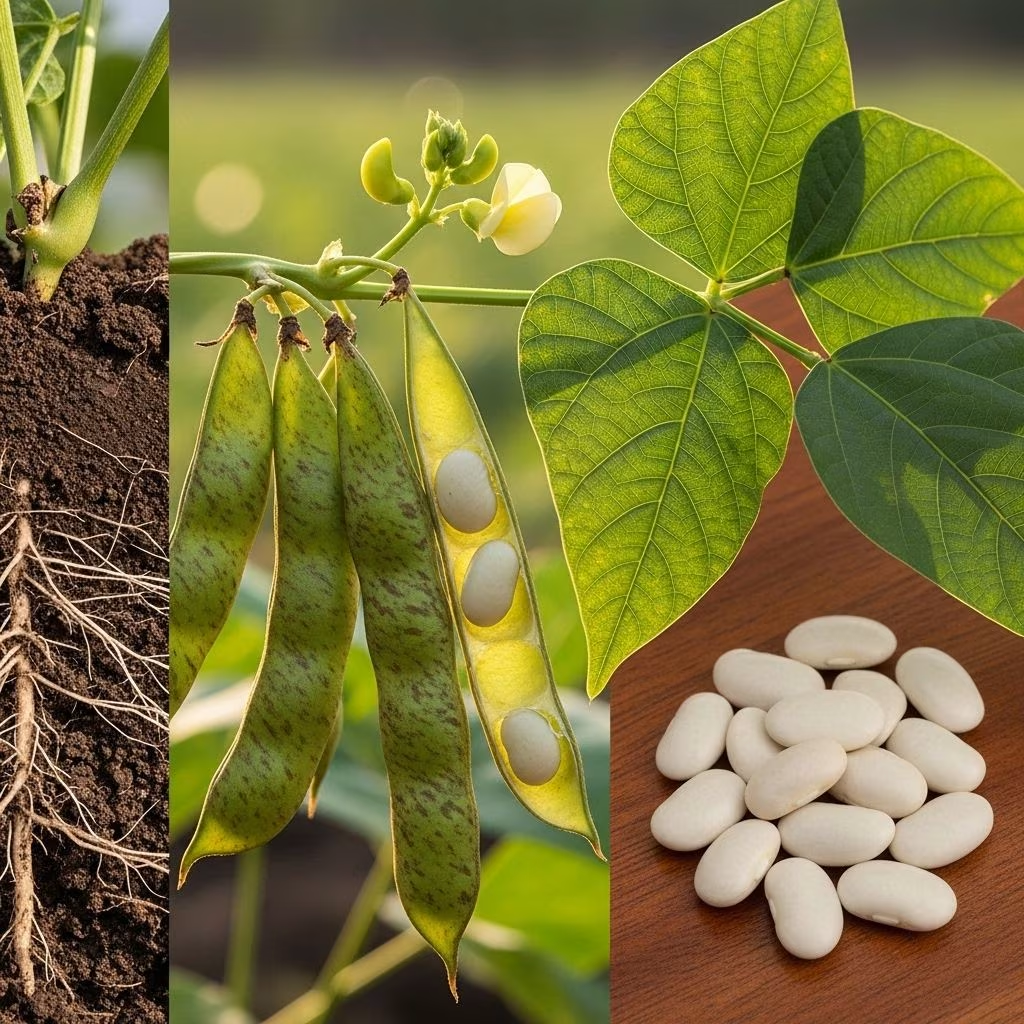
The Madagascar bean, known botanically as Phaseolus lunatus, is a perennial climbing legume commonly referred to as the seven year bean, tropical lima bean, or butter bean. Despite its exotic name, its origins trace beyond Madagascar—including Andes regions—highlighting its worldwide culinary and agricultural importance. Noteworthy for thriving in tropical and subtropical climates, this bean is highly valued for its protein content, sustainability, and culinary versatility.
Botanical Classification and Origin
- Scientific Name: Phaseolus lunatus
- Family: Fabaceae (legumes)
- Common Names: Madagascar bean, seven year bean, tropical lima bean, butter bean
Madagascar beans are classified as a type of lima bean, with some white varieties also marketed as butter beans in supermarkets. Archaeological findings attribute the domestication of these beans to the Andes region of Peru, going back as much as 8,000 years. Its journey and adaptation to various climates demonstrate resilience and versatility.
Cultivation and Plant Characteristics
- Growth Habit: Vigorous perennial vine, climbing and sprawling.
- Climate Needs: Thrives in hot, humid climates; tolerates variable soil; perennial in tropical/subtropical zones, annual in cooler climates.
- Lifespan: Potentially up to seven years, hence the seven year bean name.
- Trellising: Requires sturdy trellises or supports due to its robust, climbing nature.
- Yield: Minimal pod production in the first year; productivity markedly increases thereafter, with mature vines producing large, attractive, purple-speckled beans across multiple seasons.
The Madagascar bean’s longevity and resilience make it a favorite among permaculture and sustainable gardening enthusiasts. Its annual dieback and regrowth cycle in subtropical regions ensure a continuous yield with minimal ongoing care.
Planting and Maintenance
- Sowing Season: Best sown in spring when temperatures are consistently warm.
- Sowing Depth: Seeds planted 2–4 cm deep directly in the ground.
- Spacing: Seedlings spaced approximately 60 cm apart to encourage optimal growth and air circulation.
- Support: Strong supports essential due to vigorous climbing.
- Frost Sensitivity: Dies back in cold weather but reshoots with warmth.
Harvesting
- Fresh Bean Stage: Beans harvested while still white (before color appears) are suitable for immediate consumption.
- Dried Beans: Beans dried on the vine develop distinctive speckled patterns and can be stored for extended periods, ideal for winter soups and stews.
- Edible Parts: Not only are the beans edible; young pods and tender leaves can be cooked, although leaves tend to be somewhat bitter and pods may be fibrous.
Nutritional Benefits and Health Impact
| Component | Benefit |
|---|---|
| Protein | High content supports muscle growth, energy, and vegetarian diets. |
| Dietary Fiber | Promotes digestive health, aids in satiety and cholesterol management. |
| B Vitamins (notably folate) | Supports cell growth, metabolism, and neurological health. |
| Iron | Contributes to red blood cell production and oxygen transport. |
| Potasium and Magnesium | Helps regulate blood pressure and supports nerve/muscle function. |
As a plant-based protein source, Madagascar beans are especially valuable to vegetarian and vegan diets. Their dense nutritional profile rivals that of more commonly used legumes, offering a nourishing, low-fat alternative to animal protein.
Culinary Uses and Preparation
Madagascar beans are celebrated for their culinary flexibility. Both fresh and dried beans lend themselves to a wide range of dishes. The beans’ pleasing texture and mild flavor make them a favorite addition to soups, stews, salads, curries, patties, dips, and even fermented foods like tempeh.
Common Culinary Applications
- Soups & Stews: Dried beans, after soaking, provide heartiness and protein to broths and vegetable stews.
- Salads: Fresh or lightly cooked beans add bulk and nutrition to salads.
- Curries & Stir-fries: The beans absorb spices well, integrating seamlessly into Indian and Southeast Asian curries.
- Patties & Dips: Mashed Madagascar beans form the base for vegetarian patties, spreads, and dips.
- Tempeh: Dried beans used in fermentation for making nutrient-rich tempeh.
- Chinese Cuisine: Sprouted seeds are sautéed or steamed as a vegetable.
- Leaf & Pod Use: Young pods and leaves can be steamed or stir-fried after thorough cooking to reduce bitterness and fibrousness; not typically eaten raw.
Preparation Tips
- Soaking: Dried beans require overnight soaking to soften and make them easier to cook.
- Cooking Time: After soaking, beans should be boiled until tender, which typically takes 45–60 minutes depending on age and dryness.
- Combining Flavors: Madagascar beans pair well with aromatic herbs, spices, tomatoes, coconut, and root vegetables.
- Fermentation: Use dried beans in traditional tempeh recipes for a probiotic-rich, protein-dense food.
- Freezing: To prevent insect infestation (e.g., weevils) in stored dried beans, pop the beans in the freezer briefly.
Taste Profile and Cooking Tips
Madagascar beans are praised for their palatable, mild flavor—subtle with delicate nutty and buttery notes, especially when cooked. Their texture is creamy and smooth, reminiscent of classic butter beans but often considered superior due to added density and richness. When used fresh, they have a gentle sweetness; when dried, the flavor deepens and the color develops into a striking pattern of purple and white speckles.
- Texture: Creamy, smooth, slightly dense—ideal for mashing, stews, or hearty salads.
- Flavor: Mild, nutty, and subtly sweet; easily complemented by strong seasonings yet pleasant on its own.
- Leaf and Pod Flavor: Cooked leaves are bitter; young pods are fibrous and best used in stir-fries with robust flavors to offset any astringency.
For optimal flavor, always cook thoroughly. This removes natural compounds that may impart bitterness or toughness, especially in the leaves and pods.
Sustainability and Ecological Benefits
Beyond their nutritional appeal, Madagascar beans are a boon for sustainable agriculture and permaculture systems.
- Soil Improvement: As legumes, they fix atmospheric nitrogen in the soil, improving its fertility for future crops.
- Organic Matter: Rapid growth produces abundant foliage and root mass, adding organic matter and supporting beneficial soil organisms.
- Low Maintenance: Hardy, drought-tolerant, and adaptable to varied soils, Madagascar beans require minimal fertilizer and irrigation once established.
- Shade & Screening: Dense vines can be grown to create natural shade, living fences, and windbreaks in garden landscapes.
- Crop Diversity: Offers perennial yields, reducing the need for annual replanting and increasing overall farm diversity.
Cultural and Historical Significance
Madagascar beans embody a fascinating agricultural history. While named after Madagascar, their true origin lies in the Andes, where indigenous peoples began cultivating them millennia ago. Their resilience, high yields, and protein content contributed to their spread across the world’s tropical and subtropical regions. Over time, they acquired regional significance in South America, Africa, Asia, and Australia—becoming a staple in home and market gardens as well as a symbol of sustainable nutrition.
Frequently Asked Questions
Q: Is Madagascar bean the same as lima bean?
A: Yes. Madagascar bean is a tropical variety of lima bean (Phaseolus lunatus), sometimes called tropical lima bean, seven year bean, or butter bean.
Q: Can you eat Madagascar beans raw?
A: No. The beans and leaves must be cooked before consumption to eliminate natural toxins and bitterness; raw beans should be avoided.
Q: What climate does Madagascar bean grow best in?
A: Madagascar bean thrives in hot, humid, tropical and subtropical regions but can tolerate a range of soils and conditions as long as frost is infrequent.
Q: How long does a Madagascar bean vine live?
A: Properly cared-for vines can live and produce for up to seven years, earning their nickname “seven year bean.”
Q: Are Madagascar beans good for vegetarians or vegans?
A: Absolutely—rich in protein and fiber, they are an ideal base for plant-based diets, providing nutritional diversity and satiety.
Q: Can Madagascar beans improve my garden soil?
A: Yes. Their nitrogen-fixing roots and abundant organic matter production make them excellent for soil health, fertility, and structure.
Q: Are there any pests or diseases to worry about?
A: The main concern is bean weevils in stored beans—these can be killed by freezing. Otherwise, the vine is generally hardy and disease-resistant.
Q: What do Madagascar beans look like?
A: The beans are typically large, fat, and oval-shaped with a striking white color marked by burgundy or purple speckling when dried.
Conclusion
Madagascar beans stand out as a nutritional and ecological asset—delivering robust protein, fiber, and vitamins while offering significant benefits to garden ecosystems through nitrogen fixation and organic matter generation. Their mild, nutty flavor and versatile culinary uses add richness and diversity to many cuisines around the world. The plant’s resilience, sustainability, and longevity build stronger food systems, underscoring their value for health-conscious and eco-friendly eaters alike.
References
- https://ourpermaculturelife.com/seven-year-beans-grow-perennial-protein/
- https://greenharvest.com.au/blogs/growing-information/madagascar-bean-growing-information
- https://www.redislandvanilla.com/blog/madagascar-vanilla-beans-a-culinary-treasure-beyond-compare/
- https://yandinacommunitygardens.com.au/madagascar-bean/
- https://cooksvanilla.com/blogs/news/how-are-madagascar-vanilla-beans-graded
- https://en.wikipedia.org/wiki/Lima_bean
- https://edibleusefulplants.wordpress.com/2020/03/11/phaseolus-lunatus-madagascar-beans/
- https://witcheskitchen.com.au/madagascar-beans/
- https://www.theseedcollection.com.au/climbing-bean-madagascar


