


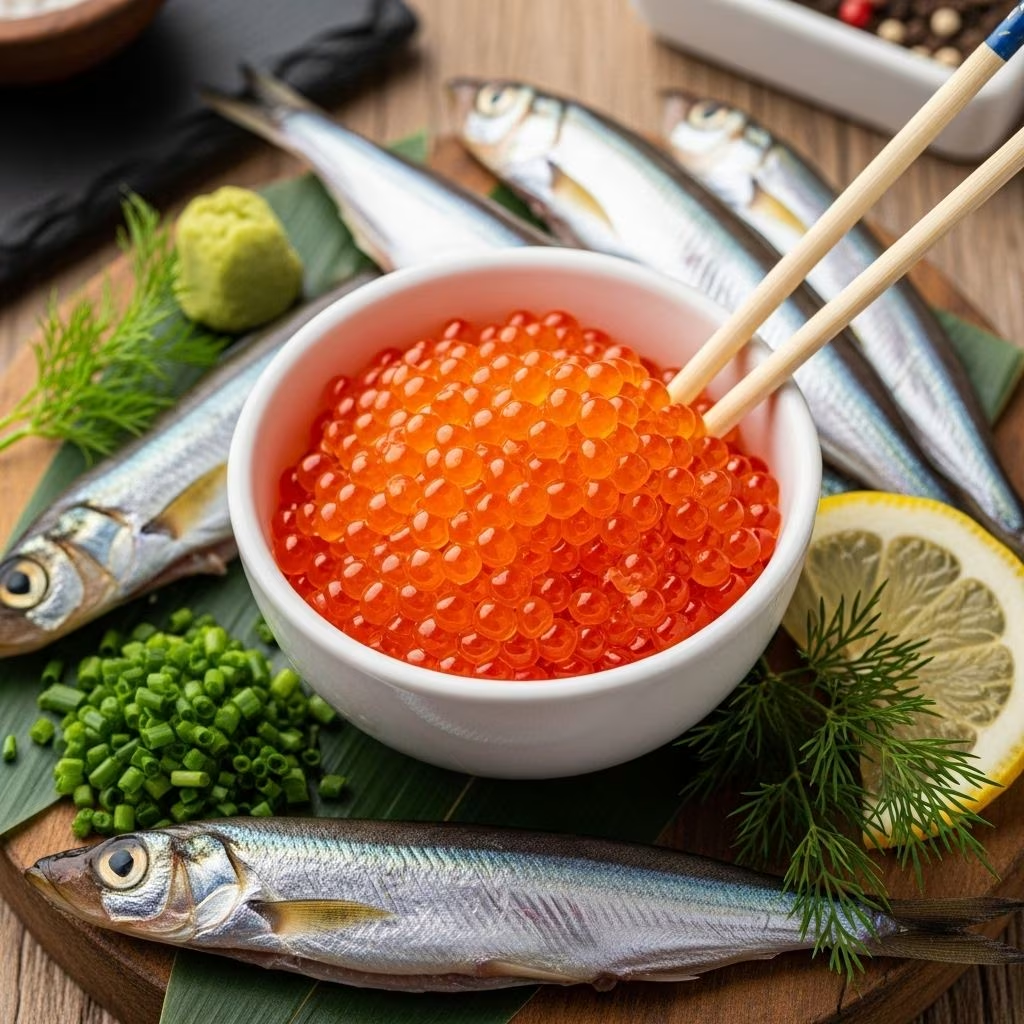
Introduction to Masago
Masago, also known as capelin roe, is a delicacy derived from the eggs of capelin fish (*Mallotus villosus*), which belong to the smelt family. These small, silvery-green fish are predominantly found in cold-water regions like the North Atlantic and Arctic Oceans. While capelin fish themselves are edible, they are primarily harvested for their roe and other products such as fishmeal and fish oil.
Origin and Harvesting
Female capelin begin releasing eggs at around 2–4 years of age, and the roe is harvested when the fish is full of ripened eggs but before they have the chance to spawn. This practice ensures that the masago is of high quality and retains its delicate flavor and texture.
Uses in Cuisine
Masago is extensively used in Japanese cuisine, particularly in sushi and sashimi dishes. It is valued for its mild, slightly salty flavor and delicate crunch. Due to its small size, masago is often mixed with ingredients like wasabi, squid ink, or ginger to enhance its flavor. It is commonly used as a topping for sushi rolls and as a garnish for nigiri.
Masago vs. Tobiko
Masago is often confused with tobiko, the roe of flying fish. However, while both are used in sushi, masago is generally smaller, less expensive, and has a softer texture than tobiko. Tobiko has a naturally bright red hue and is considered a more high-end ingredient due to its cost and quality.
Nutritional Benefits
Masago is rich in nutrients, including protein, omega-3 fatty acids, and essential vitamins like vitamin B12. It is a low-calorie food, making it a healthy addition to various diets. The nutritional value of masago per 100 grams includes approximately 100 kcal of calories, 13 grams of protein, and 4 grams of fat.
| Nutrient | Amount per 100g |
|---|---|
| Calories | 100 kcal |
| Protein | 13 g |
| Fat | 4 g |
| Carbohydrates | 1 g |
| Fiber | 0 g |
| Sugar | N/A |
Health Benefits
The nutritional profile of masago contributes to several health benefits:- High in Protein: Essential for muscle growth and repair.- Rich in Omega-3 Fatty Acids: Supports heart health and brain function.- Good Source of Vitamin B12: Crucial for nerve function and red blood cell formation.
Recipes and Preparations
Masago is versatile and can be used in various recipes:- Sushi Rolls: Often used as a topping to add color and flavor.- Nigiri: Used as a garnish to enhance the dish visually and flavor-wise.- Masago Sauce: Blended with ingredients like mayonnaise and sesame oil for dips or sushi fillings.- Spicy Crab or Tuna Rolls: Adds a crunchy texture and flavor to spicy mixes.
Frequently Asked Questions (FAQs)
Q: What is Masago?
A: Masago is the edible roe of capelin fish, commonly used in sushi and other dishes for its nutritional value and unique taste.
Q: How is Masago Harvested?
A: Masago is harvested from female capelin fish when they are full of eggs but before spawning to ensure quality and flavor.
Q: What are the nutritional benefits of Masago?
A: Masago is rich in protein, omega-3 fatty acids, and vitamin B12, making it a nutritious addition to meals.
Q: How does Masago compare to Tobiko?
A: Masago is smaller and less expensive than tobiko, with a softer texture and a milder flavor. Tobiko is naturally red and considered a high-end ingredient.
References
- https://www.healthline.com/nutrition/masago
- https://sushirunner.com/what-is-masago-in-sushi-origins-flavor-uses-and-more/
- https://www.sushi-pedia.com/en/sushi/masago
- https://www.yummymummykitchen.com/2021/09/masago.html
- https://www.denefits.com/masago-everything-you-need-to-know-about-capelin-fish-roe/
- https://www.webstaurantstore.com/blog/4930/what-is-masago.html
- https://kokorocares.com/blogs/blog/japanese-fish-eggs-masago-vs-tobiko-vs-ikura-what-are-the-differences
- https://schoolofsushi.com/what-is-masago-everything-you-need-to-know-about-this-sushi-chefs-secret-ingredient/
- https://kellyloves.com/blogs/news/types-of-fish-eggs-used-in-sushi
- https://japanesetaste.com/blogs/japanese-taste-blog/tobiko-vs-masago-fish-roe-key-differences-and-which-is-better


