


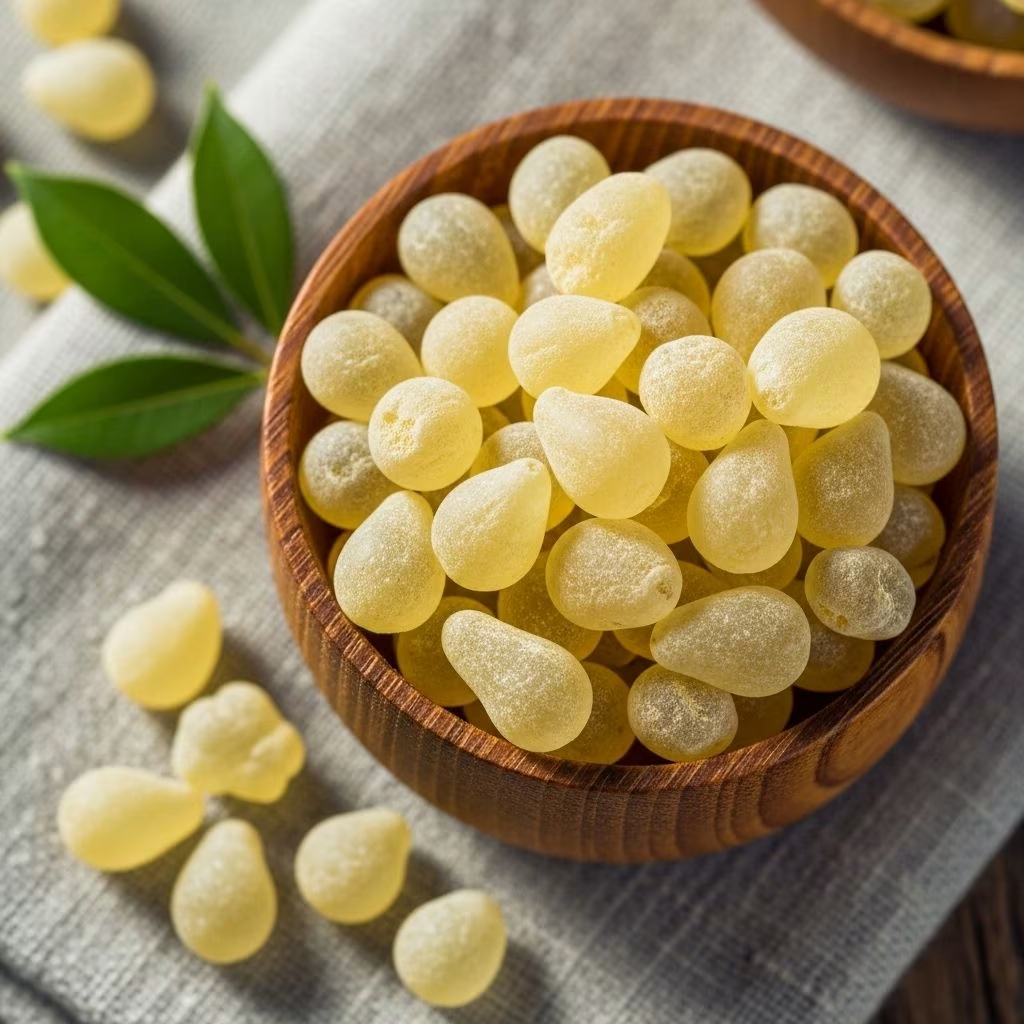
Mastic, often referred to as the “tears of Chios,” is a natural aromatic resin obtained from the trunk and branches of the mastic tree (Pistacia lentiscus). Celebrated for thousands of years in the Mediterranean world, mastic adorns an illustrious history as a remedy, culinary delight, and cultural symbol. This in-depth guide explores what mastic is, its origins, benefits, modern and traditional uses, unique taste profile, safety aspects, and much more.
What Is Mastic?
Mastic is a translucent, brittle resin derived from the mastic tree (Pistacia lentiscus), an evergreen shrub native to the Mediterranean. Mastic is typically collected as droplets or “tears” from incisions made in the tree’s bark. As a natural gum, it softens and becomes chewy when masticated, releasing a pine-citrus flavor.
Mastic is not the same as gum arabic (from Acacia species).
- Source: Pistacia lentiscus
- Main producers: Greece (especially Chios island), followed by Turkey and North Africa
- Other names: Chios mastic, lentisk gum, tears of Chios, mastika
History and Origin of Mastic
Mastic’s use dates back more than 2,500 years in the Mediterranean region. Ancient Greek physicians like Hippocrates prescribed it for digestive complaints and as a breath freshener. Romans combined mastic with wine, honey, and spices. Under the Byzantine Empire and during the Ottoman era, mastic resin was so precious that its trade was strictly controlled and protected by law.
- Ancient Greece: Used both as a health supplement and chewing gum
- Middle Ages: Valued for its medicinal and oral care properties throughout Europe and the Balkans
- Ottoman Empire: Mastic was a luxury commodity, and the Chios groves were fiercely guarded
Today, mastic remains intimately linked to the island of Chios in Greece, the only region where the unique mastic tree variety reliably produces significant resin yields. This geographic exclusivity is protected by the European Union as a PDO (Protected Designation of Origin) product.
How Mastic Is Produced
Mastic resin production is a labor-intensive, seasonal process that takes place only in select microclimates:
- Tree Incisions: In summer, small cuts are made on the bark of mature Pistacia lentiscus trees.
- Resin Dripping: The resin oozes from these cuts and slowly hardens into teardrop-shaped lumps over 15–20 days, forming the famed “tears of Chios.”
- Collection & Cleaning: Hardened resin pieces are harvested by hand, washed, and painstakingly sorted to remove debris and dust.
Only the southern part of Chios provides the right combination of climate and soil for optimal mastic production. The entire process—from tapping to packaging—remains largely artisanal.
Chemical Composition and Nutritional Profile
Mastic resin is composed of a complex array of natural bioactive compounds, which contribute to its flavor, rigidity, and reputed health benefits:
- Essential Oils (0.5–3%): Terpenes such as alpha-pinene, myrcene, linalool, and limonene are responsible for the characteristic aroma
- Polymerized Resin Acids: Give mastic its brittle, glass-like texture
- Natural Gum: Polysaccharide components that enable its use as a natural chewing gum and thickener
Chemical studies suggest mastic is also rich in anti-inflammatory, antibacterial, and antioxidant compounds.
Health Benefits of Mastic
The health benefits of mastic have been celebrated since antiquity. While many traditional claims have only limited modern clinical support, some effects are backed by recent scientific inquiry:
- Digestive Aid: Mastic may help soothe digestive complaints like indigestion, acid reflux, and mild dyspepsia. The European Medicines Agency (EMA) recognizes powdered mastic as a traditional herbal remedy for this purpose.
- Stomach Ulcer Support: Research indicates mastic possesses mild antibacterial properties against Helicobacter pylori, a bacterium linked to gastric ulcers
- Oral Health: Ancient and medieval physicians used mastic as a natural breath freshener, gum protector, and tooth cleanser. Chewing mastic is thought to combat bad breath and support healthy gums
- Wound Healing: Mastic resin and its decoctions have been used to promote minor wound and skin healing, likely due to its antimicrobial and anti-inflammatory properties
- Antibacterial and Antioxidant: Laboratory studies show mastic’s essential oils exert moderate antibacterial activity and may help prevent oxidative stress
Note: Despite these positives, most clinical studies remain small or methodologically weak, and mastic is officially approved as a traditional—not scientifically evidenced—remedy.
Table: Summary of Notable Health Benefits of Mastic
| Benefit | Support | Common Traditional Uses |
|---|---|---|
| Digestive Health | Some evidence | Indigestion, stomach aches, heartburn |
| Oral Care | Traditional use | Chewing gum, toothpicks, mouthwash |
| Wound Healing | Traditional use, limited evidence | Minor skin wounds, mouth ulcers |
| Bacterial Control | Laboratory studies | Helicobacter pylori, minor external antibacterial |
Traditional and Medicinal Uses
Mastic’s broad range of historical uses offer a window into Mediterranean herbal traditions:
- Chewing gum: The earliest natural chewing gum, believed to clean teeth and freshen breath
- Oral care: Used in ancient toothpaste, mouthwashes, and as toothpicks
- Digestive remedy: Given internally for stomach upset, loss of appetite, and mild cramps
- Skin and Wound Care: Applied as an ingredient in ointments, balms, and poultices
- Cosmetic use: Infusions for face cleansing and as an ingredient in salves for beauty
- Aromatherapeutic use: As a base for incense and perfumery due to its fresh, resinous aroma
Some traditional practitioners regarded mastic as a tonic for the brain and even used it in decoctions for cleaning and whitening the face or as a means of strengthening the jaw and teeth.
Culinary Uses of Mastic
Mastic’s unique pine-citrus flavor has made it a treasured culinary component, especially in Greece, Turkey, and the Levant:
- Confectionery: Essential in Greek desserts like loukoumi (Turkish delight), baklava, and mastic-flavored ice cream (dondurma)
- Beverages: Used to flavor liqueurs such as Greek mastiha and Turkish mastika
- Baking: Adds a subtle, resinous note to sweet breads and pastries
- Savory dishes: Occasionally used in spice blends for meats, or as a thickening agent in stews and sauces
Owing to its intense aroma, a small amount of mastic can transform a dish, imparting both flavor and an enticing fragrance.
The Unique Taste of Mastic
Mastic’s flavor profile is among the most distinctive in natural ingredients. When chewed, the resin starts off somewhat bitter, rapidly evolving into a bright, refreshing taste reminiscent of pine, cedar, eucalyptus, and subtle lemon. In culinary preparations, it lends a delicate backbone of forest-green freshness, faint spice, and citrus.
- Initial taste: Bitter/astringent, quickly mellowing
- Lingering aroma: Pine, cedar, slight herbs, and floral notes
The unique, resinous essence of mastic pairs especially well with floral and citrus ingredients, dairy-based desserts, and buttery pastries.
Side Effects and Safety
Mastic is considered possibly safe for most adults when taken by mouth for up to three months. Adverse effects appear rare and mild but may include:
- Mild constipation (when used in high amounts)
- Itchy rash (when applied directly to the skin)
Due to insufficient data, mastic is not recommended in children, pregnancy, or during lactation. Always consult a healthcare professional before using mastic for medicinal purposes.
Where to Buy and How to Use
- Where to buy: Mastic is available at specialty Greek, Turkish, and Middle Eastern stores as irregular, translucent droplets. Supplement and health food shops sometimes offer it as gum, powder, or capsules.
- How to use: For chewing gum, simply chew a small piece until soft. For culinary use, grind or dissolve mastic in a mortar with a pinch of sugar or salt, or infuse it in liquid (milk, cream, or syrup) for desserts. As a digestive supplement, follow packaging instructions for powders or capsules.
Frequently Asked Questions (FAQs)
Q: Is mastic the same as gum arabic?
A: No, mastic is derived from Pistacia lentiscus and has a unique pine-like flavor. Gum arabic comes from Acacia species and is flavorless.
Q: Is mastic safe for daily use?
A: Mastic appears to be well-tolerated by most adults when used in moderation for up to three months. There is limited data for long-term use or use in children and pregnant women.
Q: Can mastic help treat stomach ulcers?
A: Some studies suggest mastic may help by inhibiting Helicobacter pylori, but large-scale clinical evidence is lacking. It is considered a traditional remedy for digestive complaints.
Q: What does mastic taste like?
A: Mastic starts slightly bitter, quickly developing a refreshing pine, cedar, and citrus flavor. It is prized for its invigorating aroma and taste.
Q: Are there any allergies or risks?
A: Mastic is generally safe in small amounts. Rare side effects may include constipation or mild skin irritation. Allergic reactions are uncommon but possible.
Q: Why is Chios mastic unique?
A: Only the southern part of Chios provides the particular environmental conditions needed for the highest quality, aromatic mastic resin. This makes Chios mastic rare and valuable.
In summary: Mastic is a storied Mediterranean resin, celebrated for its digestive-soothing reputation, unique pine aroma, and myriad roles in food, medicine, and culture. Its ancient legacy continues to thrive due to cherished traditions and growing global curiosity.
References
- https://en.wikipedia.org/wiki/Mastic_(plant_resin)
- https://nutritionalgeography.faculty.ucdavis.edu/mastic/
- https://www.webmd.com/vitamins/ai/ingredientmono-565/mastic
- https://herbsocietyblog.wordpress.com/2022/01/24/mastic-something-herbal-to-chew-on/
- https://www.merriam-webster.com/dictionary/mastic
- https://thearmeniankitchen.com/understanding-mastic/
- https://mibellebiochemistry.com/mastic-chios-island-miracle-tear
- https://www.britannica.com/plant/mastic-tree


