


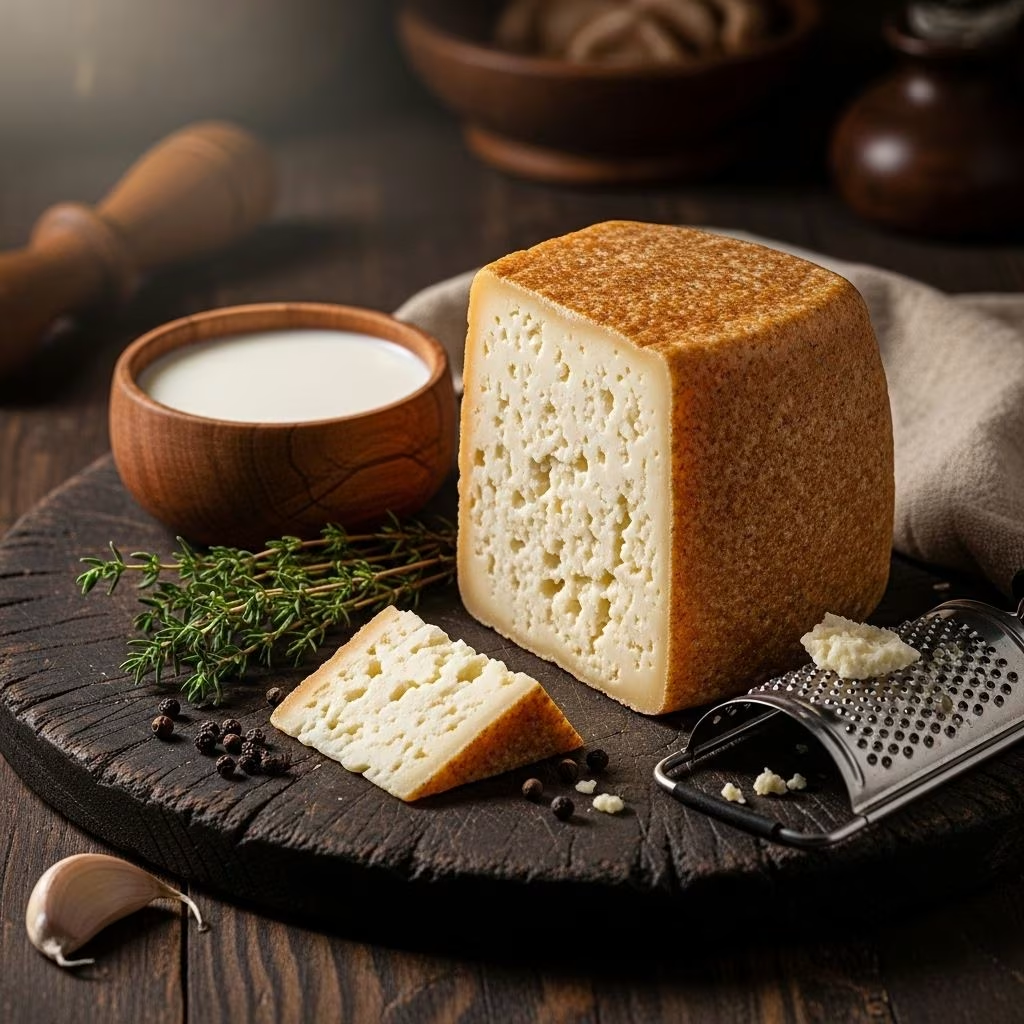
Mizithra, a cherished product of Greek culinary heritage, is a cheese known for its versatility, health benefits, and unique flavor profile. Spanning thousands of years and still made traditionally today, Mizithra’s story is woven into the very fabric of Greece’s rural and gastronomic culture. This comprehensive guide explores what Mizithra is, its historical significance, nutritional profile, culinary uses, taste, and how it varies between its fresh and aged forms.
What Is Mizithra?
Mizithra (also spelled Myzithra, pronounced mee-ZEETH-ra) is a traditional Greek cheese made primarily from the milk of sheep, goats, or a combination of both. At its core, Mizithra is a whey cheese, meaning it is created from the whey left over after other cheeses have been made. Sometimes, small amounts of whole milk are added to enrich the texture and flavor.
There are two main forms of Mizithra:
- Fresh Mizithra: Soft, creamy, mild, and similar in texture to Italian ricotta.
- Aged (Dry) Mizithra: Hard, crumbly, salty, and intended for grating, resembling Italian ricotta salata.
Mizithra is especially associated with the island of Crete, though it is enjoyed throughout Greece and by diaspora communities worldwide.
History and Origins of Mizithra
The origins of Mizithra can be traced back over thousands of years, rooted deeply in Greek pastoral traditions. Cheese making, including whey cheeses such as Mizithra, is believed to have been practiced since ancient times. Greek mythology credits figures like Aristaios for introducing cheese-making arts to humanity. On Crete and throughout rural Greece, Mizithra production was historically an integral part of seasonal agricultural cycles, closely tied to the lambing season and availability of fresh sheep and goat milk.
Key Historical Facts:
- Mizithra’s origins are ancient, with deep roots in rural Greek life and mythology.
- Traditional production techniques have largely been preserved due to family and regional pride.
- The cheese is referenced in classical literature and is linked with celebrations and feasting.
How Mizithra Cheese Is Made
The production of Mizithra is characterized by its simplicity and respect for tradition. The process relies largely on time-honored methods, often passed down through generations of cheesemakers. The basic steps are as follows:
- Heating the Milk and Whey: Fresh sheep’s or goat’s milk (sometimes cow’s milk or a blend) is heated gently. Whey, a byproduct of previous cheese batches, is also used and often forms roughly half of the mixture.
- Curdling: An acidic substance such as rennet, whey, lemon juice, vinegar, or even the branch of a fig tree is added to separate the curds. This step forms the basic cheese mass.
- Draining: The curds are poured into cheesecloth bags and hung, allowing the liquid (whey) to drain.
- Shaping: As they hang and drain, the cheeses take on a distinct teardrop or rounded shape.
- Aging: Fresh Mizithra is ready in about 24 hours, while aged Mizithra is salted and left to mature for several weeks to months, becoming dry and crumbly.
The simplicity of the recipe allows for small-scale, artisan production and is largely responsible for the cheese’s continued tradition today.
Types and Varieties of Mizithra
Mizithra comes in several forms, which differ mainly in their texture, flavor, and intended use:
- Fresh Mizithra: Must be eaten within a few days. It is white, soft, creamy, and moist.
- Sour Mizithra (Xynomizithra): A variant with a more tangy, sour flavor due to fermentation.
- Aged (Dry) Mizithra: Salted, left to dry, and then aged for several months, resulting in a hard, salty cheese best suited for grating over foods.
| Characteristic | Fresh Mizithra | Aged Mizithra |
|---|---|---|
| Texture | Soft, moist, creamy | Hard, dry, crumbly |
| Flavor | Mild, sweet, milky | Salty, tangy, piquant |
| Color | White | Off-white, sometimes yellowing |
| Storage | Eat within days | Can be stored for months |
| Use | Eaten fresh, desserts | Grated, toppings |
Nutritional Benefits and Health Considerations
Mizithra cheese has nutritional benefits, particularly as a source of high-quality proteins, calcium, and other key minerals and vitamins found in dairy products.
- Calcium: Important for bone health and teeth.
- Protein: Essential for muscle repair and growth.
- B vitamins: Like B12, which assist in energy metabolism.
- Low Lactose (Aged): The aging process can reduce lactose content, making aged Mizithra easier to digest for some people.
However, certain dietary considerations apply:
- Fat Content: Fresh Mizithra is lower in fat than aged, as some fat is lost during draining and aging (approx 15% for fresh).
- Sodium: Aged Mizithra is quite salty; those with hypertension or sodium restrictions should use it sparingly.
- Lactose Content: As a dairy cheese, all types contain some lactose, which may be problematic for those with intolerance.
- Protein Content: Significant in both fresh and aged varieties (approx 15.5% for fresh).
In traditional Greek diets, Mizithra was valued for providing strength and vitality and was commonly eaten by children, pregnant women, and the elderly.
Culinary Uses: How to Enjoy Mizithra Cheese
The versatility of Mizithra makes it suitable for both sweet and savory applications. Its use depends on whether you have the fresh or aged variety:
- Fresh Mizithra:
- Spread on crusty bread or paximadi (Greek rusks)
- Served with honey or fruit for a simple dessert
- Mixed into fillings for pies and pastries, like the classic Cretan kalitsounia
- Used in cheesecakes or as a stuffing for vegetables
- Aged Mizithra:
- Grated over hot pasta, such as the well-known dish spaghetti with brown butter and Mizithra
- Sprinkled on salads for added texture and saltiness
- Used in savory pies, gratins, or as a topping for baked dishes
Taste Profile: What Does Mizithra Taste Like?
The taste of Mizithra varies considerably between its fresh and aged forms:
- Fresh Mizithra: Mild, delicate, sweet, and milky with a light tang. The texture is soft and creamy, making it very approachable even for those unfamiliar with Greek cheeses.
- Aged Mizithra: Intensely savory, salty, nutty, and piquant. As it dries, the flavors become more pronounced, with a characteristic crumbly texture. Ideal for finishing dishes with a burst of flavor.
Sour variants like Xynomizithra feature a more acidic, tangy profile that can add brightness to both sweet and savory recipes.
Pairings and Serving Suggestions
Mizithra’s versatility means it pairs well with a broad range of accompaniments:
- Wines: Pair with crisp white Greek wines (Assyrtiko, Moschofilero), medium reds (Agiorgitiko), or match the wine to the strongest accompanying dish flavor.
- Fruits: Fresh figs, grapes, cherries, or citrus can be served with fresh Mizithra.
- Nuts & Honey: Walnuts, almonds, and Greek honey are classic partners, especially for desserts or breakfast.
- Bread: Rustic village loaves or barley rusks complement both fresh and aged versions.
- Pasta & Salads: Use aged Mizithra grated liberally over hot pasta or tossed into fresh salads for a flavor boost.
Popular Recipes Featuring Mizithra
Mizithra can shine in a variety of classic Greek and modern dishes:
- Spaghetti with Brown Butter and Mizithra: Hot pasta is tossed in nutty browned butter and generously topped with grated aged Mizithra—a Greek favorite.
- Kalitsounia (Cretan Cheese Pastries): Hand pies filled with a mix of fresh Mizithra, herbs, and sometimes greens.
- Sweet Cheese Pie: Fresh Mizithra is combined with eggs, sugar, and vanilla, then baked in phyllo pastry for a dessert or breakfast treat.
- Greek Salad Topper: Grated dry Mizithra brings a salty punch to classic Greek salads.
- Baklava with Mizithra: A twist on traditional Baklava, where fresh Mizithra is used in the filling.
Frequently Asked Questions (FAQs)
What is the difference between Mizithra and Ricotta?
While both are soft whey cheeses, ricotta is Italian and made almost exclusively from cow’s milk, whereas Mizithra is Greek and primarily uses sheep’s or goat’s milk. Mizithra can also be aged to a hard, salty form, unlike most ricotta.
Can people with lactose intolerance eat Mizithra?
Mizithra, especially in its fresh form, contains lactose. Some aged Mizithra may have less lactose, but people with strong intolerances or allergies should avoid Mizithra or consult their healthcare provider.
Is Mizithra suitable for vegetarians?
Traditional Mizithra is sometimes made using animal-derived rennet for curdling; confirm with the producer or choose vegetarian rennet-based varieties if this is a concern.
How should I store Mizithra?
Fresh Mizithra should be eaten within a few days and kept refrigerated. Aged Mizithra can be wrapped and stored in the fridge for several months if kept dry. Some traditional methods store it in olive oil to help preserve it.
Are there similar cheeses to Mizithra?
Yes, it is similar to Anthotyros (Greece), Anari (Cyprus), Ricotta and Ricotta Salata (Italy).
Conclusion
Mizithra cheese remains a cornerstone of Greek cuisine, both at home and abroad. Its rich culinary tradition, impressive nutritional profile, and dual nature—fresh and aged—make it both a comfort food and a gourmet ingredient. Whether you savor it with honey for breakfast, use it to finish a savory pasta, or enjoy it on a summer salad, Mizithra bridges the gap between ancient heritage and modern table.
References
- https://kids.kiddle.co/Mizithra
- https://chefsmandala.com/cheese-of-the-week-myzithra-or-mizithra/
- https://www.wisdomlib.org/ingredients/mizithra-cheese
- https://www.cheese.com/myzithra/
- https://www.greekboston.com/cheese/xynomizithra-cheese/
- https://www.lemonandolives.com/greek-cheese-a-guide-to-cheeses-of-greece/
- https://en.wiktionary.org/wiki/mizithra


