


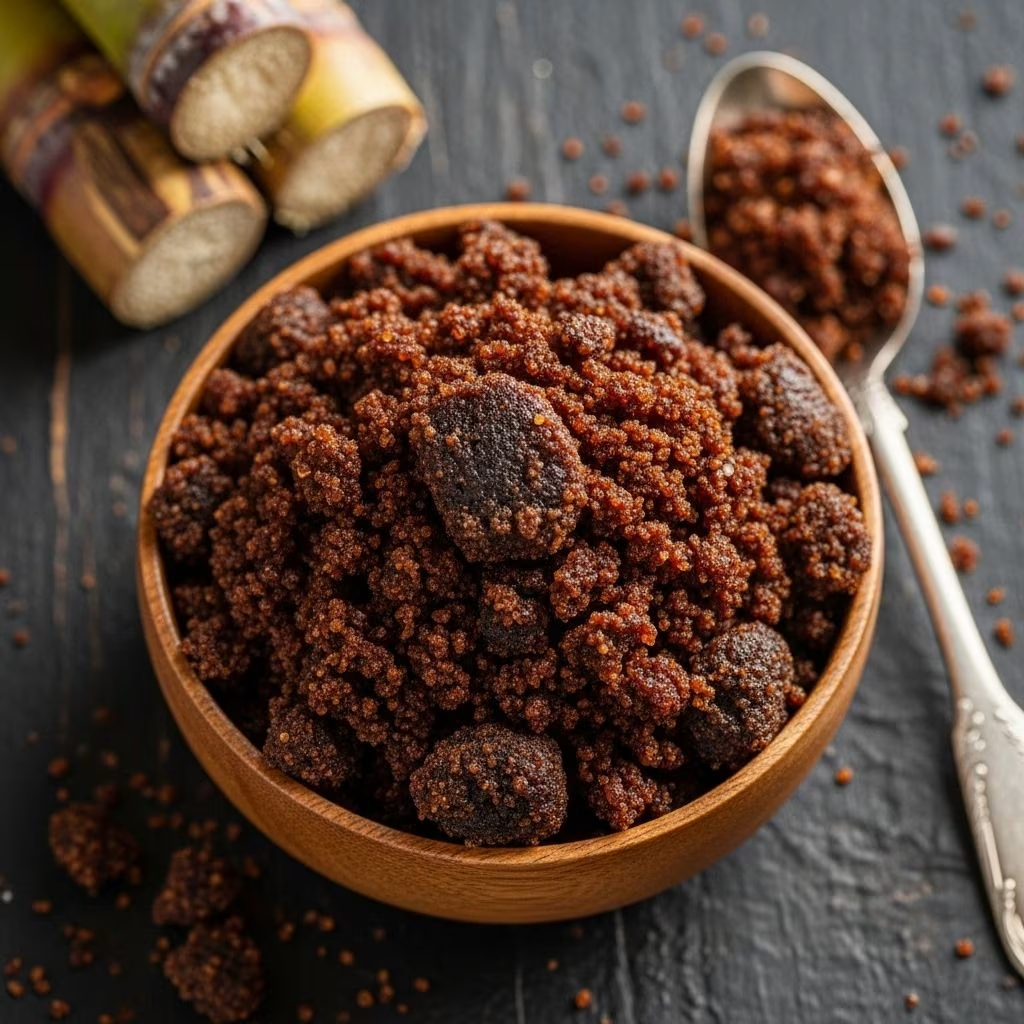
Muscovado sugar, often admired for its rich flavor and natural origins, has become a favored ingredient among chefs, bakers, and food enthusiasts seeking depth and authenticity in their recipes. But what sets it apart from other sugars? This guide explores muscovado sugar’s history, production, nutritional makeup, culinary applications, health considerations, and how its distinct taste can transform your kitchen creations.
- Category: Food & Nutrition
- Reading Time: 14 minutes
Muscovado Sugar: An Overview
Muscovado sugar is an unrefined or partially refined cane sugar known for its high molasses content, deep brown color, moist and sticky texture, and bold, complex flavor. Unlike modern refined white sugar, muscovado preserves much of the natural molasses found in sugarcane juice, resulting in a product that delivers extra flavor and a hint of nutritional value.
- Alternative Names: Barbados sugar, ‘mascabado’ (Spanish/Portuguese origin)
- Texture: Moist, sticky, fine crystals
- Primary Flavor Notes: Caramel, toffee, subtle bitterness from molasses
- Main Use: Baking, beverages, sauces, marinades
- Origins: Caribbean, South Asia, and other sugarcane-growing regions
History and Etymology
The name “muscovado” traces back to Spanish and Portuguese (‘mascabado’), meaning unrefined. In the colonial era, muscovado was widely produced in the Caribbean using traditional, labor-intensive methods, often—tragically—by enslaved workers. Its rich molasses content made it highly prized by bakers and home cooks long before modern refining techniques became widespread.
Traditional Use and Culture
Muscovado sugar has maintained a presence in regional cuisines where sugarcane is abundant. Its caramel flavor and sticky texture were valued both for the sweetness and for adding depth to desserts, breads, and even savory dishes.
How Is Muscovado Sugar Made?
Muscovado sugar is made by extracting juice from sugarcane, boiling it down, and allowing it to crystallize naturally. Unlike refined sugars, most of the molasses is left unremoved, preserving the sugar’s nutrients and flavor compounds. The process is simple:
- Sugarcane is pressed to extract juice.
- The juice is boiled to evaporate water and begin crystallization.
- The resulting thick syrup is either sun-dried or further agitated to form sugar crystals coated in their natural molasses.
This minimal processing is what gives muscovado its signature characteristics: moistness, stickiness, and an intense, complex flavor.
Types of Muscovado Sugar
Muscovado sugar is commercially available in two main varieties:
- Light Muscovado Sugar: Pale brown in color, with some molasses removed. It delivers a milder flavor and is ideal for delicately flavored baked goods.
- Dark Muscovado Sugar: Has most of its molasses retained, resulting in a deep, dark brown color and bolder caramel-molasses notes. Preferred for gingerbread, rich cakes, and spiced recipes.
The granule size is typically fine, but slightly coarser than standard white granulated sugar. The moist texture means it clumps easily and needs to be handled with care in recipes.
Nutritional Profile
| Nutrient | Muscovado Sugar (per 100g) | White Sugar (per 100g) |
|---|---|---|
| Calories | 380 | 400 |
| Sucrose | 85-90g | 99.9g |
| Iron | 1.2mg | 0.01mg |
| Calcium | 85mg | 1mg |
| Potassium | 100mg | 2mg |
| Molasses Content | 8-11% | Very low |
Values are approximate and vary by manufacturer and batch. Actual vitamin and mineral levels are modest, and muscovado should not be relied upon as a major nutrient source.
Health Benefits & Considerations
Muscovado sugar is sometimes marketed as “healthier” than white or standard brown sugars. While it does contain trace amounts of minerals such as calcium, potassium, magnesium, and iron due to the molasses, these quantities are typically not enough to deliver significant nutritional benefits unless consumed in very large—and inadvisable—quantities.
- Nutrient Retention: The presence of natural molasses provides slightly higher mineral content than refined sugar.
- Caloric Content: Muscovado provides similar calories per gram as other sugars and should be consumed in moderation.
- Blood Sugar Impact: Like all sucrose-rich products, muscovado will raise blood sugar levels and is not recommended for unrestricted use by those with diabetes.
- Dental Health: Like other sugars, contributes to tooth decay if oral hygiene is neglected.
- Traditional Use: Molasses and muscovado were used in folk remedies for anemia and as an energy booster, but modern science does not support their medicinal use.
Bottom line: Muscovado sugar provides a marginally higher mineral content, but its health profile is very similar to other sugars and should be enjoyed as a flavoring agent, not a health food.
Culinary Uses of Muscovado Sugar
Muscovado sugar’s powerful toffee-molasses flavor and moist texture make it a prized ingredient across a broad spectrum of recipes:
- Baking: Adds chewiness and moisture to cookies, cakes, brownies, and gingerbread. Its flavor complements chocolate, coffee, and spices.
- Sauces and Marinades: Enriches barbecue sauces, chutneys, and glazes with complexity and a glossy sheen.
- Beverages: Used to sweeten tea, coffee, cocktails, and some traditional alcoholic drinks.
- Oatmeal, Porridge, and Yogurt: A spoonful stirred into breakfast dishes adds both flavor and natural sweetness.
- Canning and Preserves: Boosts the color and flavor intensity of jams, fruit butters, and preserves.
Best Practices for Baking
Muscovado can be tricky in certain recipes due to its clumpy, moist grain. For best results:
- Combine muscovado with fats by melting it with butter or oil, rather than creaming it cold.
- Strain the mixture to remove lumps before incorporating into batters or doughs.
- In recipes calling for regular brown sugar, muscovado can usually be substituted in equal measure. Expect a stronger, darker molasses note.
Taste and Aroma
The dominant characteristic of muscovado sugar is its deep molasses flavor, which produces intense notes of:
- Toffee and caramel
- Dark, slightly bitter undertones
- Mild smokiness
- A rich, lingering finish
This makes it perfect for recipes where intense, authentic sweetness is desired, and where a complex, layered flavor will shine—think rich cakes, gingerbread, fruit crumbles, or highly spiced rubs and marinades.
Muscovado Sugar Substitutes
If you cannot find muscovado sugar, the best substitutes are sugars with high molasses content or a combination of light/dark brown sugar and a bit of molasses:
- Dark Brown Sugar: Suitable for most recipes, although it may lack the same depth and moisture.
- Light Brown Sugar: Use with additional molasses for a closer flavor and moisture profile.
- Demerara or Turbinado: Lighter in flavor but similar in unrefined texture.
To make a quick substitute for 1 cup of muscovado sugar:
- Combine 1 cup dark brown sugar with 1–2 tablespoons of molasses. Mix thoroughly to a moist, clumpy consistency.
Storage & Shelf Life
Because muscovado is high in molasses, it is highly hygroscopic—it absorbs moisture from the air and can become hard or clumpy when improperly stored. Its shelf life is shorter than dry, refined sugars.
- Store muscovado in an airtight container in a cool, dark place.
- If stored above 65°F (18°C), shelf life may be cut to one year or less.
- For long-term storage, consider freezing muscovado in small, airtight bags.
- Hardened sugar can be restored by placing a damp paper towel in the container for 24–48 hours to soften it.
Frequently Asked Questions (FAQs)
Q: Is muscovado sugar the same as brown sugar?
A: No. Muscovado is less refined, darker, stickier, and contains more molasses than most commercial brown sugars. Brown sugar is often refined white sugar with some molasses added back in, while muscovado retains naturally-occuring molasses throughout its production process.
Q: Can muscovado sugar be used as a 1:1 substitute for white sugar in all recipes?
A: Typically yes in terms of sweetness, but expect a much darker color and stronger molasses flavor. Its high moisture can also impact the texture—especially in delicate cakes or cookies.
Q: Is muscovado sugar vegan?
A: Yes, as long as no animal products are used in production. Muscovado is simply cane sugar with molasses retained, making it suitable for vegan diets.
Q: What are the main differences between muscovado, demerara, and turbinado sugar?
A: Muscovado is stickier and darker, with the most molasses. Demerara and turbinado are drier, lighter in color, and have a milder, less pronounced flavor.
Q: Can muscovado sugar help with mineral intake?
A: While it contains trace minerals from the molasses, the amounts are too low to offer major nutritional benefits. It should not be relied upon as a mineral source.
Final Thoughts
Muscovado sugar stands out as a flavorful, largely unrefined sugar with unique culinary value. Its deep, complex taste and moist texture allow bakers and cooks to create memorable, richly flavored dishes and treats. With modest mineral content and unmistakable molasses notes, muscovado sugar should be enjoyed for its sensory qualities—used judiciously to elevate your cooking and baking repertoire.
References
- https://www.wisdomlib.org/ingredients/5802-muscovado-sugar
- https://www.ragus.co.uk/muscovado-sugar-in-granular-detail/
- https://www.cakesperiments.com/all-you-need-to-know-about-muscovado-sugar/
- https://eatbydate.com/what-is-muscovado/
- https://en.wikipedia.org/wiki/Muscovado
- https://www.dhampurgreen.com/blogs/dhampur-speaks/what-is-muscovado-sugar-a-natural-sweetener-you-need-to-know
- https://www.webmd.com/diet/what-to-know-about-muscovado-sugar
- https://www.chenabgourmet.com/muscovado-sugar-guide-discover-its-unique-qualities/
- https://www.restaurantware.com/blogs/bakery-resources/what-is-muscovado-sugar-a-deep-dive-into-the-unrefined-sweetener


