


Table of Contents
What Is Natal Plum?
The Natal Plum, scientifically known as Carissa macrocarpa, is a remarkable evergreen shrub native to tropical and southern Africa, particularly the coastal regions of South Africa. This versatile plant belongs to the Dogbane family (Apocynaceae) and has gained popularity worldwide for its dual purpose as both an ornamental landscaping plant and a source of delicious, edible fruits.
Originally found in the coastal bush of the Eastern Cape and Natal provinces of South Africa, the Natal Plum has successfully naturalized in various warm climates, including Florida, Texas, California, and parts of Asia. The plant is also known by several other names, including amathungulu, big num-num, large num-num, and Common Carissa, reflecting its cultural significance in different regions.
What makes the Natal Plum particularly fascinating is its multifaceted nature. While it serves as an attractive ornamental shrub with glossy green foliage and fragrant white flowers, it simultaneously produces edible fruits that have been a traditional food source for South African tribes, including the Zulu people, for centuries. The species epithet “macrocarpa” literally means “large fruit,” highlighting one of its most distinctive features.
Botanical Characteristics and Appearance
The Natal Plum presents a striking appearance that makes it easily recognizable. This evergreen shrub typically grows to a height of 5 to 7 feet, though under optimal conditions, it can reach impressive heights of up to 30 feet. The plant exhibits a moderately fast growth rate and maintains a loose, mounding shape that can spread 7 to 10 feet wide.
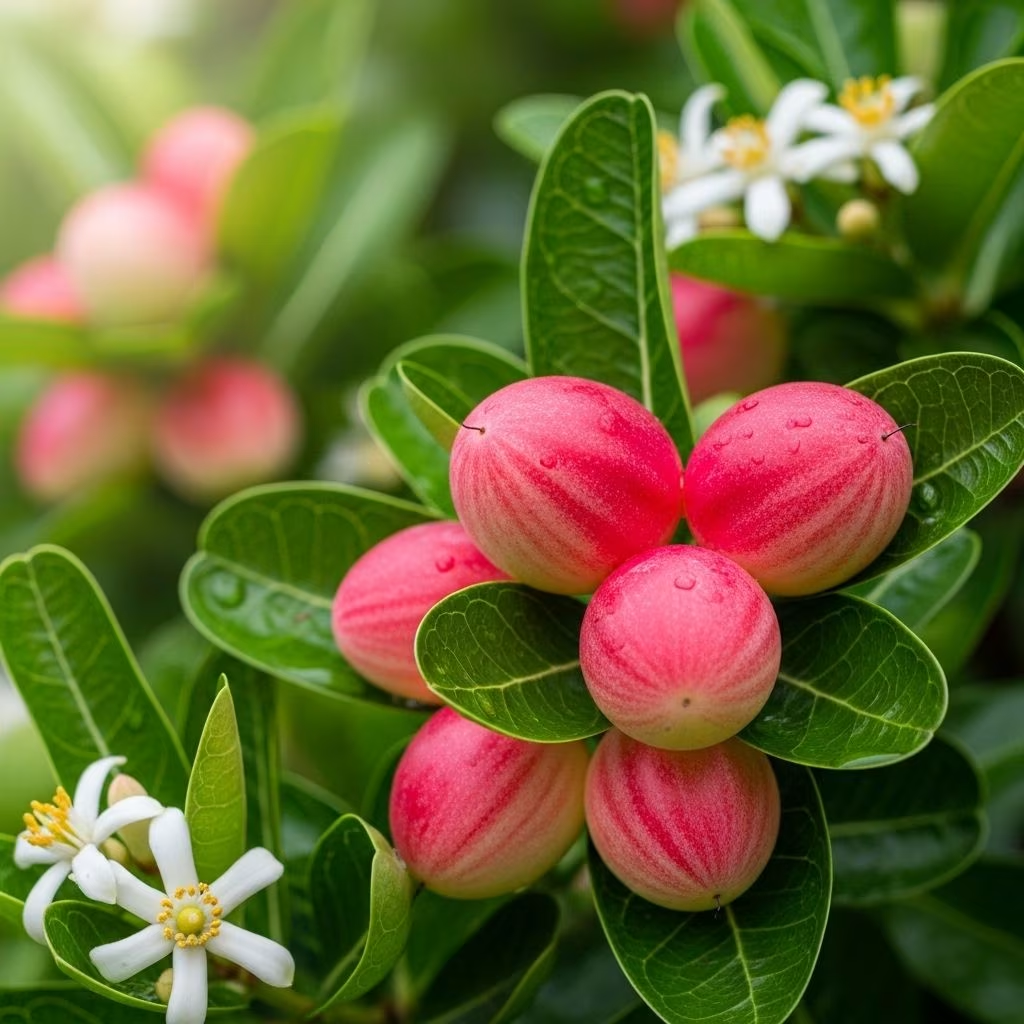
One of the most distinctive features of the Natal Plum is its glossy, leathery, dark green leaves that are oval-shaped and densely arranged on the branches. These leaves are particularly notable for their lustrous quality, making them some of the darkest green foliage found in ornamental plants. The branches are adorned with prominent spines, including spine-tipped leaves and stout, one- or two-pronged thorns that can grow up to 1 inch long, giving the plant its defensive characteristics.
The flowers of the Natal Plum are truly spectacular, featuring star-shaped, snowy white blooms that emit a sweet, intensely fragrant scent reminiscent of jasmine, orange blossoms, or gardenias. This perfumed fragrance becomes particularly pronounced at night, making the plant an excellent choice for evening gardens. The flowers bloom continuously for months at a time throughout the year, creating an almost perpetual display of beauty.
The fruits themselves are small, rounded, and plum-like, measuring approximately 2.5 to 5 centimeters in length and 2.5 to 4 centimeters in diameter, roughly the size of a kumquat. When ripe, they develop a deep red to reddish-purple color that resembles a pomegranate, with smooth, glossy skin that contains the sweet, juicy flesh within.
Taste and Flavor Profile
The Natal Plum offers a unique and complex flavor profile that has captivated fruit enthusiasts worldwide. When fully ripe, the fruit delivers a distinctive taste that combines multiple flavor elements, creating a truly memorable culinary experience.
The primary flavor characteristics include a delightful blend of tartness and sweetness. Many describe the taste as combining the tartness of cranberries with the sweetness of apples and strawberries. This complex flavor profile makes the fruit versatile for both fresh consumption and culinary applications. The flesh has a juicy texture similar to that of a common plum, with a somewhat grainy consistency that adds to its appeal.
When cut open, the red flesh reveals brown, oval-shaped seeds about the size of small almonds, and releases flecks of milky white sap, which is characteristic of plants in the Dogbane family. The fruit emits a sweet, subtly floral scent that complements its taste perfectly, making it as aromatic as it is flavorful.
The taste intensity can vary depending on the fruit’s ripeness, with fully mature fruits offering the best balance of sweetness and acidity. Unripe fruits tend to be more tart and less pleasant, while overripe fruits may become overly sweet and lose some of their characteristic tartness that makes them so appealing.
Nutritional Benefits and Health Properties
The Natal Plum is not only delicious but also offers several nutritional and medicinal benefits that have been recognized in traditional African medicine for centuries. While comprehensive nutritional data is limited compared to more common fruits, the Natal Plum contains various beneficial compounds that contribute to overall health and wellness.
Traditional medicinal uses of different parts of the Natal Plum plant include fever reduction, cough mitigation, and heart function optimization in patients with cardiovascular conditions. These applications suggest the presence of bioactive compounds with therapeutic properties, though modern scientific research is still investigating these traditional claims.
The fruit itself provides natural sugars for energy, along with what are likely modest amounts of vitamins and minerals common to most fruits. The presence of natural antioxidants, suggested by the fruit’s deep red coloration, may contribute to overall health by helping combat oxidative stress in the body.
As a traditional food plant in Africa, the Natal Plum has been recognized for its potential to improve nutrition, boost food security, foster rural development, and support sustainable land management practices. This recognition highlights its value not just as an ornamental plant, but as a legitimate food source with untapped potential for broader agricultural development.
The plant’s ability to thrive in challenging coastal conditions while producing nutritious fruit makes it particularly valuable for food security in regions where other crops might struggle to grow successfully.
Culinary Uses and Applications
The versatility of Natal Plum in culinary applications makes it a valuable addition to any kitchen garden or fruit collection. The fruits can be enjoyed in numerous ways, from simple fresh consumption to more elaborate culinary preparations.
Fresh Consumption: The most straightforward way to enjoy Natal Plum is to eat the ripe fruits fresh, directly from the plant. The fruits are typically consumed raw, providing a unique flavor experience that combines sweet and tart elements.
Preserves and Spreads: Due to their natural pectin content and balanced acidity, Natal Plums are excellent for making jams, jellies, and preserves. The fruit’s cranberry-like tartness makes these preserves particularly flavorful and suitable for both sweet and savory applications.
Baked Goods: The fruits can be incorporated into pies, tarts, and other baked desserts, where their unique flavor adds complexity to traditional recipes. Their size and texture make them suitable for use in muffins, scones, and fruit breads.
Sauces and Condiments: Natal Plums can be processed into sauces that complement both sweet and savory dishes. These sauces work particularly well with game meats, poultry, and cheese plates, where their tartness provides a pleasant contrast.
Beverages: The fruits can be used to create refreshing beverages, including fruit punches, smoothies, and even fermented drinks in some traditional applications.
When preparing Natal Plums for cooking, it’s important to remove the seeds, which are not typically consumed. The milky sap that appears when the fruit is cut is harmless and doesn’t affect the taste significantly, though some people prefer to rinse the fruit after cutting to remove excess sap.
Growing Conditions and Requirements
The Natal Plum is remarkably adaptable and relatively easy to grow, making it an excellent choice for both novice and experienced gardeners. Understanding its preferred growing conditions ensures optimal plant health and fruit production.
Climate Requirements: Natal Plum thrives in USDA hardiness zones 9 through 11, preferring warm, tropical, or subtropical climates. The plant cannot tolerate frost and should be protected or grown in containers that can be moved indoors in colder regions.
Light Conditions: The plant performs best in full sun but can tolerate light shade. Full sun exposure promotes the most abundant flowering and fruit production, while partial shade may result in reduced blooming and fruiting.
Soil Requirements: Natal Plum prefers well-draining, organic soil but is surprisingly adaptable to various soil types. The plant can tolerate both sandy and clay soils as long as drainage is adequate to prevent root rot.
Water Needs: Once established, Natal Plum has moderate water requirements and shows good drought tolerance. Regular watering during the establishment period is important, but mature plants can withstand periods of reduced moisture.
Salt Tolerance: One of the most remarkable characteristics of Natal Plum is its exceptional tolerance to salt spray and salt-laden winds, making it an ideal choice for coastal plantings and seaside gardens.
Maintenance: The plant responds well to pruning and can be sheared or hedged to fit specific landscape needs. Regular pruning helps maintain desired size and shape while promoting bushier growth and increased flowering.
Propagation can be accomplished through seeds, though cutting propagation often produces more reliable results and maintains desired characteristics in cultivated varieties.
Landscape Uses and Varieties
The Natal Plum’s combination of ornamental beauty, practical benefits, and edible fruits makes it incredibly versatile in landscape applications. Its natural characteristics lend themselves to numerous landscaping purposes.
Security and Privacy: The plant’s natural spines and dense growth habit make it an excellent choice for security hedging and privacy screens. The thorns provide effective deterrent properties while maintaining attractive appearance.
Foundation Planting: Natal Plum works well as foundation planting around buildings, where its evergreen nature provides year-round structure and interest. The fragrant flowers add sensory appeal near windows and outdoor living spaces.
Container Growing: The plant adapts well to container cultivation, making it suitable for patios, decks, and areas where in-ground planting isn’t possible. Container growing also allows for moving the plant indoors during cold weather in marginal climates.
Ground Cover: Low-growing varieties, such as ‘Boxwood Beauty,’ which typically reaches only 1-2 feet in height and width, serve as excellent ground cover options for larger areas.
Espalier Training: The plant’s flexibility allows for espalier training against walls or fences, creating attractive geometric patterns while maximizing space utilization.
Popular cultivars include ‘Boxwood Beauty,’ a compact variety perfect for smaller spaces and ground cover applications, and the standard species type for larger landscape installations. Each variety maintains the essential characteristics of fragrant flowers, attractive foliage, and edible fruits while offering different size options for various landscape needs.
Harvesting and Storage
Proper harvesting and storage techniques ensure the best flavor and longest shelf life for Natal Plum fruits. Understanding when and how to harvest these fruits maximizes their culinary potential.
Harvest Timing: Natal Plums are ready for harvest when they reach full color, turning from green to deep red or reddish-purple. The fruits should yield slightly to gentle pressure when ripe, similar to other stone fruits. In moderate coastal climates, fruits can appear throughout the year, while in other regions, the primary harvest season typically occurs in summer and fall.
Harvesting Method: Fruits should be carefully picked by hand to avoid damage from the plant’s thorns. Wearing gloves is recommended to protect hands from the sharp spines. Gentle twisting while pulling usually releases ripe fruits easily from the plant.
Post-Harvest Handling: Fresh Natal Plums should be handled carefully to avoid bruising. The milky sap that may appear during harvesting is harmless but can be rinsed off if desired.
Storage: Fresh fruits can be stored at room temperature for several days or refrigerated for up to a week. For longer storage, the fruits can be processed into preserves, frozen, or dried, though freezing may affect texture for fresh consumption.
Processing Tips: When processing large quantities, working in a well-ventilated area is recommended due to the plant’s milky sap, though this sap is not harmful and doesn’t significantly affect the fruit’s flavor.
Safety Considerations
While Natal Plum fruits are perfectly safe and delicious to eat, there are several important safety considerations to keep in mind when growing and consuming this plant.
Plant Toxicity: The University of California, Davis rates the Natal Plum plant as having low to mild toxicity characteristics. While the ripe fruits are completely safe and edible, other parts of the plant, including leaves, bark, and unripe fruits, should not be consumed. The milky latex sap present in the plant may cause skin irritation in sensitive individuals.
Fruit Safety: Only fully ripe, red fruits should be consumed. Unripe, green fruits may contain higher concentrations of compounds that could cause digestive discomfort and should be avoided.
Handling Precautions: The plant’s prominent thorns require careful handling during maintenance, harvesting, and general garden work. Wearing protective gloves and clothing is recommended when working around the plant.
Pet Safety: While the ripe fruits are safe for human consumption, pet owners should prevent dogs and cats from accessing other parts of the plant, as the latex-containing portions may cause digestive upset if consumed in quantity.
Children’s Safety: When planted in areas accessible to children, education about which parts of the plant are safe is important. The attractive fruits are safe when ripe, but children should be taught to avoid other plant parts.
Despite these precautions, Natal Plum remains a safe and rewarding plant for most garden situations when proper awareness and handling practices are followed.
Frequently Asked Questions
Q: Can Natal Plum be grown indoors?
A: Yes, Natal Plum can be grown in containers and brought indoors during winter in colder climates. However, indoor plants may not flower and fruit as prolifically as those grown outdoors in full sun.
Q: How long does it take for a Natal Plum plant to produce fruit?
A: Natal Plum plants typically begin producing fruit within 2-3 years when grown from cuttings, or 3-4 years when started from seed, provided they receive adequate sunlight and care.
Q: Are Natal Plum fruits available commercially?
A: Natal Plum fruits are rarely found in commercial markets due to their specialized growing requirements and limited shelf life. Most people who enjoy these fruits grow their own plants or obtain them from specialty fruit enthusiasts.
Q: Can I eat Natal Plum seeds?
A: The seeds of Natal Plum are typically not eaten and should be removed before consuming the fruit or using it in recipes. While not necessarily toxic, they are hard and not particularly palatable.
Q: How do I know when Natal Plums are ripe?
A: Ripe Natal Plums turn from green to deep red or reddish-purple and yield slightly to gentle pressure. They also emit a sweet, fruity fragrance when fully ripe.
Q: Will Natal Plum survive in cold climates?
A: Natal Plum is cold-sensitive and cannot survive frost. In climates colder than USDA zone 9, it must be grown in containers and protected or brought indoors during winter months.
Q: How often should I water my Natal Plum plant?
A: Once established, Natal Plum has moderate water needs. Water regularly during the first year, then reduce frequency as the plant develops drought tolerance. Ensure good drainage to prevent root problems.
Q: Can Natal Plum be used for bonsai?
A: Yes, Natal Plum is suitable for bonsai cultivation due to its small leaves, attractive flowers, colorful fruits, and tolerance for pruning and shaping.
References
- https://plants.ces.ncsu.edu/plants/carissa-macrocarpa/
- https://specialtyproduce.com/produce/Natal_Plums_9225.php
- https://en.wikipedia.org/wiki/Carissa_macrocarpa
- https://www.vpnurseries.com/carissa-boxwood-beauty
- https://edis.ifas.ufl.edu/publication/FP107
- https://bexar-tx.tamu.edu/homehort/archives-of-weekly-articles-davids-plant-of-the-week/natal-plum/
- https://plantmaster.com/plants/eplant.php?plantnum=24345
- https://buchanansplants.com/plant-library/flowering-shrubs/natal-plum/


