


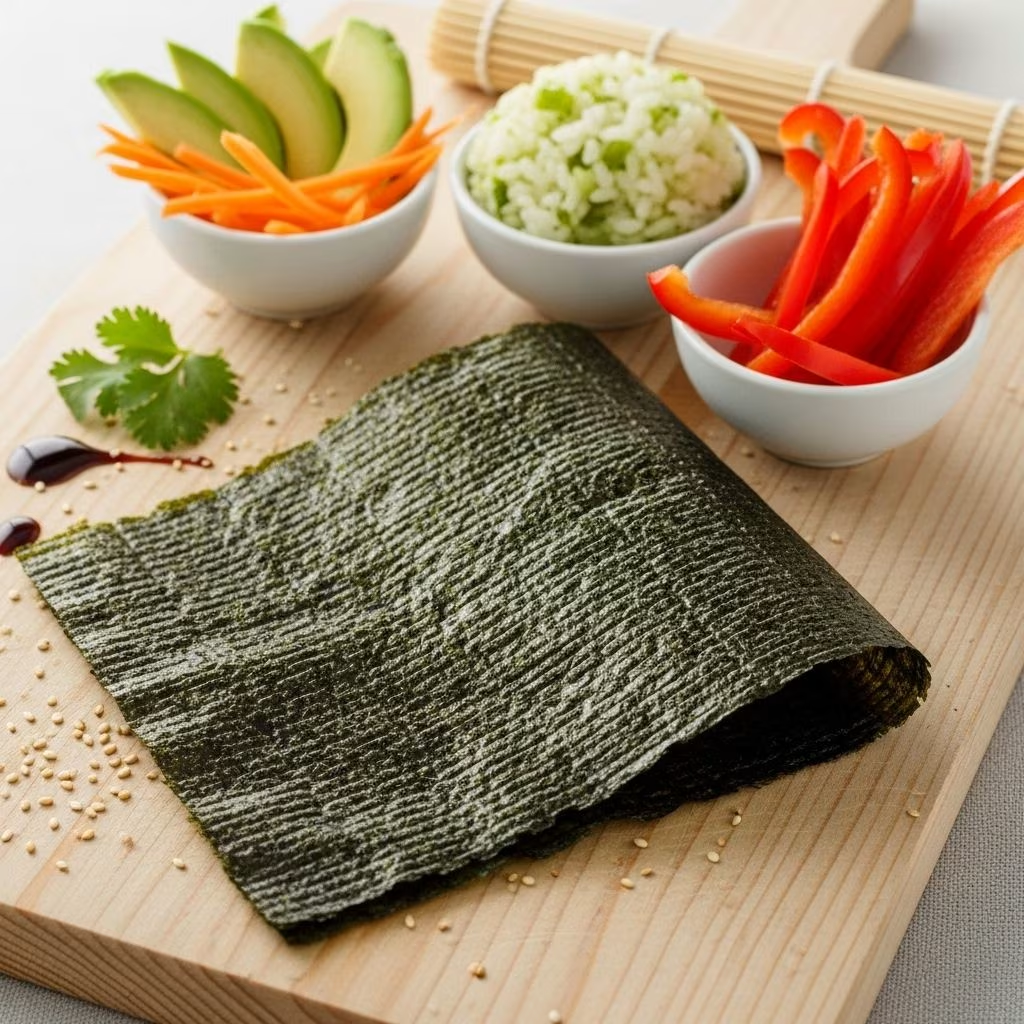
Nori, an edible seaweed, has captivated culinary experts and health-conscious consumers alike with its unique flavor, impressive nutrient profile, and versatility in global cuisine. This guide delves deep into what nori is, explores its proven health benefits, uncovers its diverse uses, and explains its signature taste—offering valuable insight for food enthusiasts, those seeking nutritional wellness, and anyone curious about the wonders of the sea.
Introduction to Nori
Nori is a general term used primarily in Japanese cuisine to describe various edible seaweed species, especially those in the Porphyra genus—a type of red algae. Nori is commonly cultivated in cold, clean ocean waters, predominantly off the coasts of Japan, Korea, and China. Its consumption isn’t limited to Asia; it’s now a familiar ingredient in Western diets, thanks in part to the global popularity of sushi.
Traditionally, nori is harvested, washed, shredded, and pressed into thin, paper-like sheets, which are then dried. The quintessential sushi-wrapping nori sheet is dark green or nearly black, with a crisp texture that becomes pliable when exposed to moisture.
Key Facts About Nori
- Nori is part of the red seaweed family (Porphyra).
- It’s primarily grown in the Pacific and Atlantic oceans.
- It’s found in several forms: sheets, flakes, powder, and snacks.
- Commonly used to wrap sushi, nori also garnishes soups, salads, and rice dishes.
Nutritional Profile of Nori
Nori’s reputation as a nutritional powerhouse is well-deserved. It’s low in calories and fat, yet rich in essential vitamins, minerals, and dietary fiber, along with a notable protein content for a plant-based food.
The nutrient density of nori varies depending on growing, processing, and drying techniques; higher-quality nori maintains more nutrients due to less aggressive heat treatment during processing.
Major Nutrients Found in Nori
- Vitamins: Vitamin A, B-complex (B1, B2, B12, folate), C, D, and E
- Minerals: Iodine, calcium, magnesium, iron, phosphorous, potassium, selenium, zinc
- Protein: Remarkably high compared to other algae—contains 8 of 9 essential amino acids
- Dietary Fiber: High content helps support digestion
- Omega-3 fatty acids: Beneficial for cardiovascular health
- Antioxidants: Includes beta-carotene, vitamin C, polyphenols
- Polysaccharides: Such as porphyran, which have health-promoting properties
| Nutrient | Nori (Dried) | Eel | Chicken Egg | Pork |
|---|---|---|---|---|
| Vitamin A | 3x higher | 1x | 0.2x | 0.8x |
| Vitamin C | 2x higher | 1x | 0.05x | 0.1x |
| Vitamin B2 | 7x higher | 1x | 0.14x | 0.6x |
| Iron | 1.8 mg | 1.4 mg | 1.2 mg | 1.5 mg |
| Protein | 22–35 g | 18 g | 13 g | 18 g |
| Iodine (1 sheet) | 2/3 adult RDA | – | – | – |
Despite being rich in vital nutrients, it’s worth noting that nori’s cell walls are thick, and only about half its nutrients are digestible.
Top Health Benefits of Nori
Consumption of nori offers a variety of health benefits, many of which are supported by scientific research and centuries of traditional use.
The 7 Most Significant Health Benefits
- 1. Rich Source of Nutrients: Nori’s broad array of vitamins, minerals, fiber, and protein make it a nutrient-dense food for nearly every diet.
- 2. High Protein Content: Nori contains more protein than most other seaweeds—valuable in plant-based diets.
- 3. Cardiovascular Protection: Omega-3 fatty acids help reduce cholesterol; polysaccharides lower blood pressure and improve circulation.
- 4. Immune Support: Antioxidants like vitamins A and C support and strengthen immune defenses while reducing inflammation.
- 5. Digestive Health: High fiber promotes healthy bowel movements and growth of beneficial gut bacteria.
- 6. Thyroid Function: Rich iodine content supports healthy thyroid hormone production, helping regulate metabolism.
- 7. Skin and Hair Health: Vitamins A, C, E, and zinc contribute to a healthy complexion and strong, shiny hair.
Additional Health Aspects
- Taurine (1000 mg/100g in dried nori) may support liver function and overall metabolic health.
- Polysaccharides like porphyran deliver anti-inflammatory, antimutagenic, and antitumor benefits.
Culinary Uses: How Is Nori Used?
Nori’s popularity in cuisine stems from its remarkable versatility and unique sensory qualities—crisp texture and umami-rich flavor. It’s used in myriad forms and dishes across Asia and around the world.
Traditional and Modern Uses
- Sushi and Maki Rolls: The classic use—nori sheets are wrapped around vinegared rice and fillings.
- Onigiri (Rice Balls): Nori sheets or strips provide a flavorful barrier for handheld Japanese rice snacks.
- Snacks: Baked or seasoned nori sheets are enjoyed on their own as a crisp, salty snack.
- Soups: Shredded nori often garnishes dishes like miso soup, adding flavor and nutrition.
- Salads and Bowls: Crumbled nori flakes appear in salads, poke bowls, and noodle bowls as a savory topping.
- Condiments: Nori powder or flakes add umami and nutrition to rice, pasta, and egg dishes.
- Fusion Cuisine: Nori is increasingly incorporated into Western and fusion dishes—burgers, sandwiches, and more.
Notable Global Variations
- Korean Gim: Seasoned seaweed, similar to nori but often roasted in sesame oil and lightly salted.
- Snacks: Seasoned, flavored options have become global favorites, often marketed as healthy chips or crisps.
Innovations in food processing have spawned nori in diverse formats and presentations. From sushi sheets to snack packs, nori’s appeal only grows.
Taste Profile: What Does Nori Taste Like?
The taste of nori is subtle yet distinctive, contributing much to the character of Japanese cuisine.
It offers a balanced combination of umami (savory), sweetness, and a faint oceanic saltiness. When chewed thoroughly, nori imparts a touch of natural sweetness, thanks to key amino acids—especially aspartic acid, alanine, glutamic acid, glycine, and taurine. The latter also enhances the characteristic richness and mouthfeel that defines sushi and other nori-wrapped treats.
- Umami: Intensely savory, comparable to that found in mushrooms or aged cheese
- Sweetness: Mild, not overpowering, due to specific free amino acids
- Briny/Oceanic: Reminiscent of sea breeze, evokes flavors of the ocean
- Lightness: Crisp when dry; melts on the tongue when moistened
- Complex Aromatics: Gently roasted, sometimes smoky aromas depending on the drying process
High-quality nori should feature vibrant dark green color, a glossy sheen, and an even, crisp texture. Inferior products may taste stale, lack sweetness, or be overly chewy.
Choosing and Storing Nori
To maximize nori’s nutritional benefits and preserve its delicate flavor profile, choose high-quality nori and store it appropriately.
How to Select Quality Nori
- Origin: Sourced from pristine ocean waters (Japan, Korea, or China are typical origins).
- Appearance: Even, dark green or black color with a glossy finish.
- Texture: Homogeneous; one side smooth, the other rough.
- Drying: Processed at moderate temperatures—preserves nutrients, imparts crunch.
Best Storage Practices
- Store in a cool, dry, airtight container out of direct sunlight.
- Keep nori away from moisture; humidity reduces crispness and shelf life.
- If possible, consume opened nori packages within 2–4 weeks.
Potential Risks and Considerations
While nori is safe for most people when consumed as part of a varied diet, excess intake could present certain risks due to its nutrient density.
- Iodine Excess: Consuming large amounts may result in thyroid dysfunction, especially in sensitive individuals.
- Heavy Metals: Like all seafood, seaweed can absorb mercury and other toxins—source verification is important.
- Digestibility: Only about half of nori’s nutrients are absorbed due to thick cell walls.
Moderation and diversity in diet are key. Nori’s benefits outweigh risks for the majority of healthy individuals, provided quality and amount are monitored.
Frequently Asked Questions (FAQs)
Q: Is nori suitable for vegans and vegetarians?
A: Absolutely. Nori is vegan, plant-based, and highly recommended for vegetarians and vegans due to its protein and vitamin content.
Q: Can nori provide enough vitamin B12 for a vegan diet?
A: Nori contains vitamin B12, but bioavailability is debateable. While it contributes, vegans should not rely solely on nori for B12 needs.
Q: How much nori should I eat weekly?
A: Nori can be consumed regularly, but moderation is best—several sheets weekly are enough to enjoy its benefits without risking excessive iodine intake.
Q: Is nori gluten-free?
A: Pure nori is naturally gluten-free. Flavored nori snacks may include gluten-containing ingredients; check labels.
Q: How can I add nori to my diet besides sushi?
A: Popular options include crumbling nori onto salads, mixing into rice bowls, blending in dressings, and eating as snacks.
Conclusion
Nori is a nutritional gem from the sea—an ingredient thriving in both traditional and contemporary cuisine. Its blend of essential nutrients, protective health benefits, culinary versatility, and unique taste make it a valuable addition to modern diets. Whether enjoyed in sushi, sprinkled over soups, or nibbled as a snack, nori delivers not just flavor but tangible health advantages.
References
- https://www.orientalmarket.es/en/nori-seaweed-properties-benefits-and-where-to-buy-it/
- https://www.biovie.fr/en/blog/quels-sont-les-7-bienfaits-de-l-algue-nori-super-algue–n621
- http://sushiuniversity.jp/basicknowledge/seaweed
- https://en.wikipedia.org/wiki/Nori
- https://japanobjects.com/features/nori-seaweed
- https://lofotenseaweed.no/our-seaweed/nori/
- https://www.finedininglovers.com/explore/articles/what-is-nori-how-eat-it
- https://www.foodrepublic.com/1637912/difference-between-seaweed-nori-sushi/


